

Should I Put a Blanket on My Bird’s Cage? A Comprehensive Guide
Whether or not to cover your bird’s cage with a blanket is a common point of debate amongst avian enthusiasts. The simple answer? It depends. While blankets can offer benefits like providing security and warmth, it’s crucial to understand the potential risks and best practices before draping one over your feathered friend’s habitat.

The Blanket Debate: Comfort vs. Compromise
The decision of whether to use a blanket on your bird’s cage is not always straightforward. It requires careful consideration of your bird’s specific needs, environment, and your ability to implement best practices. While a blanket can offer comfort and a sense of security, improperly used, it can pose significant health and safety risks. It’s vital to weigh the benefits against the potential drawbacks.
Is distilled water good for goldfish?
What colours are fish most attracted to?
Is methylene blue anti bacterial?
Does aquarium salt raise pH in aquarium?
Understanding the Benefits of Covering a Bird’s Cage
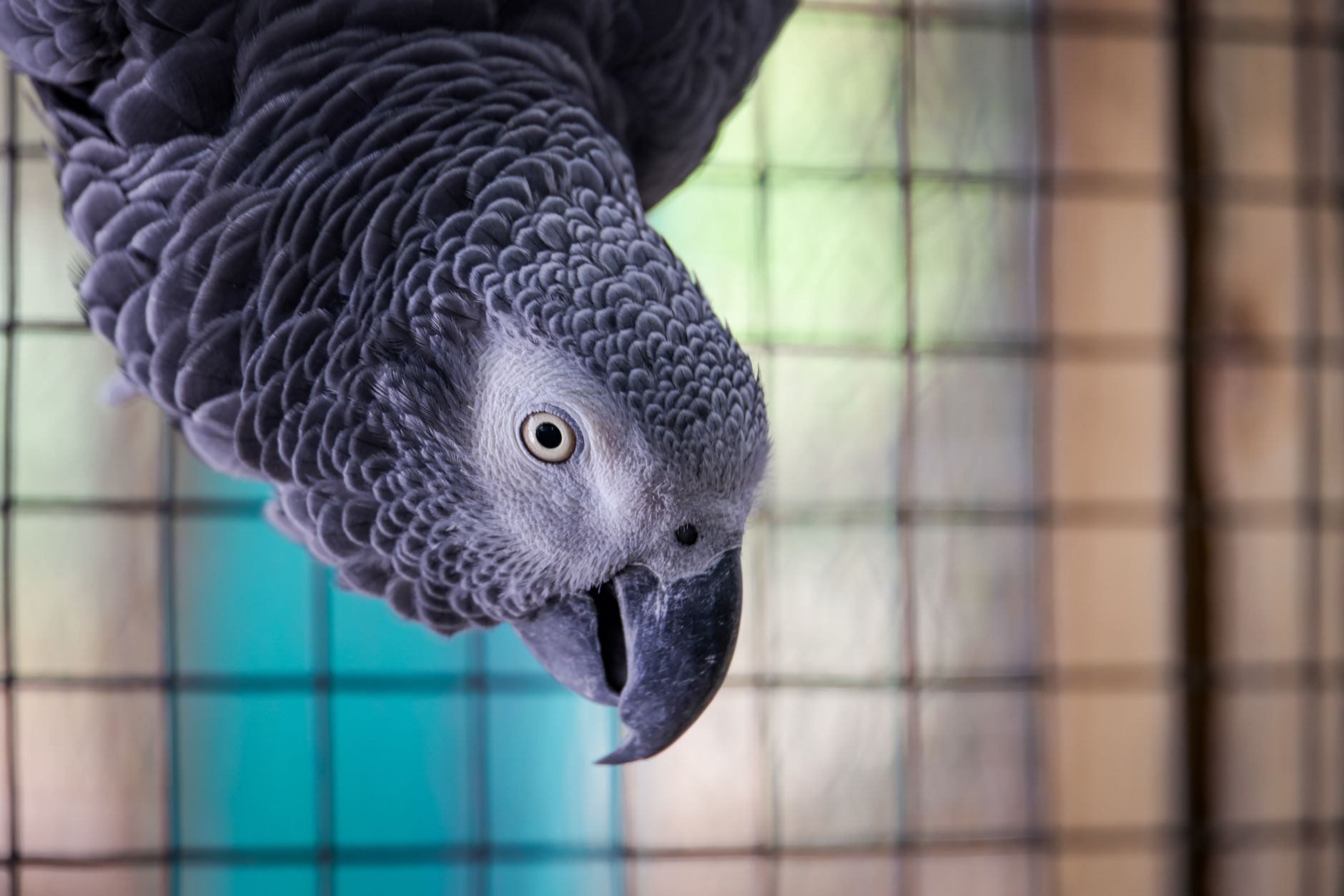
Covering a bird’s cage can provide several benefits for your feathered companion:
- Providing a Sense of Security: Many birds feel safer and more secure in a darkened, enclosed space, especially at night. The blanket acts as a visual barrier, minimizing external stimuli and promoting relaxation.
- Promoting Sleep: Similar to humans, birds require adequate sleep for optimal health and well-being. A blanket can help create a dark and quiet environment, encouraging longer and more restful sleep.
- Regulating Temperature: In colder climates, a blanket can help insulate the cage and keep your bird warm. This is particularly important for birds that are sensitive to temperature fluctuations.
- Reducing Noise Disturbances: A blanket can help dampen external noises, creating a more peaceful environment for your bird. This can be especially beneficial for birds that are easily startled or stressed.
Potential Risks and Drawbacks to Consider
While blankets offer potential benefits, it’s crucial to acknowledge the risks associated with their improper use:
- Suffocation: If the blanket is too heavy or not properly secured, it can fall into the cage and potentially suffocate your bird.
- Overheating: In warmer climates or if the blanket is too thick, it can trap heat inside the cage and cause your bird to overheat.
- Toxicity: Some blankets are made with materials that are toxic to birds if ingested. Birds are curious creatures, and they may chew on the blanket, potentially ingesting harmful chemicals.
- Restricted Airflow: A blanket that completely covers the cage can restrict airflow, leading to poor ventilation and a build-up of harmful gases.
- Encouraging Unwanted Behaviours: For some birds, a constant cover can encourage undesirable behaviours, like excessive sleeping or not wanting to come out of the cage.
Choosing the Right Blanket and Ensuring Safe Use
If you decide to cover your bird’s cage, it’s essential to choose the right blanket and implement safe practices:
- Material: Opt for a natural, breathable fabric like cotton or fleece. Avoid synthetic materials that may release toxic fumes if chewed.
- Weight: Choose a lightweight blanket that won’t restrict airflow or pose a suffocation risk.
- Size: Select a blanket that is large enough to cover most of the cage but allows for adequate ventilation.
- Security: Ensure the blanket is securely fastened to the cage to prevent it from falling inside.
- Ventilation: Leave a portion of the cage uncovered to allow for adequate airflow.
- Regular Cleaning: Wash the blanket regularly to remove dust, feathers, and other debris.
- Supervision: Monitor your bird closely for any signs of distress or discomfort after covering the cage.
Alternatives to Using a Blanket
If you’re concerned about the potential risks of using a blanket, consider these alternatives:
- Night Light: A dim night light can provide a sense of security without completely blocking out the light.
- White Noise Machine: A white noise machine can help drown out external noises and create a more peaceful environment.
- Room Darkening Curtains: Room darkening curtains can help create a dark and quiet environment without covering the cage directly.
- Strategic Cage Placement: Placing the cage in a quiet area of the house, away from drafts and direct sunlight, can help promote restful sleep.
Should I put a blanket on my birds cage? Consider these final thoughts
Ultimately, the decision of should I put a blanket on my birds cage? comes down to careful assessment and consideration. A blanket can be a valuable tool, but only when used responsibly and with the bird’s best interests at heart. Prioritize safety and carefully observe your bird’s reaction to the blanket to ensure its well-being.
Should I put a blanket on my birds cage? Frequently Asked Questions (FAQs)
What are the signs that my bird is overheating under the blanket?
If your bird is overheating, you might notice signs such as panting, holding their wings away from their body, appearing lethargic, or exhibiting ruffled feathers. Remove the blanket immediately and ensure they have access to fresh water and a cooler environment.
My bird chews on the blanket. Is this dangerous?
Yes, chewing on the blanket can be dangerous. The bird could ingest harmful fibers or chemicals. Replace the blanket with one made of a bird-safe material like cotton or fleece, and consider providing them with chew toys to redirect their attention. If you can’t stop the chewing, it might be better to not use a blanket.
How often should I wash the blanket I use on my bird’s cage?
It’s recommended to wash the blanket at least once a week to remove dust, feathers, and other debris that can accumulate. Use a bird-safe detergent and ensure the blanket is completely dry before placing it back on the cage.
Can I use any type of blanket on my bird’s cage?
No, not all blankets are suitable for use on a bird’s cage. Avoid blankets made of synthetic materials or those with loose threads or embellishments that could pose a choking hazard. Stick to natural, breathable fabrics like cotton or fleece.
What if my bird seems afraid of the blanket?
If your bird seems afraid of the blanket, introduce it gradually. Start by placing the blanket near the cage and slowly moving it closer over time. If your bird continues to show signs of fear or stress, it’s best to avoid using a blanket altogether.
My bird sleeps better with a blanket, but I’m worried about airflow. What can I do?
Ensure at least one side of the cage is left uncovered to allow for proper airflow. You can also use a thinner, more breathable blanket or adjust the amount of the cage you cover based on the temperature.
Is it necessary to cover my bird’s cage every night?
Not necessarily. If your bird is comfortable sleeping without a blanket, there is no need to force it. Some birds prefer to sleep in a well-lit environment. Observe your bird’s behavior and adjust your approach accordingly.
What is the best way to secure the blanket to the cage?
Use bird-safe clips or clothespins to secure the blanket to the cage. Avoid using pins or other sharp objects that could pose a hazard. Make sure the blanket is securely fastened to prevent it from falling inside the cage.
My bird seems to get bored when the cage is covered. What should I do?
Ensure your bird is getting enough mental stimulation during the day by providing plenty of toys, opportunities for foraging, and social interaction. A bored bird might become more active under a blanket, which could cause it to get injured. A play stand can help!
What do I do if my bird ingests part of the blanket?
If you suspect your bird has ingested part of the blanket, contact your veterinarian immediately. Depending on the material and amount ingested, it could pose a serious health risk.
Will covering the cage help stop my bird from screaming in the morning?
While covering the cage can sometimes help reduce morning vocalizations, it’s not a guaranteed solution. Addressing underlying issues such as boredom, loneliness, or lack of sleep is crucial.
Can I use a heated blanket on my bird’s cage?
No, heated blankets are not recommended for use on bird cages. The risk of overheating and electrocution is too high. Consider using a ceramic heat emitter or radiant heat panel specifically designed for birds if you need to provide additional warmth.