

Is it Yowl or Caterwaul? Deciphering the Feline Vocal Symphony
Distinguishing between a yowl and a caterwaul in feline vocalizations can be tricky, but understanding the nuances helps decipher your cat’s communication; a yowl is generally a drawn-out, mournful sound, while a caterwaul is often a louder, more urgent, and sometimes aggressive vocalization, typically associated with mating behavior or territorial disputes.
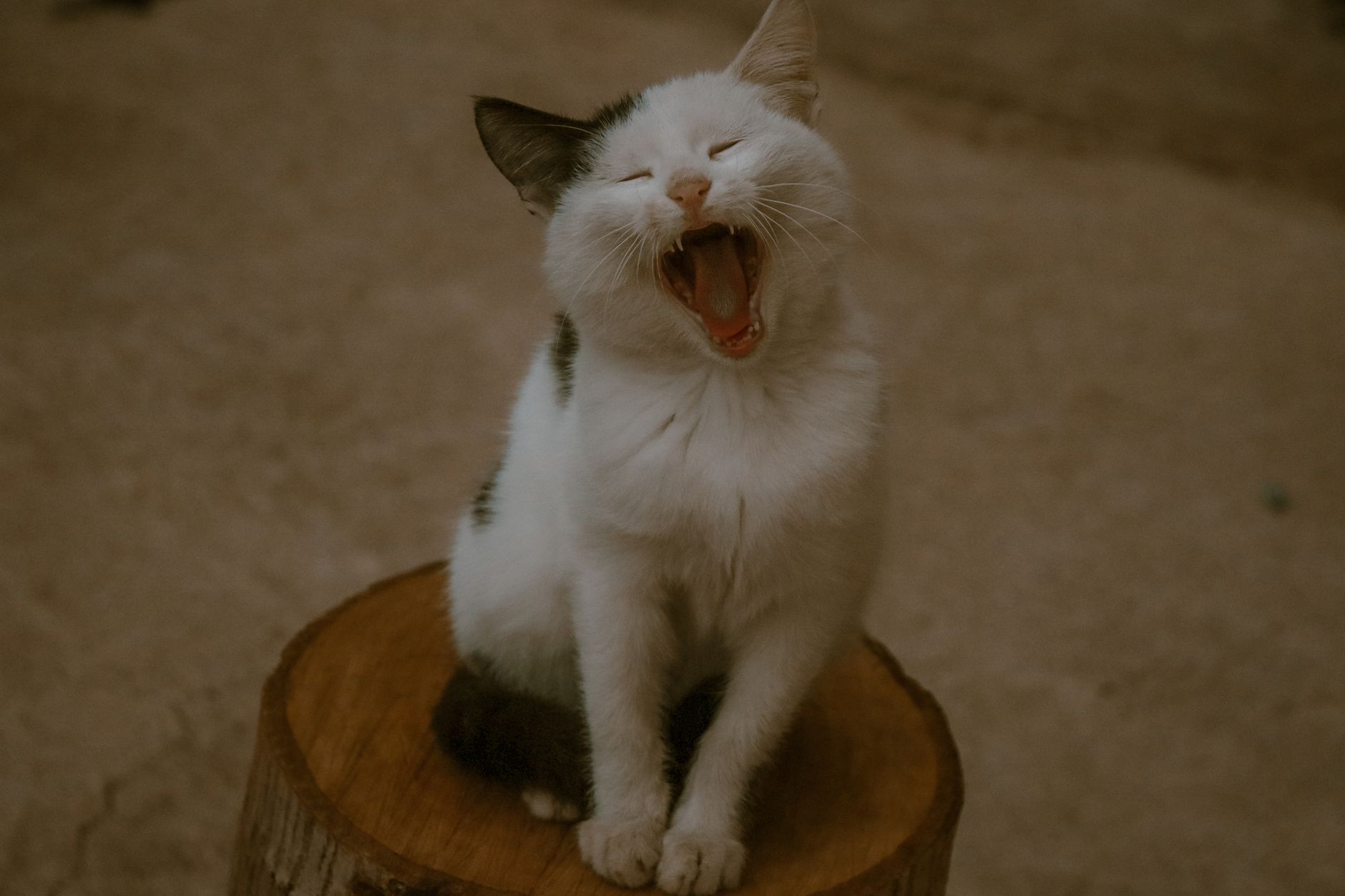
Decoding Feline Vocalizations: Beyond “Meow”
Cats communicate in a variety of ways, from subtle body language cues to a diverse range of vocalizations. While the “meow” is perhaps the most recognizable sound, understanding the more complex sounds like yowls and caterwauls is crucial for attentive cat owners.

What colours are fish most attracted to?
Can you put your finger in a trout's mouth?
Is methylene blue anti bacterial?
Does aquarium salt raise pH in aquarium?
What Exactly Is A Yowl?

A yowl is a long, drawn-out vocalization, often described as mournful or complaining. It tends to be lower in pitch than a meow and can vary in volume.
- Characteristics of a Yowl:
- Lower pitch
- Prolonged duration
- Often sounds mournful or sad
- Can indicate a variety of needs or ailments
Understanding the Caterwaul
A caterwaul, on the other hand, is generally louder, more intense, and more urgent than a yowl. It’s often described as a wailing or howling sound, and is frequently associated with specific behaviors.
- Characteristics of a Caterwaul:
- Higher intensity and volume
- Urgent and insistent tone
- Often linked to mating or territoriality
- May sound aggressive or distressed
Is it Yowl or Caterwaul? Context is Key!
Distinguishing between a yowl and a caterwaul often comes down to context. Observing the cat’s behavior alongside the vocalization is crucial for accurate interpretation.
- Consider these factors:
- Time of Day: Is it nighttime, when cats are more active?
- Other Cats Present: Are there other cats nearby, suggesting a territorial dispute?
- Physical Symptoms: Is the cat showing signs of pain or discomfort?
- Age and Sex: Is the cat an unspayed or unneutered adult?
Common Scenarios: Yowling vs. Caterwauling
Here are some common scenarios where yowling and caterwauling might occur:
| Scenario | Vocalization Likely | Possible Causes |
|---|---|---|
| Nighttime roaming | Caterwauling | Territorial disputes, mating calls (if unspayed/unneutered) |
| Senior cat alone | Yowling | Cognitive dysfunction (feline dementia), loneliness, disorientation |
| Cat stuck in closet | Yowling | Distress, fear, need for assistance |
| Unspayed female in heat | Caterwauling | Calling for a mate |
| Cat at window | Could be both | Depends on situation; yearning to go outside (yowl); reaction to another cat outside (caterwaul) |
| Pain/discomfort | Yowling | Indication of illness or injury |
Medical Reasons for Excessive Yowling
While behavior is often the culprit, persistent yowling can also indicate underlying medical issues. It’s important to consult a veterinarian if the yowling is sudden, excessive, or accompanied by other symptoms.
- Potential Medical Causes:
- Hyperthyroidism
- Kidney disease
- Cognitive dysfunction (feline dementia)
- Arthritis or other painful conditions
- High blood pressure
Addressing Excessive Vocalizations
Once you’ve determined if it’s a yowl or a caterwaul, and ruled out any medical causes, you can begin to address the behavior.
- Strategies for Reducing Vocalizations:
- Provide enrichment: Toys, scratching posts, and climbing structures can help keep your cat mentally and physically stimulated.
- Ensure adequate attention: Dedicate time each day to play with and interact with your cat.
- Address underlying anxieties: Identify and minimize stressors in your cat’s environment.
- Consider pheromone diffusers: Feliway diffusers can help create a calming environment.
- Consult a veterinary behaviorist: For persistent or severe cases, a veterinary behaviorist can provide tailored advice and treatment plans.
- Spay or neuter your cat: This will significantly reduce caterwauling associated with mating behavior.
Is there a specific age range when cats are more prone to yowling?
Senior cats are more prone to yowling due to age-related conditions like cognitive dysfunction (feline dementia) or increased sensitivity to pain. However, cats of any age can yowl due to various reasons. Early detection and proper care are paramount to ensuring your cat’s overall health.
How can I tell if my cat’s yowling is due to pain?
If your cat’s yowling is accompanied by other signs of pain, such as limping, reluctance to move, loss of appetite, or changes in litter box habits, it’s highly likely due to pain. A vet visit is necessary to diagnose and treat the underlying issue.
What is the difference between a yowl and a meow?
A meow is a general greeting or request, usually shorter and higher-pitched than a yowl. Yowls are longer, more drawn-out, and often indicate distress, neediness, or confusion.
Does spaying or neutering stop cats from caterwauling?
Spaying or neutering significantly reduces or eliminates caterwauling related to mating behavior. This is because these procedures remove the hormonal drive associated with seeking a mate. However, it won’t eliminate caterwauling due to territorial disputes or other stressors.
Can environmental changes cause increased yowling?
Yes, environmental changes like moving to a new home, introducing a new pet, or even rearranging furniture can cause stress and anxiety, leading to increased yowling. Providing a safe and stable environment is crucial.
What are some common causes of nighttime yowling?
Nighttime yowling can be due to several factors, including feline cognitive dysfunction, boredom, hunger, or wanting attention. If unspayed/unneutered, mating-related caterwauling is also a common cause at night.
How can I help a cat with cognitive dysfunction who yowls frequently?
For cats with cognitive dysfunction, creating a predictable routine, providing mental stimulation, and consulting with your veterinarian about potential medications or supplements can help reduce yowling. Regular veterinary check-ups are essential for managing the condition.
Are there specific cat breeds that are more prone to yowling?
Some breeds, such as Siamese and Oriental breeds, are known to be more vocal than others. However, yowling and caterwauling are behavioral issues, and breed is not necessarily a predictor.
Can ignoring my cat’s yowling make it stop?
In some cases, ignoring yowling can be effective, especially if it’s attention-seeking behavior. However, it’s important to first rule out any medical or behavioral issues that might be causing the yowling. If the yowling continues, assess whether your cat’s basic needs are being met (food, water, litterbox, etc.).
What role do pheromone diffusers play in reducing cat vocalizations?
Pheromone diffusers release synthetic feline pheromones that can help create a sense of calm and security, reducing anxiety-related vocalizations like yowling. They are particularly helpful in multi-cat households or during times of stress.
When should I consult a veterinary behaviorist about my cat’s vocalizations?
If you’ve ruled out medical causes and tried various behavioral interventions without success, consulting a veterinary behaviorist is recommended. They can provide a more in-depth assessment and develop a tailored treatment plan for your cat.
How long does it usually take to see a reduction in yowling after implementing changes?
It can take several weeks or even months to see a significant reduction in yowling after implementing changes. Consistency and patience are key, and it’s important to monitor your cat’s progress and adjust your approach as needed.