
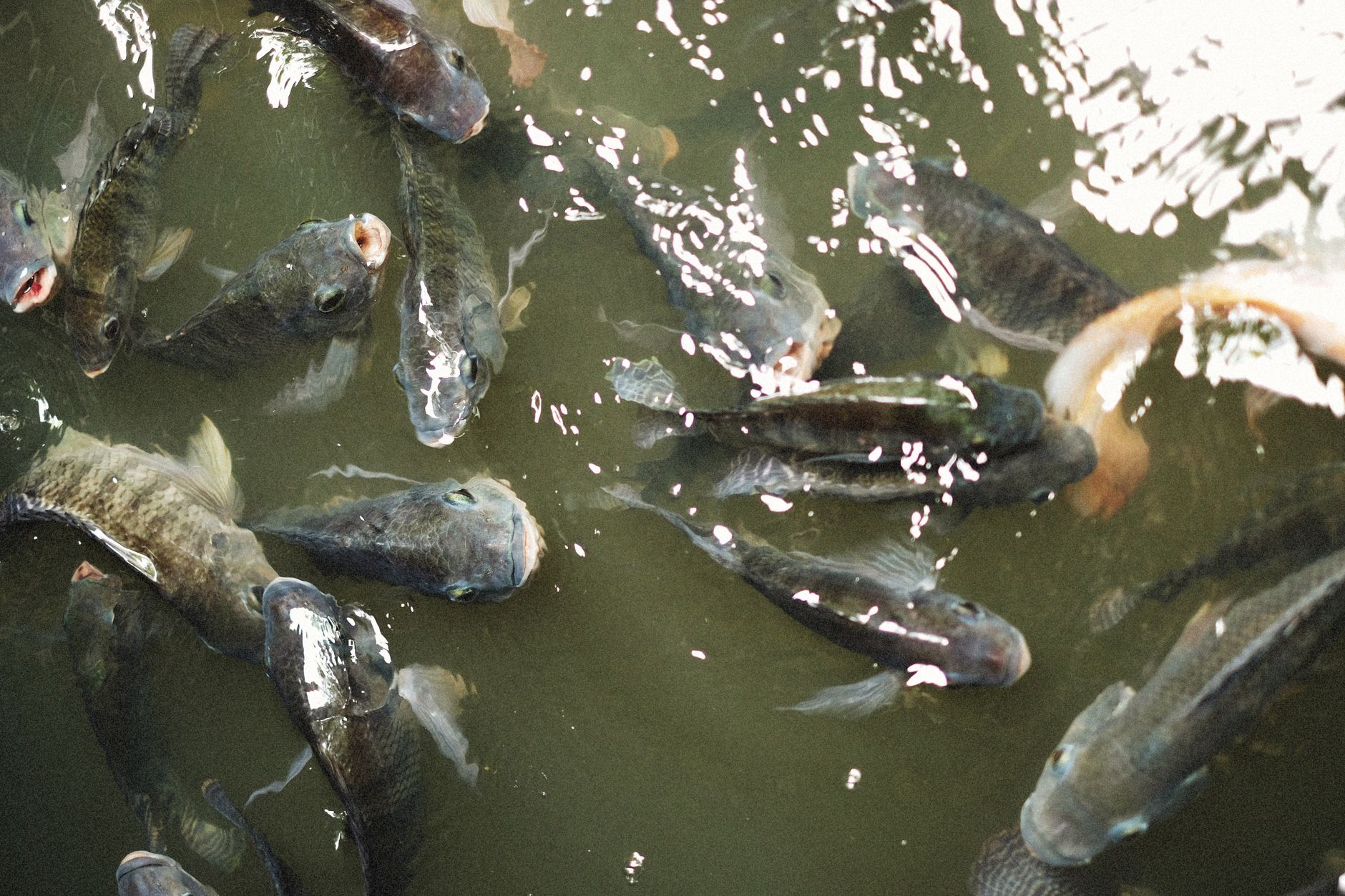
Is Tilapia a Pond Fish? Exploring Tilapia’s Natural and Farmed Habitats
Tilapia is a versatile and widely farmed fish that can indeed thrive in ponds, but its habitat extends beyond just these enclosed water bodies. The answer to “Is tilapia a pond fish?” is thus a qualified yes, as they are often raised in ponds but also inhabit rivers, lakes, and aquaculture systems worldwide.

A Brief History of Tilapia
Tilapia are a group of cichlid fish native to Africa and the Middle East. They have been cultivated for centuries, with evidence suggesting farming practices dating back to ancient Egypt. Their hardiness, rapid growth rate, and ability to thrive in diverse environments have made them a popular choice for aquaculture globally. This popularity answers why the question “Is tilapia a pond fish?” is so common, as pond farming is a widespread aquaculture technique.

Are fish heads good for the garden?
Can fish hear water?
What is cotton rot in fish?
What colours are fish most attracted to?
Tilapia in Natural Environments

While commonly associated with pond aquaculture, wild tilapia inhabit a variety of freshwater habitats:
- Rivers: Many tilapia species are found in flowing river systems.
- Lakes: Large lakes are another common habitat for tilapia.
- Estuaries: Some species can even tolerate brackish water in estuaries.
These natural environments provide tilapia with a diverse diet and ample space to reproduce. However, tilapia’s adaptability has also made it an invasive species in some regions where it has been introduced outside of its native range.
Tilapia Farming in Ponds: A Detailed Look
The most common answer to “Is tilapia a pond fish?” comes from its intensive aquaculture in pond systems. Here’s why ponds are a suitable environment for tilapia farming:
- Ease of Construction and Management: Ponds are relatively easy to construct and manage, making them an accessible option for small-scale farmers.
- Natural Food Availability: Ponds can support the growth of natural food sources such as algae and plankton, which tilapia can consume.
- Temperature Control: Pond depth can help regulate water temperature, providing a stable environment for tilapia growth.
Here’s a table summarizing key aspects of pond aquaculture for tilapia:
| Aspect | Description |
|---|---|
| Pond Size | Varies depending on scale, but typically ranges from small backyard ponds to large commercial operations. |
| Stocking Density | Controlled to optimize growth and prevent overcrowding. |
| Feeding | Supplemented with formulated feeds to ensure rapid growth and optimal yield. |
| Water Quality | Monitored and managed to maintain optimal conditions for tilapia health. |
Advantages of Tilapia Aquaculture
Tilapia aquaculture offers numerous advantages, contributing to its global popularity:
- Fast Growth Rate: Tilapia grow quickly, reaching market size in a relatively short period.
- High Feed Conversion Ratio: They efficiently convert feed into biomass, reducing production costs.
- Disease Resistance: Tilapia are relatively resistant to diseases, minimizing the need for antibiotics.
- Adaptability: As we’ve explored in “Is tilapia a pond fish?” discussion, tilapia tolerate a wide range of environmental conditions.
Potential Challenges in Tilapia Aquaculture
While tilapia aquaculture is generally successful, it is important to acknowledge potential challenges:
- Water Quality Management: Maintaining optimal water quality is crucial for tilapia health and growth.
- Disease Outbreaks: Although generally resistant, tilapia can be susceptible to certain diseases.
- Temperature Sensitivity: Tilapia are sensitive to extreme temperatures, requiring temperature management in certain climates.
- Escape and Invasive Potential: Escape of farmed tilapia into natural environments can pose a risk to native ecosystems.
Other Aquaculture Systems for Tilapia
While ponds are a common environment, the question “Is tilapia a pond fish?” doesn’t completely define tilapia aquaculture. Other systems include:
- Raceways: Long, narrow channels with flowing water.
- Recirculating Aquaculture Systems (RAS): Closed-loop systems that filter and recycle water.
- Cage Culture: Tilapia raised in cages suspended in larger bodies of water.
Each system offers different advantages and disadvantages in terms of cost, efficiency, and environmental impact.
Frequently Asked Questions About Tilapia
Are tilapia a good source of protein?
Yes, tilapia is an excellent source of lean protein. It provides all the essential amino acids needed for human health and is relatively low in fat and calories.
What do tilapia eat in the wild?
Wild tilapia are omnivorous, consuming a variety of foods including algae, plankton, aquatic plants, and small invertebrates. Their diet can vary depending on the species and the availability of food in their habitat.
How long does it take for tilapia to grow to market size?
In well-managed aquaculture systems, tilapia can reach market size (approximately 1 pound) in 6-8 months. This rapid growth rate is one of the key advantages of tilapia farming.
Are there any environmental concerns associated with tilapia farming?
Yes, improperly managed tilapia farms can contribute to water pollution and the spread of invasive species. Sustainable aquaculture practices are essential to minimize these environmental impacts.
Is tilapia safe to eat?
Yes, tilapia is generally safe to eat when sourced from reputable farms that adhere to strict quality control standards. Concerns about contaminants are often linked to poorly regulated aquaculture practices.
What is the best way to cook tilapia?
Tilapia is a versatile fish that can be cooked in a variety of ways, including baking, grilling, frying, and steaming. Its mild flavor makes it a good choice for pairing with a wide range of seasonings and sauces.
Do tilapia have bones?
Like most fish, tilapia have bones. However, they have relatively few small bones, making them easy to fillet and prepare.
What is the difference between Nile tilapia and blue tilapia?
Nile tilapia and blue tilapia are two common species of tilapia used in aquaculture. Nile tilapia are known for their rapid growth rate, while blue tilapia are more tolerant of colder temperatures.
Can tilapia be raised in backyard ponds?
Yes, tilapia can be raised in backyard ponds, provided that the pond is properly managed and meets the basic requirements for tilapia survival and growth. This can be a sustainable source of food for home consumption.
Are tilapia farmed in the United States?
Yes, there is tilapia farming in the United States, although production is significantly smaller compared to countries in Asia and Latin America.
How do tilapia reproduce?
Tilapia are prolific breeders. They are mouthbrooders, meaning that the female incubates the eggs in her mouth until they hatch.
Is wild-caught tilapia readily available?
While the question “Is tilapia a pond fish?” mainly pertains to farming, it’s worth noting that wild-caught tilapia is not as readily available as farmed tilapia in most markets. The majority of tilapia consumed globally comes from aquaculture operations.