

Why Can’t I Stop Crying When My Rabbit Dies? Understanding Grief and Pet Loss
The intense grief experienced after the loss of a rabbit is entirely valid; it stems from the deep emotional bond formed with these intelligent and affectionate creatures, making it understandable why you can’t stop crying when your rabbit dies.
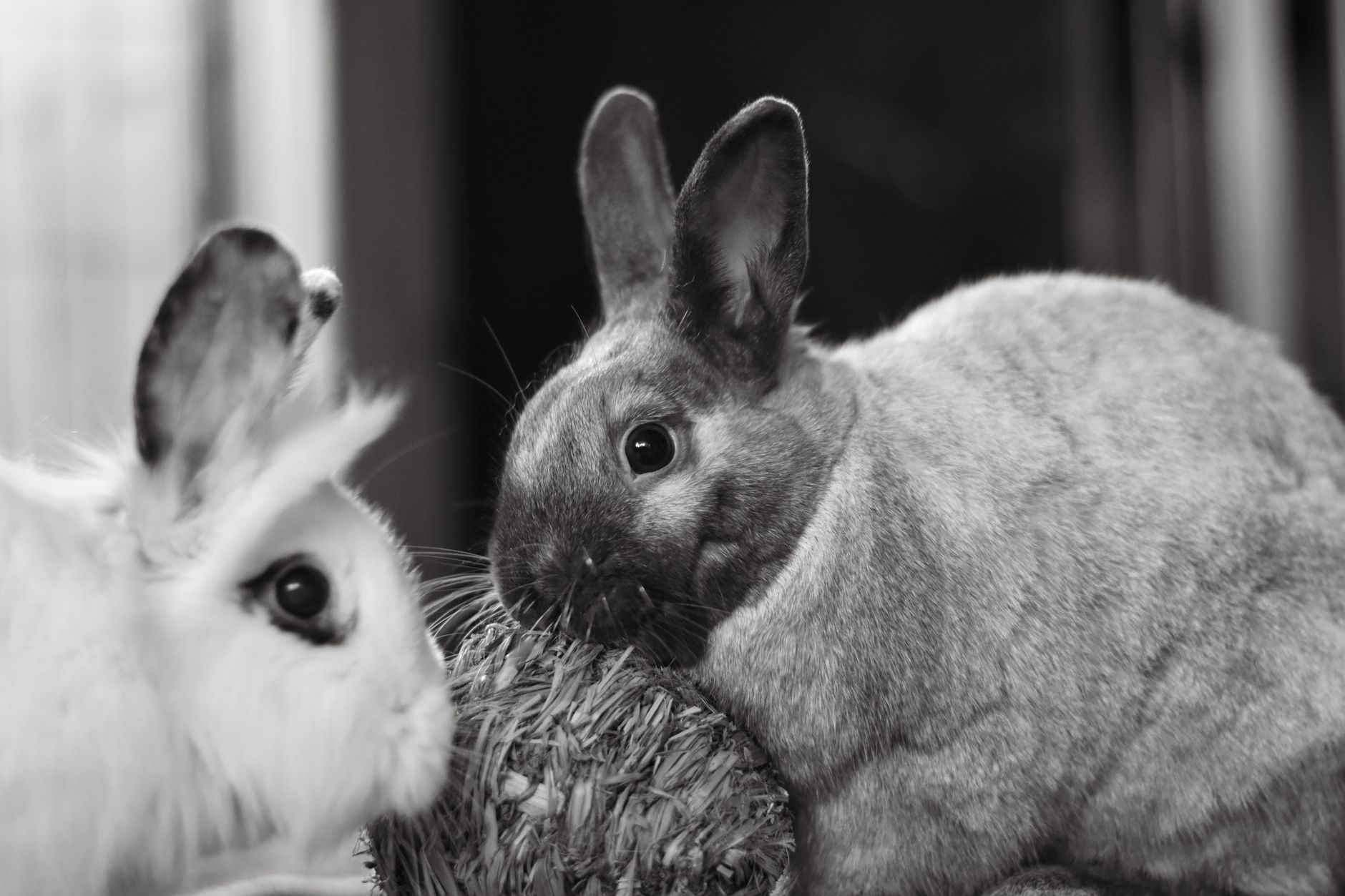
The death of a beloved pet, even a small one like a rabbit, can trigger profound grief. It’s a natural and human response to the loss of a companion who brought joy, comfort, and unconditional love. Understanding the factors contributing to this emotional pain can help you navigate the grieving process.
Understanding the Human-Animal Bond
The strength of the bond between humans and animals has been well-documented. Pets, including rabbits, offer more than just companionship; they often become integral members of the family.
- Companionship: Rabbits provide constant company, alleviating feelings of loneliness and isolation.
- Emotional Support: They offer unconditional love and acceptance, acting as a source of comfort during times of stress or difficulty.
- Routine and Responsibility: Caring for a rabbit establishes a routine and provides a sense of purpose.
The Disenfranchised Grief of Pet Loss
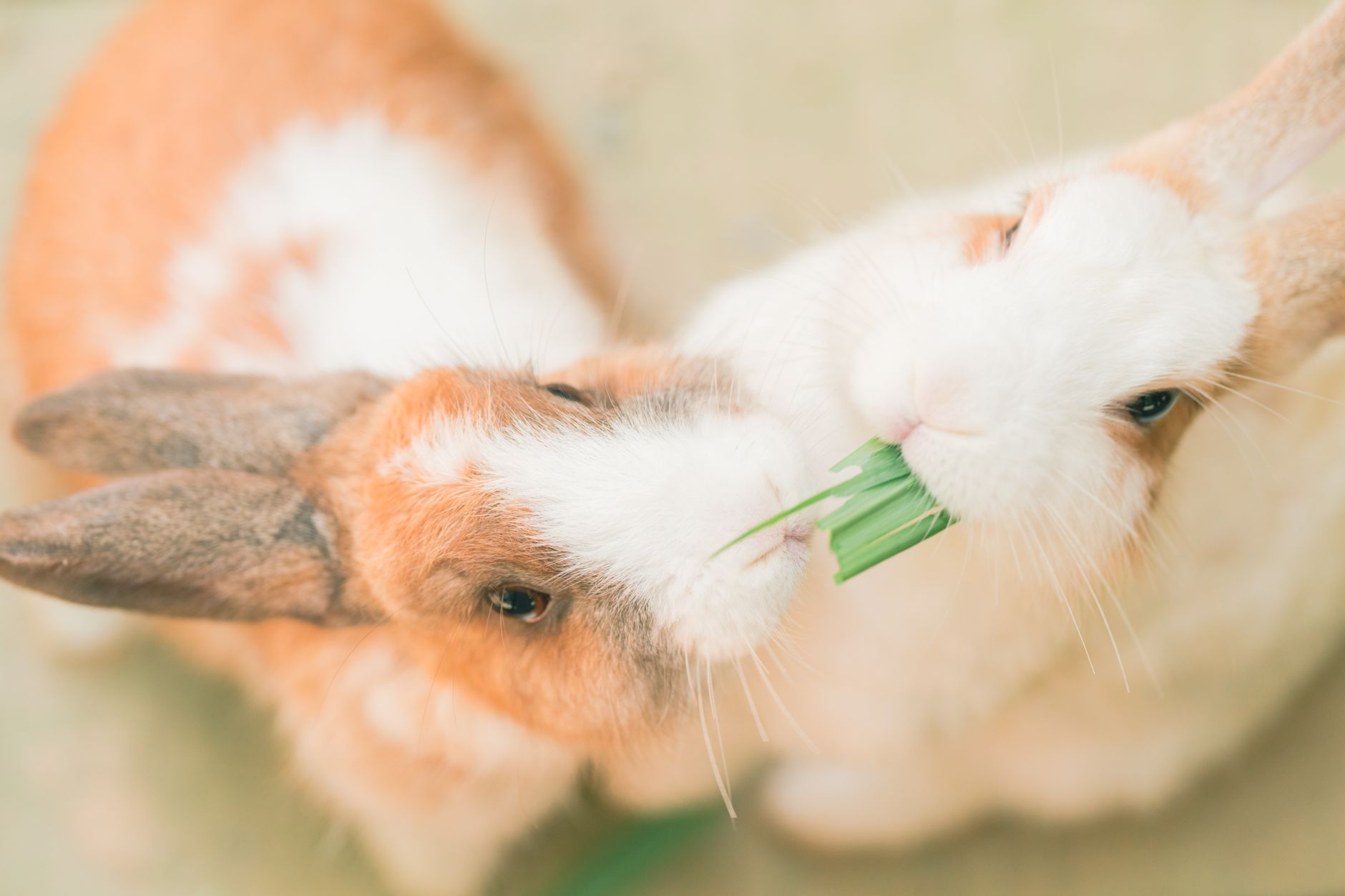
Society often minimizes the grief associated with the loss of a pet, leading to what is known as disenfranchised grief. This means the grief is not openly acknowledged, socially supported, or publicly mourned. You might feel pressure to “get over it” quickly, invalidating your feelings. This is one of the reasons why you can’t stop crying when your rabbit dies; you’re dealing with both the personal loss and the lack of social support.
The Unique Qualities of Rabbit Companionship
Rabbits, despite their quiet nature, are intelligent and affectionate creatures. Their unique personalities and behaviors contribute to the deep bonds we form with them.
- Intelligence: Rabbits can be trained and often display surprisingly complex behaviors.
- Affection: Many rabbits enjoy being petted and will actively seek out attention from their owners.
- Individuality: Each rabbit has a unique personality, quirks, and habits that contribute to their individual appeal. The loss of these unique characteristics contributes to the depth of grief when they pass.
Factors Influencing the Intensity of Grief
The intensity of grief can vary greatly from person to person, influenced by several factors:
- The Strength of the Bond: The closer you were to your rabbit, the more intense your grief is likely to be.
- Circumstances of Death: A sudden or traumatic death can be particularly difficult to process.
- Personal History of Loss: Previous experiences with grief can affect how you cope with the loss of a pet.
- Social Support: Having a supportive network of friends and family can help you navigate the grieving process. If you are grieving in isolation, why you can’t stop crying when your rabbit dies may be tied to lack of support.
- Age and Life Stage: Children and older adults may experience grief differently, depending on their developmental stage and life circumstances.
Coping Strategies for Grief After Rabbit Loss
While there is no right or wrong way to grieve, here are some strategies that can help you cope with the loss of your rabbit:
- Acknowledge Your Feelings: Allow yourself to feel the emotions that arise, whether sadness, anger, guilt, or confusion.
- Seek Support: Talk to friends, family, or a therapist about your feelings.
- Memorialize Your Rabbit: Create a memorial, such as planting a tree, creating a scrapbook, or writing a poem.
- Establish a New Routine: Adjust your daily routine to accommodate the absence of your rabbit.
- Practice Self-Care: Engage in activities that promote your physical and emotional well-being, such as exercise, healthy eating, and relaxation techniques.
| Coping Strategy | Description |
|---|---|
| Acknowledge Your Feelings | Allow yourself to feel all the emotions that arise during the grieving process. |
| Seek Support | Talk to friends, family, or a therapist about your feelings. |
| Memorialize Your Rabbit | Create a lasting tribute to honor your rabbit’s memory. |
| Establish a New Routine | Adjust your daily schedule to fill the void left by your rabbit’s absence. |
| Practice Self-Care | Prioritize your physical and emotional well-being. |
The Importance of Professional Help
If your grief is overwhelming or interfering with your daily life, it may be helpful to seek professional support from a therapist or grief counselor. They can provide guidance and support as you navigate the grieving process and help you develop healthy coping mechanisms. Feeling overwhelmed may be a sign of complicated grief and a reason why you can’t stop crying when your rabbit dies.

Frequently Asked Questions
Is it normal to feel this sad after losing a rabbit?
Yes, it is absolutely normal to feel sad, even devastated, after losing a rabbit. The depth of your sadness reflects the significance of the bond you shared. Don’t let anyone minimize your feelings or tell you it’s “just a rabbit.” Your grief is valid.
How long should I grieve for my rabbit?
There is no set timeline for grieving. Everyone grieves differently, and the duration of grief varies. It’s important to allow yourself the time you need to heal, without feeling pressured to “get over it” quickly. If grief persists for an extended period and interferes with daily life, seeking professional help is advisable.
Is it okay to cry?
Absolutely. Crying is a natural and healthy expression of grief. It’s a way to release pent-up emotions and can be cathartic. Suppressing your tears can prolong the grieving process.
Why do I feel guilty after my rabbit died?
Guilt is a common emotion experienced during grief. You may feel guilty about things you did or didn’t do for your rabbit. It’s important to remember that you likely did the best you could with the knowledge and resources you had at the time. Try to forgive yourself and focus on the love and care you provided.
How do I explain the death of my rabbit to my children?
Explain the death in simple, age-appropriate terms. Be honest but gentle. Allow them to express their feelings and answer their questions. Avoid using euphemisms like “passed away,” which can be confusing for young children.
Should I get another rabbit right away?
This is a personal decision. Some people find that getting another rabbit helps them cope with their grief, while others need more time before they are ready for a new companion. Don’t feel pressured to get another rabbit before you are emotionally ready.
What can I do to memorialize my rabbit?
There are many ways to memorialize your rabbit, such as:
- Creating a scrapbook or photo album.
- Planting a tree or flower in their memory.
- Writing a poem or story about your rabbit.
- Making a donation to an animal shelter in their name.
- Having a cremation and keeping the ashes in a decorative urn.
Choosing a way to honor your rabbit’s memory can be a comforting step in the grieving process.
Is it strange that I feel more grief over my rabbit than over some people in my life?
No, it’s not strange. The bond you had with your rabbit was unique and special. It’s possible to feel more grief over a pet than over some people, depending on the nature of your relationships. Don’t judge your feelings or compare them to others.
How can I cope with seeing reminders of my rabbit around the house?
Seeing reminders of your rabbit can be painful, but it’s also a reminder of the love and joy they brought to your life. Consider gradually removing some of the reminders, but keep some special items that bring you comfort.
Can I talk to a therapist about the loss of my rabbit?
Yes, absolutely. A therapist can provide a safe and supportive space for you to process your grief and develop healthy coping mechanisms. Many therapists specialize in pet loss and can offer valuable guidance. Don’t hesitate to seek professional help if you need it.
Why is it so hard to find support for pet loss?
As previously discussed, the grief associated with pet loss is often disenfranchised by society. This means it is not always recognized or validated as a legitimate form of grief. However, there are growing resources available for pet owners who are grieving, including online support groups and pet loss hotlines.
Will I ever stop crying when my rabbit dies?
While the intensity of your grief will likely lessen over time, you may always experience some sadness when you think about your rabbit. The goal is not to stop crying altogether, but to learn to cope with your grief in a healthy way and cherish the memories you shared. It is part of the healing process to feel the sadness and remember the joy. If you are having trouble processing the loss or if the sadness and why you can’t stop crying when your rabbit dies lingers, then professional help is always recommended.