
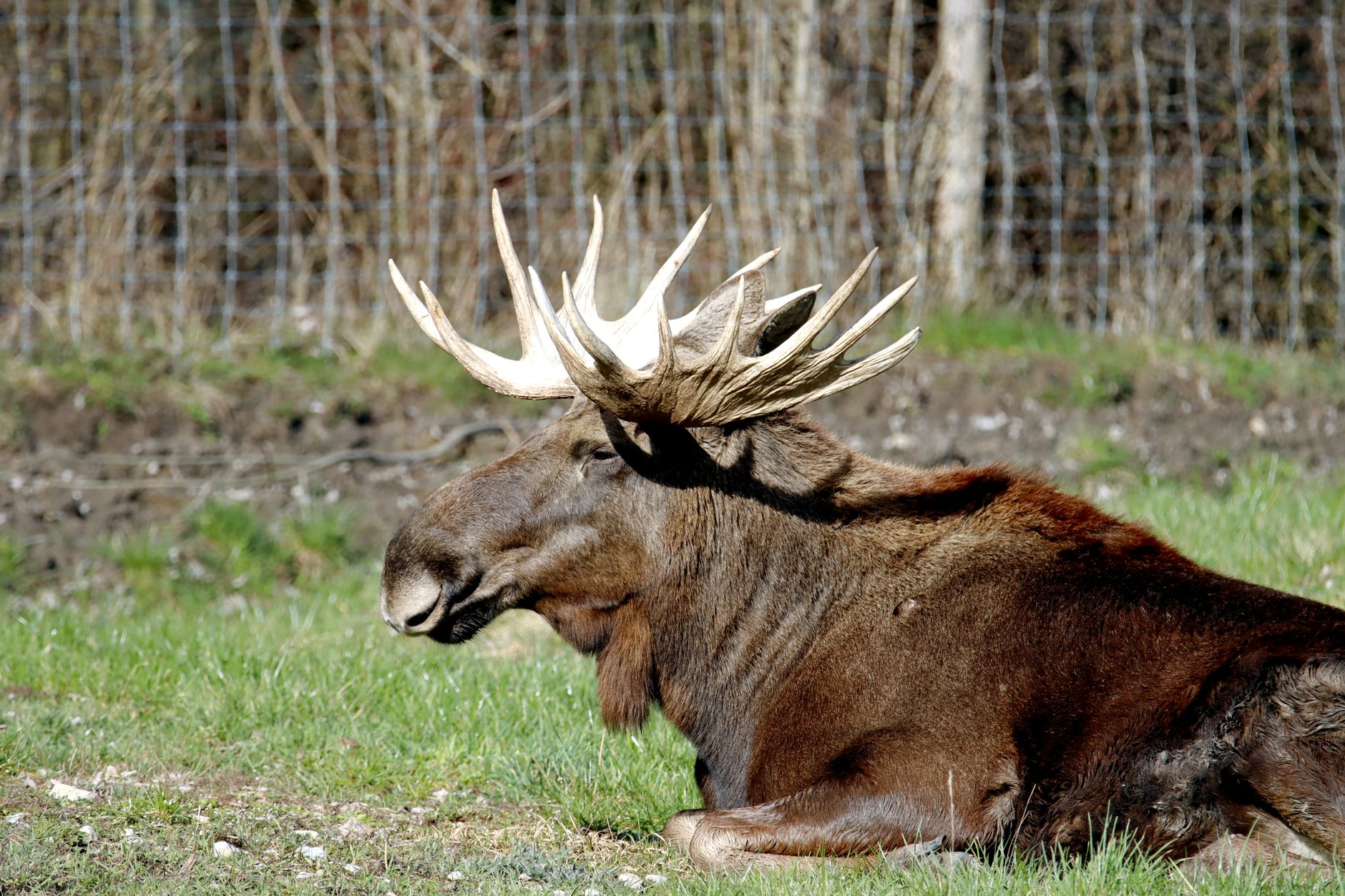
Is There Moose in Colorado? The Remarkable Comeback Story
Yes, there are moose in Colorado. After being absent for over a century, moose were reintroduced and have successfully established a thriving population, making Colorado a moose-watching destination.

The Unexpected Absence and Planned Reintroduction
The history of moose in Colorado is surprisingly recent. While they historically inhabited the northern reaches of the state, overhunting and habitat loss led to their disappearance by the early 20th century. Is there moose in Colorado? The answer was a firm “no” for several decades.
However, the Colorado Division of Wildlife (now Colorado Parks and Wildlife – CPW) recognized the ecological value and tourism potential of moose. A reintroduction program was initiated in 1978, bringing moose from Wyoming and Utah to North Park, near Walden. This marked the beginning of a successful effort to re-establish the species. Additional reintroductions followed in other areas of the state, including the Laramie River Valley and the Grand Mesa.

What colours are fish most attracted to?
Can you put your finger in a trout's mouth?
Is methylene blue anti bacterial?
Does aquarium salt raise pH in aquarium?
The Success of the Reintroduction Program

The moose reintroduction program in Colorado is considered a significant conservation success story. Several factors contributed to its triumph:
- Careful Site Selection: Release sites were chosen based on the availability of suitable habitat, including willow thickets for foraging and riparian areas for calving.
- Source Population Health: Moose were sourced from healthy populations in Wyoming and Utah, ensuring genetic diversity and disease resistance.
- Adaptive Management: CPW closely monitored the moose populations and adapted management strategies as needed to address challenges like predation and habitat changes.
- Public Education: Informing the public about moose behavior and safety helped minimize conflicts and ensure the long-term success of the program.
Today, Colorado boasts a healthy and growing moose population, estimated to be over 3,000 individuals. This represents a remarkable comeback for a species that was once absent from the state.
Understanding Moose Habitat in Colorado
Moose are primarily found in areas with abundant willow and other riparian vegetation. These areas provide critical food sources and cover. Key moose habitats in Colorado include:
- North Park: The site of the initial reintroduction, North Park remains a prime moose viewing location.
- Laramie River Valley: This area supports a large and thriving moose population.
- Grand Mesa: Known for its vast aspen forests and numerous lakes and streams, the Grand Mesa is an ideal moose habitat.
- Rocky Mountain National Park: While moose are present in the park, viewing opportunities can be less predictable due to the large area and diverse terrain.
These areas share characteristics that support moose survival and reproduction, including abundant food, water, and shelter. Understanding these habitat requirements is crucial for managing and conserving moose populations.
Safety Considerations When Viewing Moose
While moose are majestic animals, it’s crucial to remember that they are also wild and can be dangerous, especially during mating season (rut) in the fall and calving season in the spring. When viewing moose, it is essential to maintain a safe distance and follow these guidelines:
- Stay at least 25 yards (75 feet) away from moose.
- Never approach a moose, especially if it has calves.
- Keep dogs leashed and under control. Dogs can provoke aggressive behavior in moose.
- Be aware of your surroundings. Moose can be difficult to see in dense vegetation.
- If a moose displays aggressive behavior (e.g., stomping its feet, lowering its head, charging), back away slowly and try to put a large object between you and the animal.
Respecting moose and their habitat is essential for ensuring both human safety and the continued success of the moose population in Colorado.
Economic Benefits of Moose in Colorado
The presence of moose in Colorado contributes to the state’s economy through tourism and recreation. Wildlife viewing is a popular activity, and moose are a major draw for visitors.
- Increased Tourism Revenue: Moose-watching opportunities attract tourists to rural areas, boosting local economies.
- Hunting Opportunities: Regulated moose hunting generates revenue through license sales and associated expenses.
- Economic Impact of Wildlife Viewing: Wildlife viewing, including moose watching, contributes significantly to Colorado’s economy.
However, it is also important to manage moose populations to mitigate potential negative impacts on agriculture and infrastructure.
Future of Moose in Colorado
The future of moose in Colorado looks promising, but ongoing management and conservation efforts are essential to ensure their long-term survival. Challenges include:
- Climate Change: Changing climate patterns could alter moose habitat and food availability.
- Habitat Loss: Development and other human activities can lead to habitat loss and fragmentation.
- Predation: Moose are preyed upon by wolves, coyotes, and bears.
- Disease: Diseases like chronic wasting disease (CWD) pose a threat to moose populations.
By addressing these challenges through careful management and conservation strategies, Colorado can continue to support a healthy and thriving moose population for generations to come. Is there moose in Colorado? Yes, and hopefully they will continue to thrive.
Moose vs. Elk: Key Differences
While both moose and elk are large members of the deer family found in Colorado, they have distinct characteristics:
| Feature | Moose | Elk |
|---|---|---|
| Size | Larger, heaviest member of deer family | Smaller than moose |
| Antlers | Palmate (broad, flat antlers in males) | Branching antlers in males |
| Color | Dark brown to black | Light brown with a dark brown neck |
| Face | Long, drooping nose | Shorter, more deer-like face |
| Habitat | Primarily riparian areas and willow thickets | Forests, meadows, and foothills |
| Vocalization | Less vocal, grunts and bellows | Bugling (distinct mating call) |
Understanding these differences can help you identify moose and elk in the field.
Frequently Asked Questions (FAQs)
How many moose are there in Colorado?
The most recent estimates suggest there are over 3,000 moose in Colorado. This number fluctuates slightly depending on factors such as birth rates, mortality rates, and migration patterns, but generally, the population is considered stable and healthy. Colorado Parks and Wildlife (CPW) actively monitors these populations.
When is the best time to see moose in Colorado?
The best times to see moose in Colorado are typically during dawn and dusk, as they are most active during these periods. Spring and fall are particularly good times, as moose tend to be more visible during calving (spring) and the rut (fall). Avoid approaching them during these times to ensure safety.
What do moose eat?
Moose are herbivores and primarily feed on willow, aspen, birch, and other woody plants. They also consume aquatic vegetation in the summer. Their diet changes seasonally depending on the availability of different food sources.
Are moose native to Colorado?
While moose historically inhabited parts of Colorado, they disappeared due to overhunting and habitat loss. The current population is the result of a successful reintroduction program that began in the late 1970s. They are considered a reintroduced, not native, species.
Can I hunt moose in Colorado?
Yes, moose hunting is permitted in Colorado through a limited license draw system managed by CPW. The number of licenses issued is carefully controlled to ensure the sustainability of the moose population. Obtaining a license can be challenging due to high demand.
What should I do if I encounter a moose while hiking?
If you encounter a moose while hiking, maintain a safe distance (at least 25 yards). Avoid making sudden movements and speak in a calm voice. If the moose displays aggressive behavior, back away slowly and try to put a large object between you and the animal. Never approach a moose, especially if it has calves.
Are moose dangerous?
Moose can be dangerous, especially if they feel threatened or if you get too close. They are large and powerful animals and can charge or attack if they perceive a threat. Always maintain a safe distance and respect their space.
What is the lifespan of a moose?
The average lifespan of a moose in the wild is typically 8-12 years. However, some moose can live longer, up to 15-20 years, under favorable conditions. Factors affecting lifespan include predation, disease, and habitat quality.
How big do moose get?
Moose are the largest members of the deer family. Adult males can stand up to 7 feet tall at the shoulder and weigh between 1,200 and 1,600 pounds. Females are typically smaller, weighing between 800 and 1,300 pounds.
What is the difference between a moose and an elk?
Moose and elk are both large ungulates, but they have distinct differences. Moose are larger, darker in color, and have palmate antlers (in males). Elk are smaller, lighter in color, and have branching antlers (in males). Their habitats also differ, with moose preferring riparian areas and elk preferring forests and meadows.
What is being done to protect moose in Colorado?
Colorado Parks and Wildlife (CPW) actively manages and protects moose populations through habitat management, regulated hunting, and disease monitoring. CPW also conducts research to better understand moose ecology and behavior. These efforts aim to ensure the long-term sustainability of moose populations in Colorado.
Where are the best places to see moose in Colorado?
Some of the best places to see moose in Colorado include North Park, the Laramie River Valley, the Grand Mesa, and State Forest State Park. These areas offer suitable moose habitat and relatively high moose densities. Remember to maintain a safe distance and respect their habitat.