

Are Bears Found in France? A Comeback Story
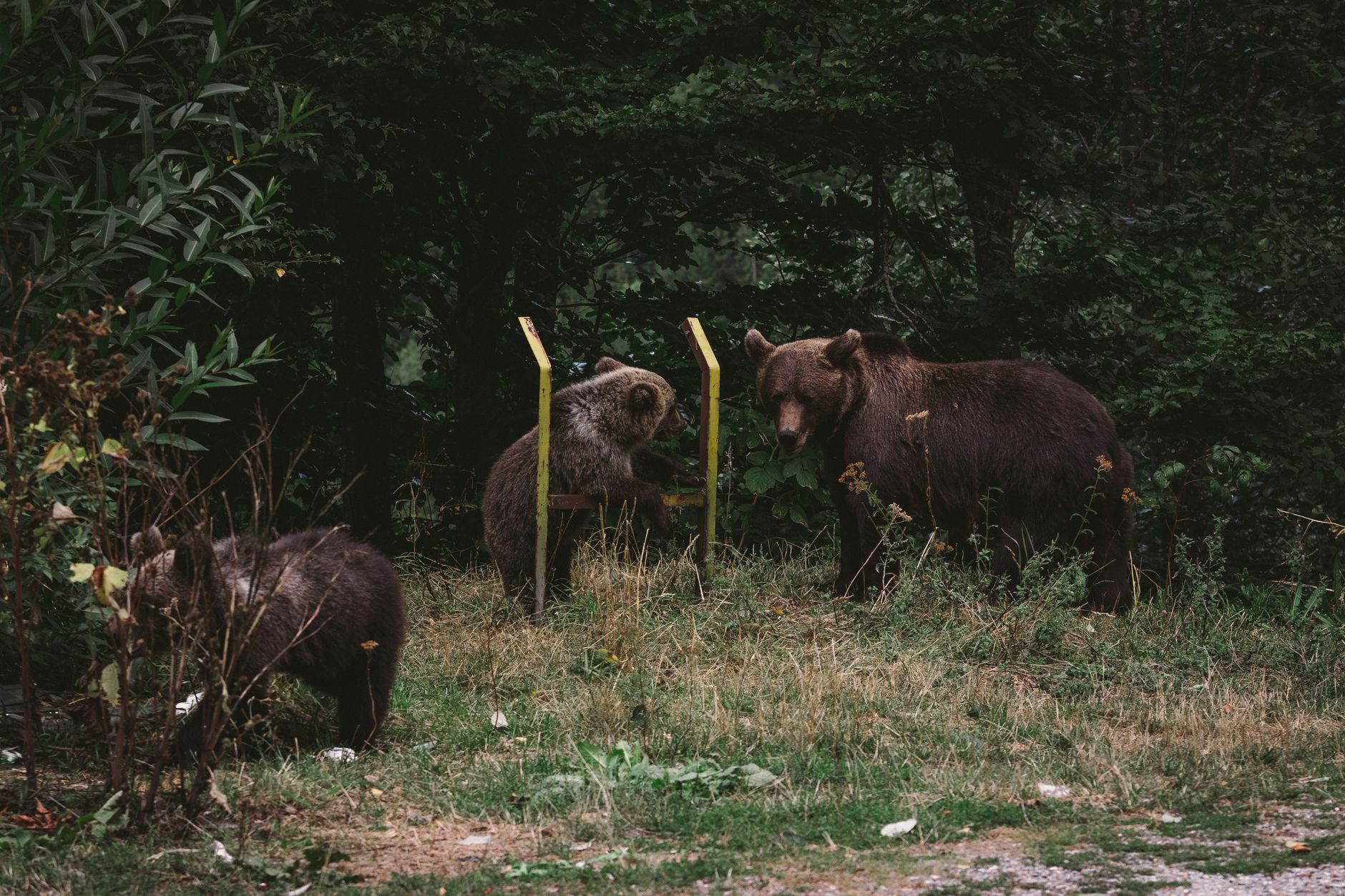
The answer is yes, bears are found in France, but their presence is limited and a result of dedicated reintroduction efforts, making it a complex story of conservation and coexistence.

A History of Bears in France
For centuries, brown bears roamed freely throughout the French Pyrenees, Alps, and other mountainous regions. However, human activity, including hunting and habitat destruction, decimated their populations. By the early 20th century, bears were on the brink of extinction in France. The last native Pyrenean brown bear died in 2004. The story of are bears found in France is now a story of active reintroduction.
What colours are fish most attracted to?
Can you put your finger in a trout's mouth?
Is methylene blue anti bacterial?
Does aquarium salt raise pH in aquarium?
The Reintroduction Program
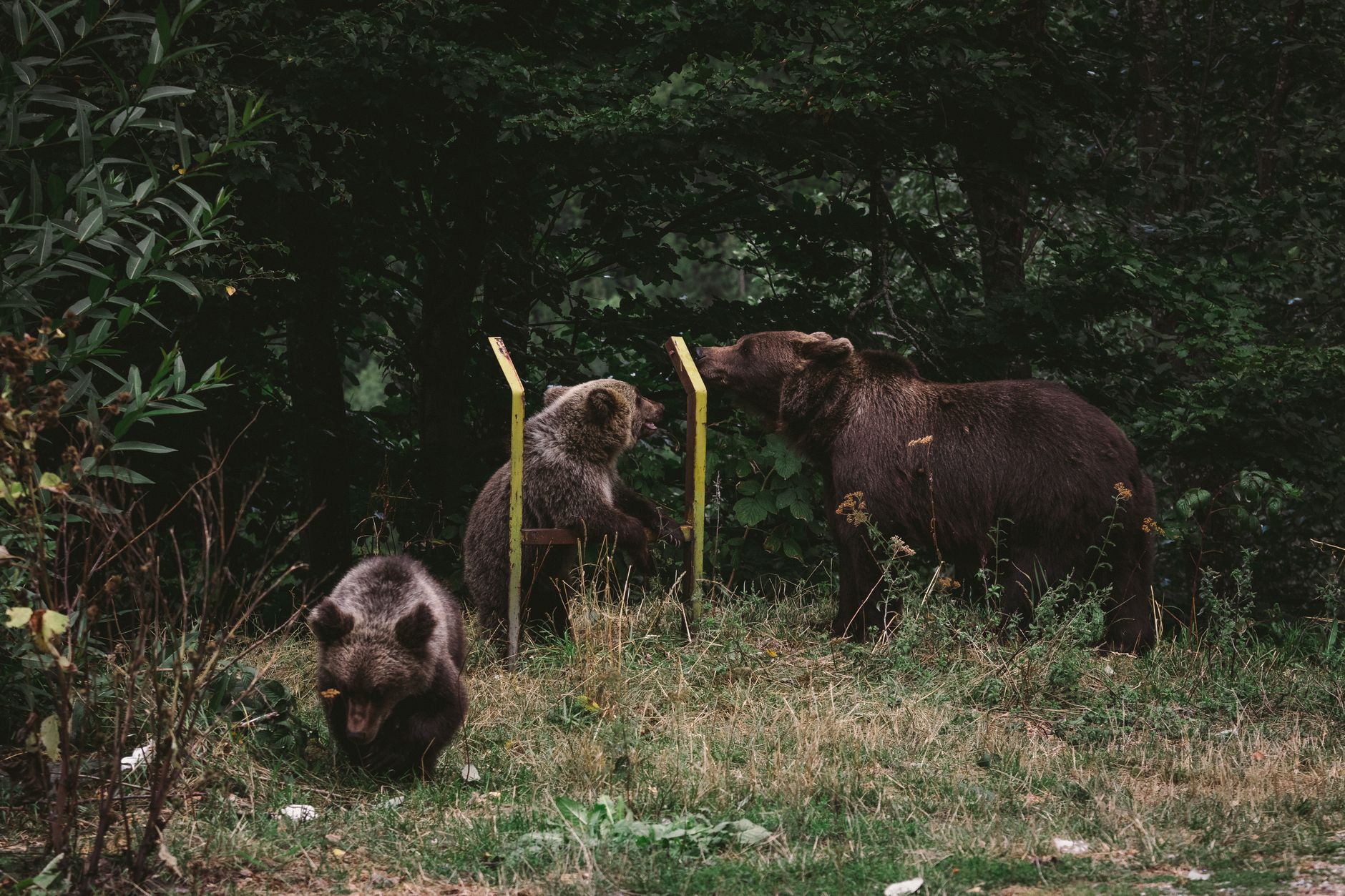
In the 1990s, a crucial reintroduction program began. Bears from Slovenia were introduced into the French Pyrenees to revitalize the dwindling population. This initiative, while controversial, aimed to restore the region’s biodiversity and ecological balance. The success of this program is the primary reason why the question of are bears found in France can be answered affirmatively today.
The Current Bear Population
Today, the bear population in the French Pyrenees is estimated to be around 70 individuals. This number fluctuates due to factors like births, deaths, and migration. While this is a significant improvement compared to near extinction, the population remains vulnerable and requires ongoing monitoring and protection. The challenge remains, balancing conservation efforts with the needs and concerns of local communities.
Distribution and Habitat
The majority of bears in France are concentrated in the Pyrenees Mountains, particularly in the central and western parts of the mountain range. They inhabit mountainous forests, alpine meadows, and remote areas, seeking refuge away from human settlements. Their habitat spans both French and Spanish territories, requiring international cooperation for effective management.
Benefits of Bear Reintroduction
The return of bears to France offers several ecological benefits:
- Enhanced Biodiversity: Bears contribute to a more diverse and resilient ecosystem.
- Seed Dispersal: They play a role in dispersing seeds through their diet.
- Scavenging: Bears help to control carrion and prevent the spread of disease.
- Ecotourism: Bear presence can boost local economies through wildlife tourism (with careful management).
Challenges and Conflicts
Despite the benefits, bear reintroduction has faced challenges:
- Livestock Predation: Bears occasionally prey on livestock, causing economic losses for farmers.
- Public Perception: Some residents fear bears and oppose their presence.
- Habitat Loss: Continued habitat fragmentation remains a threat.
- Genetic Diversity: Maintaining genetic diversity within the small population is crucial.
Coexistence Strategies
To mitigate conflicts and promote coexistence, various strategies are implemented:
- Livestock Protection: Providing farmers with resources like electric fences and guard dogs.
- Compensation Programs: Offering compensation for livestock losses due to bear predation.
- Public Education: Raising awareness about bear behavior and ecology.
- Monitoring and Research: Tracking bear movements and population dynamics.
The Future of Bears in France
The future of bears in France depends on continued conservation efforts, effective conflict management, and public support. Strengthening international collaboration, promoting sustainable land use practices, and adapting strategies based on ongoing research are essential to ensure the long-term survival of these iconic animals. The question of are bears found in France can hopefully be answered with even more assurance in the future.
Table comparing bear populations
| Location | Native Bears | Reintroduced Bears | Total Estimated Population |
|---|---|---|---|
| French Pyrenees | 0 | ~70 | ~70 |
| French Alps | Very Rare | 0 | Near 0 |
Frequently Asked Questions (FAQs)
What type of bear is found in France?
The bear found in France is the brown bear (Ursus arctos), specifically the Pyrenean brown bear subspecies, although the reintroduced bears are from a related Slovenian population and thus are genetically slightly different, but ecologically the same.
How big are the bears in France?
Adult male bears in France can weigh between 150 and 250 kilograms (330-550 pounds), while females are typically smaller. They can stand up to 2 meters (6.5 feet) tall on their hind legs. Their size depends on food availability and genetics.
Are bears dangerous to humans in France?
Bears are generally shy animals and avoid contact with humans. However, they can become dangerous if they feel threatened or if they are protecting their cubs or food source. It’s crucial to follow safety guidelines when hiking in bear country, such as making noise to avoid surprising them.
What do bears eat in France?
Bears in France are omnivores, with a diet that includes berries, fruits, nuts, insects, roots, and occasionally livestock. Their diet varies depending on the season and availability of food sources.
Are bears protected in France?
Yes, bears are strictly protected under French and European law. Killing or harming a bear is illegal and carries severe penalties. Conservation efforts are aimed at protecting their habitat and promoting coexistence with humans.
How can I report a bear sighting in France?
Bear sightings can be reported to local authorities, such as the Office Français de la Biodiversité (OFB). Providing details such as location, time, and bear behavior helps researchers track the population and monitor their movements.
What should I do if I encounter a bear while hiking in France?
If you encounter a bear, remain calm and avoid making sudden movements. Speak in a normal tone of voice and slowly back away. Do not run or approach the bear. If the bear approaches you, make yourself look large and make noise. Carry bear spray for protection.
How is the bear population monitored in France?
The bear population is monitored through various methods, including DNA analysis of hair and scat samples, camera trapping, and visual observations. This data helps researchers estimate population size, track movements, and assess the effectiveness of conservation efforts.
What organizations are involved in bear conservation in France?
Several organizations are involved in bear conservation in France, including the Office Français de la Biodiversité (OFB), local environmental groups, and international organizations. These groups work together to monitor the population, implement conservation strategies, and educate the public.
Is it possible to visit areas in France where bears live?
Yes, it’s possible to visit areas in the Pyrenees where bears live, but it’s important to be aware of bear safety guidelines and follow responsible tourism practices. Choose guided tours with experienced professionals and respect the bears’ habitat.
What is the long-term goal for bear conservation in France?
The long-term goal is to establish a viable and self-sustaining bear population in the French Pyrenees and to promote coexistence between bears and humans. This requires continued conservation efforts, effective conflict management, and public support. The focus remains on securing a future where are bears found in France is a given, not a question.
What are some of the key research areas related to bears in France?
Key research areas include studying bear diet and habitat use, monitoring population genetics, assessing the impact of climate change on bear populations, and evaluating the effectiveness of conflict mitigation strategies. This research is crucial for informing conservation decisions and adapting strategies to address emerging challenges.