
Is Testing on Humans Better Than Animals?: A Moral and Scientific Crossroads
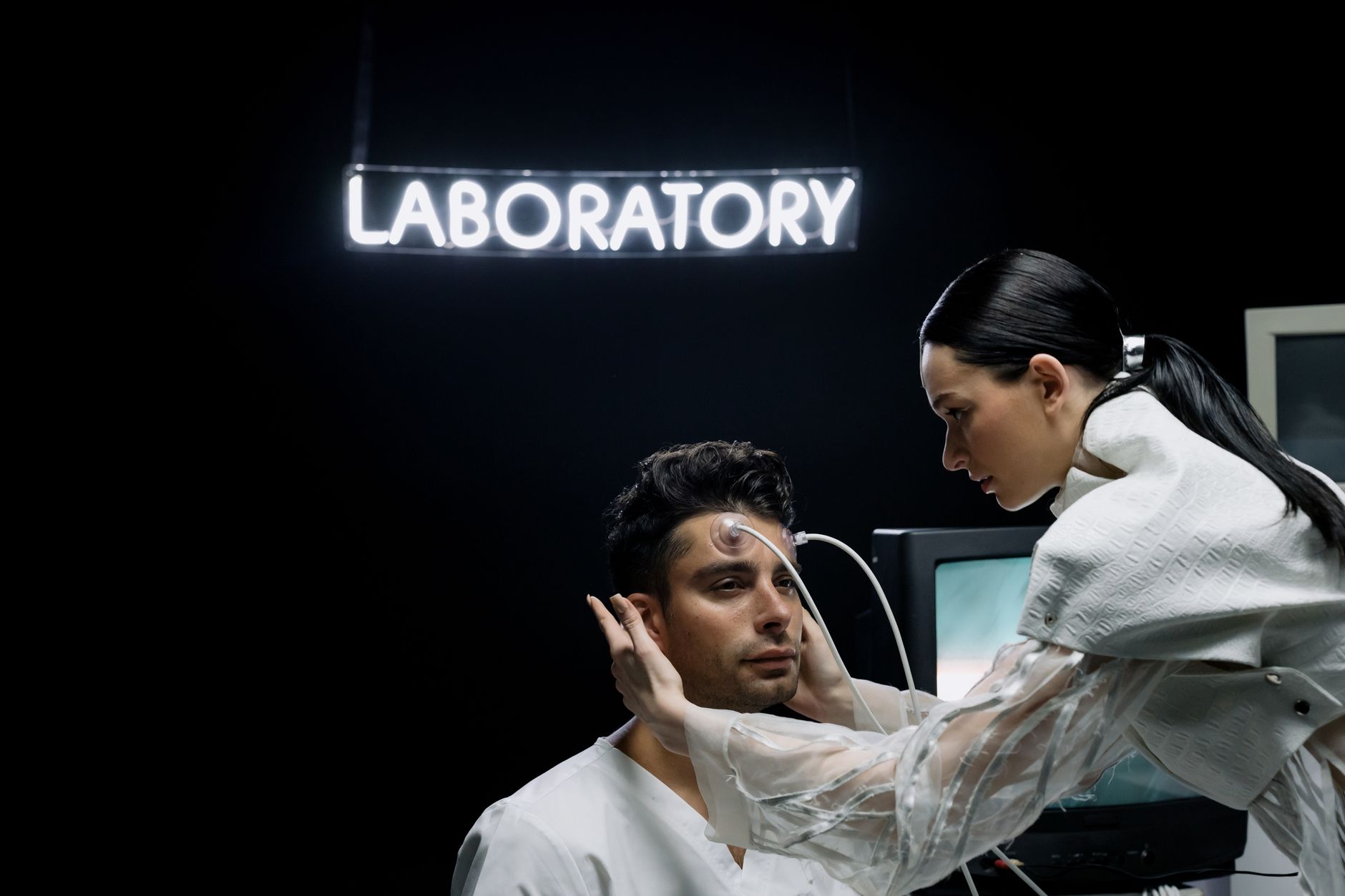
The question of whether testing on humans is better than animals is complex, with no easy answer; while human testing offers potentially more relevant results, it raises profound ethical concerns that generally outweigh its purported advantages. Animal testing, while ethically challenging, often remains a necessary step to ensure human safety and efficacy before clinical trials begin.
Introduction: Navigating the Ethical Maze of Scientific Advancement
The quest for medical breakthroughs and consumer safety often hinges on rigorous testing. But who bears the brunt of this scrutiny: animals or humans? The question of whether is testing on humans better than animals? remains a deeply contentious one, fraught with ethical dilemmas and scientific considerations. The debate sparks fervent arguments from animal rights activists, scientists, and ethicists alike. Understanding the nuances of this complex issue requires careful consideration of the moral implications, the scientific validity of each approach, and the potential benefits and risks involved. This article aims to explore these facets, providing a balanced perspective on a topic that directly impacts both human health and animal welfare.

What colours are fish most attracted to?
Can you put your finger in a trout's mouth?
Is methylene blue anti bacterial?
Does aquarium salt raise pH in aquarium?
The Ethical Quagmire: Animals’ Rights vs. Human Needs

The core of the debate centers around the moral standing of animals. Do animals possess inherent rights that preclude their use in scientific research? Utilitarian arguments often pit the potential benefits to human health against the suffering inflicted upon animals. Those who advocate for animal rights argue that animals deserve moral consideration, regardless of their perceived usefulness to humans. They point to the capacity of many animals to experience pain, fear, and distress as evidence of their moral worth. Conversely, proponents of animal testing argue that it is a necessary evil, justifiable when the potential benefits to human health outweigh the harm to animals.
Scientific Validity: Bridging the Species Gap
One of the primary arguments for human testing lies in the assertion that it provides more relevant results than animal studies. Animal physiology and metabolism can differ significantly from humans, potentially leading to inaccurate predictions of drug efficacy and safety. While animal models can mimic certain human diseases, they often fail to fully capture the complexity of human physiology.
-
Pros of Human Testing (in specific, limited cases):
- More relevant data due to direct human physiology.
- Potentially faster drug development in some scenarios (after animal testing is complete).
- More accurate assessment of subjective experiences (e.g., pain levels, side effects).
-
Cons of Human Testing:
- Significant ethical constraints and regulations.
- Higher risk to human participants.
- Limited scope and scalability due to ethical and practical considerations.
The Role of Animal Models in Research
Despite the limitations of animal models, they remain crucial for several reasons.
- Predicting Toxicity: Animal studies are essential for identifying potential toxins and assessing the safety of new drugs and chemicals before they are introduced to humans.
- Understanding Disease Mechanisms: Animal models can help researchers unravel the complex mechanisms underlying human diseases, paving the way for new treatments and prevention strategies.
- Testing Surgical Procedures: Animals provide a platform for refining and testing surgical techniques before they are used on humans.
The Process of Testing: A Step-by-Step Approach
The testing process typically involves a tiered approach, starting with in vitro (laboratory) studies, followed by animal studies, and culminating in human clinical trials.
- In Vitro Studies: These studies involve testing substances on cells or tissues in a laboratory setting.
- Animal Studies: These studies are conducted on animals to assess the safety and efficacy of a substance. Different animal species may be used depending on the nature of the substance and the research question.
- Human Clinical Trials: These trials are conducted on human volunteers to further evaluate the safety and efficacy of a substance. Clinical trials typically involve multiple phases, each with its own specific objectives.
Alternative Methods: Reducing Reliance on Animals
The push for alternatives to animal testing is gaining momentum. Techniques like in vitro cell cultures, sophisticated computer models, and in silico simulations are increasingly being used to complement or even replace animal studies. These methods offer the potential to reduce animal suffering, improve the accuracy of predictions, and accelerate the pace of scientific discovery.
Regulatory Oversight: Ensuring Ethical Conduct
Both animal and human testing are subject to rigorous regulatory oversight. Animal research is governed by laws and guidelines that aim to minimize animal suffering and ensure that research is conducted ethically and humanely. Human clinical trials are subject to even more stringent regulations, including informed consent requirements and independent ethical review boards.
Comparing Animal and Human Testing: A Summary Table
| Feature | Animal Testing | Human Testing |
|---|---|---|
| Ethical Concerns | Significant; debates about animal rights | Very High; requires informed consent & stringent review |
| Scientific Validity | Can be limited due to species differences | Potentially more relevant, but also more variable |
| Regulatory Oversight | Established guidelines for humane treatment | Highly regulated; requires ethical approval boards |
| Cost | Generally less expensive | Significantly more expensive |
| Scalability | Can be scaled up more easily | Limited by ethical and practical constraints |
Frequently Asked Questions (FAQs)
What are the main ethical concerns surrounding animal testing?
The primary ethical concerns revolve around the inherent rights of animals to avoid suffering. Critics argue that using animals as test subjects, even with regulations, constitutes a form of exploitation. Furthermore, they question the justification of inflicting pain and distress on animals, particularly when alternative methods may be available.
Why are animals used in testing if they are so different from humans?
While animal physiology differs from human physiology, certain animal models share enough similarities to predict potential effects on humans. Animals can also be used to study basic biological processes and disease mechanisms that are relevant to human health. However, it’s crucial to remember the limitations and extrapolate results cautiously.
Are there regulations in place to protect animals used in research?
Yes, extensive regulations exist to protect animals in research. These regulations, like the Animal Welfare Act in the United States, aim to minimize pain and distress and ensure that animals are treated humanely. They cover aspects like housing, feeding, veterinary care, and the use of anesthesia and analgesia.
What is “informed consent” in human clinical trials?
Informed consent is a process by which potential human participants are provided with comprehensive information about a clinical trial, including its purpose, procedures, potential risks and benefits, and their right to withdraw at any time. The participant must then voluntarily agree to participate in the trial by signing a consent form. This is a cornerstone of ethical human research.
What are the different phases of human clinical trials?
Human clinical trials typically consist of four phases: Phase 1 trials assess safety and dosage in a small group of healthy volunteers; Phase 2 trials evaluate efficacy and side effects in a larger group of patients; Phase 3 trials compare the new treatment to existing treatments in a large, randomized controlled trial; and Phase 4 trials monitor the long-term effects of the treatment after it has been approved for market.
How are human clinical trials reviewed for ethical concerns?
Human clinical trials are reviewed by Institutional Review Boards (IRBs), which are independent committees composed of scientists, ethicists, and community members. IRBs are responsible for ensuring that clinical trials are conducted ethically and that the rights and welfare of participants are protected.
What are some alternative methods to animal testing?
Alternative methods include in vitro cell cultures, computer modeling, and in silico simulations. These methods can be used to screen drugs and chemicals, study disease mechanisms, and predict potential toxicity without involving animals. The development and validation of these alternatives are ongoing priorities.
How can the public contribute to reducing animal testing?
Consumers can support companies that do not use animal testing for their products. They can also advocate for stronger regulations on animal testing and support research into alternative methods. Individual actions, combined with collective advocacy, can drive change.
Is is testing on humans better than animals? always the answer for more accurate results?
Not necessarily. While human testing offers direct relevance, it is often more variable due to individual differences in genetics, lifestyle, and health status. Animal models can sometimes provide more controlled conditions and standardized results, especially in early stages of research. It’s a complex interplay, and the best approach depends on the specific research question.
What is the “3Rs” principle in animal research?
The “3Rs” principle – Replacement, Reduction, and Refinement – aims to guide the ethical use of animals in research. Replacement refers to replacing animal tests with alternative methods whenever possible. Reduction refers to minimizing the number of animals used in research. Refinement refers to improving experimental procedures to minimize pain and distress for the animals.
If we eliminate animal testing completely, will drug development be halted?
Completely eliminating animal testing could slow down drug development in the short term, particularly for complex diseases where suitable alternatives are not yet available. However, increased investment in developing and validating alternative methods could potentially accelerate drug development in the long run by providing more accurate and efficient testing methods.
Is is testing on humans better than animals? in the long run for finding treatments?
The ultimate goal is to develop treatments that are safe and effective for humans. While animal testing plays a crucial role in early stages, human clinical trials are essential for confirming safety and efficacy. The ideal scenario involves a combination of rigorous animal testing, validated alternative methods, and carefully designed human clinical trials. The question of “Is testing on humans better than animals?” becomes less about better and more about appropriate application at the right stage.