
Are Feral Cats Intelligent? Decoding the Minds of Our Wild Felines
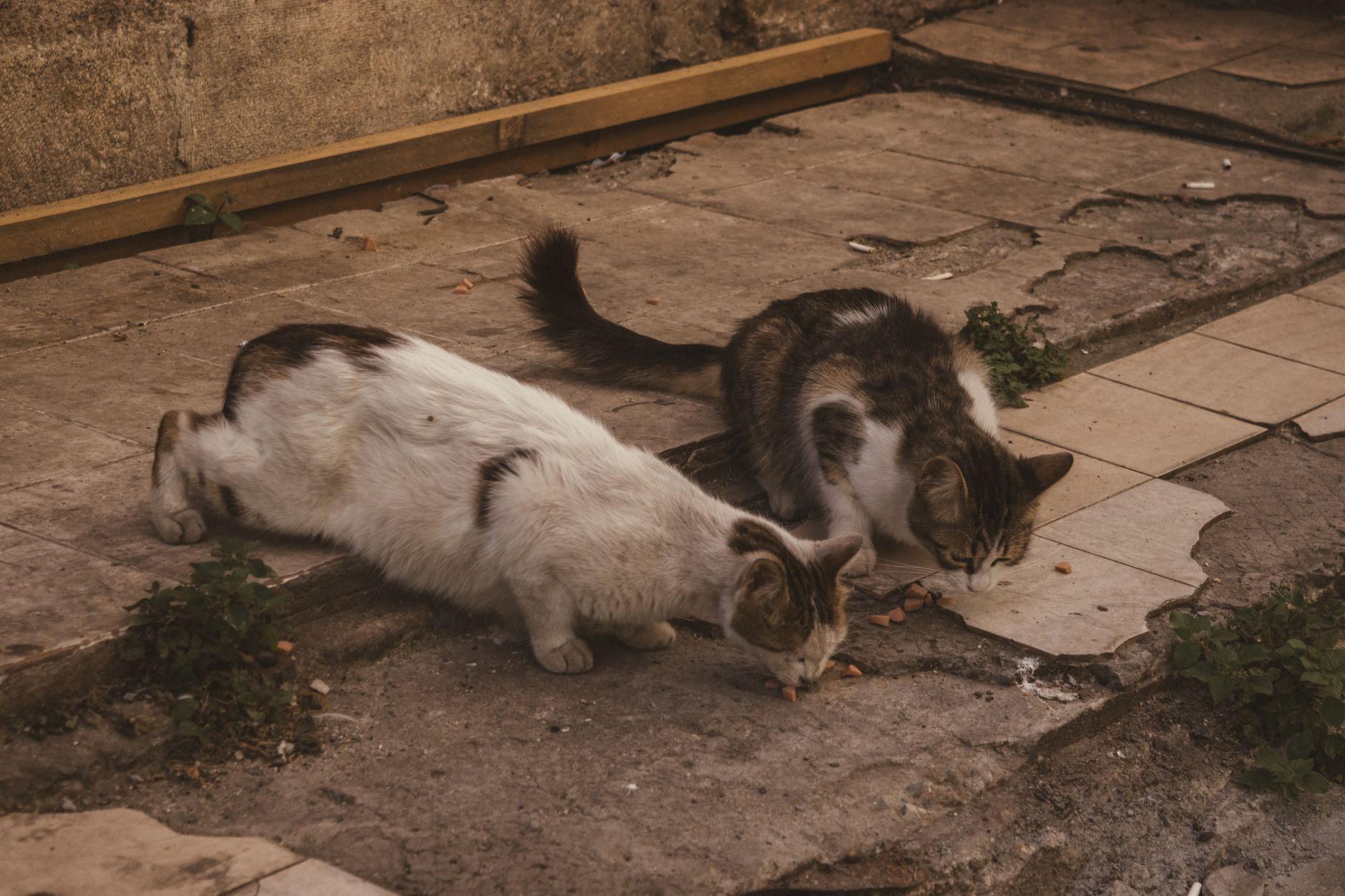
Are feral cats intelligent? Yes, feral cats demonstrate a significant level of intelligence, particularly in their adaptability, problem-solving skills related to survival, and complex social structures within their colonies. Their intelligence, while often misunderstood, is crucial for their continued existence in challenging environments.

Understanding Feral Cats: A Background
Feral cats, unlike domesticated cats, live primarily outdoors with little to no human interaction. They are the descendants of domestic cats who have either escaped or were abandoned and have adapted to a wilder existence. Understanding their origins is crucial to understanding their intelligence. They haven’t been selectively bred for traits that humans value, like sociability, but for traits that ensure survival, like hunting proficiency and resourcefulness. Their brains, while structurally similar to domestic cats, function differently due to environmental pressures.
Is distilled water good for goldfish?
What colours are fish most attracted to?
Can you put your finger in a trout's mouth?
Is methylene blue anti bacterial?
Survival Strategies: A Testament to Intelligence
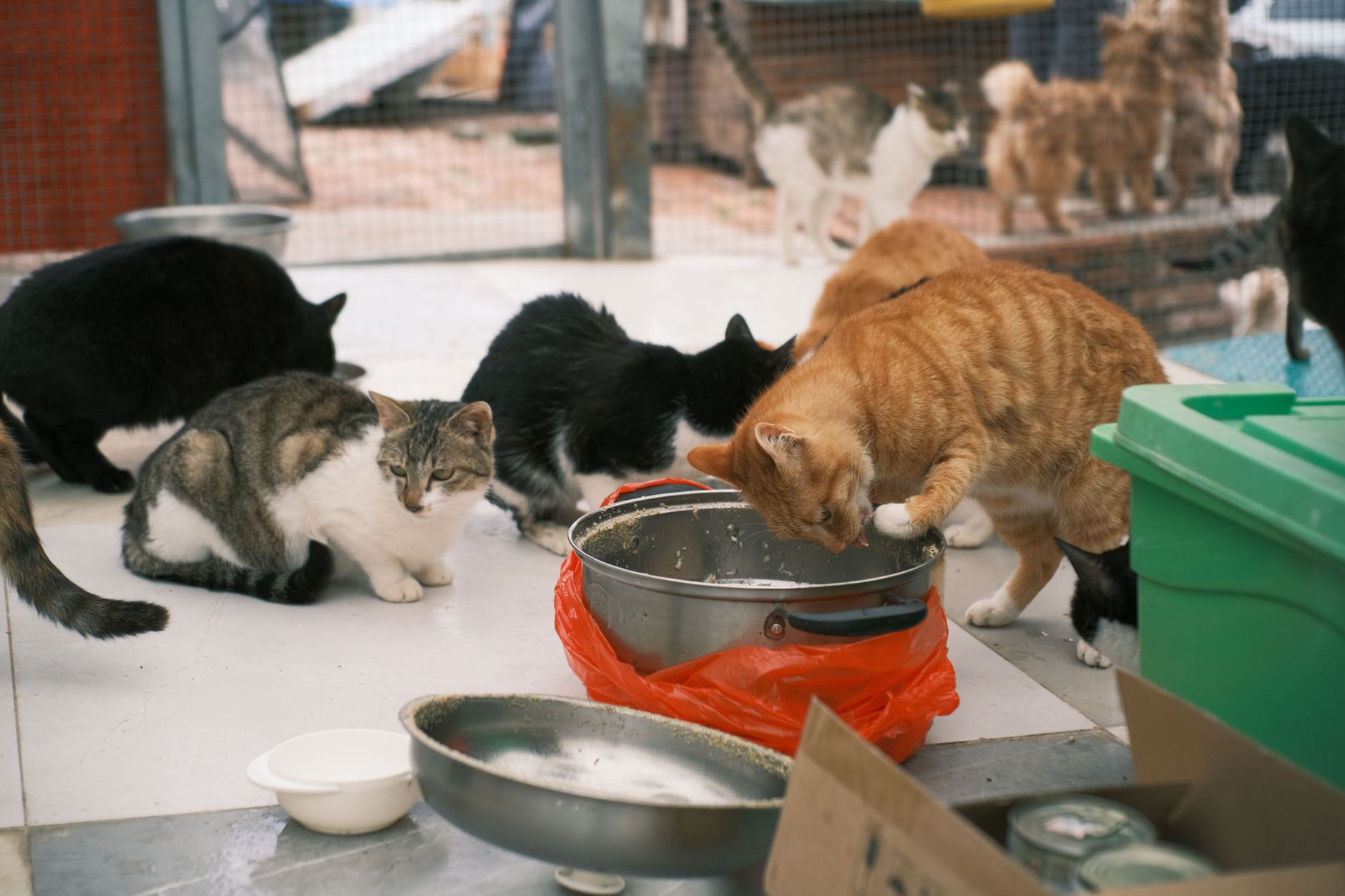
The harsh realities of feral life demand significant cognitive abilities. Feral cats exhibit intelligence in several key areas:
- Hunting Prowess: Feral cats are highly efficient hunters. They learn to identify prey, strategize ambushes, and adapt their hunting techniques based on the availability of food sources. This requires observational learning and problem-solving abilities.
- Navigation and Territory: They navigate complex urban and rural landscapes, remembering important locations for food, shelter, and safety. They establish and defend territories, requiring a strong spatial awareness and understanding of social boundaries.
- Resourcefulness: Feral cats must be incredibly resourceful to survive. They find creative ways to access food and water, often utilizing human-created structures and discarded items.
- Adaptability: Feral cats can adapt to changing environments, whether it’s a shift in weather patterns, the introduction of new predators, or fluctuations in food availability. This adaptability requires flexible thinking and learning from experience.
Social Structures: The Complexity of Feral Colonies
Feral cats often live in colonies, which are complex social organizations. These colonies aren’t random groupings; they exhibit:
- Hierarchical Structure: Colonies often have a clear hierarchy, influencing access to resources and mating opportunities.
- Cooperative Behavior: Cats within a colony sometimes engage in cooperative behaviors, such as communal nursing or defending the territory against threats.
- Communication: Feral cats communicate with each other through a combination of vocalizations, body language, and scent marking. They use these signals to convey information about their status, intentions, and warnings about danger.
- Kin Recognition: Feral cats often recognize and favor their relatives within the colony, suggesting a level of social cognition and kin selection.
Comparing Feral and Domestic Cat Intelligence
While both feral and domestic cats share a common ancestry and similar brain structures, their intelligence manifests differently due to their distinct lifestyles.
| Feature | Feral Cats | Domestic Cats |
|---|---|---|
| Primary Focus | Survival and resource acquisition | Social interaction and play |
| Problem-Solving | Focused on practical solutions to survival | Often centered on human interaction |
| Social Skills | Complex colony dynamics | Primarily directed toward humans |
| Adaptability | High degree of environmental adaptation | More reliant on human provision |
| Learning Style | Observational and experiential | Can be trained with positive reinforcement |
The key difference lies in the environmental pressures shaping their cognitive abilities. Domestic cats have been bred for traits that make them appealing companions, while feral cats have been shaped by the need to survive in challenging conditions.
Frequently Asked Questions (FAQs)
What is the definition of “feral cat”?
A feral cat is a domestic cat that has reverted to a wild state. These cats are unsocialized to humans and generally avoid contact. They live independently, surviving by hunting or scavenging. The term “feral” distinguishes them from stray cats, who may have been recently abandoned and are potentially re-socializable. The question are feral cats intelligent? is closely linked to their survival skills within this state.
How do feral cats differ from stray cats?
The key difference lies in their socialization. Stray cats are lost or abandoned domestic cats who are still accustomed to human contact. Feral cats, on the other hand, are born and raised in the wild or have lived without human contact for so long that they are fearful and avoid humans. Stray cats are typically re-socializable, while feral cats are usually not.
Do feral cats feel affection?
While feral cats may not show affection to humans in the same way as domesticated cats, they do form bonds with other cats within their colony. They may groom each other, share food, and engage in other forms of social behavior that suggest a level of attachment and care. This social dynamic is another aspect of are feral cats intelligent?.
Are feral cats a threat to wildlife?
Feral cats are known predators and can have a significant impact on local wildlife populations, particularly birds and small mammals. Their hunting instincts are strong, and they often hunt even when they are not hungry. Trap-Neuter-Return (TNR) programs aim to control feral cat populations and reduce their impact on wildlife by preventing further breeding.
What is TNR (Trap-Neuter-Return)?
TNR involves humanely trapping feral cats, sterilizing them, and then returning them to their original territory. This practice helps to stabilize feral cat populations, reduce unwanted litters, and improve the overall health of the cats. TNR is considered a more humane and effective approach to managing feral cat populations than traditional methods such as trapping and euthanasia.
Can feral cats be adopted?
While adult feral cats are rarely suitable for adoption into typical households, kittens born to feral mothers can sometimes be socialized and adopted if they are rescued at a young age. However, socialization requires significant time, patience, and expertise. Are feral cats intelligent? plays a role in their ability to be socialized, as more intelligent animals may be easier to train.
How do feral cats find food?
Feral cats primarily rely on hunting small animals such as rodents, birds, and insects. They may also scavenge for food in garbage cans or receive food from compassionate individuals. Their hunting skills are a key component of their survival.
Do feral cats require veterinary care?
Yes, feral cats benefit from veterinary care, particularly vaccinations and treatment for common ailments. TNR programs often include a veterinary check-up to ensure the cat’s health and well-being before returning them to their territory.
What role do humans play in the lives of feral cats?
Humans play a complex role in the lives of feral cats. Abandonment and irresponsible pet ownership contribute to the feral cat population. However, humans also play a crucial role in managing feral cat populations through TNR programs and providing food and shelter.
How do feral cats survive in cold weather?
Feral cats are surprisingly resilient in cold weather. They seek shelter in abandoned buildings, under cars, or in natural crevices. They also grow a thicker coat of fur for insulation and conserve energy by reducing their activity. Their ability to adapt to different climates is a clear indicator of their intelligence.
Are feral cats a nuisance?
The perception of feral cats as a nuisance varies. Some people consider them a nuisance due to their hunting behavior, noise, or potential for spreading disease. Others view them as valuable members of the ecosystem, controlling rodent populations. Effective management programs like TNR can help mitigate potential conflicts.
Is it ethical to feed feral cats?
The ethics of feeding feral cats are debated. Some argue that it encourages dependence and contributes to overpopulation. Others believe it is a humane act to provide sustenance to animals struggling to survive. If feeding feral cats, it is important to do so responsibly by providing a consistent food source, cleaning up any leftover food, and participating in TNR programs to control population growth. Ultimately, understanding are feral cats intelligent? helps us appreciate their capacity for survival and the ethical considerations involved in their care.