

Is Nail Grinding Painful for Dogs? Debunking Myths and Providing Safe Practices
Nail grinding, when performed correctly, is generally not painful for dogs. Instead of cutting the nail, it gently removes small layers. However, hitting the quick can cause pain and bleeding, so understanding proper technique is crucial for your dog’s comfort.

The Anatomy of a Dog’s Nail
Understanding the structure of a dog’s nail is fundamental to ensuring a pain-free grooming experience. A dog’s nail isn’t just a hard shell; it’s a complex appendage containing sensitive tissues.
- The Nail Wall: This is the hard, outer layer of the nail that we trim or grind.
- The Quick: This is the living tissue inside the nail, containing nerves and blood vessels. Cutting or grinding into the quick causes pain and bleeding.
- The Nail Bed: The skin beneath the nail, to which the nail is attached.

What colours are fish most attracted to?
Can you put your finger in a trout's mouth?
Is methylene blue anti bacterial?
Does aquarium salt raise pH in aquarium?
The Benefits of Nail Grinding over Clipping
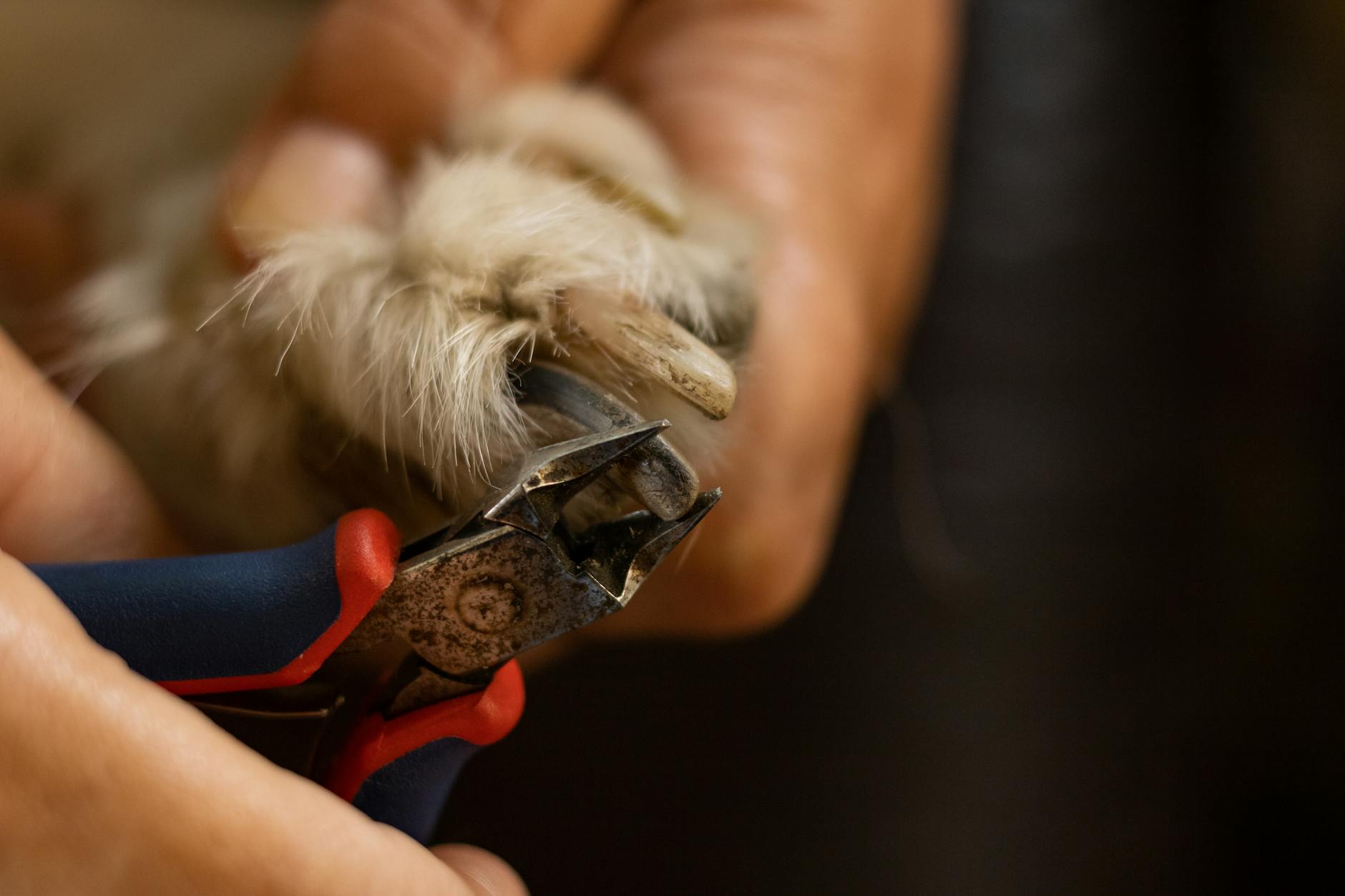
While nail clippers have been a long-standing staple in pet grooming, nail grinders offer distinct advantages, potentially reducing the risk of pain.
- More Controlled Trimming: Grinders allow for more precise removal of small layers, decreasing the likelihood of accidentally hitting the quick.
- Smoother Nail Edges: Grinding creates a smoother finish, preventing snags and scratches on furniture or people.
- Suitable for Thick or Overgrown Nails: Grinders can be effective for gradually shortening thick or overgrown nails, which might be difficult to manage with clippers.
- Reduced Pressure: Some dogs find the squeezing action of clippers stressful, while the gentle vibration of a grinder is often less anxiety-inducing.
The Nail Grinding Process: A Step-by-Step Guide
Performing nail grinding safely and effectively requires careful attention and patience. Here’s a step-by-step guide:
- Gather Supplies: You’ll need a quality nail grinder, styptic powder (to stop bleeding if you accidentally hit the quick), treats, and a comfortable surface.
- Introduce the Grinder: Let your dog sniff and investigate the grinder while it’s off. Turn it on briefly, allowing them to get used to the sound and vibration. Reward them with treats and praise.
- Start Slowly: Begin by grinding only a small amount of nail at a time. Focus on rounding the tips, avoiding grinding too close to the quick.
- Grind at an Angle: Hold the grinder at a 45-degree angle to the nail.
- Take Breaks: Avoid overwhelming your dog with a long grinding session. Take frequent breaks, offering praise and treats.
- Watch for the Quick: Regularly inspect the nail as you grind. As you get closer to the quick, you’ll notice a small, pink circle appearing in the center of the cut surface. Stop grinding when you see this.
- Address the Dewclaws: Don’t forget to trim or grind the dewclaws (if present), as they don’t wear down naturally.
- Reward and Praise: End the session with lots of positive reinforcement.
Common Mistakes to Avoid That Could Cause Pain
While nail grinding can be less painful than clipping, mistakes can lead to discomfort and injury.
- Grinding Too Quickly: Rushing the process increases the risk of hitting the quick.
- Applying Too Much Pressure: Pressing too hard can cause heat build-up and discomfort.
- Ignoring Your Dog’s Signals: Pay attention to your dog’s body language. If they seem anxious or uncomfortable, stop and try again later.
- Not Using Styptic Powder: Accidents happen. Always have styptic powder on hand to stop bleeding quickly.
- Using a Low-Quality Grinder: A weak or inefficient grinder can make the process longer and more stressful.
Training Your Dog to Tolerate Nail Grinding
Desensitization and counter-conditioning can help your dog associate nail grinding with positive experiences.
- Start with Handling: Gently handle your dog’s paws and nails regularly, rewarding them with treats.
- Introduce the Sound: Play the sound of the grinder without actually using it, rewarding your dog for remaining calm.
- Pair with Positive Reinforcement: Associate the grinder with positive reinforcement, such as treats, praise, and petting.
- Gradual Introduction: Start by touching the grinder to your dog’s nails for a fraction of a second, gradually increasing the duration.
- Patience is Key: Don’t rush the process. It may take several weeks or even months for your dog to become fully comfortable with nail grinding.
Choosing the Right Nail Grinder
Selecting the appropriate nail grinder is vital for a safe and comfortable experience for your dog.
| Feature | Description |
|---|---|
| Power Source | Corded (consistent power) or cordless (more maneuverable). |
| Speed Settings | Multiple speeds allow for greater control and precision. |
| Grinding Head | Different sizes and shapes for various nail sizes and types. Replaceable grinding heads are essential. |
| Noise Level | A quieter grinder is less likely to scare your dog. |
| Ergonomics | A comfortable grip makes the process easier for you. |
Identifying the Quick in Different Nail Colors
Knowing how to identify the quick is essential to prevent pain. It is harder to see in dark nails but is not impossible.
- Light-Colored Nails: The quick appears as a pink triangle within the nail.
- Dark-Colored Nails: It’s more challenging to see the quick in dark nails. Grind in small increments and look at the cut surface of the nail. As you approach the quick, you’ll see a small, black dot appearing in the center. This is your cue to stop grinding.
Addressing Anxiety and Fear
Some dogs have pre-existing anxieties about grooming. Strategies for addressing this include:
- Consulting with a Veterinarian or Certified Trainer: Professionals can provide personalized advice and techniques.
- Using Calming Aids: Pheromone diffusers, calming treats, or anxiety wraps can help reduce stress.
- Creating a Relaxing Environment: Choose a quiet space and play calming music.
- Positive Association: Make the entire grooming experience as positive as possible with treats, praise, and affection.
Recognizing Signs of Pain During Nail Grinding
Being vigilant for signs of pain is critical.
- Whining or Crying: Obvious indicators of discomfort.
- Pulling Away or Struggling: Attempting to escape the process.
- Limping After Grinding: Suggests the quick was hit.
- Excessive Licking or Biting at Paws: Indicates soreness or irritation.
- Change in Demeanor: Becoming withdrawn or aggressive.
Frequently Asked Questions About Nail Grinding
Is nail grinding painful for puppies?
Puppies can be more sensitive to nail grinding, especially as they are still developing. Use extra caution and grind very slowly, with frequent breaks. Prioritize gentle handling and positive reinforcement to create a positive association with the process early on.
How often should I grind my dog’s nails?
The frequency depends on your dog’s activity level and the type of surfaces they walk on. Generally, grinding every 2-4 weeks is sufficient to maintain a healthy nail length. You want to avoid the nail growing beyond the pad of their paw.
What if I accidentally hit the quick?
If you accidentally hit the quick, don’t panic. Apply styptic powder liberally to the bleeding area. Apply pressure for a few seconds to stop the bleeding. Comfort your dog and offer reassurance.
Can I use a human nail grinder on my dog?
While technically possible, human nail grinders are not recommended for dogs. They are typically designed for softer nails and may not be powerful enough to effectively grind a dog’s nails. Also, a human grinder can become too hot, causing pain.
What if my dog refuses to let me grind their nails?
If your dog is resistant, take a step back and focus on desensitization and counter-conditioning. Consult with a veterinarian or certified trainer for assistance. Forcing the issue will only increase anxiety and make future attempts more difficult.
How do I clean my dog’s nail grinder?
Clean your nail grinder after each use to prevent the spread of bacteria. Use a brush or cloth to remove nail filings and debris. Disinfect the grinding head with alcohol or a pet-safe disinfectant.
What type of grinding head is best?
The best type of grinding head depends on your dog’s nail size and type. For smaller nails, a fine-grit head is ideal. For larger or thicker nails, a coarser-grit head may be necessary. Replace the grinding head regularly as it wears down.
Is it okay to let my dog’s nails get long?
Allowing your dog’s nails to grow too long can lead to various problems, including pain, discomfort, altered gait, and potential injury. Long nails can also snag on carpets or furniture, causing further damage.
Can I use a Dremel tool as a nail grinder?
Yes, a Dremel tool can be used as a nail grinder, but it’s crucial to use a low speed and appropriate grinding attachment. Dremel tools can be powerful, so start slowly and monitor the heat build-up closely to prevent burning.
How do I know when to stop grinding?
Stop grinding when you see the quick, which appears as a pink or black dot in the center of the cut surface of the nail. Always err on the side of caution and avoid grinding too close to the quick.
Are some dogs more sensitive to nail grinding than others?
Yes, some dogs are naturally more sensitive to nail grinding than others due to factors such as breed, age, temperament, and previous experiences. Older dogs are more likely to develop arthritis, which can make handling paws painful. Always approach nail grinding with patience and sensitivity.
Can I take my dog to a professional groomer for nail grinding?
Yes, professional groomers are experienced in nail grinding and can provide a safe and comfortable experience for your dog. If you’re unsure about performing nail grinding yourself, seeking professional assistance is a great option.