
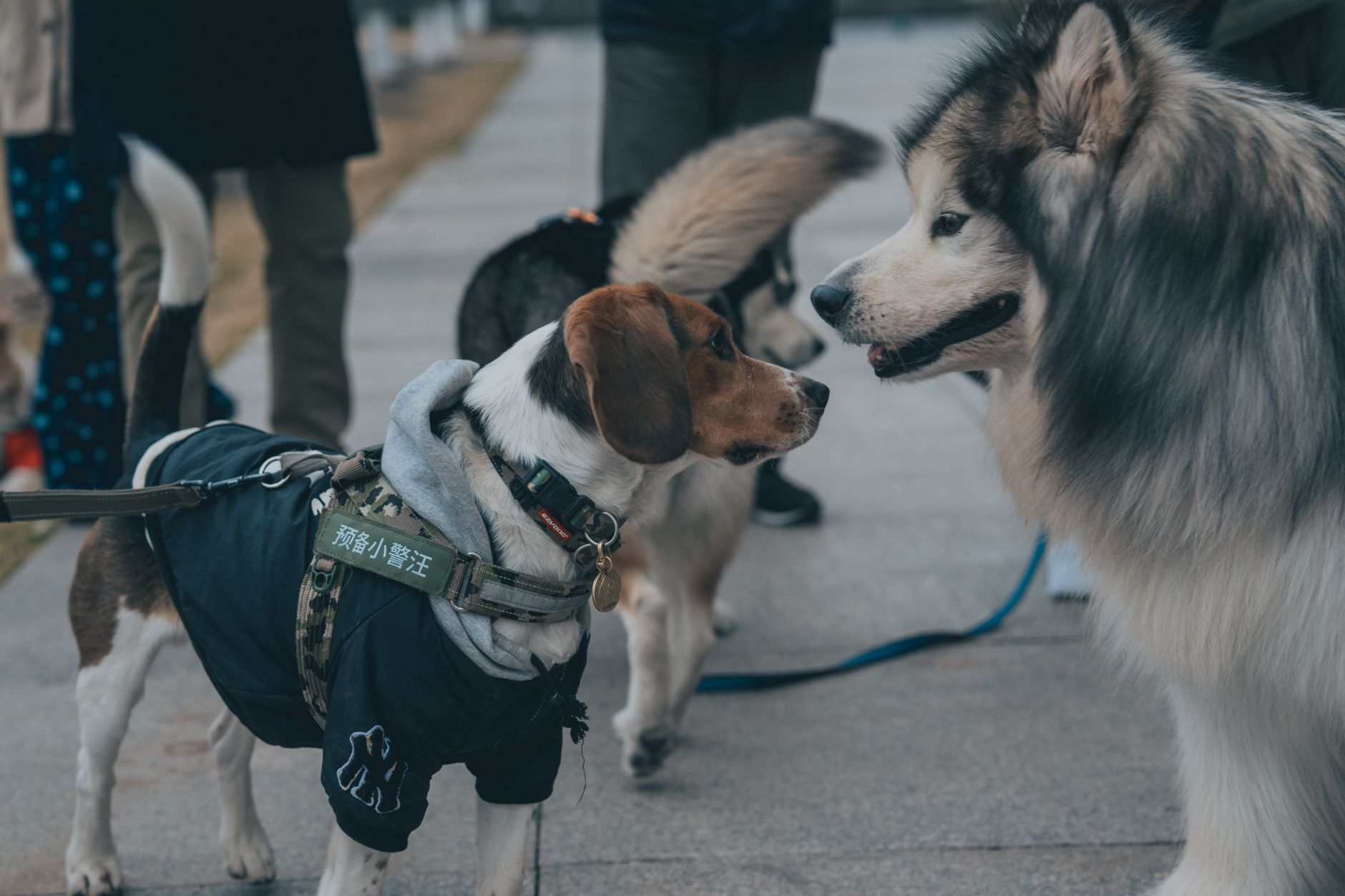
Can Dogs Recognize Their Owners?
Yes, dogs can absolutely recognize their owners, and they do so through a complex interplay of senses, memories, and emotional bonds that forge a deep and lasting connection. It’s not just one thing, but a combination of factors that allows them to identify their beloved humans.

The Multi-Sensory Symphony of Recognition
The ability of dogs to recognize their owners is far more nuanced than simply spotting a familiar face. It’s a holistic process that involves integrating information from several senses and relying on learned associations and emotional connections. They employ a sophisticated “recognition system” built on smell, sight, sound, and even past experiences.

What colours are fish most attracted to?
Can you put your finger in a trout's mouth?
Is methylene blue anti bacterial?
Does aquarium salt raise pH in aquarium?
The Power of Scent: A Dog’s Olfactory Masterpiece

A dog’s sense of smell is legendary, estimated to be anywhere from 10,000 to 100,000 times more sensitive than a human’s. This extraordinary capability plays a crucial role in how dogs recognize their owners.
- Unique Odor Profiles: Every person has a unique scent profile, a complex blend of hormones, skin cells, and bacteria. Dogs can differentiate these subtle differences with incredible accuracy.
- Scent as a Identifier: Scientific studies have shown that dogs can identify their owners based solely on scent, even when presented with samples from multiple individuals.
- Emotional Connection: The scent is further intertwined with emotional associations. A familiar and loved owner’s scent triggers positive emotions and feelings of safety and security.
Visual Cues: More Than Just a Face
While dogs aren’t as reliant on sight as humans, they certainly use visual cues to identify their owners. However, their vision differs from ours.
- Facial Recognition: Dogs can recognize human faces, although their ability to distinguish subtle differences may be less refined than ours.
- Body Language and Posture: Dogs are exceptionally attuned to body language and posture. They can recognize the way their owner walks, stands, and gestures.
- Contextual Clues: They learn to associate certain appearances with their owner in specific contexts, such as seeing them at the park or coming home from work.
The Sound of Love: Voice and Tone
A dog’s hearing is also far more sensitive than a human’s, especially in higher frequencies. This auditory prowess contributes to their ability to identify their owners.
- Voice Recognition: Dogs can recognize their owner’s voice, even among a group of other voices.
- Tone and Inflection: They are highly sensitive to tone and inflection, and can discern emotions and intentions from the way their owner speaks.
- Command Associations: Dogs associate specific words and commands with their owner, further strengthening their auditory recognition.
Memory and Emotional Bonds: The Glue That Holds It Together
Beyond sensory input, memory and emotional bonds play a critical role in the recognition process.
- Learned Associations: Dogs learn to associate specific sensory cues with their owner through repeated positive experiences.
- Emotional Attachment: The strong emotional bond between a dog and its owner reinforces these associations, making recognition more reliable and meaningful.
- Long-Term Memory: Dogs have good long-term memories and can remember their owners even after extended periods of separation.
Contributing Factors and Potential Limitations
While most dogs readily recognize their owners, several factors can influence this ability:
- Age: Older dogs may experience cognitive decline, which can affect their memory and sensory perception, potentially impacting recognition.
- Breed: Some breeds may be more visually oriented than others. Herding breeds, for example, rely heavily on visual cues.
- Training: Consistent training and positive reinforcement can strengthen the bond and improve the dog’s ability to recognize their owner.
- Medical Conditions: Certain medical conditions, such as vision or hearing loss, can impair a dog’s sensory abilities and affect recognition.
| Factor | Impact on Recognition |
|---|---|
| Age | Can decrease recognition |
| Breed | Varies based on breed tendencies |
| Training | Improves recognition |
| Medical Conditions | Can decrease recognition |
Frequently Asked Questions
Can dogs recognize their owners when they are wearing a mask?
Yes, dogs can generally recognize their owners even when wearing a mask. While a mask does alter the owner’s facial appearance, dogs rely on a combination of senses, including scent, voice, and body language, to identify them. The scent remains unchanged, and dogs are adept at recognizing subtle cues beyond just facial features.
Do dogs recognize their owners from photographs?
While the extent to which dogs recognize their owners from photographs is debated, research suggests they can distinguish familiar faces in images, although they may not process them the same way humans do. Their primary means of recognition remains scent and direct interaction.
Can dogs recognize their owners after a long absence?
Yes, dogs can often recognize their owners after a long absence. Their memory, combined with the powerful emotional bond they share, allows them to retain the recognition cues, especially scent. The reunion is often marked by enthusiastic greetings and clear signs of recognition.
Why does my dog sometimes act like he doesn’t recognize me?
There could be several reasons why a dog might occasionally seem to not recognize its owner. Possible explanations include poor eyesight, cognitive decline, or the presence of distracting stimuli in the environment. Sometimes, a dog might be focusing on something else and not be paying attention. If the behavior is persistent, consulting a veterinarian is advisable.
Do dogs recognize their owners better than strangers?
Absolutely, dogs overwhelmingly recognize their owners better than strangers. The prolonged interaction, training, shared experiences, and the strong emotional bond that develops over time create a deep and lasting recognition, vastly superior to their ability to recognize unfamiliar individuals.
How can I improve my dog’s ability to recognize me?
Strengthening the bond with your dog will naturally improve their ability to recognize you. This can be achieved through consistent training, engaging in playful activities, spending quality time together, and providing positive reinforcement. Regularly using your voice and scent in association with positive experiences will also reinforce recognition.
Can dogs recognize their owners even if they are in disguise?
While a full disguise might temporarily confuse a dog, they will likely eventually recognize their owner. They might initially be uncertain due to the altered appearance, but scent, voice, and familiar mannerisms will eventually give the owner away. The degree of recognition will depend on the effectiveness of the disguise.
Do all breeds of dogs have the same ability to recognize their owners?
While all breeds are generally capable of recognizing their owners, there may be slight variations based on breed-specific traits. Some breeds, like herding dogs, may be more visually oriented, while others, like scent hounds, may rely more on their sense of smell. However, the overall ability to recognize their owner is strong across most breeds.
At what age do puppies start to recognize their owners?
Puppies begin to recognize their owners very early in life, typically within a few weeks of birth. They initially rely on scent and sound, but as their vision develops, they begin to recognize their owners’ faces. By around 8 weeks of age, most puppies have formed a strong bond with their owners and can readily recognize them.
What happens if a dog’s owner suddenly changes their appearance drastically?
If an owner drastically changes their appearance (e.g., significantly different hairstyle or weight loss), it might take the dog a little time to fully adjust and re-establish recognition. However, the underlying scent and voice remain constant, and the emotional bond will eventually prevail, allowing the dog to recognize their owner.
Can dogs recognize their owners on the phone?
Yes, dogs can often recognize their owners on the phone. While they lack the visual cues, they can distinguish their owner’s voice from other voices. The familiarity of the voice, combined with the emotional connection, allows them to identify their beloved human on the other end of the line.
Does the owner’s mood affect a dog’s ability to recognize them?
While the owner’s mood doesn’t directly affect the dog’s ability to recognize them, it certainly influences the interaction. Dogs are highly sensitive to human emotions and will respond differently based on their owner’s mood. A happy owner elicits a happy response, strengthening the positive association and making the interaction more pleasant.