
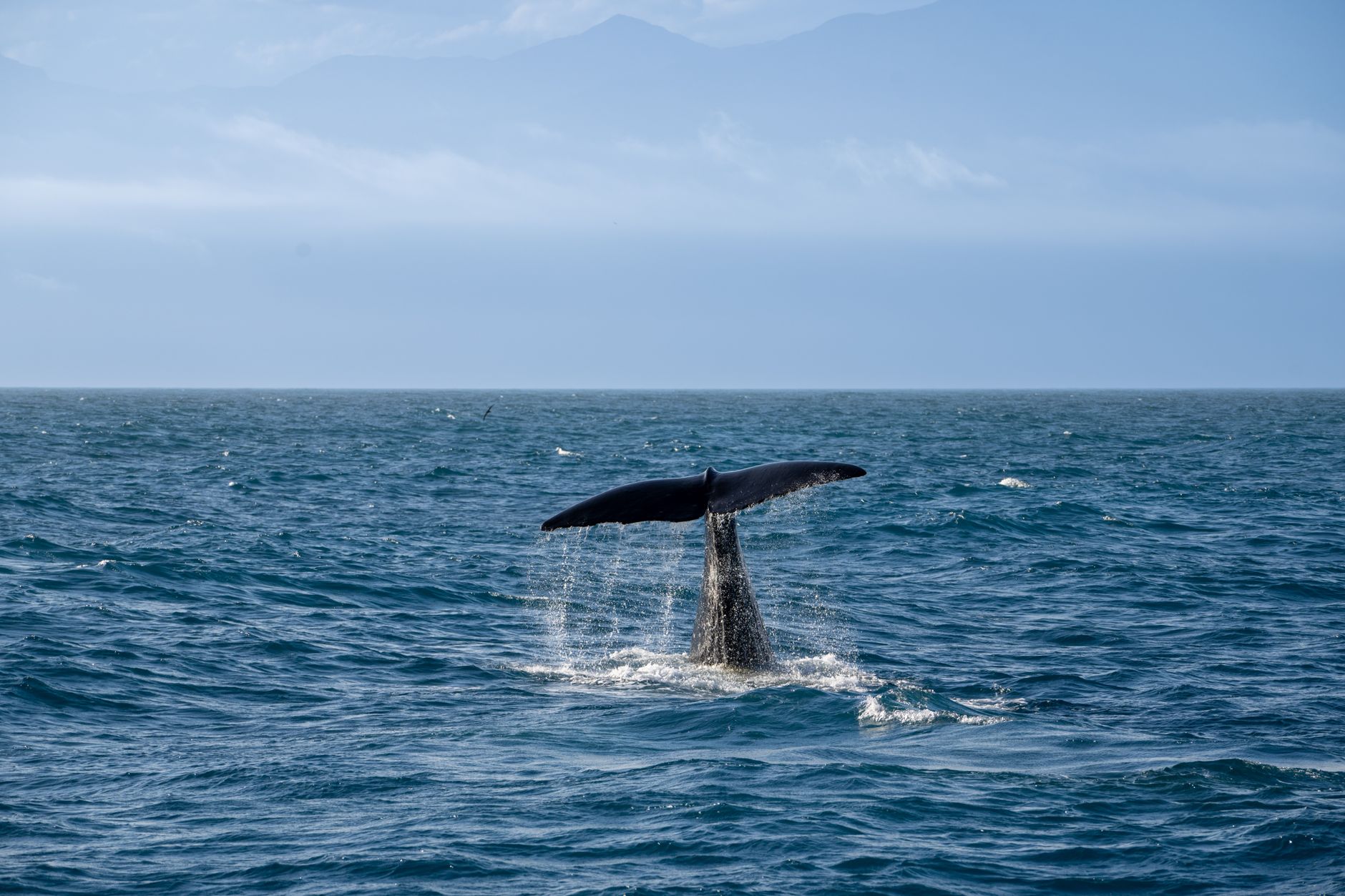
Is it OK to Pet a Whale? The Definitive Guide
The answer is a resounding no. Touching a whale, no matter how tempting, is generally harmful and illegal, impacting both the animal and its environment.

Why “No”? A Deep Dive into Whale Interactions
The allure of these magnificent creatures is undeniable. The gentle giants of the ocean inspire awe and wonder. But our fascination must be tempered with respect for their well-being and the laws protecting them. Is it OK to pet a whale? The answer, explored in detail below, consistently points to “no,” backed by scientific understanding and legal frameworks.
Is distilled water good for goldfish?
What colours are fish most attracted to?
Can you put your finger in a trout's mouth?
Is methylene blue anti bacterial?
The Legal Landscape of Whale Interaction

Most marine mammals, including whales, are protected by law in many countries, including the United States’ Marine Mammal Protection Act (MMPA). This act, among others, prohibits harassing, hunting, capturing, or killing marine mammals. Even seemingly harmless actions like petting can be interpreted as harassment if it disrupts the animal’s natural behavior. Fines and penalties for violating these laws can be significant.
The Potential Harm to Whales
Even with the best intentions, approaching and touching a whale can be detrimental to its health and well-being.
- Stress: Unexpected interactions can cause significant stress to whales. Stress weakens their immune system, making them more susceptible to diseases.
- Disease Transmission: Touching a whale can transmit diseases from humans to whales, and vice versa.
- Disruption of Natural Behavior: Approaching whales can interrupt their feeding, resting, or social interactions, essential for their survival.
- Habituation: Consistent interaction can lead whales to become habituated to humans. This can make them more vulnerable to boat strikes, entanglement in fishing gear, and other threats.
The Ethical Considerations
Beyond the legal and biological aspects, there’s an ethical dimension to consider. Whales are intelligent, sentient beings with complex social structures. We have a responsibility to respect their space and allow them to live their lives undisturbed. Our desire for personal interaction should never supersede their right to a safe and healthy environment.
Circumstances Where Interaction Might Seem Acceptable (But Isn’t)
You might see videos online of people seemingly interacting with whales in a friendly way. However, these situations are often misleading. Even if the whale appears receptive, the potential risks remain.
- “Friendly” Whales: Some whales may approach boats out of curiosity. This doesn’t mean they want to be touched or that it’s safe to do so.
- Orphaned or Injured Whales: Responding to orphaned or injured whales should be left to trained professionals. Attempting to help without proper expertise can cause further harm. Contact local marine mammal stranding networks.
- Captive Whales: Interactions with whales in captivity are highly controversial and raise serious ethical concerns about animal welfare.
Responsible Whale Watching: A Better Alternative
Rather than attempting to touch a whale, engage in responsible whale watching practices. These include:
- Maintaining a Safe Distance: Stay at least 100 yards away from whales.
- Avoiding Sudden Movements and Loud Noises: These can startle and stress the animals.
- Supporting Eco-Tourism Operators: Choose whale watching tours that prioritize the well-being of the whales and follow ethical guidelines.
- Educating Others: Share your knowledge about whale conservation and responsible whale watching.
Summarizing Why You Shouldn’t Pet a Whale
| Reason | Explanation |
|---|---|
| Legality | Protected by laws like the MMPA; touching can be considered harassment. |
| Stress | Disrupts natural behavior and weakens the immune system. |
| Disease | Risk of transmitting diseases between humans and whales. |
| Habituation | Can lead to increased vulnerability to human-related threats. |
| Ethics | Disrespectful to these intelligent and sentient creatures. |
Frequently Asked Questions (FAQs)
Is it legal to swim near a whale?
Whether it is legal to swim near a whale depends on the location and the species of whale. Many countries have laws regulating the distance that people and boats must maintain from whales. It is crucial to research local regulations before entering the water near whales.
What happens if I accidentally touch a whale?
If you accidentally touch a whale, the best thing to do is immediately move away and avoid any further contact. Report the incident to local authorities or marine mammal stranding networks. Even accidental contact can cause stress to the animal.
Are there any circumstances where it’s OK to touch a whale?
The only circumstances where touching a whale might be acceptable are when trained professionals are involved in rescue or research operations. These individuals have the expertise and permits necessary to handle whales safely and responsibly. Never attempt to touch a whale without proper authorization.
Can whales get sick from human contact?
Yes, whales can get sick from human contact. Humans can transmit diseases to whales, and whales can also carry diseases that are harmful to humans. Maintaining a safe distance is crucial to protect both humans and whales.
What should I do if I see someone harassing a whale?
If you witness someone harassing a whale, report the incident to your local marine authorities or the coast guard. Provide as much detail as possible, including the date, time, location, and description of the incident.
Do whales enjoy being touched?
While some whales may appear curious or even “friendly” toward humans, it is highly unlikely that they enjoy being touched. Whales are wild animals with complex social structures and needs. Human interaction can disrupt their natural behavior and cause stress.
How can I learn more about whale conservation?
There are many ways to learn more about whale conservation. Visit reputable websites like the National Oceanic and Atmospheric Administration (NOAA) and the World Wildlife Fund (WWF). Support organizations dedicated to whale research and conservation.
What is responsible whale watching?
Responsible whale watching involves maintaining a safe distance from whales, avoiding sudden movements and loud noises, and supporting eco-tourism operators that prioritize the well-being of the animals. Educate others about responsible whale watching practices.
What are the penalties for harassing whales?
The penalties for harassing whales can vary depending on the location and the specific laws in place. Fines can range from hundreds to thousands of dollars, and in some cases, individuals may face imprisonment.
Can I feed a whale?
No, you should never feed a whale. Feeding whales can alter their natural foraging behavior and make them dependent on humans. It can also lead to health problems and increase their risk of boat strikes and entanglement.
Are some whales more sensitive to human contact than others?
Yes, some whales may be more sensitive to human contact than others. Certain species, such as baleen whales, may be more prone to stress from human interaction. Individual whales may also have different personalities and levels of tolerance.
If a whale approaches my boat, what should I do?
If a whale approaches your boat, stop the engine and allow the whale to pass. Avoid making sudden movements or loud noises. Do not attempt to touch or interact with the whale. Remain calm and respectful. Remember, Is it OK to pet a whale? Definitely not.