
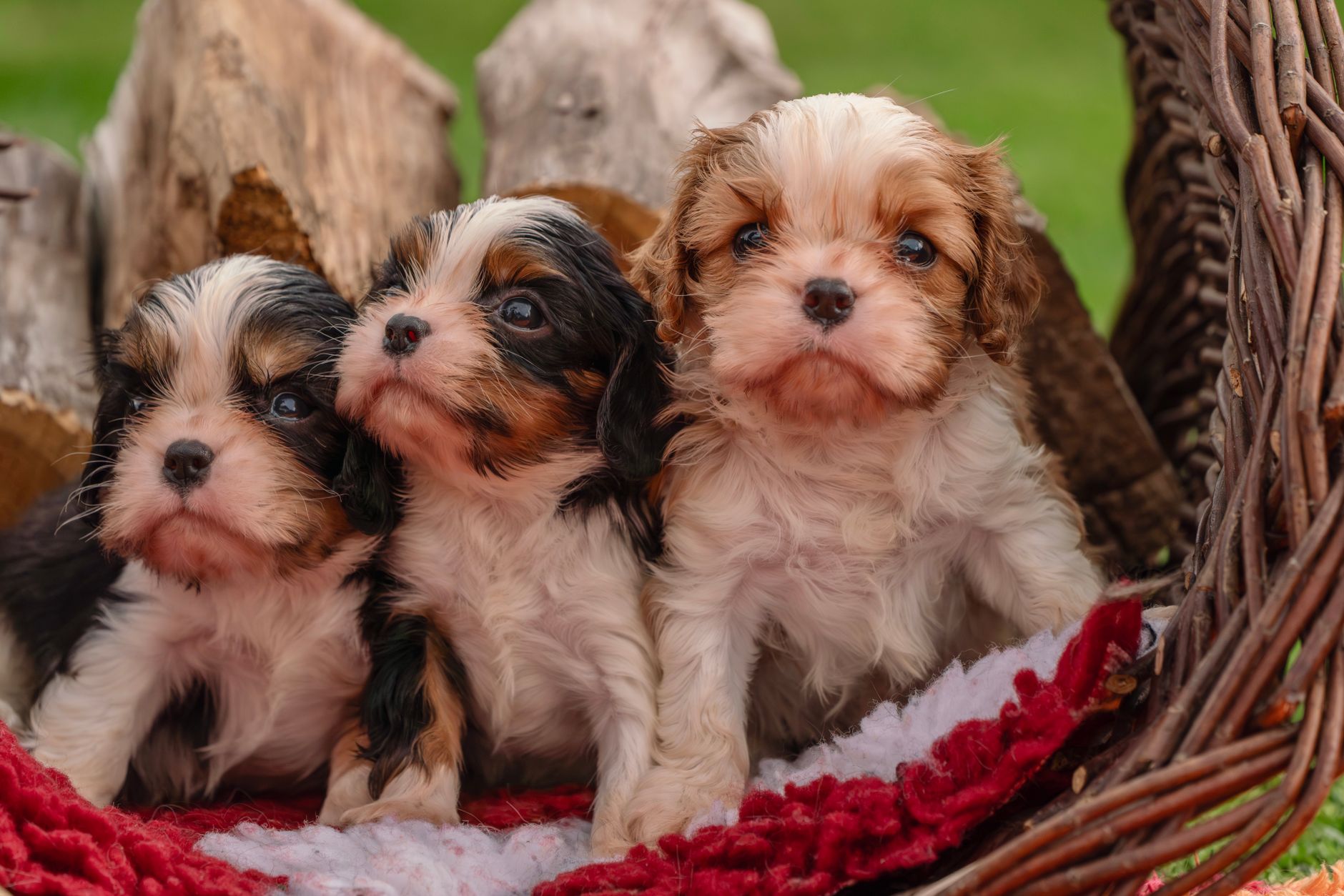
What Makes a Dog Breed Unethical? A Deep Dive
The unethical nature of a dog breed boils down to breeding practices that prioritize aesthetics or specific traits over the health and well-being of the animal, leading to a high prevalence of inherited diseases and a diminished quality of life. Understanding what makes a dog breed unethical is crucial for responsible pet ownership and advocating for humane breeding practices.
Introduction: The Moral Minefield of Dog Breeding
The world of dog breeding is complex, filled with passionate enthusiasts, dedicated breeders, and unfortunately, practices that raise serious ethical concerns. While some breeders meticulously prioritize health and temperament, others focus primarily on achieving a specific look or adhering to breed standards, often at the expense of the dog’s physical and emotional well-being. This imbalance leads to the question: What makes a dog breed unethical?. It is a question that demands careful consideration, exploring the underlying factors that contribute to suffering within certain breeds.
The Root of the Problem: Prioritizing Aesthetics Over Health

The core issue behind unethical breeding lies in the relentless pursuit of specific physical traits, sometimes to extremes. Breed standards, while intended to guide breeding practices, can inadvertently promote features that are detrimental to a dog’s health.
- Exaggerated Features: Breeds with unnaturally short muzzles (brachycephalic breeds like Pugs and Bulldogs), excessively wrinkled skin (Shar Peis), or disproportionately short legs (Dachshunds) often suffer from significant health problems.
- Inbreeding: To maintain breed purity and desired traits, some breeders resort to inbreeding, which increases the risk of passing on recessive genes that cause inherited diseases.
- Lack of Genetic Diversity: A limited gene pool makes breeds more susceptible to developing health problems. This lack of genetic diversity arises when only popular or winning show dogs are used for breeding.
Common Health Issues Associated with Unethical Breeding
Unethical breeding practices commonly lead to a range of debilitating health conditions. These conditions not only compromise the dog’s quality of life but also place a significant emotional and financial burden on their owners.
- Brachycephalic Obstructive Airway Syndrome (BOAS): Affects breeds with shortened muzzles, causing breathing difficulties, overheating, and sleep apnea.
- Hip Dysplasia: A malformation of the hip joint, leading to pain, arthritis, and lameness.
- Intervertebral Disc Disease (IVDD): Common in breeds with long backs, causing spinal cord compression, pain, and paralysis.
- Progressive Retinal Atrophy (PRA): A group of inherited diseases that cause progressive vision loss, eventually leading to blindness.
- Heart Conditions: Some breeds are predisposed to heart diseases like dilated cardiomyopathy (DCM) or mitral valve disease (MVD).
The Breeder’s Role and Responsibility
Ethical breeders play a crucial role in maintaining the health and well-being of their dogs and improving their breeds. Responsible breeding goes beyond simply producing puppies that meet breed standards.
- Health Testing: Reputable breeders conduct thorough health testing on their breeding dogs to screen for inherited diseases and avoid passing them on to future generations. These tests may include hip and elbow evaluations, eye exams, and genetic testing.
- Temperament Assessment: Ethical breeders prioritize breeding dogs with sound temperaments, ensuring that puppies are well-socialized and have a lower risk of developing behavioral problems.
- Responsible Placement: Responsible breeders carefully screen potential owners to ensure that they can provide a suitable home for their puppies. They also offer ongoing support and guidance to help owners care for their dogs.
Alternative Approaches: Embracing Hybrid Vigor
Crossbreeding, or creating mixed-breed dogs, offers a potential solution to the health problems associated with unethical breeding. By introducing new genes into the gene pool, crossbreeding can increase genetic diversity and reduce the risk of inherited diseases. This is often called hybrid vigor.
| Feature | Purebred Dogs | Mixed-Breed Dogs |
|---|---|---|
| Genetic Diversity | Often limited, leading to inherited diseases | Greater diversity, potentially lower risk of disease |
| Health Problems | Predisposed to specific breed-related issues | Generally healthier, less prone to breed-specific issues |
| Predictability | More predictable physical and behavioral traits | Less predictable traits, unique combinations |
Frequently Asked Questions (FAQs)
Is all purebred dog breeding unethical?
No. While unethical breeding certainly exists within purebred dog breeding, responsible breeders prioritize the health and well-being of their dogs, conducting health testing and carefully selecting breeding pairs. The key is to research breeders thoroughly and support those who prioritize ethical practices.
What is “designer breeding” and is it ethical?
“Designer breeding” refers to intentionally crossing two purebred dogs, often with the goal of creating a dog with specific characteristics (e.g., Labradoodle). The ethics of designer breeding are debated, depending on the breeder’s health testing, temperament considerations, and transparency. Some see it as a way to introduce hybrid vigor, while others criticize it for contributing to the pet overpopulation problem.
Are certain breeds inherently more unethical than others?
Yes, certain breeds are more likely to be associated with unethical breeding due to breed standards that promote extreme physical features, such as the brachycephalic breeds (Pugs, Bulldogs, French Bulldogs). These breeds often suffer from severe health problems as a result of these exaggerated traits.
How can I identify an ethical dog breeder?
Identifying an ethical breeder requires careful research and due diligence. Look for breeders who conduct health testing on their dogs, are transparent about their breeding practices, and are willing to answer your questions. Visit their facility to see how the dogs are cared for, and ask for references from previous buyers.
What questions should I ask a dog breeder?
Asking the right questions is crucial for determining whether a breeder is ethical. Some important questions include: What health tests do you conduct on your breeding dogs? What is your philosophy on breeding? Can I see the parents of the puppies? What kind of socialization do you provide for the puppies? What happens if my dog develops a health problem?
Should I rescue a dog instead of buying from a breeder?
Rescuing a dog is a wonderful and ethical choice. It provides a loving home for a dog in need and helps reduce pet overpopulation. Many rescue dogs are healthy and well-adjusted, and they can make wonderful companions. However, the choice ultimately depends on individual circumstances and preferences.
What is the role of breed standards in unethical breeding?
Breed standards, while intended to guide breeding practices, can inadvertently promote unhealthy traits. When breeders prioritize adhering to breed standards over the health and well-being of their dogs, it can lead to unethical breeding practices.
What is the impact of unethical breeding on animal shelters and rescue organizations?
Unethical breeding contributes to pet overpopulation, which puts a strain on animal shelters and rescue organizations. These organizations are often overwhelmed with unwanted and abandoned dogs, many of whom have health problems caused by unethical breeding.
How can consumers influence ethical dog breeding practices?
Consumers play a critical role in promoting ethical dog breeding practices. By supporting responsible breeders and avoiding breeders who prioritize aesthetics over health, consumers can send a clear message that unethical breeding is unacceptable. Adopting from shelters and rescues is another powerful way to reduce the demand for puppies from unethical breeders.
What are the legal regulations surrounding dog breeding and how effective are they?
Legal regulations surrounding dog breeding vary widely by location. In some areas, there are minimal regulations, while in others, there are laws addressing issues such as kennel size, sanitation, and health care. However, the effectiveness of these regulations is often limited due to lack of enforcement and loopholes.
What is “puppy farming” and how is it related to unethical breeding?
“Puppy farming” refers to large-scale commercial dog breeding operations where profit is prioritized over the health and welfare of the dogs. Puppy farms are notorious for their unethical breeding practices, including overcrowding, poor sanitation, lack of veterinary care, and inbreeding.
What are the long-term consequences of supporting unethical dog breeds?
Supporting unethical dog breeds perpetuates the suffering of dogs with inherited health problems. It also contributes to the overpopulation of animals in shelters and rescues, and it undermines the efforts of responsible breeders who are working to improve the health and well-being of dogs. Ultimately, understanding what makes a dog breed unethical and choosing to support responsible practices is key to creating a better future for all dogs.