
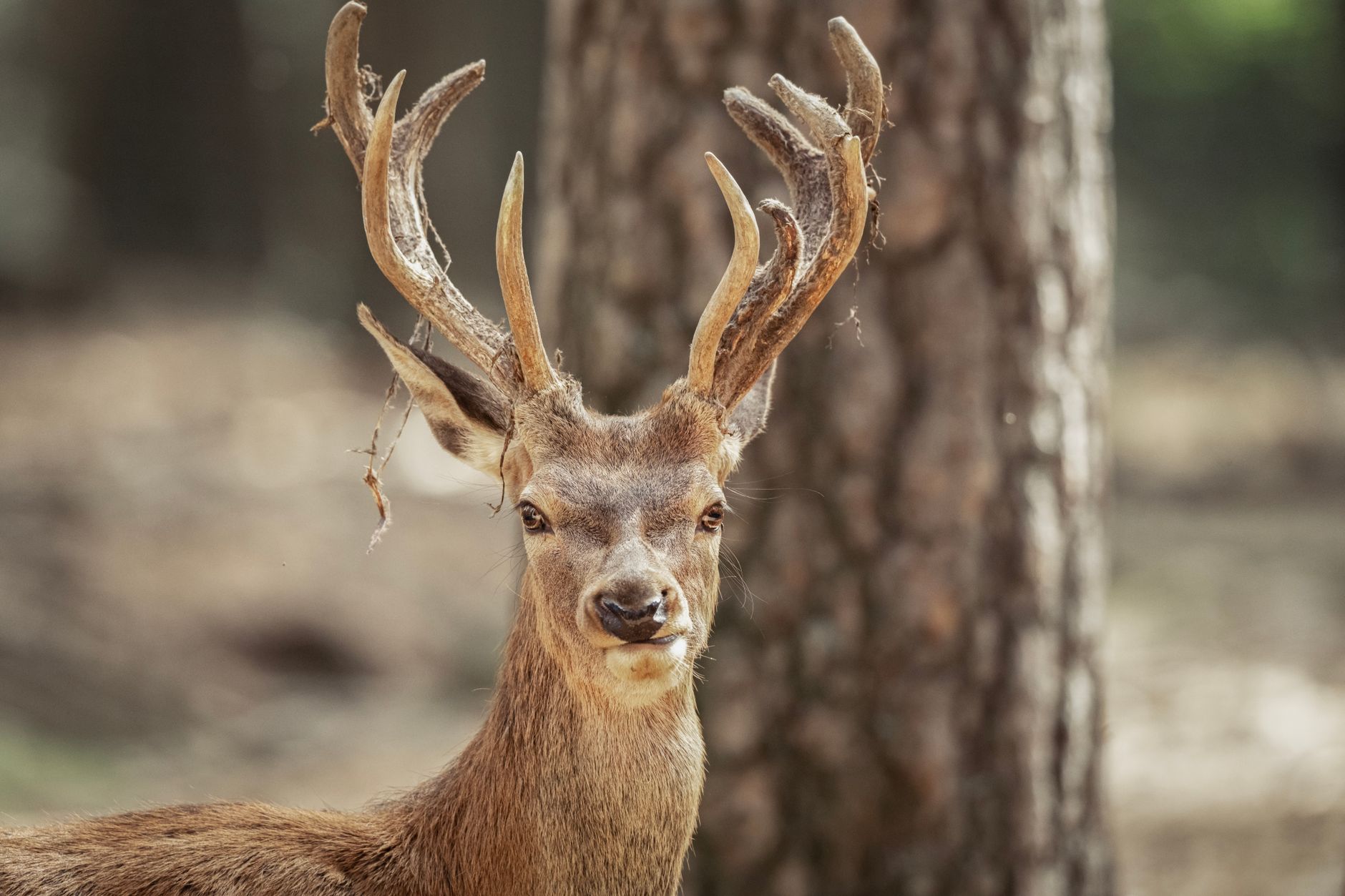
Is it Necessary to Hang Deer?
Hanging deer is not strictly necessary for all hunters, but hanging deer properly can significantly improve the quality and flavor of the venison by allowing rigor mortis to pass and beneficial enzymatic processes to occur.
The Tradition and Science of Hanging Deer
Hanging deer is a practice steeped in tradition, passed down through generations of hunters. Beyond simply being a ritual, hanging a deer serves a practical purpose: to improve the tenderness and flavor of the meat. This happens through a combination of factors, primarily related to the post-mortem processes occurring within the carcass.

What colours are fish most attracted to?
Can you put your finger in a trout's mouth?
Is methylene blue anti bacterial?
Does aquarium salt raise pH in aquarium?
Understanding Rigor Mortis

Rigor mortis, or the stiffening of muscles after death, is a critical phase. During this period, the muscle fibers contract and become tough. Hanging a deer allows this process to complete before butchering, which is essential for optimal tenderness. Once rigor mortis passes, the muscles begin to relax, contributing to a more palatable final product.
The Benefits of Hanging Deer
Hanging deer offers several key advantages:
- Enhanced Tenderness: The passing of rigor mortis and enzymatic breakdown of muscle fibers results in significantly more tender meat.
- Improved Flavor: Enzymatic activity also breaks down complex proteins and fats, leading to a richer, more developed flavor profile in the venison.
- Drier Meat: Air circulation around the carcass during hanging helps to draw out moisture, concentrating the flavors and preventing spoilage.
The Process: How to Hang a Deer Properly
Hanging a deer requires careful attention to detail to ensure food safety and optimal results. Here’s a step-by-step guide:
- Field Dressing: Immediately after harvesting the deer, field dress it to remove the entrails and cool the carcass. This is crucial to prevent spoilage.
- Cleaning: Thoroughly clean the cavity with clean water (potable if available) and dry it as best as possible.
- Hanging Method: You can hang the deer by either the hind legs or the head, depending on your preference and setup. Using gambrels (metal or plastic supports) through the hocks of the hind legs is a common and effective method.
- Temperature Control: Maintain a consistent temperature of between 34°F and 40°F (1°C and 4°C). This is essential for safe aging and preventing bacterial growth. If temperatures rise above this, reduce hanging time.
- Humidity Control: Aim for humidity levels between 75% and 85%. High humidity can promote bacterial growth, while low humidity can cause excessive drying.
- Air Circulation: Ensure good air circulation around the carcass to prevent moisture buildup and encourage even drying.
- Monitoring: Regularly monitor the deer for any signs of spoilage, such as off odors, discoloration, or excessive slime.
- Hanging Time: The optimal hanging time depends on the temperature, humidity, and desired level of aging. Generally, 7-14 days is recommended in ideal conditions, but this can be shorter in warmer temperatures.
Factors Influencing Hanging Time
Several factors influence the ideal hanging time for deer:
| Factor | Impact on Hanging Time |
|---|---|
| Temperature | Higher temperatures require shorter hanging times to prevent spoilage. Lower temperatures allow for longer hanging times. |
| Humidity | High humidity shortens hanging time. Low humidity allows for a longer hang. |
| Deer Size | Larger deer may benefit from longer hanging times to allow for more thorough aging. |
| Deer Age | Older deer often benefit from longer hanging times than younger deer. |
| Personal Taste | Some hunters prefer a stronger, more “gamey” flavor, which is achieved through longer hanging times. |
Is It Necessary to Hang Deer? Alternatives and Considerations
While hanging is the traditional method, alternative methods exist:
- Refrigeration: If proper hanging conditions are unavailable, refrigeration is a viable alternative. The deer can be quartered and stored in a refrigerator at a consistent temperature, allowing for some aging to occur.
- Freezing: Freezing the meat immediately after processing will preserve it but will not allow for any aging to occur. This is a good option if you need to store the meat for an extended period.
The decision on whether to hang a deer depends on factors such as available facilities, the hunter’s experience, and personal preferences. In some cases, refrigeration or immediate freezing may be more practical and safer. However, for those seeking the ultimate in venison quality, proper hanging remains the gold standard. Ultimately, the question Is it necessary to hang deer? becomes a personal choice based on the trade-offs between convenience and potential flavour enhancement.
Common Mistakes to Avoid
Several common mistakes can compromise the quality of hung deer:
- Inadequate Cooling: Failing to cool the carcass quickly after field dressing is a major cause of spoilage.
- Improper Temperature Control: Allowing the hanging temperature to fluctuate significantly can lead to uneven aging and bacterial growth.
- Insufficient Air Circulation: Poor air circulation promotes moisture buildup, creating an environment conducive to spoilage.
- Overhanging: Hanging the deer for too long, especially in warmer temperatures, can result in undesirable flavors and textures.
- Contamination: Poor hygiene during field dressing and processing can introduce harmful bacteria to the meat.
Frequently Asked Questions (FAQs)
What is the ideal temperature range for hanging deer?
The ideal temperature range for hanging deer is between 34°F and 40°F (1°C and 4°C). Maintaining this temperature range is critical for safe aging and preventing bacterial growth. Deviations from this range can significantly impact the quality and safety of the venison.
How long should I hang a deer?
The optimal hanging time varies, but generally, 7-14 days is recommended under ideal conditions (34-40°F, 75-85% humidity). Factors like temperature, humidity, deer size, and personal preference influence the ideal hanging time. Regularly monitor the deer for signs of spoilage.
What are the signs of spoilage in a hanging deer?
Signs of spoilage include off odors, discoloration (greenish or slimy), and excessive slime on the carcass. If you observe any of these signs, it’s best to err on the side of caution and butcher the deer immediately or discard it.
Is it safe to hang a deer in my garage?
Hanging a deer in your garage is generally not recommended unless you can maintain a consistent temperature and humidity level within the ideal range. Garages are often subject to temperature fluctuations, which can compromise the safety and quality of the meat.
Can I hang a deer if the temperature is above 40°F?
While not ideal, you can still hang a deer if the temperature is above 40°F, but you’ll need to significantly reduce the hanging time. Closely monitor the deer for signs of spoilage, and butcher it as soon as possible. Refrigeration is a better alternative if consistently cool temperatures cannot be maintained.
Does hanging deer make the meat “gamey”?
Properly hanging deer should not make the meat excessively “gamey.” The enzymatic processes that occur during hanging can actually improve the flavor by breaking down complex proteins and fats. However, overhanging or improper handling can lead to undesirable flavors.
What equipment do I need to hang a deer?
Essential equipment includes gambrels (for hanging), a hoist or winch, a thermometer, and potentially a humidifier or dehumidifier depending on your environment. A clean, well-ventilated space is also necessary.
How does humidity affect hanging deer?
High humidity can promote bacterial growth and shorten hanging time. Low humidity can cause excessive drying and a hard outer layer. Ideally, you should aim for humidity levels between 75% and 85%.
What if I don’t have the space or facilities to hang a deer?
If you lack the space or facilities to hang a deer, refrigeration is a good alternative. You can quarter the deer and store it in a refrigerator at a consistent temperature, allowing for some aging to occur.
Is hanging deer a legal requirement?
No, hanging deer is not a legal requirement in most jurisdictions. However, hunters are responsible for ensuring the meat is safe for consumption, and proper handling and storage practices are essential for food safety.
Is it necessary to hang deer that has been shot during warm weather?
When deer is harvested in warm weather, the risk of spoilage increases significantly. Therefore, hanging is less advisable. Rapid cooling and immediate butchering are crucial. If you opt to hang, extremely close monitoring and significantly reduced hanging times are essential. Often, direct refrigeration is the safest choice.
Can I use a commercial refrigerator to hang a deer?
Yes, a commercial refrigerator is ideal for hanging deer as it provides consistent temperature and humidity control. However, ensure the refrigerator is clean and free of any strong odors that could taint the meat. Ensure adequate airflow is present.