

What is the Best Small Lap Dog?
The title of best is subjective, but for affectionate companionship in a small package, the Cavalier King Charles Spaniel often tops the list; their gentle temperament and adaptable nature make them ideal for snuggling on the couch. Choosing a lap dog involves considering breed characteristics, lifestyle compatibility, and individual needs.

Introduction: A World of Petite Companions
The allure of a small dog nestled comfortably on your lap is undeniable. For many, the idea conjures images of cozy evenings spent in mutual affection and playful interactions. But what is the best small lap dog for you? The answer isn’t always straightforward and depends on individual circumstances and preferences. This article delves into the world of petite canine companions, exploring various breeds known for their lap-dog qualities, factors to consider before choosing, and addressing frequently asked questions to guide you toward finding your perfect furry friend.
Defining the Ideal Lap Dog

While size is a primary factor, the best lap dog is more than just small. Key characteristics include a gentle and affectionate temperament, a moderate energy level suitable for indoor living, and a willingness to cuddle. Some breeds are naturally more inclined to be lap dogs than others, exhibiting a strong desire for human companionship and physical closeness.
Popular Lap Dog Breeds: A Comprehensive Overview
Here are several popular small dog breeds that often excel as lap dogs:
- Cavalier King Charles Spaniel: Renowned for their affectionate and gentle nature, they adapt well to various lifestyles and thrive on human interaction.
- Maltese: Known for their silky white coat and playful personality, Maltese are loyal companions who enjoy spending time with their owners.
- Shih Tzu: Bred specifically for companionship, Shih Tzus are affectionate and thrive on being close to their humans. They require regular grooming.
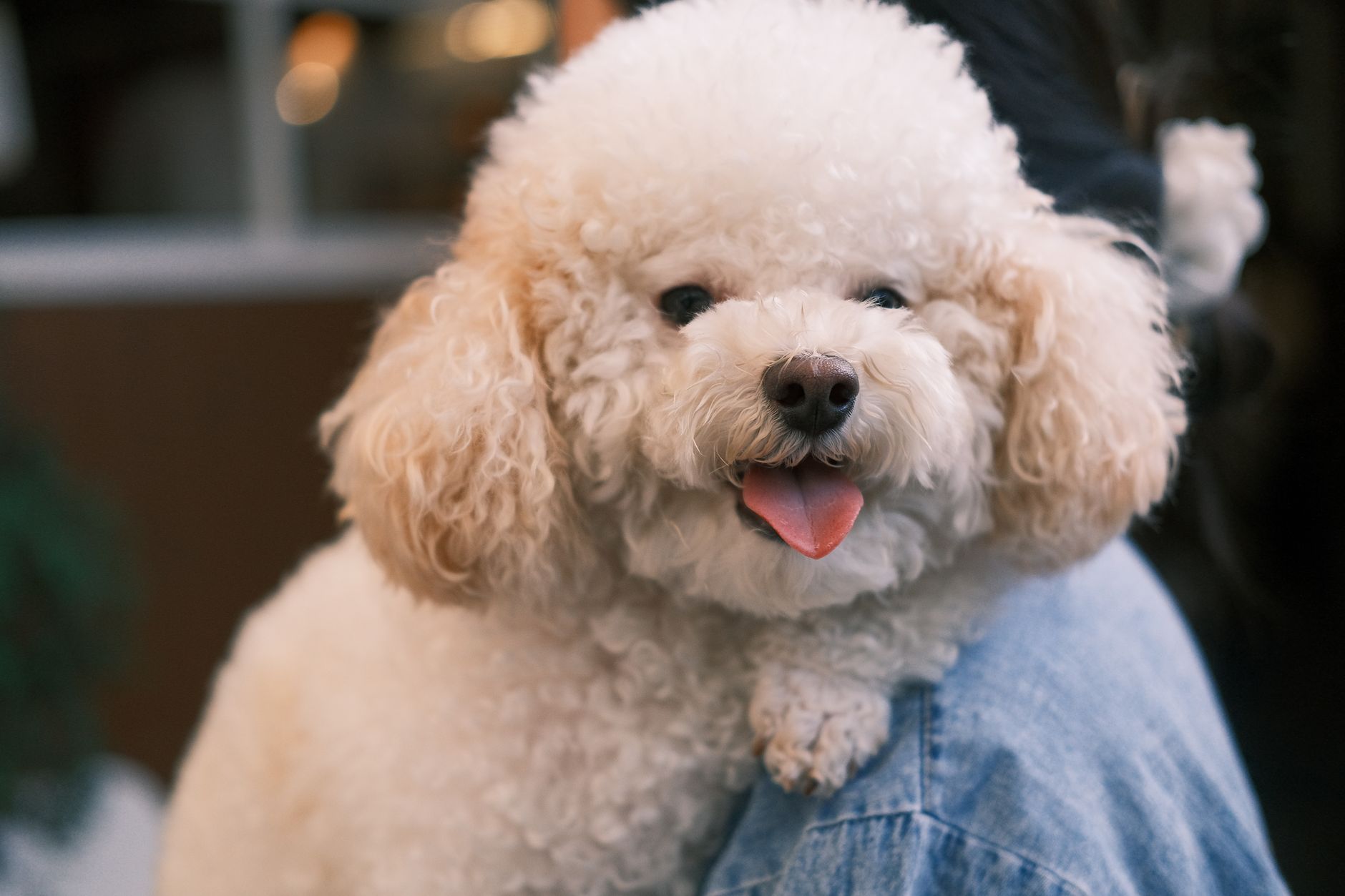
- Bichon Frise: These fluffy white dogs are cheerful and affectionate, making them excellent companions for families and individuals alike.
- Pomeranian: While energetic, Pomeranians also enjoy cuddling and are fiercely loyal to their owners. Their thick coat requires regular grooming.
- Havanese: Intelligent and affectionate, Havanese are known for their playful personalities and love of human interaction.
- Pug: With their charming wrinkles and playful demeanor, Pugs make affectionate and comical lap dogs, though they can be prone to breathing issues.
Factors to Consider Before Choosing
Choosing the best small lap dog requires careful consideration of several factors:
- Lifestyle: Consider your activity level, living space, and daily routine. A more active breed might not be the best fit for a sedentary lifestyle.
- Grooming Needs: Long-haired breeds require regular grooming to prevent matting and maintain their coat’s health.
- Allergies: Some breeds are considered hypoallergenic, meaning they produce less dander, but no breed is completely allergy-free. Consider spending time with the breed before committing.
- Health Concerns: Research breed-specific health problems to understand potential veterinary costs.
- Temperament: Match the breed’s temperament to your personality and preferences.
Training and Socialization
Even the most naturally affectionate lap dog needs proper training and socialization. Early socialization helps them become well-adjusted and confident, while basic obedience training establishes clear boundaries and strengthens the bond between you and your dog. Positive reinforcement methods are particularly effective for small breeds.
Common Mistakes When Choosing a Lap Dog
- Choosing Based Solely on Appearance: While aesthetics are important, prioritize temperament and compatibility over looks.
- Underestimating Grooming Needs: Be prepared to commit to regular grooming, both at home and with a professional groomer.
- Ignoring Exercise Needs: Even lap dogs need regular exercise, even if it’s just short walks or playtime indoors.
- Neglecting Training: Lack of training can lead to behavioral problems, even in small breeds.
Table: Comparing Popular Lap Dog Breeds
| Breed | Size (inches) | Temperament | Grooming Needs | Exercise Needs | Common Health Issues |
|---|---|---|---|---|---|
| :—————————- | :———— | :———————– | :————- | :————- | :————————– |
| Cavalier King Charles Spaniel | 12-13 | Affectionate, Gentle | Moderate | Moderate | Heart Issues, Syringomyelia |
| Maltese | 8-10 | Playful, Affectionate | High | Low | Dental Problems, Tracheal Collapse |
| Shih Tzu | 9-10.5 | Affectionate, Outgoing | High | Low | Breathing Issues, Eye Problems |
| Bichon Frise | 9.5-11.5 | Cheerful, Affectionate | High | Moderate | Allergies, Luxating Patella |
| Pomeranian | 6-7 | Lively, Loyal | Moderate | Moderate | Tracheal Collapse, Alopecia X |
| Havanese | 8.5-11.5 | Intelligent, Affectionate | Moderate | Moderate | Luxating Patella, Eye Issues |
| Pug | 10-13 | Playful, Charming | Low | Low | Breathing Issues, Eye Problems |
Conclusion: Finding Your Perfect Lap Dog
Ultimately, determining what is the best small lap dog is a personal journey. By carefully considering your lifestyle, preferences, and the specific needs of different breeds, you can find a loving and devoted companion to share your life with. Researching, meeting dogs in person, and consulting with breeders or rescue organizations can help you make an informed decision and welcome the perfect furry friend into your home.
Frequently Asked Questions (FAQs)
Are all small dogs good lap dogs?
No, not all small dogs are naturally inclined to be lap dogs. Some breeds are more independent or have higher energy levels that make them less likely to enjoy cuddling for extended periods. It’s important to research breed temperaments to find a dog that aligns with your lap-dog expectations.
Do hypoallergenic dogs make good lap dogs for allergy sufferers?
While no dog is truly hypoallergenic, some breeds produce less dander, a common allergen. Maltese, Bichon Frise, and Shih Tzus are often considered better choices for allergy sufferers. However, it’s crucial to spend time with the dog before committing to assess your individual reaction.
What size dog is considered a lap dog?
Generally, dogs weighing under 20 pounds are considered lap dogs. However, size is only one factor; temperament and willingness to cuddle are equally important.
How much exercise does a lap dog need?
Even though they are small, lap dogs still need regular exercise to stay healthy and happy. Daily walks, playtime indoors, and interactive toys can help them burn energy and maintain a healthy weight. Aim for at least 30 minutes of exercise per day.
Are lap dogs easy to train?
Training difficulty varies depending on the breed. Some small breeds, like Cavalier King Charles Spaniels and Havanese, are relatively easy to train, while others, like Chihuahuas, can be more stubborn. Consistency and positive reinforcement are key to successful training.
What are some common health problems in lap dog breeds?
Common health problems in small breeds include dental issues, tracheal collapse, luxating patella (dislocated kneecap), and heart problems. Regular veterinary checkups can help detect and manage these conditions.
How do I socialize a lap dog puppy?
Early socialization is crucial for a well-adjusted lap dog. Expose your puppy to various sights, sounds, people, and other animals in a positive and controlled manner. Puppy classes and playdates can be excellent socialization opportunities.
Are lap dogs good with children?
Some lap dog breeds, like Cavalier King Charles Spaniels and Bichon Frises, are generally good with children, but it’s important to teach children how to interact respectfully with dogs. Supervision is always recommended, especially with young children.
What’s the best way to groom a long-haired lap dog?
Long-haired breeds require regular brushing to prevent matting and tangles. Daily brushing is ideal, and professional grooming every 4-6 weeks is recommended. Invest in quality grooming tools, such as a slicker brush and a metal comb.
Are lap dogs prone to separation anxiety?
Some lap dogs can be prone to separation anxiety due to their strong bond with their owners. Provide plenty of mental and physical stimulation when you’re away, and consider crate training or leaving them with a puzzle toy.
Can I leave a lap dog alone for long periods?
While lap dogs enjoy companionship, they can be left alone for reasonable periods with proper preparation. Ensure they have access to food, water, and a comfortable place to rest. Consider hiring a dog walker or pet sitter if you’ll be gone for extended periods.
Where can I find a reputable lap dog breeder or rescue organization?
Research breeders thoroughly, looking for those who prioritize health testing and responsible breeding practices. Local breed-specific rescue organizations are also a great place to find a loving lap dog in need of a home. Always visit the breeder or rescue organization and meet the dog before making a commitment.