
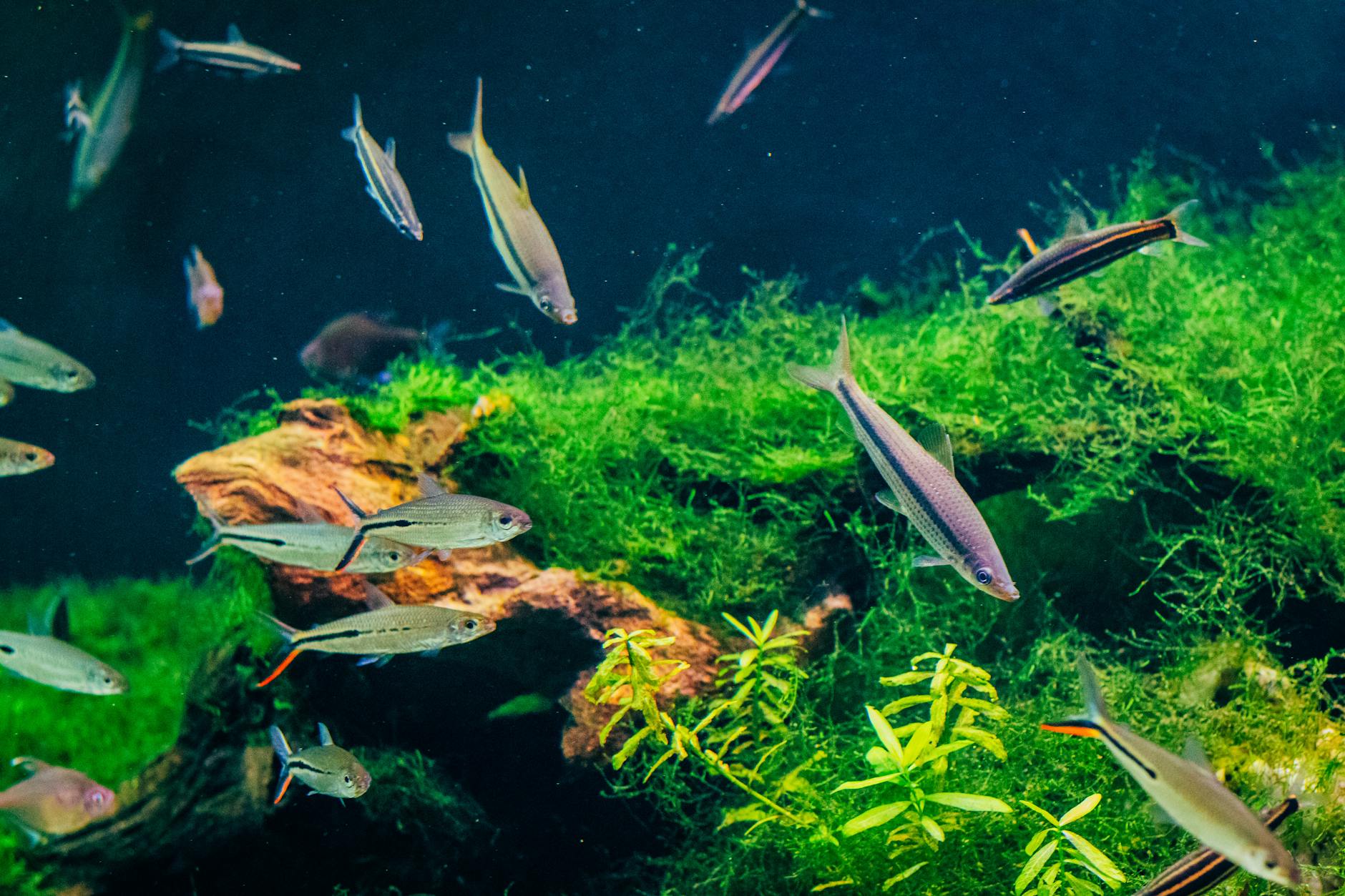
Is Green Algae in a Fish Tank Good or Bad? A Comprehensive Guide
Generally, green algae in a fish tank is a mixed bag; it can be beneficial in small amounts, contributing to a natural ecosystem, but excessive growth is definitely bad, disrupting the tank’s balance and aesthetic appeal.

Understanding Green Algae in Fish Tanks
Green algae are single-celled or multicellular photosynthetic organisms that can thrive in freshwater environments, including aquariums. While often viewed as a nuisance, algae play a natural role in aquatic ecosystems. Whether its presence is desirable or detrimental depends on the type of algae, its abundance, and the specific needs of your aquarium.

How many fish can you put in a 200 gallon tank?
Can I put pink Himalayan salt in a fish tank?
What fish is Flo?
How intelligent are fish?
The Good Side: Benefits of Green Algae

Believe it or not, some green algae is actually beneficial to a fish tank:
- Oxygen Production: Like plants, green algae produce oxygen during photosynthesis, which is essential for fish and other aquatic life.
- Nutrient Consumption: Algae consume nitrates and phosphates from the water, helping to maintain water quality and prevent the buildup of harmful substances.
- Food Source: Certain fish, snails, and invertebrates graze on algae, providing them with a natural food source.
- Natural Ecosystem: A small amount of algae can create a more natural-looking aquarium, mimicking the conditions of a wild aquatic environment.
The Bad Side: When Green Algae Becomes a Problem
Excessive algae growth, often referred to as an algae bloom, can quickly turn a healthy aquarium into an unsightly mess:
- Aesthetic Issues: Overgrowth can cloud the water, cover decorations, and make it difficult to see your fish.
- Reduced Oxygen Levels: During nighttime, algae consume oxygen, potentially leading to oxygen depletion, which can stress or even kill fish.
- Imbalance of Nutrients: A massive algae bloom depletes nitrates and other nutrients, but when it dies off, the decaying algae releases these nutrients back into the water, fueling further algae growth or the growth of other undesirable organisms.
- Filter Clogging: Excessive algae can clog filters, reducing their effectiveness and requiring more frequent cleaning.
Types of Green Algae in Fish Tanks
Not all green algae are created equal. Identifying the type of algae in your tank can help you determine the best course of action:
- Green Spot Algae: Appears as small, hard green spots on the glass or decorations. Relatively harmless and easily controlled by algae-eating snails.
- Green Dust Algae: Creates a fine, powdery green coating on surfaces. Can be difficult to remove manually but usually disappears on its own after a few weeks if water parameters are balanced.
- Hair Algae: Forms long, stringy filaments. Can be unsightly and difficult to eradicate once established, often requiring manual removal and adjustments to water parameters.
- Green Water Algae (Algae Bloom): Turns the water a murky green. Often caused by excessive nutrients and light. Requires significant intervention, such as water changes and blackouts, to control.
Controlling Green Algae: A Step-by-Step Guide
The key to managing green algae is preventing excessive growth. Here’s a step-by-step guide:
- Identify the Cause: Determine why the algae is growing in the first place. Common causes include excessive light, high nutrient levels, and poor water circulation.
- Adjust Lighting: Reduce the amount of light your tank receives. Limit the duration of artificial lighting to 8-10 hours per day. Avoid placing your tank in direct sunlight.
- Improve Water Quality: Perform regular water changes (25-50% weekly) to remove excess nutrients. Ensure your filtration system is adequate for the size of your tank and the number of fish.
- Manual Removal: Scrape algae off the glass with an algae scraper. Remove hair algae manually by hand or with a toothbrush.
- Add Algae Eaters: Introduce algae-eating fish, snails, or shrimp to your tank. Otocinclus catfish, Nerite snails, and Amano shrimp are all excellent choices.
- Nutrient Control: Monitor nitrate and phosphate levels. Use a phosphate-removing media in your filter if necessary. Avoid overfeeding your fish.
- Water Circulation: Ensure adequate water circulation throughout the tank to prevent dead spots where algae can thrive.
Common Mistakes When Dealing with Green Algae
Avoid these common pitfalls when trying to control green algae:
- Over-Reliance on Algaecides: Algaecides can be effective, but they are a temporary solution and can harm beneficial bacteria in your tank.
- Ignoring the Root Cause: Simply removing the algae without addressing the underlying cause will only lead to a recurrence.
- Overfeeding: Excessive food breaks down and contributes to high nutrient levels, fueling algae growth.
- Inadequate Water Changes: Infrequent or small water changes allow nutrients to accumulate, promoting algae blooms.
- Incorrect Lighting: Using the wrong type of lighting or providing too much light can exacerbate algae problems.
Frequently Asked Questions (FAQs)
Is green algae harmful to fish?
In small amounts, green algae is not harmful to fish and can even be beneficial. However, excessive algae growth can lead to oxygen depletion, which can stress or even kill fish. Dying algae can also release toxins into the water, impacting fish health.
What causes a green algae bloom in a fish tank?
A green algae bloom is typically caused by a combination of factors, including excessive light, high nutrient levels (nitrates and phosphates), and poor water circulation. Overfeeding fish, infrequent water changes, and inadequate filtration can all contribute to these conditions.
How can I prevent green algae from growing in my fish tank?
Preventing green algae involves controlling light exposure, maintaining good water quality through regular water changes and proper filtration, avoiding overfeeding, and introducing algae-eating species to your tank. Regularly testing water parameters can help you identify and address any imbalances.
What are the best algae-eating fish for a freshwater aquarium?
Some of the best algae-eating fish for freshwater aquariums include Otocinclus catfish, Siamese algae eaters, and Plecos (although some Pleco species can grow very large). Consider the size of your tank and the specific type of algae you are trying to control when selecting algae-eating fish.
Are snails good for controlling green algae?
Yes, snails can be very effective at controlling green algae in a fish tank. Nerite snails are particularly good at grazing on algae on glass and decorations, while Mystery snails can help with general detritus and algae cleanup. Be careful not to overstock your tank with snails, as they can produce a lot of waste.
Can I use chemicals to remove green algae from my fish tank?
While chemical algaecides can be effective at killing green algae, they should be used as a last resort. Algaecides can disrupt the biological balance of your tank and may be harmful to fish and invertebrates. Always follow the manufacturer’s instructions carefully and consider non-chemical methods first.
How often should I clean my fish tank to prevent green algae growth?
You should perform regular water changes (25-50%) at least once a week to help prevent green algae growth. You should also clean the glass and decorations regularly to remove any visible algae buildup.
What type of lighting is best for preventing green algae in a fish tank?
LED lighting with a balanced spectrum is generally recommended for preventing green algae growth. Avoid using lights that are too intense or that emit excessive amounts of red or blue light, as these can promote algae growth. Limit the duration of lighting to 8-10 hours per day.
Is it possible to completely eliminate green algae from a fish tank?
It is very difficult and often undesirable to completely eliminate green algae from a fish tank. A small amount of algae is natural and can even be beneficial. The goal is to control algae growth and prevent it from becoming excessive.
Why is my green algae turning brown?
Green algae turning brown can indicate a couple of issues: it could be dying off due to a lack of nutrients or light, or it could be a sign of brown algae (diatoms) taking over. Diatoms are common in new tanks and usually disappear on their own. Check your water parameters and adjust your lighting accordingly.
What are the benefits of using live plants in a fish tank to combat green algae?
Live plants compete with green algae for nutrients and light, helping to suppress algae growth. They also provide oxygen and create a more natural and aesthetically pleasing environment for your fish.
My green algae keeps coming back, even after cleaning. What am I doing wrong?
If your green algae keeps recurring, it’s likely that you are not addressing the underlying cause of the problem. Review your lighting, nutrient levels, water circulation, and feeding habits. Ensure you are performing regular water changes and that your filtration system is adequate. You may also need to adjust the balance of algae-eating species in your tank.