

Is Cucumber Good For Diabetic Dogs? The Crisp Truth
Yes, in most cases, cucumber is good for diabetic dogs. It’s a low-calorie, low-carbohydrate snack that can provide hydration and essential nutrients without significantly impacting blood sugar levels.
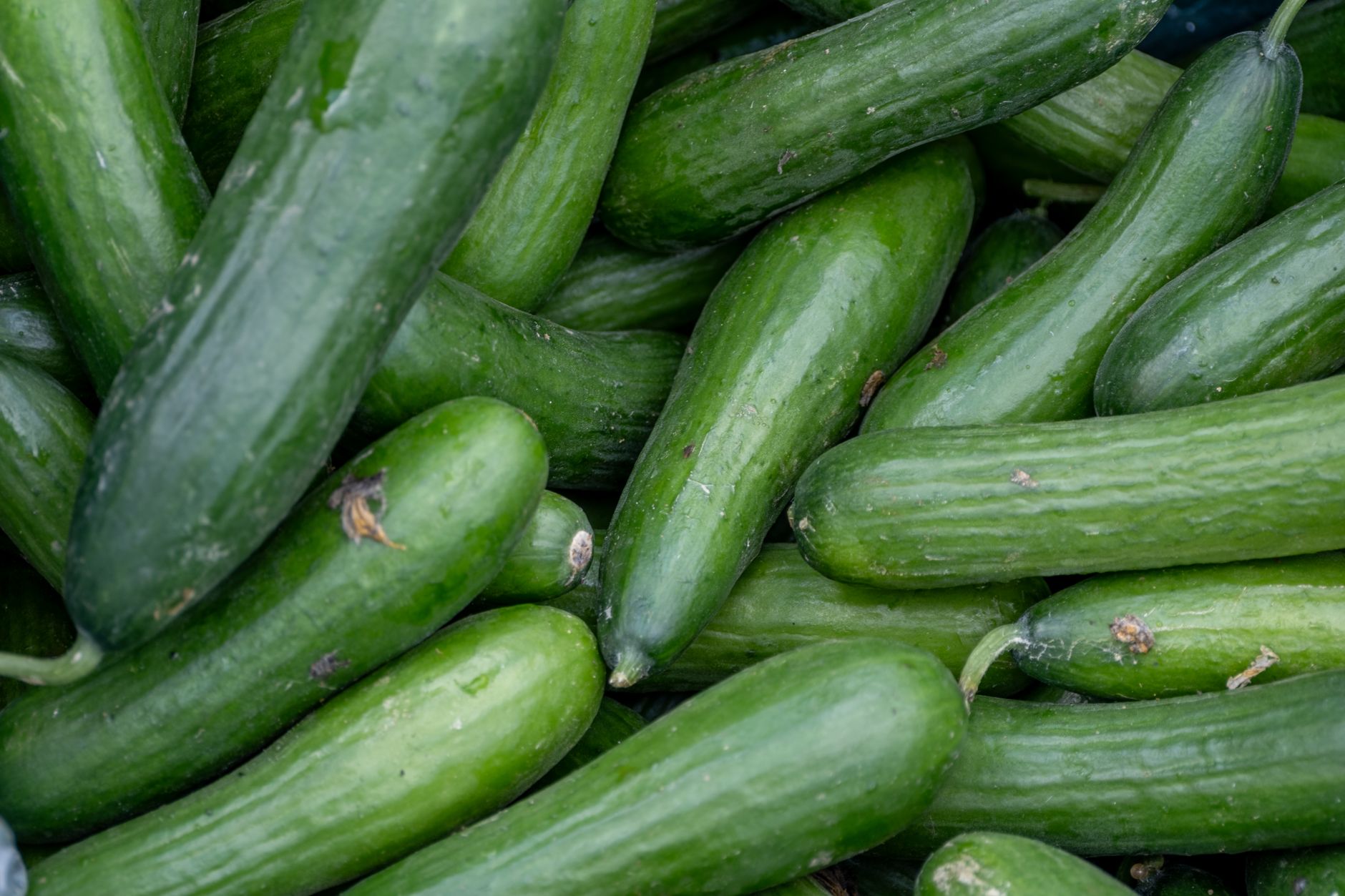
Introduction: A Refreshing Treat for Your Diabetic Companion
Managing canine diabetes requires careful attention to diet. Treats, while a source of joy for both pet and owner, can be tricky. High-sugar or high-carbohydrate snacks can cause dangerous spikes in blood glucose, undermining your best efforts at controlling the disease. This is where unexpected allies like cucumber can come in. Is cucumber good for diabetic dogs? The answer, generally, is a resounding yes, but understanding why and how is essential for responsible pet ownership.

What colours are fish most attracted to?
Can you put your finger in a trout's mouth?
Is methylene blue anti bacterial?
Does aquarium salt raise pH in aquarium?
The Nutritional Profile of Cucumbers: A Diabetic Dog’s Friend

Cucumbers are primarily water (around 96%), making them incredibly hydrating. They also contain small amounts of vitamins and minerals, including:
- Vitamin K: Important for blood clotting and bone health.
- Vitamin C: An antioxidant that supports the immune system.
- Potassium: An electrolyte that helps regulate nerve function and muscle contractions.
- Magnesium: Involved in hundreds of bodily processes, including blood sugar control.
- Fiber: Promotes gut health and can help regulate blood sugar absorption.
The key benefit for diabetic dogs lies in cucumbers’ low carbohydrate and calorie count. A typical 100-gram serving contains only about 3 grams of carbohydrates and 15 calories. This makes them a much safer alternative to processed dog treats, which are often loaded with sugars and starches.
Benefits of Cucumber for Diabetic Dogs
Beyond the nutritional profile, cucumbers offer several specific benefits for dogs with diabetes:
- Hydration: Diabetic dogs are often prone to dehydration due to increased urination. Cucumbers provide a refreshing source of fluids.
- Weight Management: Maintaining a healthy weight is crucial for managing diabetes. The low-calorie nature of cucumbers makes them a guilt-free snack for overweight diabetic dogs.
- Blood Sugar Control: Unlike high-carbohydrate treats, cucumbers have minimal impact on blood sugar levels. The fiber content can even help slow down the absorption of glucose.
- Antioxidant Support: Vitamins C and other antioxidants in cucumbers help protect cells from damage, which is especially important for diabetic dogs, who may be more susceptible to oxidative stress.
How to Feed Cucumber to Your Diabetic Dog
Introducing cucumber into your dog’s diet is usually straightforward, but some precautions are necessary:
- Start Small: Begin with a small amount (a few slices) to observe how your dog tolerates it.
- Preparation: Wash the cucumber thoroughly. You can peel it if your dog has a sensitive stomach, although the peel contains some nutrients.
- Cut into Bite-Sized Pieces: This prevents choking hazards, especially for smaller breeds.
- Moderation is Key: Remember that treats should only make up a small portion of your dog’s daily caloric intake (generally, no more than 10%).
- Consult Your Veterinarian: Always discuss any dietary changes with your veterinarian, especially when dealing with a diabetic dog. They can provide personalized recommendations based on your dog’s individual needs and medical history.
Potential Risks and Precautions
While cucumbers are generally safe, there are a few potential risks to be aware of:
- Choking Hazard: Large pieces can be a choking hazard, especially for small dogs. Always cut cucumbers into appropriate sizes.
- Digestive Upset: Some dogs may experience mild digestive upset (e.g., gas, diarrhea) if they consume too much cucumber.
- Pesticides: Always wash cucumbers thoroughly to remove any pesticide residue. Opting for organic cucumbers is even better.
- Allergies: Although rare, some dogs may be allergic to cucumbers. Watch for signs of allergic reactions, such as itching, hives, or swelling.
Comparing Cucumber to Other Treats
Here’s a table comparing cucumber to some other common dog treats, particularly concerning carbohydrate and calorie content:
| Treat | Approximate Carbs (per 100g) | Approximate Calories (per 100g) | Diabetic-Friendly? |
|---|---|---|---|
| Cucumber | 3g | 15 | Yes (in moderation) |
| Carrots | 10g | 41 | Yes (in moderation) |
| Apples | 14g | 52 | Yes (in moderation) |
| Commercial Dog Biscuits | 50-70g | 300-400 | Usually No |
| Sweet Potato | 20g | 86 | Use with caution |
This comparison highlights the significant difference in carbohydrate and calorie content, making cucumber a much safer choice for diabetic dogs compared to many commercial treats.
Conclusion: A Safe and Healthy Treat Option
So, is cucumber good for diabetic dogs? The evidence strongly suggests that, when offered in moderation and with appropriate precautions, cucumbers can be a safe and healthy treat option for diabetic dogs. Their low carbohydrate and calorie content, combined with their hydrating properties and essential nutrients, make them a refreshing and beneficial addition to a diabetic dog’s diet. Always remember to consult with your veterinarian to ensure that cucumber is the right choice for your individual dog and to determine the appropriate portion size.
Frequently Asked Questions (FAQs)
Is cucumber safe for all dogs, regardless of breed or size?
Generally, yes, cucumber is safe for most dogs. However, portion sizes should be adjusted based on the dog’s size. Small breeds need smaller pieces to avoid choking hazards and prevent digestive upset. Always monitor your dog’s reaction when introducing any new food.
How much cucumber can I give my diabetic dog each day?
Treats, including cucumber, should only make up around 10% of your dog’s daily caloric intake. Start with a few slices and gradually increase if your dog tolerates it well. Consult your veterinarian for personalized recommendations.
Can cucumber help lower my dog’s blood sugar?
Cucumber itself won’t directly lower blood sugar, but its low carbohydrate content and fiber may help prevent blood sugar spikes after meals. It’s best used as part of a comprehensive diabetes management plan.
Are cucumber seeds safe for dogs to eat?
Cucumber seeds are generally safe for dogs in small amounts. However, some dogs may have difficulty digesting them, leading to mild stomach upset. If you’re concerned, you can remove the seeds before feeding.
Can I give my dog cucumber every day?
Yes, you can give your dog cucumber daily, but moderation is key. It’s essential to balance treats with a complete and balanced diet specifically formulated for diabetic dogs.
Is pickled cucumber (pickles) safe for diabetic dogs?
No, pickles are generally not safe for diabetic dogs. They are typically high in sodium and vinegar, which can be harmful. The high sodium can worsen kidney issues, and the vinegar can upset the stomach.
What are the signs of cucumber allergy in dogs?
Signs of a cucumber allergy in dogs may include itching, hives, swelling, difficulty breathing, vomiting, and diarrhea. If you suspect an allergy, stop feeding cucumber immediately and contact your veterinarian.
Can I give my dog cucumber if they have kidney problems?
While cucumbers are mostly water, excessive amounts could potentially strain the kidneys. Talk to your veterinarian about how much cucumber, if any, is safe for your dog given their kidney condition.
Does cucumber interact with any diabetes medications?
Cucumber is unlikely to significantly interact with most diabetes medications. However, it’s always best to inform your veterinarian about any dietary changes, so they can monitor your dog’s blood sugar levels and adjust medication as needed.
Can cucumber replace a meal for my diabetic dog?
No, cucumber should never replace a meal. It’s a low-calorie treat that lacks the essential nutrients needed for a complete and balanced diet.
My dog doesn’t like the taste of cucumber. What are other low-carb vegetable treat options?
Other low-carb vegetable treat options include broccoli florets (in moderation), green beans, celery sticks, and zucchini. As with cucumber, always introduce new foods gradually and monitor for any adverse reactions.
Where can I find more information about managing diabetes in dogs?
Your veterinarian is the best source of information about managing diabetes in your dog. They can provide personalized advice and recommendations based on your dog’s individual needs. The American Animal Hospital Association (AAHA) and the American Veterinary Medical Association (AVMA) websites also offer valuable resources.