

Can Deer Be Aggressive? Understanding Deer Behavior
Yes, deer can be aggressive, especially during mating season (the rut) or when protecting their young. Understanding their behavior and recognizing signs of aggression is crucial for ensuring your safety and theirs.

Introduction: Debunking the Bambi Myth
Deer, often portrayed as gentle and graceful creatures, are a common sight in many suburban and rural areas. This perception, fueled by popular culture, often obscures a more complex reality: under certain circumstances, deer can exhibit aggressive behavior. While not inherently malicious, their actions can pose a risk to humans, pets, and even other deer. Understanding the factors that contribute to deer aggression is essential for coexistence. This article delves into the causes of deer aggression, how to identify warning signs, and practical steps you can take to minimize potential conflicts. Can deer be aggressive? The answer is nuanced, relying heavily on context and individual animal temperament.
What colours are fish most attracted to?
Can you put your finger in a trout's mouth?
Is methylene blue anti bacterial?
Does aquarium salt raise pH in aquarium?
Understanding the Roots of Deer Aggression
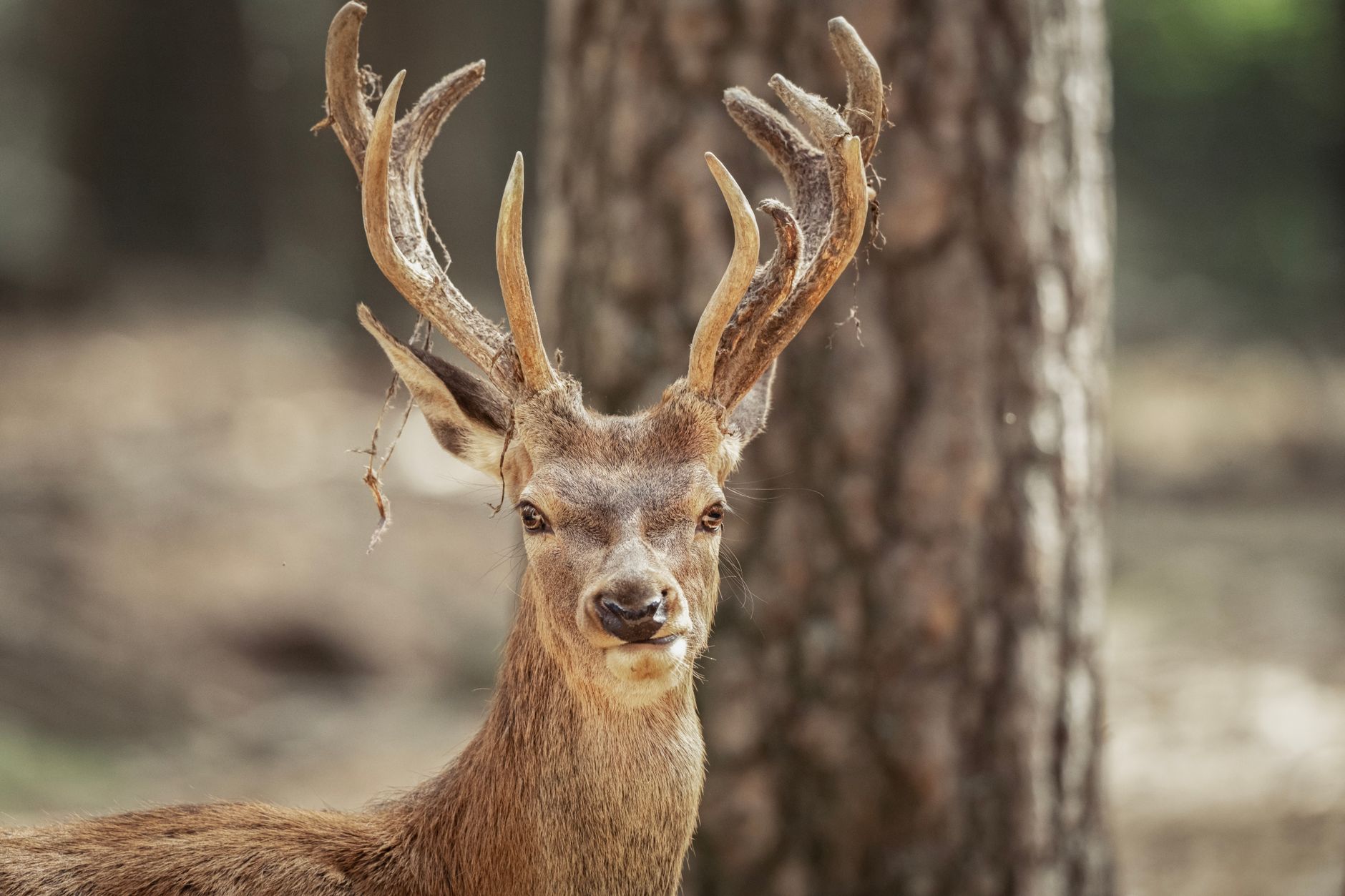
Aggression in deer is typically driven by natural instincts and specific situational triggers, rather than a general propensity for violence.
- Mating Season (The Rut): During the fall mating season, male deer, or bucks, experience a surge in testosterone, making them more territorial and combative. They compete fiercely for mating rights, often engaging in aggressive displays and physical altercations with rival bucks. This heightened aggression can sometimes extend to humans, particularly if a buck perceives a threat to his territory or potential mate.
- Protecting Young: Does (female deer) are fiercely protective of their fawns. If a doe perceives a threat to her offspring, she may exhibit aggressive behavior, such as stomping, charging, or even kicking. Approaching a fawn, even with good intentions, can trigger a defensive response from the mother.
- Food Scarcity: In areas where food is scarce, deer may become more aggressive in their search for sustenance. This can lead to conflicts with other deer or even encounters with humans as they forage in gardens or near homes. Artificial feeding, while seemingly benevolent, can exacerbate this problem by concentrating deer populations and increasing competition for resources.
- Habituation to Humans: Deer that become accustomed to human presence, especially in areas where they are frequently fed, may lose their natural fear and become bolder. This habituation can sometimes lead to aggression, particularly if the deer feels threatened or expects to be fed.
- Injury or Illness: A deer that is injured or suffering from an illness may become more aggressive as a defensive mechanism. Their pain and vulnerability can make them more likely to react defensively to perceived threats.
Identifying Warning Signs of Deer Aggression
Recognizing the signs of deer aggression is crucial for avoiding potentially dangerous encounters. While not all deer will display all of these signs, observing multiple indicators suggests a heightened risk.
- Stomping: Deer may stomp their hooves as a warning signal. This is often accompanied by other aggressive behaviors, such as snorting or head-bobbing.
- Snorting: A loud, forceful snort is a clear indication that a deer is feeling threatened or agitated.
- Head-Bobbing: Deer may bob their heads up and down as a display of dominance or aggression.
- Flattened Ears: Ears held back against the head are a sign of fear, anxiety, or aggression.
- Staring: A direct, unwavering stare can be a prelude to an attack.
- Charging: A deer may charge at a perceived threat, either as a bluff or a genuine attempt to attack.
- Lowered Antlers (Bucks): During the rut, bucks may lower their antlers as a threat display before engaging in a physical confrontation.
Staying Safe Around Deer: Prevention and Response
Preventing encounters with aggressive deer is the best approach. If you do encounter an aggressive deer, knowing how to react can minimize the risk of injury.
- Maintain Distance: Always keep a safe distance from deer, especially during the rut and when does have fawns. Avoid approaching or attempting to interact with them.
- Avoid Feeding Deer: Feeding deer can lead to habituation and increased aggression. It also disrupts their natural foraging patterns and can contribute to overpopulation.
- Secure Food Sources: Store pet food indoors and remove any potential food sources from your yard, such as fallen fruit.
- Use Deer Repellents: Various deer repellents are available, including sprays, granules, and electronic devices. These can help deter deer from entering your property.
- Make Noise: If you encounter a deer, make noise by clapping your hands, yelling, or using an air horn. This can startle the deer and encourage it to move away.
- Avoid Direct Eye Contact: Staring directly at a deer can be interpreted as a challenge.
- Back Away Slowly: If a deer shows signs of aggression, slowly back away while facing the animal. Avoid turning your back or running.
- Use an Object as a Barrier: If you are being charged, use an object such as a stick, umbrella, or jacket to create a barrier between yourself and the deer.
- Seek Medical Attention: If you are injured by a deer, seek medical attention immediately. Deer can carry diseases such as Lyme disease and rabies.
Frequently Asked Questions (FAQs)
What are the most common reasons deer become aggressive towards humans?
The most frequent causes are the rutting season for bucks and protective instincts in does with fawns. Habituation to humans, particularly when associated with feeding, can also lead to increased boldness and, occasionally, aggression. Can deer be aggressive? The answer often hinges on these specific factors.
How can I protect my pets from aggressive deer?
Keep pets indoors, especially during the rutting season and when fawns are present. If you must walk your dog, keep it on a leash and avoid areas known to be frequented by deer. Train your dog to avoid chasing deer.
Is it safe to approach a fawn that appears to be orphaned?
No. Never approach a fawn, even if it appears to be orphaned. The mother is likely nearby and will return when she feels safe. If you are concerned about a fawn’s well-being, contact your local wildlife rehabilitation center.
What should I do if a deer charges at me?
Stand your ground, make yourself look large, and shout loudly. Use any available object as a barrier between yourself and the deer. If possible, slowly back away while maintaining eye contact.
Are all deer species equally aggressive?
While any deer species can potentially be aggressive under the right circumstances, some species may be more prone to aggression than others. Factors such as population density, habitat availability, and individual temperament can all play a role. White-tailed deer are frequently involved in human-wildlife conflicts due to their widespread distribution and adaptability to human-modified landscapes.
How does climate change impact deer aggression?
Climate change can indirectly influence deer aggression by altering food availability, habitat suitability, and breeding patterns. For example, prolonged droughts can lead to increased competition for resources, potentially increasing aggression.
What role does hunting play in deer aggression?
Hunting can have a complex impact on deer aggression. Well-managed hunting seasons can help control deer populations, reducing competition for resources and potentially decreasing overall aggression. However, hunting pressure can also make deer more wary and reactive, potentially leading to defensive aggression in certain situations.
Are deer attacks common?
Deer attacks are relatively rare, but they do occur. Most incidents involve bucks during the rutting season or does protecting their fawns. Taking precautions and being aware of deer behavior can significantly reduce your risk.
What diseases can I contract from an aggressive deer encounter?
The most common risks include Lyme disease (transmitted by ticks carried by deer) and, in rare cases, rabies (transmitted through saliva). Any bite or scratch from a deer should be thoroughly cleaned and evaluated by a medical professional.
How can I make my yard less attractive to deer?
Choose deer-resistant plants, install fencing, and use deer repellents. Remove any potential food sources, such as fallen fruit and bird feeders. Keep your yard clean and well-maintained.
What time of year are deer most likely to be aggressive?
Deer are most likely to be aggressive during the fall rutting season (September-November) and during the spring when does are protecting their fawns (May-June).
If I see a deer displaying aggressive behavior, who should I contact?
Contact your local animal control, wildlife agency, or police department. Provide them with details about the location, the deer’s behavior, and any potential threats to public safety.
While most encounters with deer are peaceful, understanding their potential for aggression and taking appropriate precautions is essential for ensuring your safety and the well-being of these fascinating creatures. Can deer be aggressive? Always remember: Respect their space and observe them from a safe distance.