

Is Brine Shrimp a Laxative for Fish? A Comprehensive Guide
Brine shrimp are not typically considered a true laxative for fish, but they can aid in digestion and help alleviate constipation due to their fiber content and high moisture percentage. Therefore, the short answer to is brine shrimp a laxative for fish? is: indirectly yes.

Understanding Fish Digestion
Fish digestive systems vary greatly depending on their diet. Carnivorous fish, for example, have shorter digestive tracts than herbivorous fish. Understanding how fish process food is crucial to understanding is brine shrimp a laxative for fish?. The digestive process includes:
- Ingestion
- Digestion
- Absorption
- Elimination
If any of these stages are compromised, it can lead to digestive issues, including constipation. Symptoms of constipation in fish include:
- Lack of defecation
- Swollen abdomen
- Lethargy
- Loss of appetite

Are fish heads good for the garden?
Can fish hear water?
What is cotton rot in fish?
What colours are fish most attracted to?
The Role of Brine Shrimp in Fish Diets
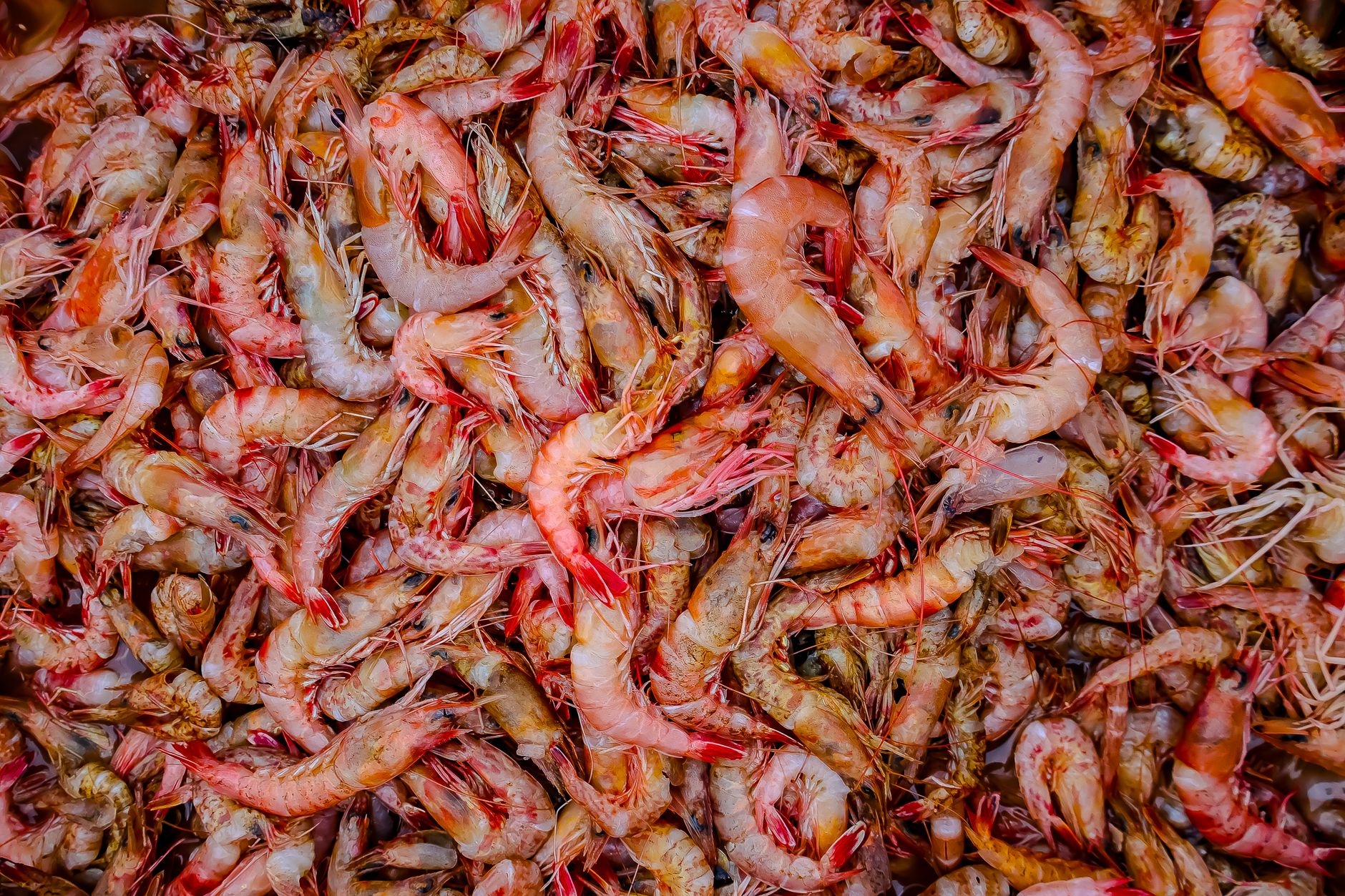
Brine shrimp are tiny crustaceans often used as a food source for aquarium fish, especially during the fry stage. They are rich in protein and nutrients, making them an excellent dietary supplement. Furthermore, their high water content and presence of chitin (a type of fiber found in their exoskeleton) can aid in digestive processes. Brine shrimp can be offered either live, frozen or freeze dried, although live brine shrimp offer the greatest benefit in terms of hydration and ease of digestion.
How Brine Shrimp Can Help with Constipation
While brine shrimp are not a direct laxative, their properties can help alleviate constipation in fish through the following mechanisms:
- Hydration: The high water content of brine shrimp helps soften impacted feces, making it easier for the fish to pass.
- Fiber: The chitin in the brine shrimp exoskeleton acts as a natural fiber, promoting peristalsis (muscle contractions that move food through the digestive tract).
- Nutrient Boost: Improving the overall health and vitality of the fish contributes to better digestion.
Best Practices for Using Brine Shrimp
To maximize the potential benefits of brine shrimp and minimize risks:
- Feed in moderation: Brine shrimp should be part of a balanced diet, not the sole source of nutrition.
- Gut load: Increase the nutritional value of brine shrimp by feeding them nutrient-rich food before offering them to your fish. This can include algae, spirulina, or specialized gut-loading products.
- Observe your fish: Monitor for signs of overfeeding or digestive issues. Adjust the feeding schedule and quantity accordingly.
- Consider Live vs. Frozen: Live brine shrimp are more hydrating and contain a higher nutritional value. However, frozen brine shrimp are a good alternative if live food is not available. Thaw frozen brine shrimp before feeding.
Common Mistakes to Avoid
- Overfeeding Brine Shrimp: Too much brine shrimp can lead to nutrient imbalances.
- Ignoring Water Quality: Poor water quality can exacerbate digestive problems. Maintain clean and well-filtered water.
- Relying Solely on Brine Shrimp: Brine shrimp should complement a varied diet.
- Feeding Stale or Contaminated Brine Shrimp: Always use fresh and clean brine shrimp to avoid introducing harmful bacteria or parasites.
Table: Comparing Brine Shrimp Forms
| Feature | Live Brine Shrimp | Frozen Brine Shrimp | Freeze-Dried Brine Shrimp |
|---|---|---|---|
| Hydration | Very High | High | Low |
| Nutritional Value | Highest (Especially when gut-loaded) | Good (Some nutrient loss during freezing) | Lower (Nutrients can be lost during freeze-drying) |
| Ease of Digestion | Easiest | Easier than freeze-dried | More difficult |
| Storage | Requires culturing or short-term storage | Requires freezing | Can be stored at room temperature |
| Risk of Parasites | Higher risk if not properly cultured | Lower risk (freezing kills most parasites) | Lowest risk |
Frequently Asked Questions (FAQs)
What exactly are brine shrimp and why are they used for fish?
Brine shrimp are tiny crustaceans that thrive in highly saline environments. They are popular as a food source for fish due to their high protein content, ease of culture, and appeal to many fish species, particularly fry (baby fish).
How do I “gut load” brine shrimp to make them even more beneficial?
Gut loading involves feeding brine shrimp nutritious food just before offering them to your fish. Common gut-loading foods include algae, spirulina, and commercially available gut-loading products. This process enriches the brine shrimp with essential vitamins and nutrients, maximizing their nutritional value for your fish.
Are there any specific types of fish that benefit most from brine shrimp?
Many fish species enjoy and benefit from brine shrimp, particularly carnivorous and omnivorous fish. Fry of many species thrive on brine shrimp due to their small size and digestible nature. Smaller fish are also able to consume brine shrimp easily.
Can brine shrimp replace a balanced fish diet?
No, brine shrimp should not be the sole source of nutrition for fish. They are a valuable supplement, but a balanced diet should include a variety of foods to provide all the necessary nutrients.
How often should I feed my fish brine shrimp?
The frequency of feeding brine shrimp depends on the species of fish and their dietary needs. Generally, offering brine shrimp two to three times a week as part of a varied diet is a good starting point.
Can overfeeding brine shrimp cause problems?
Yes, overfeeding brine shrimp can lead to nutrient imbalances and contribute to poor water quality. It’s important to feed in moderation and observe your fish for any signs of overfeeding.
What are the signs of constipation in fish?
Signs of constipation in fish include a swollen abdomen, lack of defecation, lethargy, and loss of appetite. If you observe these symptoms, consider adjusting your fish’s diet and water quality.
Are there any risks associated with feeding live brine shrimp?
While live brine shrimp are generally safe, there is a slight risk of introducing parasites or harmful bacteria. Sourcing brine shrimp from reputable suppliers and maintaining good water quality can minimize these risks.
Are frozen brine shrimp as beneficial as live brine shrimp?
Frozen brine shrimp offer a good alternative to live brine shrimp. While they may have slightly lower nutritional value due to nutrient loss during freezing, they are still a valuable food source and carry a lower risk of parasites.
How should I store brine shrimp?
Live brine shrimp require culturing or short-term storage in a refrigerated environment. Frozen brine shrimp should be stored in the freezer, while freeze-dried brine shrimp can be stored at room temperature in a cool, dry place.
What other foods can help alleviate constipation in fish?
In addition to brine shrimp, other foods that can help alleviate constipation include daphnia, peas (shelled and mashed), and high-fiber fish food. A varied diet is crucial for maintaining healthy digestion.
If brine shrimp aren’t truly a laxative, why are they recommended for constipated fish?
While the answer to is brine shrimp a laxative for fish? is ultimately indirect, brine shrimp have a high moisture content and fiber that help soften impacted feces and stimulate gut motility, making them a helpful dietary addition for constipated fish. They are not a direct laxative, but their properties contribute to easier digestion and elimination.