

How Far North Have Burmese Pythons Been Found in Florida? Understanding the Invasive Frontline
The northward spread of Burmese pythons in Florida is a growing concern; while their primary range remains south of Lake Okeechobee, verified sightings have been confirmed as far north as central Florida near the Georgia border, but breeding populations are mostly constrained to South Florida .

Introduction: The Python Invasion
The Burmese python (Python bivittatus), a non-native constrictor, has become a significant ecological challenge in Florida, particularly within the Everglades ecosystem. Their introduction, primarily through accidental or intentional releases from the pet trade, has led to a rapidly expanding population that preys on native wildlife, disrupting the delicate balance of the state’s biodiversity. Understanding the python’s range, and especially how far north in Florida have Burmese pythons been found? is crucial for effective management and mitigation efforts.

Do all amphibians have eyelids?
Why do cuttlefish have W-shaped eyes?
Do all snakes have poison in them?
What is the GREY African clawed frog?
Historical Range and Initial Establishment
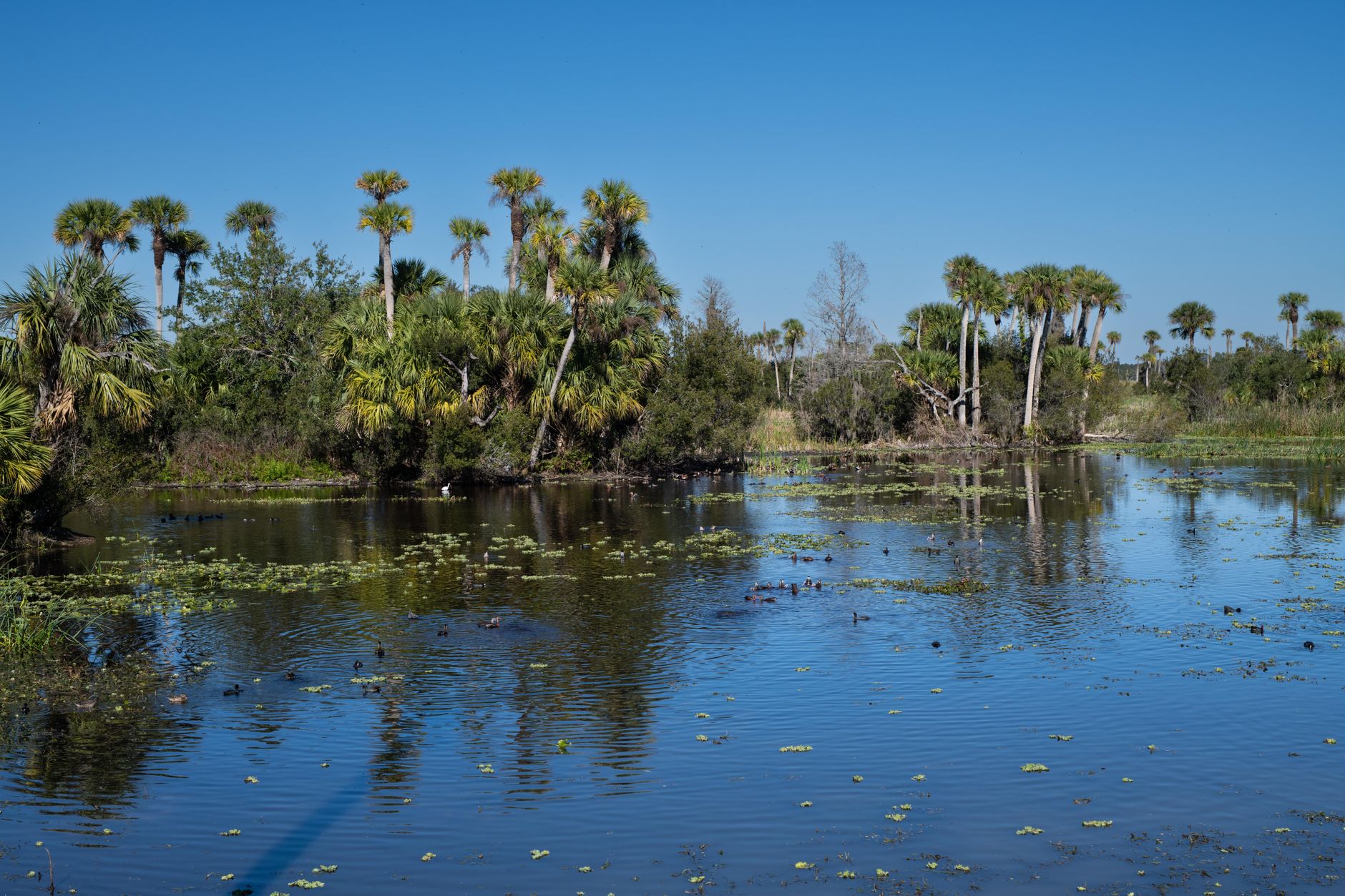
The initial established range of Burmese pythons was largely confined to Everglades National Park and surrounding areas in South Florida. Factors like favorable climate, abundant prey, and lack of natural predators contributed to their rapid proliferation. This concentrated population has served as a launching pad for their gradual expansion northward.
Factors Influencing Northern Expansion
Several factors influence the python’s ability to colonize new territories further north in Florida:
- Climate: While Burmese pythons are tolerant of a range of temperatures, sustained cold snaps can limit their survival and reproduction. Warmer temperatures in South Florida provide ideal conditions, while areas further north experience more frequent and severe cold weather.
- Habitat Availability: The availability of suitable habitat, including wetlands, forests, and agricultural areas, is critical for python survival and movement. Connected landscapes allow for easier dispersal.
- Prey Base: An adequate supply of prey is essential for sustaining a python population. Native mammals, birds, and reptiles are all potential food sources.
- Human Activity: Land use changes, urbanization, and human transportation corridors can inadvertently aid or hinder python dispersal.
Documented Sightings and Established Populations
While isolated sightings have been reported further north, it’s important to distinguish between occasional individuals and established, breeding populations. The core of the python problem remains in South Florida. Confirmed sightings, with photographic or physical evidence, are essential for mapping the species’ range.
- South Florida: This remains the epicenter of the Burmese python invasion, with high densities in the Everglades and surrounding areas.
- Central Florida: Isolated sightings have been confirmed in areas north of Lake Okeechobee, extending towards the I-4 corridor. However, evidence suggests that these are often individual pythons, likely dispersed from the south, rather than established breeding populations.
- North Florida: Verified sightings near the Georgia border are rarer, but confirmed. These often generate significant concern because of the potential to spread into neighboring states.
- Impact on native species: As the pythons continue to migrate north, they threaten many of Florida’s native species.
Management and Control Efforts
Various management strategies are employed to control python populations, including:
- Python Removal Programs: State-sponsored programs encourage experienced hunters to remove pythons from the wild.
- Detection and Trapping: Researchers and wildlife managers use various techniques, including tracking dogs and traps, to locate and capture pythons.
- Public Awareness Campaigns: Educating the public about the threat posed by Burmese pythons and encouraging responsible pet ownership are crucial for preventing further releases.
- Research: Ongoing research efforts focus on understanding python behavior, ecology, and effective control methods.
Future Projections and Potential Range Expansion
Predicting the future range expansion of Burmese pythons is complex. Climate change, alterations in land use, and the effectiveness of control efforts will all play a role. Continuous monitoring and adaptive management strategies are essential for mitigating the impacts of this invasive species. Modeling shows the potential for pythons to thrive in an even larger portion of Florida and even some portions of the southeastern United States, which makes managing their expansion of the utmost importance.
How far north in Florida have Burmese pythons been found? The answer to this question is constantly evolving, highlighting the dynamic nature of invasive species management.
Frequently Asked Questions (FAQs)
What is the northernmost documented location of a Burmese python in Florida?
Documented sightings, backed by photographic or physical evidence, have confirmed Burmese pythons as far north as central Florida near the Georgia border , but breeding populations are mostly constrained to South Florida . These isolated sightings indicate dispersal but don’t necessarily represent established breeding populations.
Are Burmese pythons able to survive freezing temperatures?
Burmese pythons are relatively cold-tolerant compared to some other tropical snakes, but they are still susceptible to freezing temperatures. Prolonged cold snaps can significantly impact their survival rates, limiting their ability to establish populations in colder regions.
How do Burmese pythons impact the Everglades ecosystem?
Burmese pythons are voracious predators that prey on a wide variety of native wildlife, including mammals, birds, and reptiles. Their presence has been linked to significant declines in populations of some native species within the Everglades.
What are the primary reasons for the spread of Burmese pythons in Florida?
The primary reason for the spread of Burmese pythons in Florida is the release of captive animals into the wild, either intentionally or accidentally. Favorable climate and abundant prey contribute to their rapid reproduction and expansion.
What can the public do to help control the Burmese python population in Florida?
Members of the public can help by reporting sightings of Burmese pythons to state wildlife agencies. They can also support research and management efforts by donating to conservation organizations. Responsible pet ownership, including avoiding the release of exotic animals, is crucial.
What is the state of Florida doing to manage the Burmese python population?
The state of Florida employs a variety of management strategies, including python removal programs , detection and trapping efforts, public awareness campaigns, and ongoing research initiatives. These efforts aim to control the population and minimize the impacts on native wildlife.
Are there any natural predators of Burmese pythons in Florida?
- There are no natural predators that can effectively control the Burmese python population in Florida. Alligators have been known to prey on smaller pythons, but they do not significantly impact the overall population.
What are some of the challenges in controlling the Burmese python population?
Challenges in controlling the Burmese python population include the snake’s cryptic behavior , their ability to survive in a wide range of habitats, and the difficulty of detecting and removing them from vast and complex landscapes.
Have Burmese pythons been found outside of Florida?
While Florida is the primary location for Burmese python establishment in the United States, isolated sightings have been reported in other states , likely due to accidental or intentional releases. However, these are not established breeding populations.
How does climate change affect the distribution of Burmese pythons in Florida?
- Climate change could potentially expand the suitable habitat range for Burmese pythons further north, as warmer temperatures may allow them to survive in areas that were previously too cold. However, this is a complex issue with many variables.
Is it illegal to own a Burmese python in Florida?
- Yes, it is illegal to own Burmese pythons in Florida without the proper permits and licenses. This regulation is intended to prevent further releases of pythons into the wild.
What is the long-term outlook for the Burmese python population in Florida?
The long-term outlook for the Burmese python population in Florida is uncertain . While management efforts can help control the population and mitigate its impacts, eradication is unlikely. Continued monitoring, research, and adaptive management are essential for minimizing the long-term ecological consequences. The question of how far north in Florida have Burmese pythons been found? will continue to be important.