
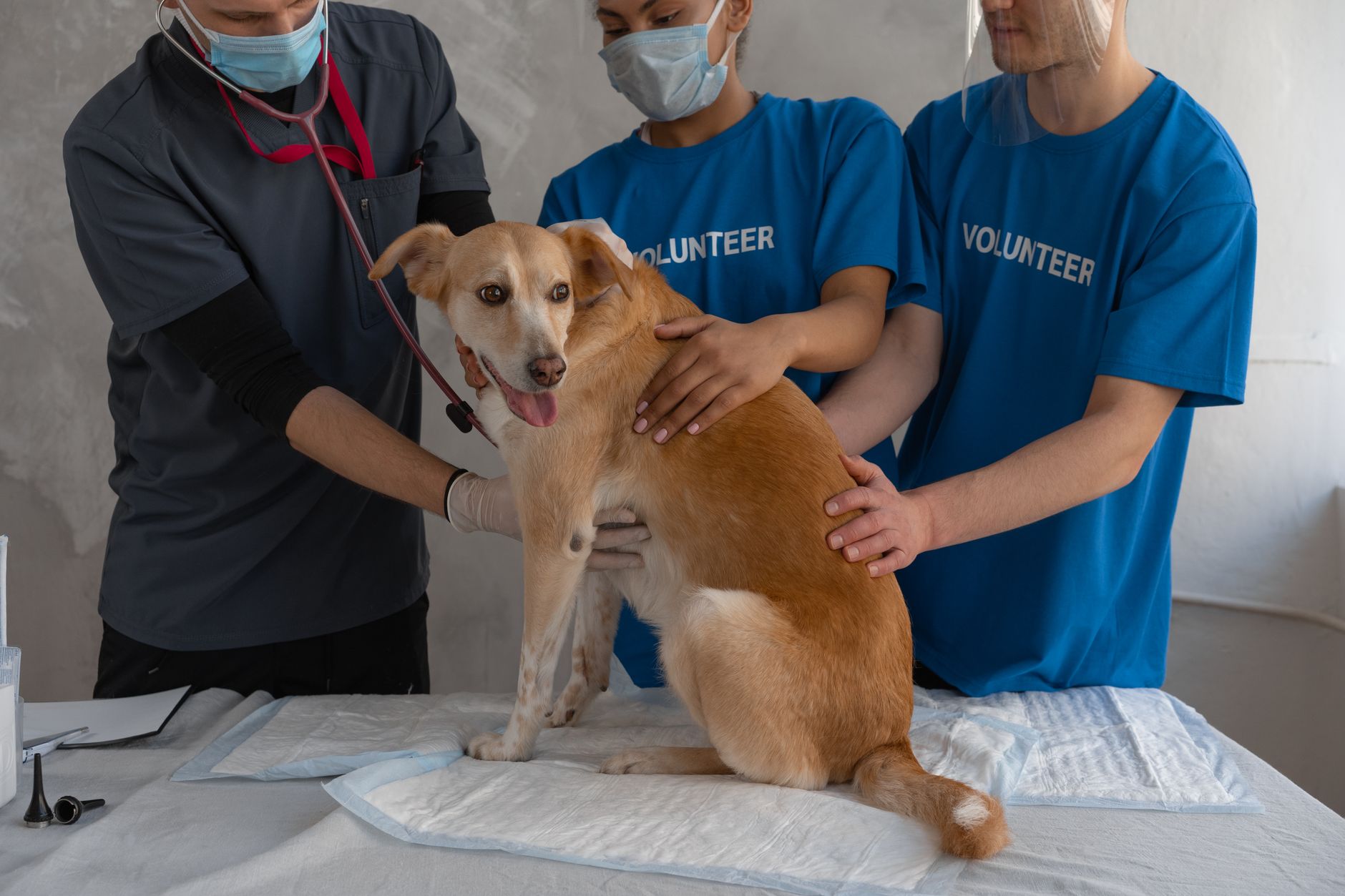
Is Amoxicillin Good for Kennel Cough? Understanding the Treatment Options
The answer is generally no. Amoxicillin isn’t typically effective against kennel cough because it’s primarily caused by viruses or atypical bacteria, while amoxicillin is an antibiotic that targets bacteria. Appropriate treatment requires identifying the underlying cause and addressing it directly, often with cough suppressants or other medications.
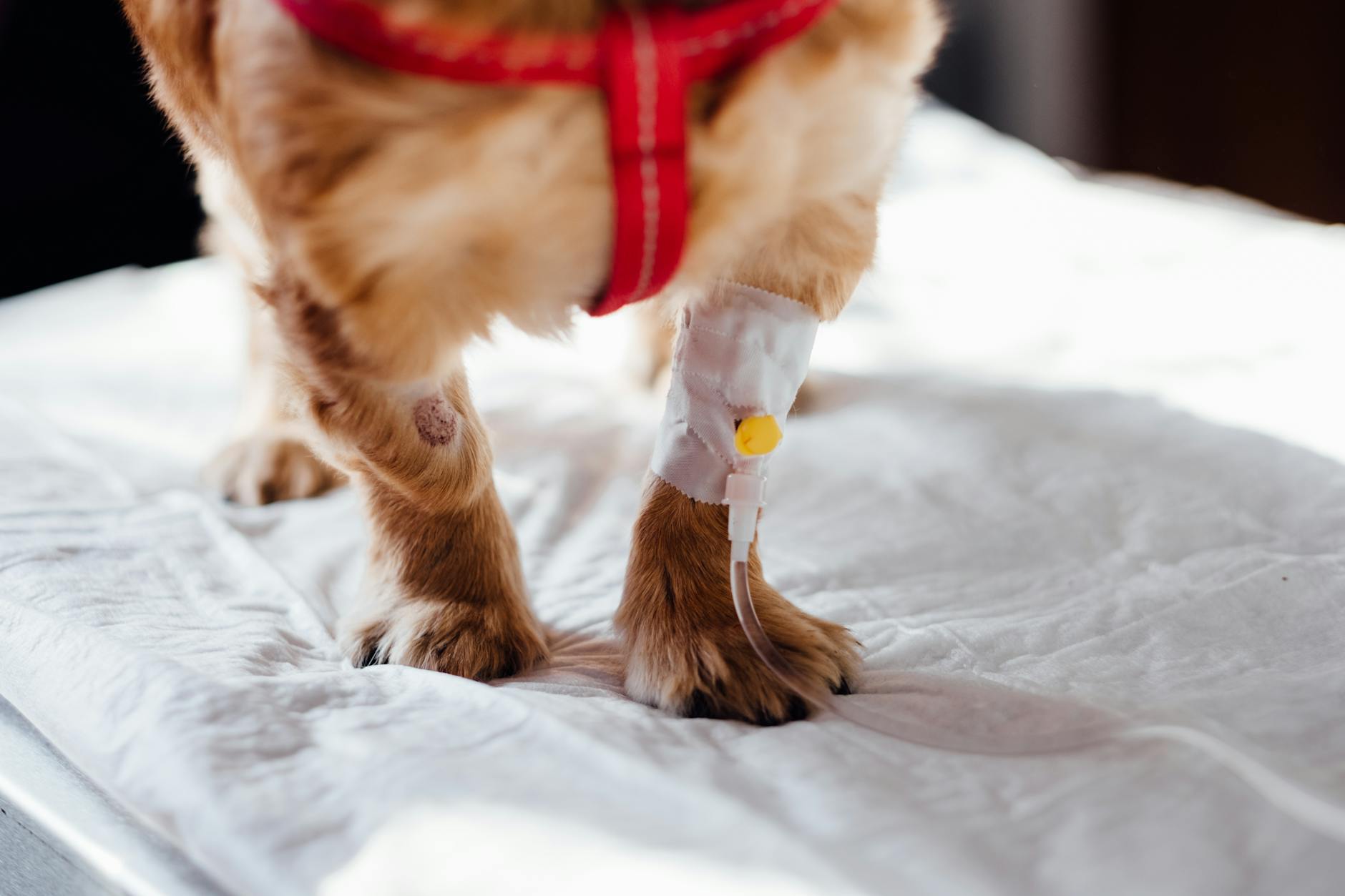
Understanding Kennel Cough
Kennel cough, also known as infectious tracheobronchitis, is a highly contagious respiratory infection common in dogs. It’s often contracted in places where dogs congregate, such as kennels, dog parks, and grooming salons. While highly contagious, it’s usually not life-threatening in otherwise healthy adult dogs. However, puppies, senior dogs, and those with compromised immune systems are more susceptible to serious complications.
What colours are fish most attracted to?
Can you put your finger in a trout's mouth?
Is methylene blue anti bacterial?
Does aquarium salt raise pH in aquarium?
Causes of Kennel Cough

The name “kennel cough” can be misleading, implying a single cause. In reality, several factors can contribute to the condition, either alone or in combination:
- Viruses: These are the most frequent culprits. Common viral agents include parainfluenza virus, adenovirus, and canine distemper virus.
- Bacteria: Bordetella bronchiseptica is the most commonly implicated bacteria. Other bacteria, like Mycoplasma, can also contribute.
- Environmental Factors: Stress, poor ventilation, and cold temperatures can weaken a dog’s immune system, making them more susceptible to infection.
Why Amoxicillin Isn’t Usually the Answer
Is amoxicillin good for kennel cough? The key is understanding that amoxicillin is a broad-spectrum antibiotic, meaning it’s effective against a wide range of bacteria. However, it’s not effective against viruses. Since kennel cough is often caused by viral infections, amoxicillin will not address the root cause of the illness in many cases. Administering antibiotics unnecessarily can also contribute to antibiotic resistance, a growing concern in both human and veterinary medicine.
Effective Treatment Strategies
The best approach to treating kennel cough depends on the underlying cause and the severity of the symptoms. A veterinarian can perform diagnostic tests to identify the specific pathogen(s) involved. Common treatment options include:
- Cough Suppressants: These medications help relieve the coughing associated with kennel cough, allowing the dog to rest and recover. Dextromethorphan and butorphanol are common options.
- Antibiotics: Antibiotics are only necessary when a bacterial infection is confirmed. In cases of Bordetella bronchiseptica or other bacterial involvement, doxycycline or other specific antibiotics might be prescribed.
- Bronchodilators: These medications help open up the airways, making it easier for the dog to breathe.
- Rest and Supportive Care: Ensuring the dog gets plenty of rest, has access to fresh water, and is fed a nutritious diet is crucial for recovery. Avoiding strenuous exercise and exposure to irritants like smoke is also important.
Potential Risks of Inappropriate Amoxicillin Use
Using amoxicillin when it’s not indicated can have several negative consequences:
- Antibiotic Resistance: Overuse of antibiotics contributes to the development of antibiotic-resistant bacteria, making future infections harder to treat.
- Adverse Reactions: Like all medications, amoxicillin can cause side effects, such as vomiting, diarrhea, and allergic reactions.
- Delayed Effective Treatment: Relying on an ineffective treatment can delay the administration of appropriate medication, potentially prolonging the illness and increasing the risk of complications.
Preventing Kennel Cough
Prevention is always better than cure. Several measures can help reduce the risk of kennel cough:
- Vaccination: Vaccination against Bordetella bronchiseptica and parainfluenza virus is highly recommended, especially for dogs that frequently interact with other dogs. While the vaccine doesn’t guarantee complete protection, it can significantly reduce the severity of the illness.
- Good Hygiene: Keeping kennels and other communal areas clean and well-ventilated can help prevent the spread of infection.
- Avoidance: Limiting exposure to crowded environments, especially during outbreaks, can reduce the risk of infection.
- Boosting the Immune System: A healthy diet, regular exercise, and stress reduction can help strengthen the dog’s immune system, making them less susceptible to infection.
Consulting a Veterinarian
Is amoxicillin good for kennel cough if my friend said so? No. It is vital to consult with a veterinarian for a proper diagnosis and treatment plan. They can identify the underlying cause of the cough and recommend the most effective course of action. Self-treating with antibiotics can be harmful and may delay proper treatment.
Table Comparing Common Kennel Cough Treatments
| Treatment | Target | Benefits | Potential Side Effects |
|---|---|---|---|
| Cough Suppressants | Coughing | Relieves coughing, allowing rest; Improves quality of life. | Sedation, constipation |
| Antibiotics | Bacterial infections (e.g., Bordetella) | Eliminates bacterial infection, leading to faster recovery. | Vomiting, diarrhea, antibiotic resistance |
| Bronchodilators | Airways | Opens airways, improves breathing. | Increased heart rate, restlessness |
| Rest & Support | Overall health | Strengthens immune system; Promotes healing. | None |
Frequently Asked Questions (FAQs)
Can I give my dog human amoxicillin for kennel cough?
No, you should never give your dog human medication without consulting a veterinarian. The dosage and formulation may be incorrect, and it could be harmful. Even if amoxicillin were appropriate (which it likely isn’t), using the wrong product could be dangerous.
What are the early signs of kennel cough?
The most common early sign is a persistent, dry, hacking cough that often sounds like a goose honk. Other signs can include sneezing, runny nose, and mild fever.
How long is kennel cough contagious?
Dogs with kennel cough can be contagious for several weeks, even after the symptoms have subsided. It’s essential to isolate infected dogs to prevent the spread of the disease.
Are there natural remedies for kennel cough?
While some natural remedies, like honey and steam, may help soothe the throat and ease coughing, they are not a substitute for veterinary care. If your dog has kennel cough, it’s essential to consult with a veterinarian for appropriate treatment.
How is kennel cough diagnosed?
A veterinarian will typically diagnose kennel cough based on clinical signs and a physical examination. In some cases, they may perform diagnostic tests, such as a tracheal wash or bacterial culture, to identify the specific pathogen(s) involved.
Is kennel cough life-threatening?
In most cases, kennel cough is not life-threatening in otherwise healthy adult dogs. However, puppies, senior dogs, and those with compromised immune systems are more susceptible to serious complications, such as pneumonia.
Can my dog get kennel cough even if they are vaccinated?
Yes, vaccinated dogs can still get kennel cough, although the illness is usually milder. The vaccines available only protect against certain strains of the virus and bacteria that cause kennel cough.
How can I soothe my dog’s cough at home?
You can try using a humidifier or running a warm shower to create a steamy environment, which can help loosen congestion. You can also offer small amounts of honey, which has soothing properties. However, always consult with your veterinarian first.
What should I do if my dog has a persistent cough?
If your dog has a persistent cough, it’s essential to consult with a veterinarian as soon as possible. They can diagnose the underlying cause and recommend the most effective course of treatment.
Can kennel cough lead to pneumonia?
Yes, in some cases, kennel cough can lead to pneumonia, especially in puppies, senior dogs, and those with weakened immune systems. Pneumonia is a serious complication that requires prompt veterinary treatment.
Is kennel cough the same as canine influenza?
No, kennel cough and canine influenza are different respiratory infections. While they share some similar symptoms, they are caused by different viruses.
What kind of antibiotics are used to treat kennel cough when bacteria is the cause?
If kennel cough is caused by bacteria, veterinarians often prescribe doxycycline, azithromycin, or enrofloxacin. The specific antibiotic chosen will depend on the identified bacteria and the dog’s overall health. However, remembering, Is amoxicillin good for kennel cough if a bacterial infection? Not typically; other antibiotics are often preferred.