

Is Keeping Rabbits Caged Cruel? Exploring Rabbit Welfare and Housing
The question of whether keeping a rabbit in a cage constitutes abuse is complex, but ultimately, keeping a rabbit permanently confined to a cage can be considered detrimental to its well-being and potentially harmful, given their natural behaviors and needs for space and enrichment.
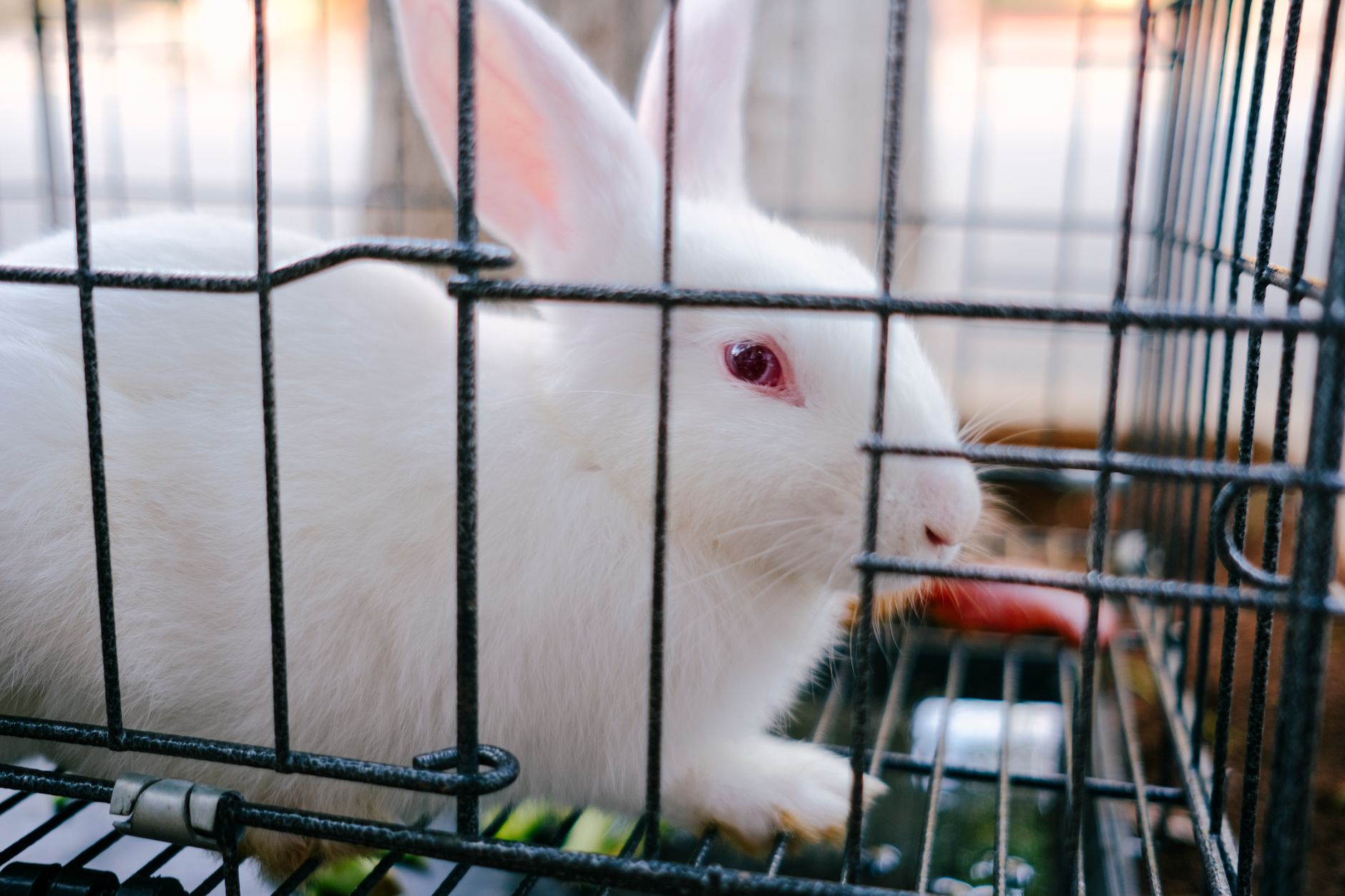
Understanding Rabbit Needs and Natural Behaviors
Rabbits, often perceived as low-maintenance pets, are complex creatures with specific behavioral and environmental needs. Understanding these needs is crucial to determining if caging constitutes animal abuse. In their natural habitat, rabbits are active animals who roam, forage, and socialize.
- Digging: Rabbits are natural diggers. In the wild, they create elaborate burrow systems. Confinement prevents this vital behavior.
- Running and Hopping: Rabbits require ample space to run, hop, and explore. These activities are essential for their physical and mental well-being.
- Socialization: Rabbits are social animals and thrive in pairs or groups. Solitary confinement can lead to loneliness and behavioral problems.
- Foraging: Wild rabbits spend much of their time foraging for food. Providing a variety of greens and hay encourages natural foraging behaviors.
The Argument Against Caging Rabbits
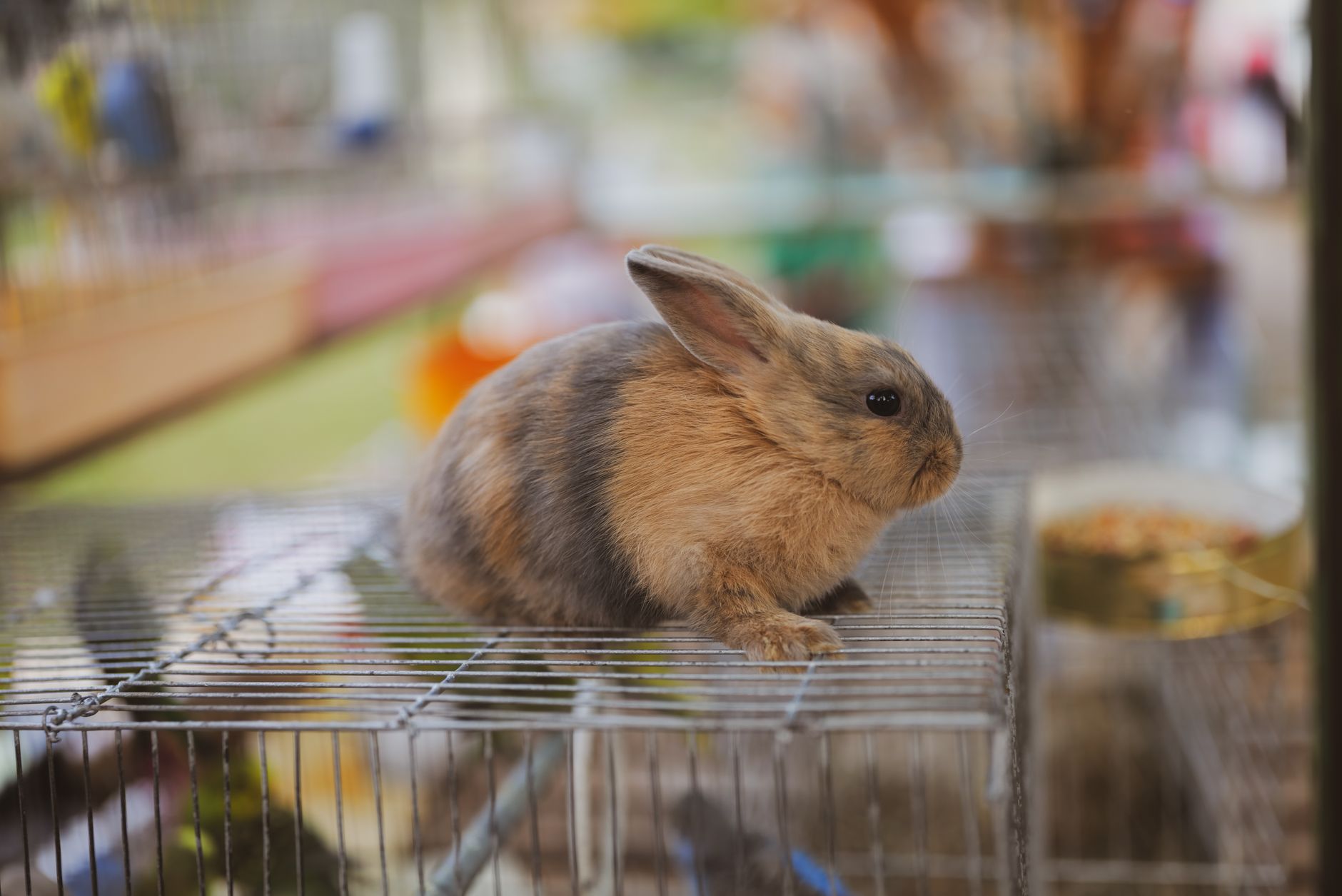
The primary argument against keeping rabbits in cages stems from the restriction of these natural behaviors. Cages, especially small ones, significantly limit a rabbit’s ability to exercise, explore, and express their instincts.
- Physical Health: Lack of exercise can lead to obesity, bone weakness, and other health problems.
- Mental Health: Confinement can cause boredom, frustration, and stress, leading to behavioral issues like excessive grooming, chewing on the cage, and aggression.
- Hygiene: Small cages can quickly become soiled with urine and feces, creating an unhygienic environment that can lead to infections and other health problems.
Alternatives to Caging
Fortunately, there are numerous humane alternatives to traditional cages that allow rabbits to live fulfilling lives.
- Rabbit-Proofed Rooms: Providing a rabbit with access to an entire room or a large, designated area allows for ample space to exercise and explore.
- Large Pens or Enclosures: Even if a full room isn’t possible, a very large pen or enclosure can provide significantly more space than a traditional cage.
- Outdoor Runs (with supervision): Outdoor runs offer fresh air and access to grass, but rabbits must be supervised to prevent escape or predation.
- Regular Supervised Exercise: Allowing rabbits to roam freely in a safe, supervised environment for several hours each day can help compensate for the limitations of smaller enclosures.
Enrichment and Stimulation
Regardless of the living space, providing enrichment and stimulation is crucial for a rabbit’s well-being.
- Toys: Provide a variety of toys, such as cardboard boxes, tunnels, chew toys, and puzzle feeders, to keep rabbits entertained.
- Social Interaction: Spend time interacting with your rabbit, providing gentle petting, grooming, and playtime.
- Chew Toys: Rabbits need to chew to keep their teeth healthy. Provide plenty of safe chew toys, such as wooden blocks, apple branches, and hay-based chews.
- Hiding Places: Rabbits feel more secure when they have places to hide. Provide cardboard boxes, tunnels, or covered beds where they can retreat.
Is it abuse to keep a rabbit in a cage? The nuanced answer.
While simply owning a cage for a rabbit does not immediately constitute abuse, the extent and duration of the confinement are key factors. A cage used only as a safe space for short periods or during cleaning, and supplementing with a spacious living environment, is vastly different from a rabbit spending its entire life within the confines of a small cage.
| Housing Type | Pros | Cons |
|---|---|---|
| Traditional Cage | Easy to clean, relatively inexpensive | Restrictive, limits natural behaviors, potential for poor hygiene |
| Large Pen/Enclosure | More space for exercise and exploration, customizable | Can be bulky, requires more floor space |
| Rabbit-Proofed Room | Provides ample space, allows for natural behaviors | Requires significant effort to rabbit-proof, potential for damage |
| Outdoor Run | Fresh air, access to grass, natural environment | Requires supervision, vulnerability to predators and weather |
Common Mistakes in Rabbit Housing
Many well-intentioned rabbit owners inadvertently make mistakes that compromise their pet’s well-being.

- Small Cage Size: The most common mistake is providing a cage that is too small. Rabbits should be able to fully stretch out, stand on their hind legs, and hop a few times.
- Lack of Enrichment: Failing to provide toys, chew items, and social interaction can lead to boredom and behavioral problems.
- Poor Hygiene: Neglecting to clean the cage regularly can create an unhygienic environment that can lead to health problems.
- Inadequate Substrate: Using inappropriate bedding materials, such as cedar shavings, can be harmful to rabbits.
- Ignoring Social Needs: Keeping rabbits isolated can lead to loneliness and depression.
The Importance of Education and Advocacy
Ultimately, improving rabbit welfare requires education and advocacy. By raising awareness about the specific needs of rabbits and promoting humane housing practices, we can help ensure that these intelligent and sensitive animals live happy and healthy lives. If you suspect rabbit abuse, contact your local animal welfare organization or humane society.
Frequently Asked Questions (FAQs)
Is it possible to keep a rabbit happy and healthy in a cage?
While possible, it is highly unlikely that a rabbit will thrive being permanently confined to a cage, especially a small one. Supplemental access to larger areas and ample enrichment are essential to mitigate the negative impacts of caging. The key is providing ample space and enrichment outside the cage.
What is the minimum cage size for a rabbit?
As a general guideline, the cage should be at least four times the size of the rabbit. The rabbit should be able to fully stretch out, stand on its hind legs, and hop a few times within the cage. Consider the cage as more of a “home base” and provide significantly more room outside of the cage.
How often should I clean my rabbit’s cage?
The cage should be spot-cleaned daily to remove soiled bedding and feces. A thorough cleaning should be done at least once a week, or more frequently if needed. Proper hygiene is crucial for preventing health problems.
What is the best bedding material for rabbits?
Safe and absorbent bedding materials include paper-based bedding, aspen shavings (not cedar or pine), and fleece blankets. Avoid using clay-based cat litter, as it can be harmful if ingested. Always research before use.
How much exercise does a rabbit need each day?
Rabbits need at least several hours of exercise each day. This can be provided through free-roaming time, supervised playtime in a large pen, or access to an outdoor run. Regular exercise is crucial for their physical and mental health.
How do I rabbit-proof a room?
Rabbit-proofing a room involves covering or removing any items that could be harmful to rabbits, such as electrical cords, toxic plants, and valuable furniture. Use cord protectors, block access to restricted areas, and provide plenty of chew toys to redirect their chewing instincts.
What are some signs of stress or unhappiness in rabbits?
Signs of stress or unhappiness in rabbits include excessive grooming, chewing on the cage, aggression, lethargy, and loss of appetite. If you notice any of these signs, consult with a veterinarian to rule out any underlying medical conditions.
Can rabbits be litterbox trained?
Yes, rabbits can be litterbox trained. Place a litterbox in a corner of their cage or enclosure and fill it with rabbit-safe litter. Rabbits tend to urinate and defecate in the same spot, so they will often naturally use the litterbox.
What kind of toys do rabbits enjoy?
Rabbits enjoy a variety of toys, such as cardboard boxes, tunnels, chew toys, and puzzle feeders. Providing a variety of toys can help keep them entertained and prevent boredom. Rotate toys regularly to keep them interesting.
Is it okay to keep a single rabbit?
While some rabbits can thrive as solitary animals, rabbits are naturally social animals and generally do best when kept in pairs or groups. If you choose to keep a single rabbit, make sure to provide plenty of attention and social interaction.
What are the best foods to feed a rabbit?
A rabbit’s diet should consist primarily of hay (70-80%), supplemented with fresh vegetables (10-20%) and a small amount of pellets (5-10%). Avoid feeding rabbits sugary treats or processed foods.
Is it abuse to breed rabbits in cages?
Breeding rabbits, regardless of the environment, requires careful consideration of the welfare of both the mother and the offspring. While keeping rabbits in cages while breeding is common, the ethical implications are similar to general caging; that is, are the rabbits given sufficient space, enrichment, and care during this process?