
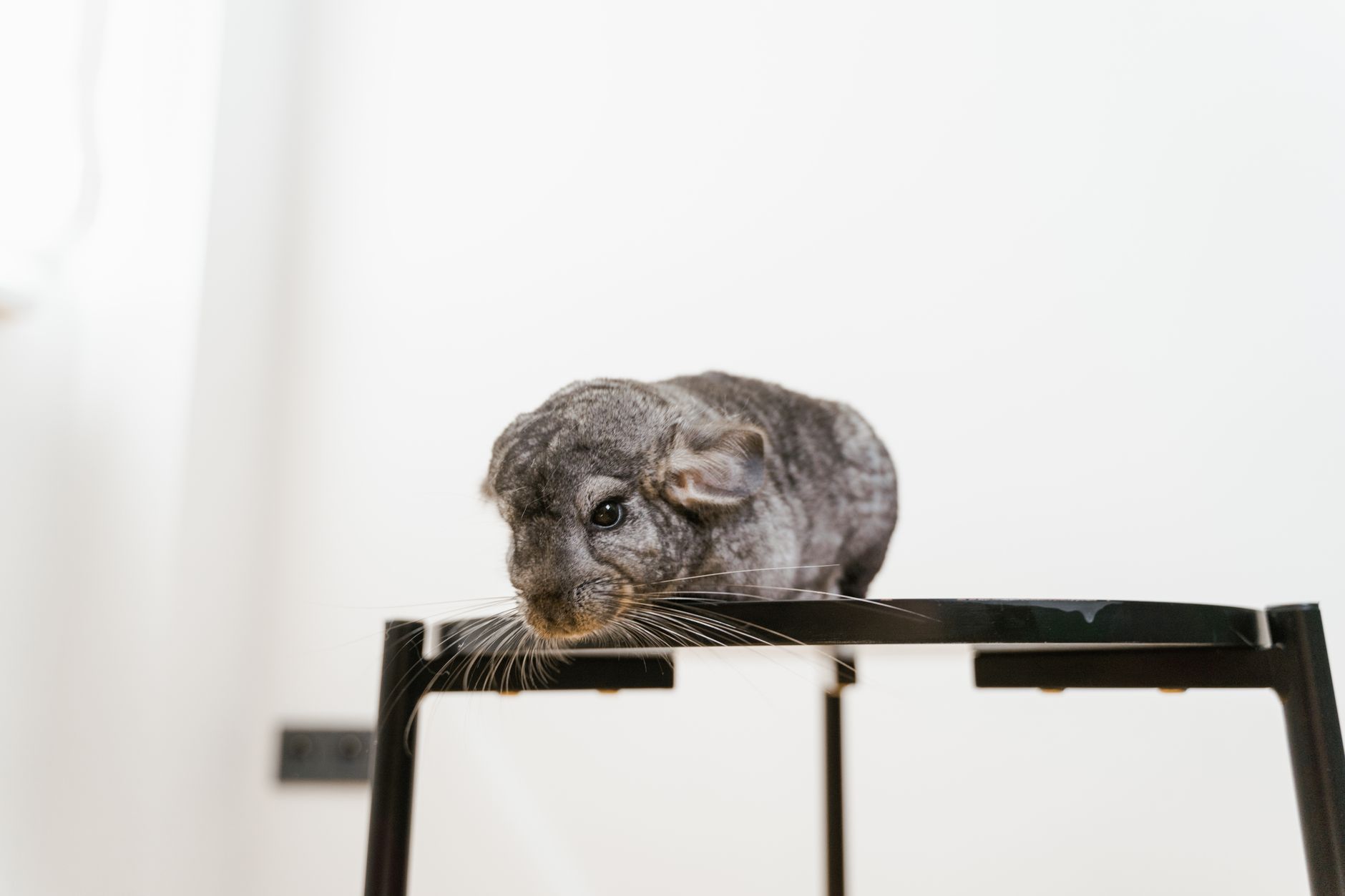
Are You Supposed to Touch Chinchillas? Understanding Chinchilla Handling
Touching a chinchilla is generally acceptable, but gentle handling is essential for their well-being; Are you supposed to touch chinchillas? The answer is yes, but with care and consideration for their delicate nature.
Introduction: The Allure of the Chinchilla
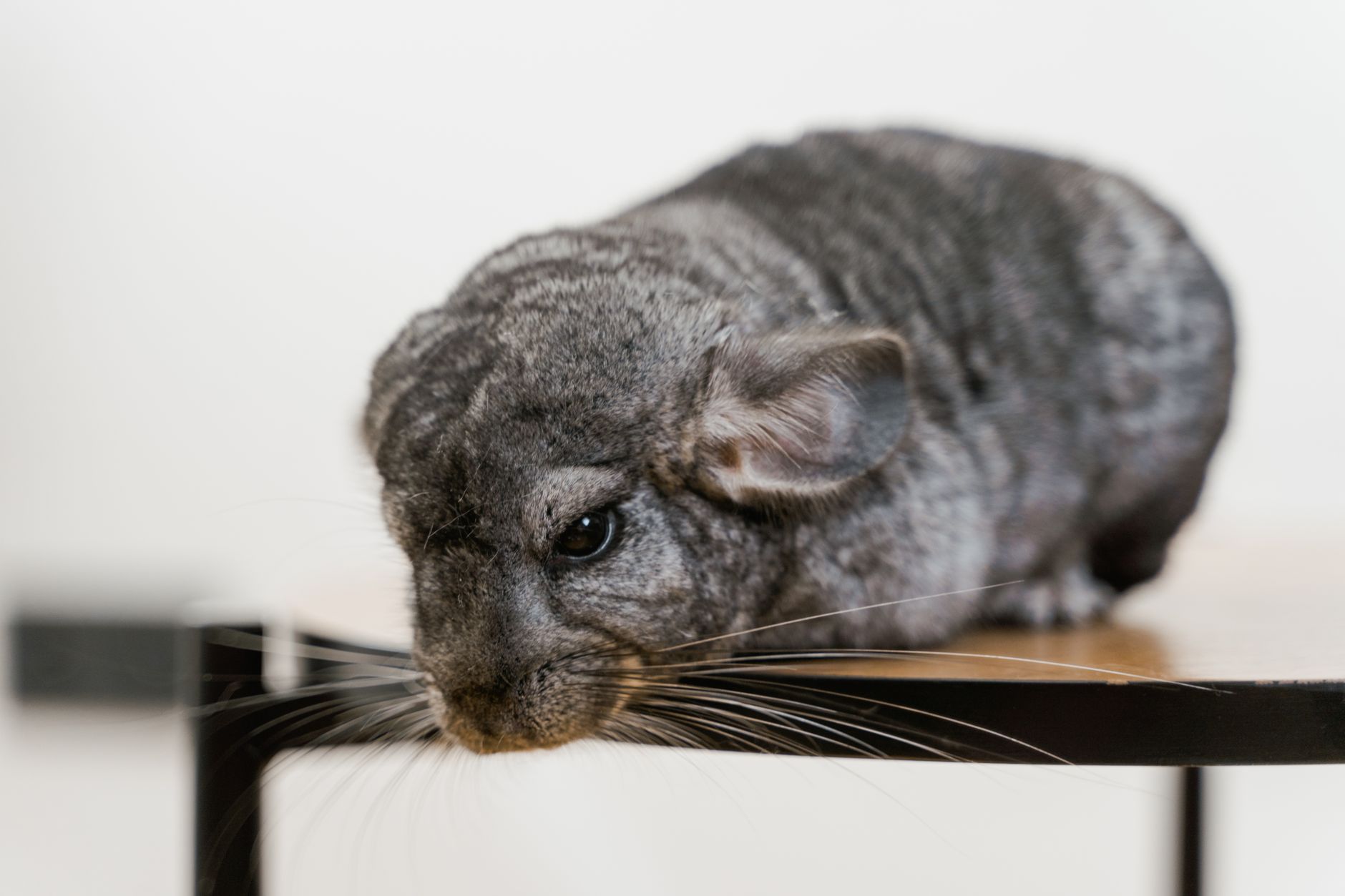
Chinchillas, with their incredibly soft fur and playful personalities, are captivating creatures. Their appeal as pets is undeniable, but responsible ownership requires understanding their specific needs, particularly regarding handling. Many potential owners ask: Are you supposed to touch chinchillas? Understanding how to interact with these animals safely and respectfully is paramount for their happiness and your enjoyment.

What colours are fish most attracted to?
Can you put your finger in a trout's mouth?
Is methylene blue anti bacterial?
Does aquarium salt raise pH in aquarium?
Understanding Chinchilla Skin and Fur

Chinchillas possess a unique fur structure. They have the densest fur of any land mammal, with approximately 60-80 hairs growing from each follicle. This dense coat is vulnerable to matting and overheating, making improper handling potentially harmful. Are you supposed to touch chinchillas? Yes, but it’s crucial to avoid any actions that could damage their delicate fur.
Benefits of Gentle Handling
Gentle handling, when done correctly, can strengthen the bond between you and your chinchilla. It allows for necessary health checks, grooming, and medication administration. Socialization through positive interactions can also reduce stress and prevent behavioral problems. Are you supposed to touch chinchillas? When done correctly, touching them has significant benefits.
The Correct Way to Handle a Chinchilla
Here’s a step-by-step guide to handling a chinchilla safely:
- Approach calmly: Avoid sudden movements or loud noises.
- Offer your hand: Let the chinchilla sniff your hand to familiarize itself with your scent.
- Scoop gently: Support the chinchilla’s body from underneath with one hand, while using the other hand to gently support its chest.
- Hold securely: Avoid squeezing too tightly.
- Keep handling short: Limit handling sessions to a few minutes initially, gradually increasing the duration as the chinchilla becomes more comfortable.
- Reward good behavior: Offer a small treat after a handling session to reinforce positive associations.
Common Mistakes to Avoid
- Chasing the chinchilla: Never chase them around their cage.
- Grabbing by the tail or fur: This can cause fur slip, a defense mechanism where they release clumps of fur.
- Squeezing or holding too tightly: This can injure their delicate bones.
- Forcing interaction: Always respect their boundaries and allow them to approach you.
- Picking them up from above: This can be interpreted as a predatory action.
Recognizing Signs of Stress
Pay close attention to your chinchilla’s body language. Signs of stress include:
- Fur slip: Patches of fur falling out.
- Hiding: Retreating to a secluded area of the cage.
- Teeth chattering: A sign of fear or discomfort.
- Aggression: Biting or spraying urine.
If you observe any of these signs, immediately cease handling and give your chinchilla space.
Tools and Techniques for Safe Handling
While not always necessary, some tools can assist with safe handling:
- Gloves: Some individuals prefer to wear thin cotton gloves initially, especially with nervous chinchillas.
- Small towel: A small towel can provide a more secure grip, especially when transferring the chinchilla.
- Treats: Offering treats can encourage cooperation and reduce stress.
| Tool | Benefit |
|---|---|
| Cotton Gloves | Provides a barrier; reduces scent transfer. |
| Small Towel | Offers a secure grip; useful for nervous chinchillas. |
| Treats | Reinforces positive associations. |
Hygiene Considerations
Always wash your hands before and after handling your chinchilla to prevent the spread of germs. Chinchillas can carry bacteria that are harmful to humans, and vice versa.
Frequently Asked Questions (FAQs)
Can young children handle chinchillas?
Young children should be closely supervised when interacting with chinchillas. They may not have the fine motor skills necessary to handle them gently and could unintentionally harm them. Older children can handle chinchillas, but only after being properly instructed on the correct techniques.
What is “fur slip,” and how can I prevent it?
Fur slip is a defense mechanism where a chinchilla releases clumps of fur when stressed or frightened. To prevent fur slip, avoid grabbing them by the fur, handling them roughly, or subjecting them to sudden movements or loud noises.
How often should I handle my chinchilla?
The frequency of handling depends on the individual chinchilla’s temperament. Start with short, infrequent sessions and gradually increase the duration and frequency as they become more comfortable. Every chinchilla is different, so respect their individual needs.
What should I do if my chinchilla bites me?
If your chinchilla bites you, remain calm and gently remove yourself from the situation. Wash the bite area thoroughly with soap and water. Most chinchilla bites are minor, but seek medical attention if the bite is deep or shows signs of infection.
Are chinchillas nocturnal?
Chinchillas are technically crepuscular, meaning they are most active during dawn and dusk. While they sleep during the day and are more active at night, they can adjust their schedules to some extent.
What kind of treats are safe for chinchillas?
Safe treats for chinchillas include small pieces of rose hips, unsweetened shredded wheat, or dried herbs. Avoid sugary treats, nuts, and seeds, as these can be harmful to their health. Always offer treats in moderation.
How do I know if my chinchilla is happy?
A happy chinchilla will be active and playful, have a healthy appetite, and display normal grooming behaviors. They may also enjoy interacting with you and exploring their environment.
Can I let my chinchilla roam freely outside its cage?
Allowing your chinchilla to roam freely outside its cage requires strict supervision and a safe, chinchilla-proofed environment. They are prone to chewing on electrical cords and other dangerous items.
Do chinchillas need dust baths?
Yes, chinchillas need regular dust baths to keep their fur clean and healthy. The dust absorbs excess oils and helps prevent matting. Use commercially available chinchilla dust and provide a dust bath two to three times per week.
How do I introduce a new chinchilla to my existing chinchilla?
Introducing chinchillas requires a gradual process. Keep them in separate cages initially, allowing them to see and smell each other. Gradually introduce them to a neutral space under close supervision.
What is the lifespan of a chinchilla?
Chinchillas can live for 15-20 years or more with proper care and diet.
Why is my chinchilla losing fur?
Fur loss can be caused by several factors, including stress, improper handling, fungal infections, or nutritional deficiencies. Consult a veterinarian experienced in treating chinchillas to determine the underlying cause.
By understanding these factors and following the guidelines outlined in this article, you can ensure that interactions with your chinchilla are positive, safe, and contribute to a long and happy life together. Knowing the answer to “Are you supposed to touch chinchillas?” is just the first step.