
How to Loosen Soil for Grass: A Comprehensive Guide to Lush Lawns

Loosening soil for grass is achieved by improving its structure and drainage, allowing roots to penetrate deeply and access essential nutrients. Techniques like aeration, tilling, amending with organic matter, and addressing compaction are crucial for establishing and maintaining a healthy, vibrant lawn.

Understanding Soil Compaction: The Enemy of a Healthy Lawn
Soil compaction, often the root cause of poor grass growth, occurs when soil particles are pressed tightly together, reducing the space available for air, water, and root penetration. This restricts nutrient uptake and inhibits healthy root development, leaving your lawn thin, patchy, and susceptible to disease. Recognizing the signs of compacted soil is the first step towards creating a thriving lawn.
Identifying Signs of Soil Compaction
Look for these telltale signs to determine if your soil is compacted:
- Standing water: Water pools on the surface after rain, indicating poor drainage.
- Difficulty penetrating the soil: You struggle to insert a screwdriver or shovel into the ground.
- Thin or patchy grass: Grass struggles to grow in certain areas, even with proper fertilization.
- Bare spots: Areas where grass has completely died off due to restricted root growth.
- Hard, dry soil: The soil feels hard and dry, even after watering.
- Excessive thatch: A thick layer of dead organic matter accumulates on the soil surface, further hindering water and air penetration.
Effective Methods for Loosening Soil
Several methods can be employed to combat soil compaction and improve soil structure for grass. Choosing the right approach depends on the severity of the compaction, the size of your lawn, and your budget.

What colours are fish most attracted to?
Can you put your finger in a trout's mouth?
Is methylene blue anti bacterial?
Does aquarium salt raise pH in aquarium?
Aeration: Punching Holes for Healthy Growth
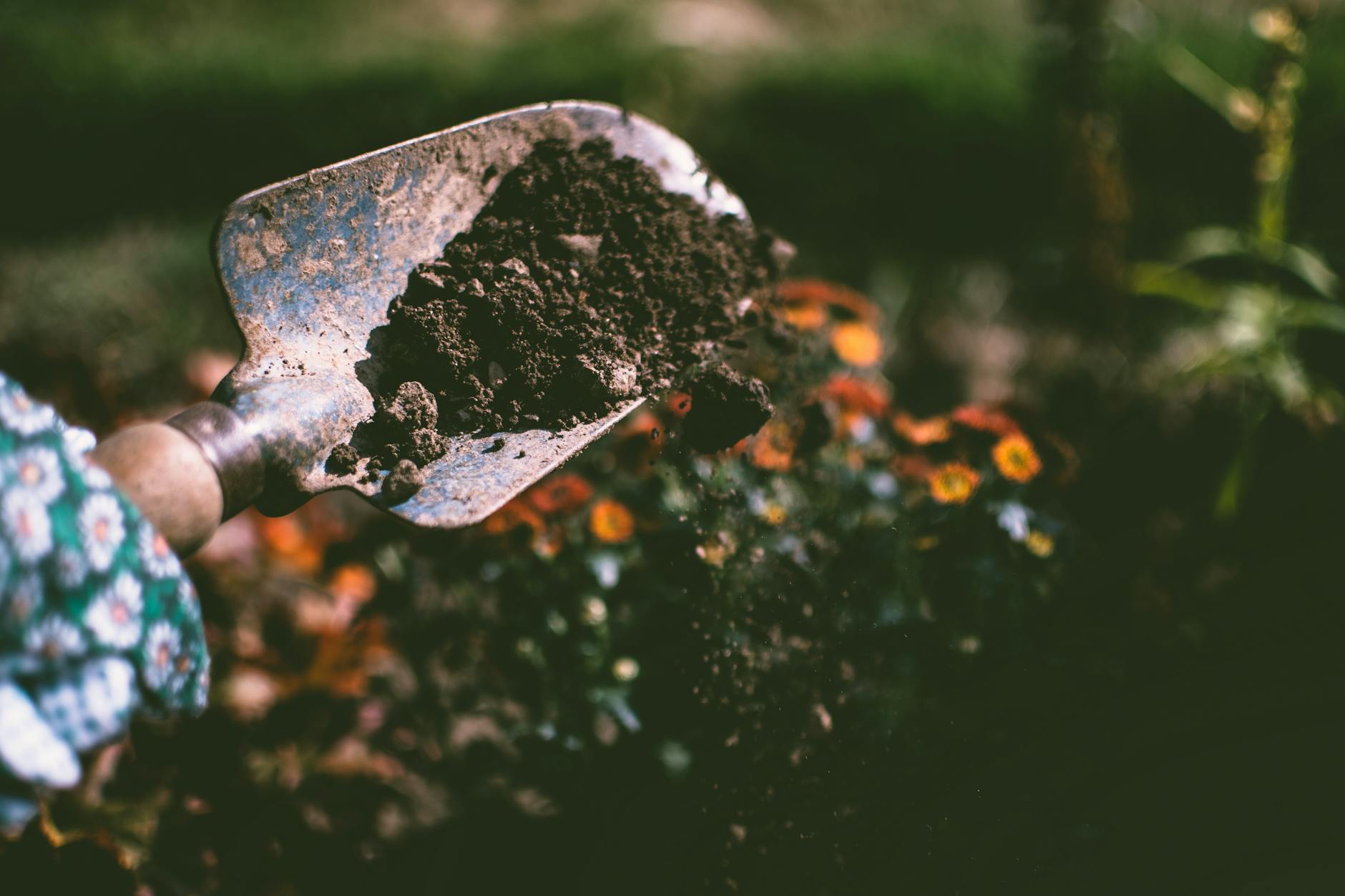
Aeration is a process that involves creating small holes in the soil to allow air, water, and nutrients to penetrate deeper into the root zone. There are two main types of aeration:
- Core Aeration: This method uses a machine to remove small plugs of soil from the lawn, creating larger holes that provide better aeration and decompaction. It’s generally considered the more effective method.
- Spike Aeration: This method uses spikes to poke holes in the soil. While less effective than core aeration, it can provide some benefit in lightly compacted soils.
Tilling: A More Aggressive Approach
Tilling involves using a rotary tiller to break up the soil. This is a more aggressive method than aeration and is typically used when establishing a new lawn or renovating an existing one. Tilling loosens the soil and incorporates organic matter, but it can also disrupt the soil structure and bring weed seeds to the surface. Therefore, careful consideration and planning are crucial.
Soil Amendments: Feeding the Soil for Long-Term Improvement
Soil amendments are materials added to the soil to improve its physical, chemical, and biological properties. Incorporating organic matter, such as compost, aged manure, or peat moss, is particularly beneficial for loosening soil and improving drainage.
Addressing Thatch Buildup: Preventing Future Compaction
A thick layer of thatch can prevent water and air from reaching the soil, contributing to compaction. Dethatching involves removing this layer of dead organic matter. This can be done manually with a thatching rake or mechanically with a dethatching machine.
Natural Methods: Let Nature Do the Work
In some cases, natural processes can help to loosen soil over time. Earthworms, for example, are excellent at aerating the soil and improving its structure. Encouraging earthworm activity by adding organic matter and avoiding harsh chemicals can contribute to long-term soil health. Cover cropping with plants like daikon radishes can also help break up compacted soil.
Choosing the Right Method for Your Lawn
The best method for loosening soil depends on several factors:
- Soil type: Clay soils are more prone to compaction than sandy soils and may require more aggressive methods.
- Level of compaction: Severely compacted soils may require tilling, while lightly compacted soils can be improved with aeration.
- Size of the lawn: For large lawns, mechanical aeration or tilling may be the most practical option.
- Budget: Different methods have different costs. Aeration is generally less expensive than tilling.
- Personal preference: Some gardeners prefer to use organic methods, while others are more comfortable with chemical solutions.
Frequently Asked Questions (FAQs) about Loosening Soil for Grass
Here are some common questions and answers regarding loosening soil for grass:
FAQ 1: When is the best time to aerate my lawn?
The best time to aerate is during the growing season, when the grass is actively growing and can quickly recover. For cool-season grasses like Kentucky bluegrass and fescue, fall is the ideal time. For warm-season grasses like Bermuda and zoysia, late spring or early summer is preferable.
FAQ 2: How often should I aerate my lawn?
The frequency of aeration depends on the soil type and level of compaction. In general, lawns with heavy clay soils should be aerated annually. Lawns with sandy soils may only need to be aerated every few years.
FAQ 3: Can I aerate my lawn myself, or should I hire a professional?
You can aerate your lawn yourself using a manual core aerator or by renting a power aerator from a home improvement store. However, for large or heavily compacted lawns, hiring a professional may be the more efficient and effective option.
FAQ 4: What type of soil amendments are best for loosening soil?
Compost is an excellent all-around soil amendment that improves soil structure, drainage, and nutrient content. Aged manure is another good option, but it should be composted before being applied to avoid burning the grass. Peat moss can also be used, but it is not as sustainable as compost or manure.
FAQ 5: How much soil amendment should I add to my lawn?
The amount of soil amendment needed depends on the soil type and level of compaction. In general, a 1-2 inch layer of compost is sufficient.
FAQ 6: Is it necessary to dethatch my lawn before aerating?
Yes, dethatching before aerating can help the aerator penetrate the soil more effectively. A thick layer of thatch can prevent the aerator from reaching the soil, reducing the benefits of aeration.
FAQ 7: What are the benefits of using earthworms to loosen soil?
Earthworms are natural aerators and soil conditioners. They create tunnels in the soil, improving drainage and aeration. They also break down organic matter, releasing nutrients that are beneficial to plants.
FAQ 8: Can I use chemicals to loosen compacted soil?
While some soil conditioners contain chemicals, organic methods are generally preferred for loosening soil. Chemicals can disrupt the soil’s natural ecosystem and may not provide long-term benefits.
FAQ 9: How long does it take to see results after loosening compacted soil?
The time it takes to see results depends on the method used and the severity of the compaction. Aeration and soil amendments can produce noticeable improvements within a few weeks or months. Tilling provides more immediate results, but it can also disrupt the soil structure.
FAQ 10: How can I prevent soil compaction in the future?
To prevent soil compaction, avoid walking or driving heavy equipment on the lawn when the soil is wet. Also, consider using aeration and soil amendments regularly to maintain healthy soil structure.
FAQ 11: What is the role of lime in loosening soil?
Lime primarily addresses soil acidity, not compaction directly. However, acidic soil can hinder microbial activity, which is important for healthy soil structure. By correcting the pH with lime, you can indirectly improve soil conditions. Lime should only be applied if a soil test indicates a need for it.
FAQ 12: What are cover crops and how can they help loosen soil?
Cover crops are plants grown primarily to benefit the soil, rather than for harvest. Daikon radishes, for example, have long, thick taproots that can penetrate and break up compacted soil. Other cover crops, like legumes, can also improve soil fertility by fixing nitrogen. After they die, they decompose, adding organic matter to the soil.
By understanding the causes and consequences of soil compaction and implementing appropriate loosening techniques, you can create a healthy, vibrant lawn that will thrive for years to come. Remember that consistent effort and patience are key to achieving long-term success.