
How to Loosen Soil for Grass Seed: The Definitive Guide

Loosening soil for grass seed is crucial for successful germination and establishment, promoting healthy root development and overall turf vigor. This involves breaking up compacted soil, improving aeration, and creating a welcoming environment for new grass seeds to thrive.
Understanding the Importance of Loosening Soil
Soil compaction is a common problem, particularly in areas with heavy foot traffic or clay-rich soil. When soil becomes compacted, the pore spaces that normally hold air and water are diminished. This hinders root penetration, limits access to vital nutrients, and restricts drainage. As a result, grass seed struggles to germinate and establish properly. Loosening the soil alleviates these problems, creating a more hospitable environment for new grass. Healthy soil equals healthy grass.
Assessing Your Soil’s Condition
Before you begin any soil loosening techniques, it’s essential to assess your soil’s current condition. A simple test involves digging a small hole and observing the soil structure. Does it crumble easily, or does it clump together in dense, hard blocks? The latter indicates compaction. Consider sending a soil sample to a local agricultural extension office for a comprehensive analysis, which will provide valuable information about your soil’s pH, nutrient levels, and composition. Knowing these factors will help you tailor your soil preparation efforts for optimal results.
Methods for Loosening Soil
There are several effective methods for loosening soil, each with its advantages and disadvantages. The best choice will depend on the size of your area, the degree of compaction, and your personal preferences.

What colours are fish most attracted to?
Can you put your finger in a trout's mouth?
Is methylene blue anti bacterial?
Does aquarium salt raise pH in aquarium?
Manual Tillers and Hand Tools

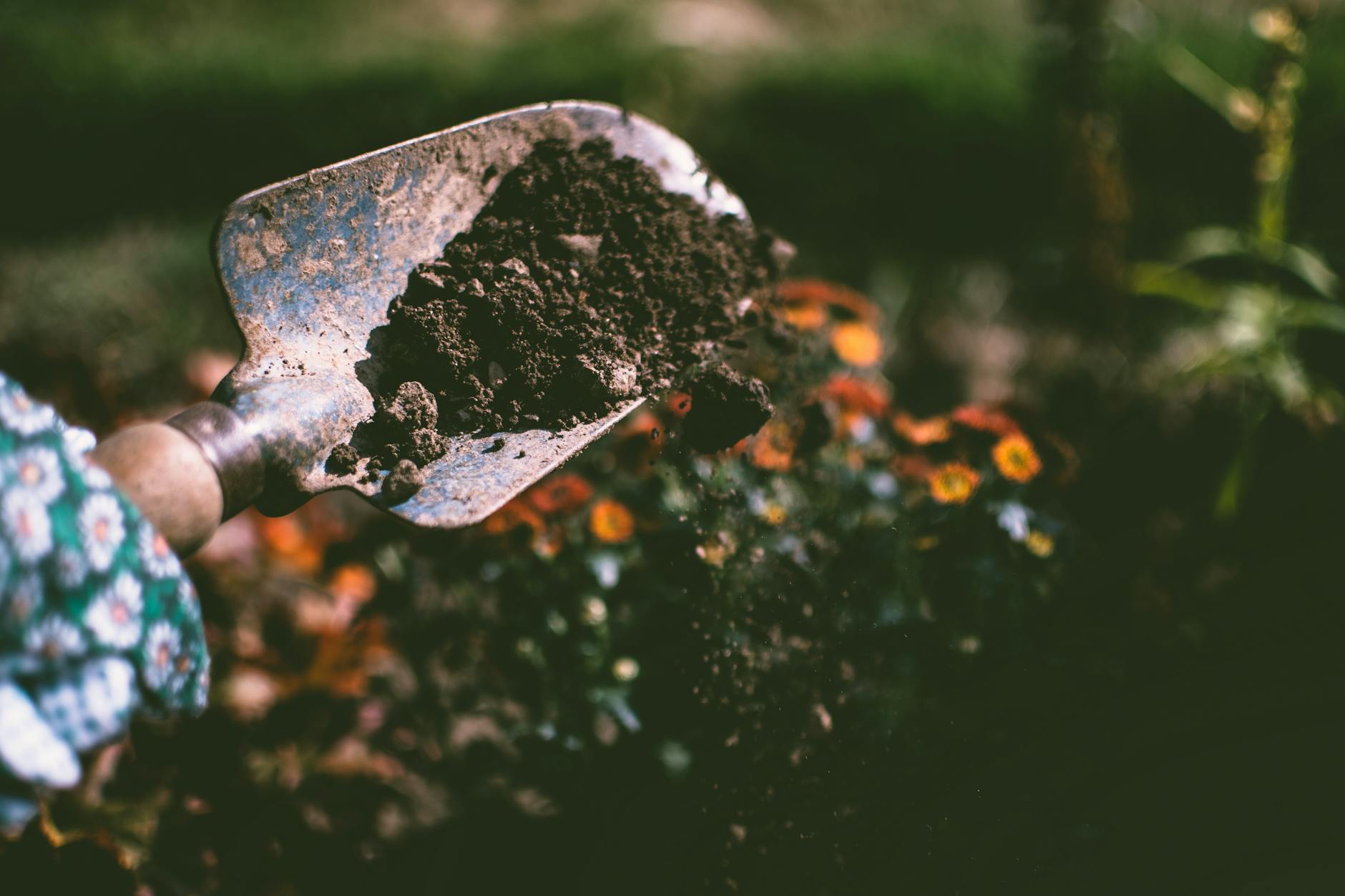
For smaller areas or garden beds, manual tillers and hand tools like garden forks and spades can be effective. A garden fork is excellent for breaking up the soil and aerating it, while a spade can be used to turn over the soil, bringing nutrients to the surface. This method is labor-intensive but provides precise control, allowing you to target specific areas. For smaller areas, this can be an excellent and relatively inexpensive option.
Rotary Tillers
Rotary tillers, also known as rototillers, are motorized machines that use rotating blades to break up and pulverize the soil. They are ideal for larger areas and can quickly loosen compacted soil. However, overuse of a rotary tiller can damage soil structure by over-pulverizing it. It’s important to adjust the tilling depth appropriately and avoid tilling wet soil, as this can lead to further compaction. Renting a rotary tiller is a viable option for homeowners with large areas needing preparation.
Aeration
Aeration involves creating small holes in the soil to improve air and water infiltration. There are two main types of aeration: core aeration and spike aeration. Core aeration removes small plugs of soil, creating larger channels for air and water to penetrate. Spike aeration, on the other hand, simply punctures the soil with spikes. Core aeration is generally considered more effective because it relieves compaction better than spike aeration, which can actually contribute to compaction in some cases. Aerating is a great technique for regular soil maintenance.
Soil Amendments
Incorporating soil amendments like compost, aged manure, or peat moss can significantly improve soil structure and loosen compacted soil. These organic materials add organic matter to the soil, which helps to improve drainage, aeration, and nutrient retention. Spread a layer of amendment over the area to be seeded and then till or work it into the soil. The benefits of organic amendments are long-lasting and contribute to overall soil health.
Preparing the Seedbed
Once you’ve loosened the soil, it’s time to prepare the seedbed. This involves leveling the soil surface and removing any large clumps of debris. A smooth, even surface will ensure good seed-to-soil contact, which is essential for germination. Use a rake to smooth out the soil and create a fine, crumbly texture.
Frequently Asked Questions (FAQs)
FAQ 1: How deep should I till the soil for grass seed?
The ideal tilling depth is generally 4 to 6 inches. This provides enough loosened soil for the grass roots to establish without disrupting the deeper soil layers. Avoid tilling too deeply, as this can bring up subsoil that is low in nutrients and organic matter.
FAQ 2: Can I loosen the soil too much?
Yes, it is possible to over-till the soil, creating a powdery texture that is prone to compaction. Over-tilling also destroys the soil structure and can reduce the beneficial microbial activity. Aim for a crumbly, well-aerated soil structure.
FAQ 3: What is the best time of year to loosen soil for grass seed?
The best time of year depends on the type of grass you are planting. For cool-season grasses like Kentucky bluegrass and fescue, fall is generally the ideal time. For warm-season grasses like Bermuda and Zoysia, late spring or early summer is best.
FAQ 4: How much compost should I add to the soil?
A general guideline is to add 2 to 4 inches of compost to the soil and then till or work it in. Adjust the amount based on the soil’s existing condition. Highly compacted soil may benefit from a larger amount of compost.
FAQ 5: What if I have very heavy clay soil?
Heavy clay soil requires more aggressive loosening techniques and amendment. Consider using a combination of tilling, core aeration, and adding significant amounts of organic matter. Gypsum can also help to break down clay particles.
FAQ 6: Can I use a pre-emergent herbicide before seeding?
No, pre-emergent herbicides prevent seed germination, including grass seed. Wait until after the grass has established before applying a pre-emergent herbicide to control weeds.
FAQ 7: How do I know if I’ve loosened the soil enough?
The soil should be easily crumbled between your fingers and have a loose, airy texture. It should also drain well without becoming waterlogged. If the soil still feels hard and compacted, continue loosening and amending it.
FAQ 8: What are the benefits of adding fertilizer when seeding?
Adding a starter fertilizer that is high in phosphorus helps to promote root development in young grass seedlings. Apply the fertilizer according to the package instructions.
FAQ 9: How do I prevent soil compaction after seeding?
Avoid heavy foot traffic on the newly seeded area. Consider using stepping stones or creating designated pathways. Regular aeration and the addition of organic matter can also help to prevent compaction over time.
FAQ 10: Can I use a lawn roller after seeding?
A light rolling can help to ensure good seed-to-soil contact, but avoid over-compacting the soil. Use a light roller and only roll the area once.
FAQ 11: Is it necessary to remove old grass before loosening the soil?
Yes, it’s crucial to remove existing grass, weeds, and debris before preparing the seedbed. This eliminates competition for resources and ensures the new grass has a clear start. You can use a sod cutter for large areas or hand tools for smaller patches.
FAQ 12: How often should I aerate my lawn?
Aerating your lawn annually, or even twice a year in areas with heavy foot traffic or clay soil, is beneficial. Fall is typically the best time to aerate cool-season grasses. Regular aeration helps to maintain healthy soil and prevent compaction.
By following these steps and addressing the FAQs, you can effectively loosen soil for grass seed and create a thriving lawn. Remember to assess your specific soil conditions and choose the methods and amendments that are best suited for your needs. Consistent effort and proper preparation will be rewarded with a lush, healthy lawn that you can enjoy for years to come.