

How Often to Bathe a Puppy? A Comprehensive Guide
Bathing a puppy is necessary, but overdoing it can strip their coat of essential oils. How often to bathe a puppy should be dictated by their activity level and coat condition, generally ranging from once every few months to once a month at most.
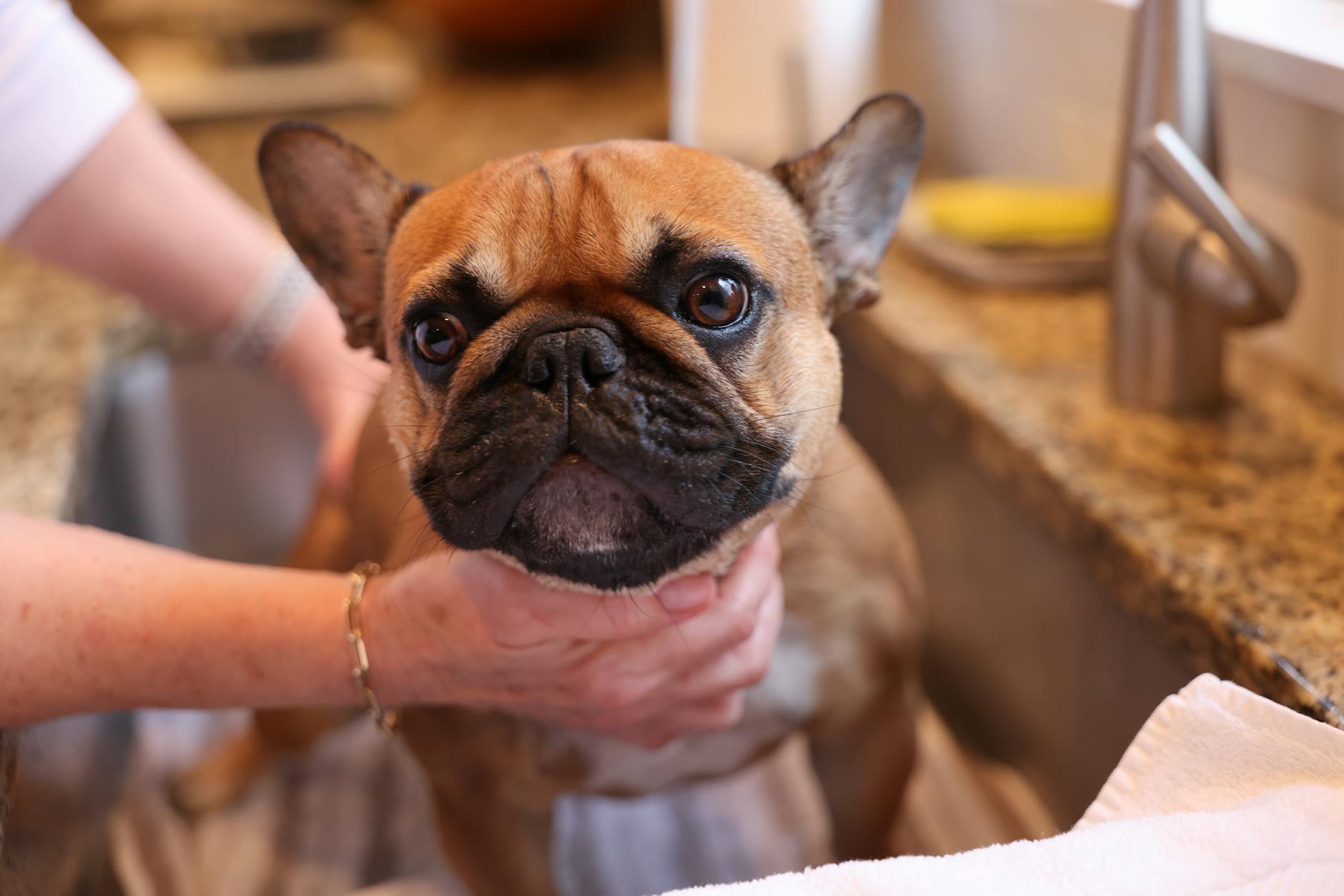
Introduction: Puppy Bathing 101
Bringing a new puppy home is an exciting time, filled with cuddles, playtime, and the inevitable messes. One of the first questions many new puppy parents have is: How often to bathe a puppy? The answer isn’t always straightforward. While cleanliness is important for your puppy’s health and hygiene, over-bathing can be detrimental. This guide will provide you with the information you need to determine the appropriate bathing schedule for your furry friend.

Is distilled water good for goldfish?
What colours are fish most attracted to?
Can you put your finger in a trout's mouth?
Is methylene blue anti bacterial?
Understanding Your Puppy’s Coat
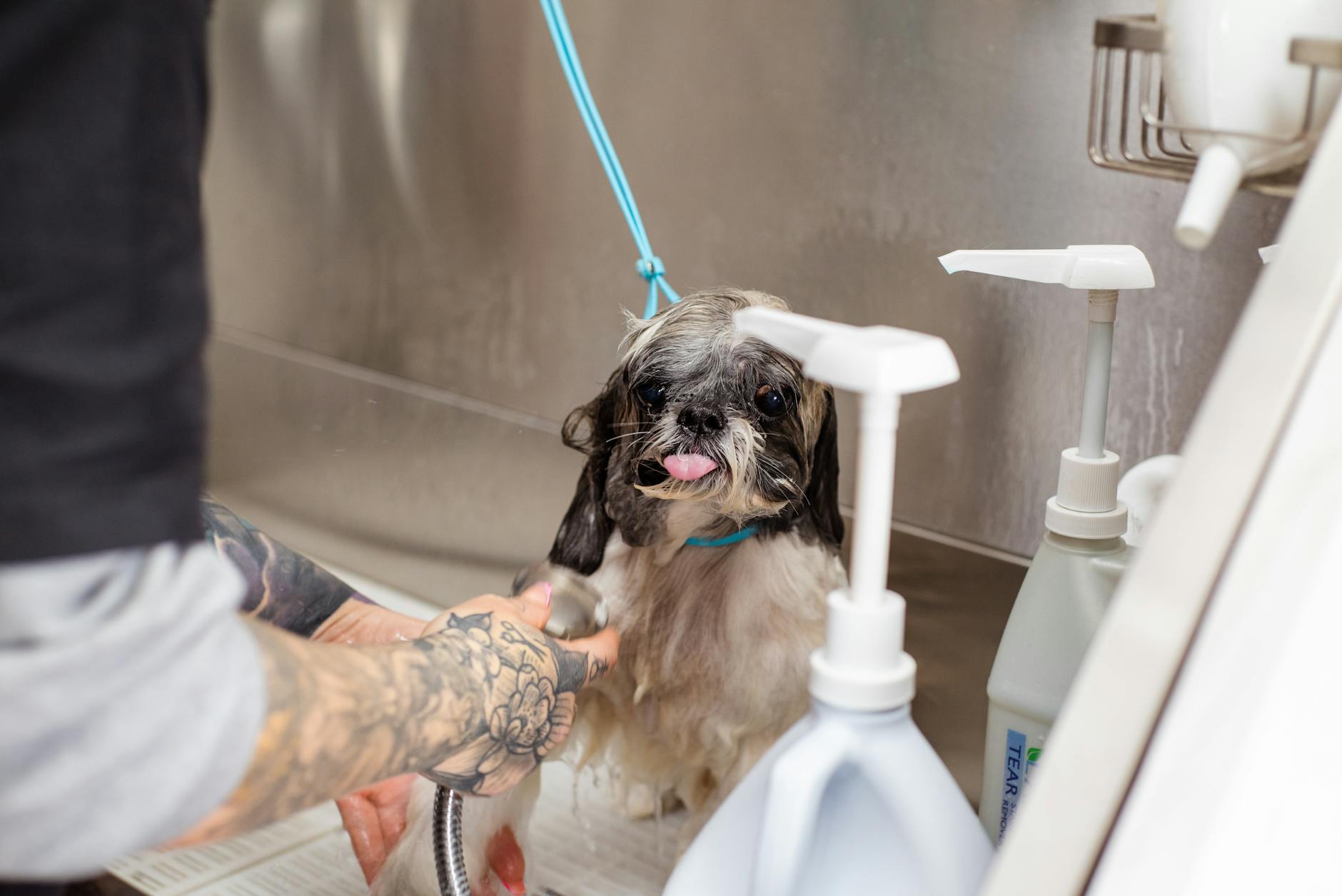
Different breeds have different coat types, and this significantly impacts how frequently they need bathing. Consider these common types:
- Short-haired: Breeds like Beagles and Boxers typically require less frequent bathing.
- Long-haired: Breeds like Shih Tzus and Maltese need more regular grooming and bathing.
- Double-coated: Breeds like Huskies and German Shepherds have a dense undercoat that can trap dirt and moisture, requiring careful attention during bathing.
- Curly-haired: Breeds like Poodles and Bichon Frises have coats that require regular maintenance and bathing to prevent matting.
Benefits of Bathing Your Puppy (When Done Right)
While over-bathing is harmful, properly timed and executed baths offer several benefits:
- Removes Dirt and Debris: Clears away mud, allergens, and other environmental contaminants.
- Eliminates Odors: Keeps your puppy smelling fresh and clean.
- Promotes Skin Health: Helps to prevent skin infections and irritations.
- Strengthens the Bond: Bath time can be a positive experience that strengthens your bond with your puppy.
- Controls Parasites: Bathing with appropriate shampoo can help control fleas and ticks.
Determining the Right Bathing Frequency
How often to bathe a puppy is highly individualized. Consider these factors:
- Activity Level: If your puppy loves to roll in the mud, more frequent baths will be necessary.
- Coat Condition: If your puppy’s coat is oily or prone to tangles, they may need more frequent baths.
- Skin Issues: If your puppy has skin allergies or sensitivities, consult with your veterinarian about appropriate bathing frequency and shampoo.
- Odor: If your puppy starts to smell “doggy,” it may be time for a bath.
As a general rule, aim for bathing your puppy no more than once a month, unless otherwise directed by your veterinarian.
The Puppy Bathing Process: A Step-by-Step Guide
- Gather Supplies: Puppy shampoo, towels, a non-slip mat for the tub, and a pitcher or sprayer.
- Brush Your Puppy: Remove any mats or tangles before bathing.
- Wet Your Puppy: Use lukewarm water to thoroughly wet your puppy’s coat, avoiding their eyes and ears.
- Apply Shampoo: Gently massage the puppy shampoo into their coat, working from head to tail.
- Rinse Thoroughly: Rinse all the shampoo out, making sure no residue remains.
- Towel Dry: Gently towel dry your puppy, using a soft, absorbent towel. You can also use a low-heat hairdryer, but be careful not to burn their skin.
- Reward Your Puppy: Give your puppy a treat and lots of praise for being a good dog!
Common Mistakes to Avoid
- Using Human Shampoo: Human shampoo is too harsh for a puppy’s sensitive skin.
- Over-Bathing: Stripping the coat of natural oils can lead to dryness and irritation.
- Getting Water in the Ears: Can lead to ear infections. Use cotton balls to protect your puppy’s ears.
- Using Too Hot or Too Cold Water: Can be uncomfortable and even dangerous for your puppy.
- Not Drying Thoroughly: Can lead to chills and skin problems.
- Forcing the Bath: A negative experience can make future baths difficult.
Choosing the Right Puppy Shampoo
Selecting the right shampoo is crucial for your puppy’s skin health. Look for:
- Puppy-specific Formulas: These are gentle and pH-balanced for sensitive skin.
- Hypoallergenic Options: Ideal for puppies with allergies.
- Oatmeal-based Shampoos: Soothing and moisturizing for dry skin.
- Avoid: Shampoos with harsh chemicals, fragrances, and dyes.
| Shampoo Type | Benefits | Considerations |
|---|---|---|
| Puppy-Specific | Gentle, pH-balanced | Ensure it’s tear-free. |
| Hypoallergenic | Minimizes allergic reactions | Check ingredients carefully. |
| Oatmeal-Based | Soothes dry, itchy skin | May not be suitable for oily coats. |
| Medicated (Vet-Prescribed) | Treats specific skin conditions | Use only as directed by your veterinarian. |
Grooming Beyond Bathing
Regular grooming, even without frequent bathing, is important for your puppy’s hygiene. This includes:
- Brushing: Daily or weekly, depending on coat type, to remove loose fur and prevent mats.
- Nail Trimming: Regular nail trims to prevent overgrowth.
- Ear Cleaning: Regularly check and clean your puppy’s ears to prevent infections.
- Teeth Brushing: Establish a dental hygiene routine early.
Frequently Asked Questions about Puppy Bathing
Can I bathe my puppy too soon after bringing them home?
It’s generally recommended to wait a week or two after bringing your puppy home before giving them their first bath. This allows them to adjust to their new environment and reduces stress. If they’re particularly dirty, a spot clean with a damp cloth might suffice. Avoid overwhelming them with too much change all at once.
What if my puppy hates baths?
Make bath time a positive experience by using plenty of praise, treats, and gentle handling. Introduce your puppy to water gradually. Start with just wetting their paws, then slowly progress to bathing their entire body. Never force your puppy into the tub.
Can I use baby shampoo on my puppy?
While baby shampoo is generally gentle, it’s not specifically formulated for dogs. Puppy shampoo is pH-balanced for a dog’s skin and coat and is a better option.
How do I prevent my puppy from shaking during a bath?
Keep the room warm and use lukewarm water. Hold your puppy securely but gently. Speak to them in a soothing voice. Once the bath is over, dry them quickly and thoroughly. A warm towel can be comforting.
What if my puppy has fleas?
Use a flea shampoo specifically designed for puppies. Follow the instructions carefully, paying attention to the recommended contact time. Consult with your veterinarian for additional flea control measures.
My puppy has sensitive skin. What kind of shampoo should I use?
Look for hypoallergenic or oatmeal-based shampoos that are specifically formulated for sensitive skin. Avoid shampoos with harsh chemicals, fragrances, and dyes. Always test a small area of skin before applying the shampoo to the entire body.
How do I clean my puppy’s face without getting soap in their eyes?
Use a damp washcloth to gently wipe your puppy’s face. Avoid getting soap or water directly in their eyes. You can use a tear-free puppy shampoo diluted in water and applied with a cloth.
Can I use a human conditioner on my puppy?
It’s generally not recommended. Human conditioners can contain ingredients that are harmful to dogs. Use a dog-specific conditioner if necessary.
How often should I brush my puppy, even if I’m not bathing them frequently?
Brushing frequency depends on your puppy’s coat type. Short-haired breeds may only need brushing once a week, while long-haired breeds may need daily brushing. Regular brushing helps to remove loose fur, prevent mats, and distribute natural oils.
What do I do if my puppy gets skunked?
There are specially formulated skunk shampoos available at pet stores. A homemade remedy of baking soda, hydrogen peroxide, and dish soap can also be effective, but avoid getting it in your puppy’s eyes.
When can I start taking my puppy to a professional groomer?
Consult with your veterinarian and groomer to determine the appropriate age. Typically, puppies can start visiting a groomer after they’ve had their initial vaccinations, usually around 12-16 weeks of age. Early socialization with grooming tools and procedures is beneficial.
How do I know if I’m bathing my puppy too often?
Signs of over-bathing include dry, flaky skin, a dull coat, and increased itching. If you notice these symptoms, reduce the frequency of baths and consult with your veterinarian for advice.
The question of how often to bathe a puppy really depends on your puppy’s individual needs. Observe your puppy’s coat, skin, and activity level, and adjust the bathing frequency accordingly. With proper care and attention, you can keep your puppy clean, healthy, and happy.