

How Common Are Bears? Exploring the Global Distribution of Ursids
How common are bears? While some bear species teeter on the brink of extinction, others thrive across vast territories; the overall answer is complex, varying significantly by species and geographic region, but generally, bear populations are fragmented and face increasing pressures.

Introduction: Understanding Bear Distribution
The question, “How common are bears?” isn’t easily answered with a single statistic. Bears, belonging to the family Ursidae, are found across a diverse range of habitats, from arctic ice to tropical forests. Their distribution and population sizes are influenced by a myriad of factors including habitat availability, food resources, human activities, and conservation efforts. This article delves into the current state of bear populations worldwide, exploring the factors that contribute to their abundance or scarcity.
What colours are fish most attracted to?
Can you put your finger in a trout's mouth?
Is methylene blue anti bacterial?
Does aquarium salt raise pH in aquarium?
Global Distribution of Bear Species
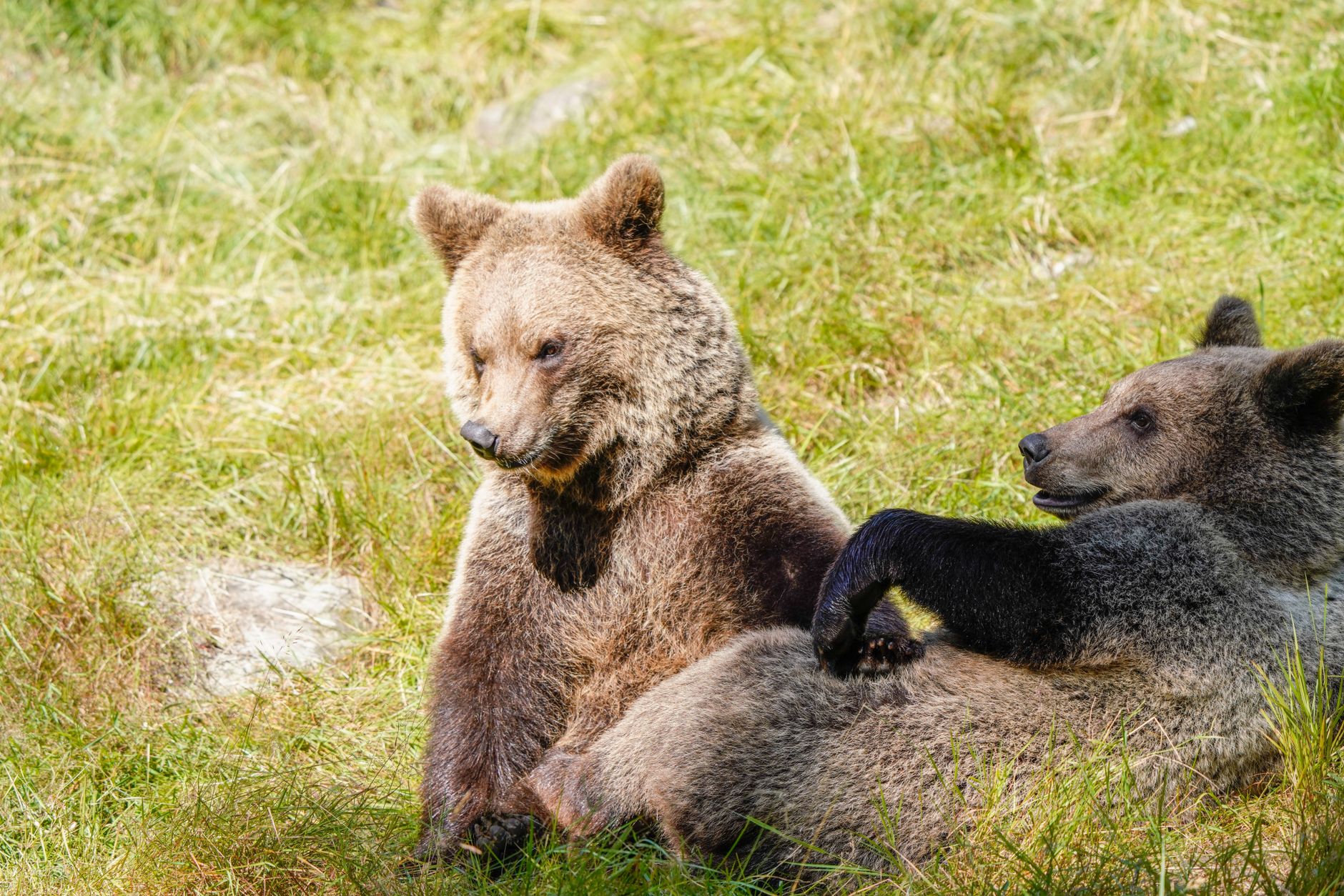
Currently, there are eight recognized species of bears:
- American Black Bear (Ursus americanus): The most common bear in North America.
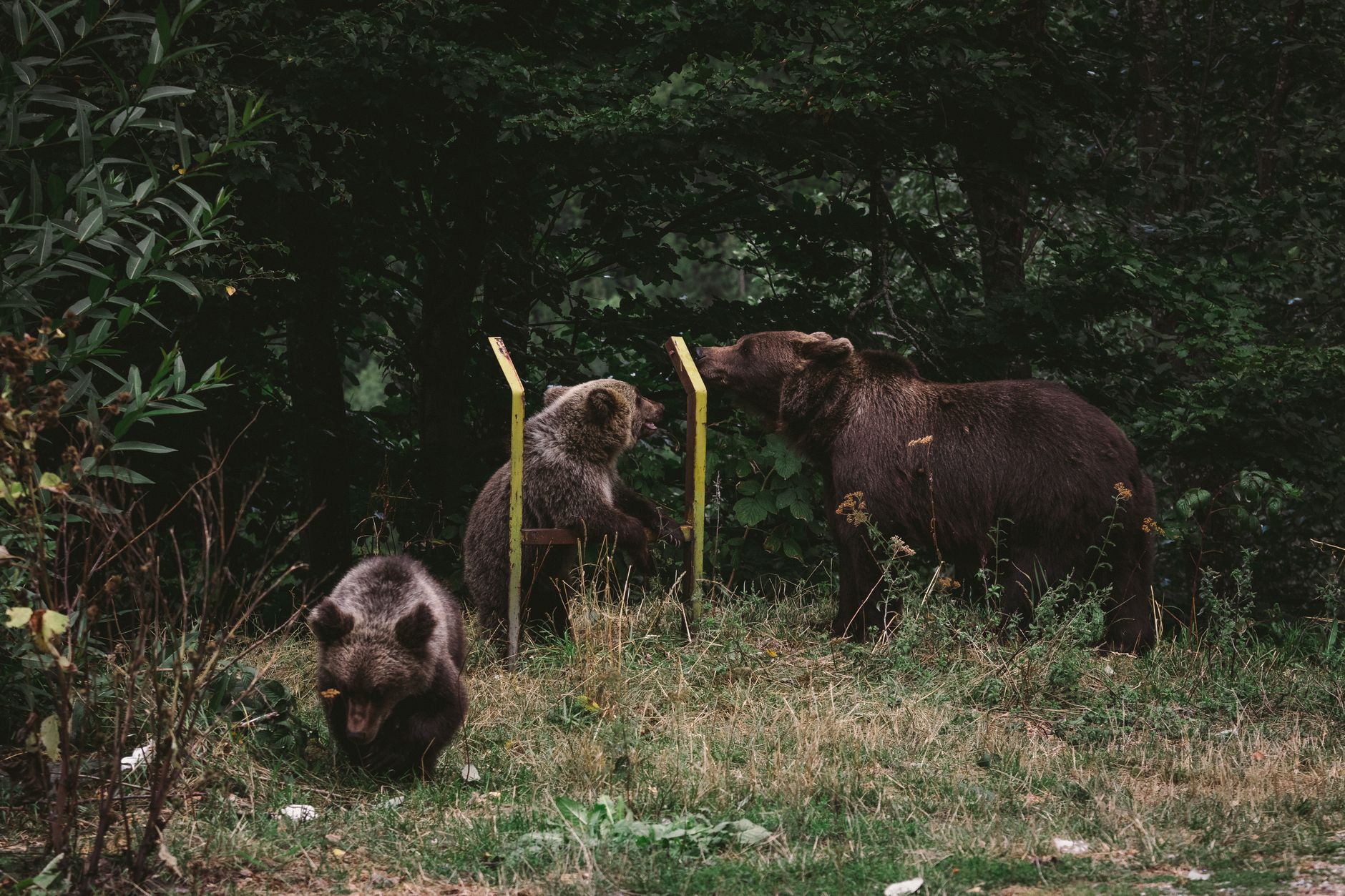
- Brown Bear (Ursus arctos): Includes subspecies like the Grizzly Bear; found in North America, Europe, and Asia.
- Polar Bear (Ursus maritimus): Restricted to arctic regions.
- Asiatic Black Bear (Ursus thibetanus): Found in Asia.
- Sloth Bear (Melursus ursinus): Inhabits India and Sri Lanka.
- Sun Bear (Helarctos malayanus): Found in Southeast Asia.
- Spectacled Bear (Tremarctos ornatus): Native to South America.
- Giant Panda (Ailuropoda melanoleuca): Exclusively found in China.
Understanding the specific range of each species is crucial when asking “How common are bears?“
Factors Influencing Bear Populations
Several factors impact bear populations, determining their commonality in a particular region:
- Habitat Loss: Deforestation, urbanization, and agricultural expansion destroy vital bear habitats.
- Climate Change: Affects food availability and habitat suitability, particularly for Polar Bears.
- Human-Wildlife Conflict: Bears can be killed in defense of livestock or property.
- Hunting and Poaching: Illegal hunting and the demand for bear parts threaten some species.
- Food Availability: Fluctuations in food sources impact bear survival and reproduction.
- Conservation Efforts: Protection of habitats and anti-poaching measures can significantly boost bear populations.
Conservation Status of Bear Species
The International Union for Conservation of Nature (IUCN) Red List assesses the conservation status of species. It provides insights into “How common are bears?” by highlighting which species are threatened:
| Species | IUCN Status | Population Trend | Key Threats |
|---|---|---|---|
| American Black Bear | Least Concern | Increasing | Habitat loss, human-wildlife conflict |
| Brown Bear | Least Concern | Stable | Habitat loss, human-wildlife conflict |
| Polar Bear | Vulnerable | Decreasing | Climate change, habitat loss |
| Asiatic Black Bear | Vulnerable | Decreasing | Habitat loss, poaching, traditional medicine |
| Sloth Bear | Vulnerable | Decreasing | Habitat loss, human-wildlife conflict |
| Sun Bear | Vulnerable | Decreasing | Habitat loss, poaching |
| Spectacled Bear | Vulnerable | Decreasing | Habitat loss, human-wildlife conflict |
| Giant Panda | Vulnerable | Increasing | Habitat loss |
This table clearly demonstrates that while some species are thriving, many face significant challenges.
Examples of Bear Population Dynamics
- American Black Bear: Their adaptability allows them to live near human settlements, but this also increases the risk of conflict. The population is considered abundant in many areas, but regional variations exist.
- Polar Bear: A species heavily impacted by climate change. As sea ice melts, their hunting grounds diminish, impacting their ability to survive and reproduce. They are becoming less common.
- Giant Panda: Conservation efforts have helped increase their numbers, but they remain vulnerable due to their dependence on bamboo and limited habitat.
The Impact of Human Activities
Human activities are a significant driver of bear population declines. Understanding this impact is critical for assessing “How common are bears?“
- Habitat Fragmentation: Roads and development split bear habitats, restricting movement and access to resources.
- Resource Extraction: Mining and logging disrupt ecosystems, impacting bear food sources and denning sites.
- Recreation: Increased human presence in bear habitats can lead to disturbance and conflict.
- Agriculture: Conversion of wildlands for agriculture reduces bear habitat and increases the potential for crop raiding.
Conservation Strategies for Bear Populations
Effective conservation strategies are essential for maintaining and restoring bear populations. These strategies include:
- Habitat Protection: Establishing protected areas and corridors to conserve vital bear habitats.
- Conflict Mitigation: Implementing strategies to reduce human-wildlife conflict, such as bear-resistant waste management and public education.
- Anti-Poaching Measures: Strengthening law enforcement to prevent illegal hunting and trade of bear parts.
- Community Engagement: Working with local communities to promote coexistence and support conservation efforts.
- Climate Change Mitigation: Reducing greenhouse gas emissions to address the underlying cause of habitat loss for polar bears.
- Population Monitoring: Regularly monitoring bear populations to track trends and assess the effectiveness of conservation efforts.
Future Outlook: The Future of Bear Populations
The future of bear populations depends on our ability to address the threats they face. Continued habitat loss and climate change pose significant challenges. However, with effective conservation efforts and increased public awareness, it is possible to ensure that bears continue to roam the wild for generations to come. Assessing “How common are bears?” will require ongoing monitoring and adaptability to emerging challenges.
The Importance of Public Education and Awareness
Raising public awareness about the importance of bear conservation is crucial for fostering support for these magnificent animals. Education can help people understand the role of bears in ecosystems and the need to protect them. Public support is essential for securing funding for conservation programs and implementing effective policies.
FAQ: What is the most common bear species?
The American Black Bear is generally considered the most common bear species. They are found throughout North America and have a relatively large population size. Their adaptability to different habitats contributes to their widespread distribution.
FAQ: What is the rarest bear species?
The Sun Bear is often considered one of the rarest bear species, with declining populations due to habitat loss and poaching. They are found in Southeast Asia and face significant threats to their survival.
FAQ: How do human activities affect bear populations?
Human activities such as deforestation, urbanization, and climate change significantly impact bear populations by reducing habitat, disrupting food sources, and increasing human-wildlife conflict.
FAQ: What can I do to help protect bears?
You can support bear conservation by reducing your carbon footprint, supporting organizations that protect bear habitats, and practicing responsible wildlife viewing. Educating yourself and others about bear conservation is also crucial.
FAQ: Where are most bears found globally?
Bears are found across the Northern Hemisphere primarily, with significant populations in North America, Europe, and Asia. Each region has its own unique bear species and conservation challenges.
FAQ: What is the biggest threat to polar bears?
The biggest threat to polar bears is climate change, which leads to the loss of sea ice, their primary hunting ground. This makes it harder for them to find food and survive.
FAQ: How can I avoid conflicts with bears?
To avoid conflicts with bears, store food properly, make noise while hiking in bear country, and avoid approaching bears. Bear-resistant containers and knowledge of bear behavior are also helpful.
FAQ: What is the role of bears in ecosystems?
Bears play important roles in ecosystems as seed dispersers, predators, and scavengers. They help maintain biodiversity and regulate populations of other species.
FAQ: Are bear populations increasing or decreasing overall?
Overall, many bear populations are decreasing due to habitat loss, poaching, and climate change. However, some populations, like the Giant Panda, have shown signs of recovery due to conservation efforts. It depends on which answer to “How common are bears?” you look at.
FAQ: What are the key conservation efforts for bears?
Key conservation efforts include habitat protection, anti-poaching measures, and community engagement. These efforts aim to protect bear habitats and reduce human-wildlife conflict.
FAQ: How can I tell if bears are nearby when hiking?
Look for signs of bear activity, such as tracks, scat, and claw marks on trees. Be aware of your surroundings and make noise to avoid surprising a bear.
FAQ: Is it dangerous to live near bear habitats?
Living near bear habitats can present challenges, but conflicts can be minimized by taking precautions like storing food properly and securing trash. Education and awareness are also essential for coexistence.