

Which Ocean Do Jellyfish Live In?
Jellyfish are found in every ocean on Earth. Virtually every ocean, from the Arctic to the Antarctic, houses these fascinating and diverse creatures, although the specific species present varies greatly by location.

Introduction to the Ubiquitous Jellyfish
Jellyfish, scientifically known as medusozoans, are not actually fish. They are gelatinous zooplankton belonging to the phylum Cnidaria, which also includes corals and sea anemones. Their simple body structure, typically composed of a bell-shaped body and trailing tentacles, belies a remarkable adaptability that has allowed them to thrive in a vast range of marine environments. Understanding which ocean do jellyfish live in? requires exploring their diverse species and ecological niches.
What is the GREY African clawed frog?
Is distilled water good for goldfish?
What colours are fish most attracted to?
Can you put your finger in a trout's mouth?
Global Distribution of Jellyfish
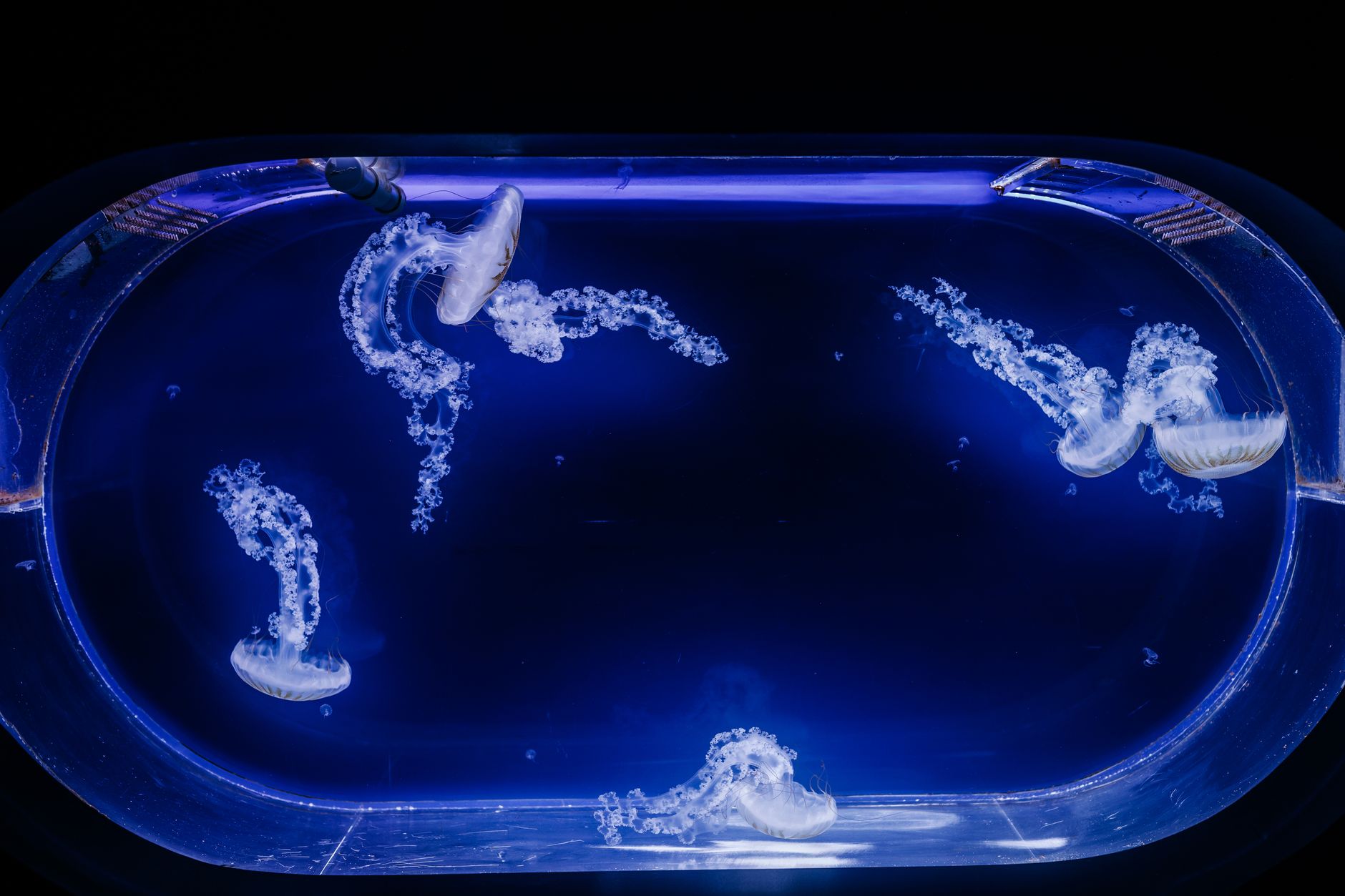
Jellyfish are cosmopolitan, meaning they inhabit marine environments worldwide. The prevalence and type of jellyfish are influenced by factors such as water temperature, salinity, and nutrient availability.
- Arctic Ocean: While often associated with icy conditions, the Arctic Ocean is home to certain jellyfish species adapted to colder waters, such as Cyanea capillata (the lion’s mane jellyfish).
- Atlantic Ocean: This ocean harbors a great diversity of jellyfish, including the Portuguese man-of-war (physalia physalis), which, despite its jellyfish-like appearance, is actually a colonial organism.
- Indian Ocean: The warm waters of the Indian Ocean support numerous jellyfish species, contributing to a complex marine ecosystem.
- Pacific Ocean: As the largest and deepest ocean, the Pacific hosts an exceptional array of jellyfish species, including the moon jellyfish (Aurelia aurita) and the box jellyfish (Chironex fleckeri), one of the most venomous creatures in the world.
- Southern Ocean (Antarctic Ocean): Even the frigid waters surrounding Antarctica support jellyfish populations. Deepstaria enigmatica, a rarely seen deep-sea jellyfish, has been found in this ocean.
Factors Influencing Jellyfish Distribution
Several environmental factors play crucial roles in determining which ocean do jellyfish live in? and their local abundance:
- Temperature: Different jellyfish species have varying temperature tolerances. Warmer waters often lead to larger blooms of certain species.
- Salinity: Jellyfish generally require saltwater environments to survive. However, some species can tolerate slightly brackish conditions.
- Nutrient Availability: Abundant nutrients, often from agricultural runoff or upwelling, can fuel phytoplankton blooms, which provide food for jellyfish.
- Predation: Predation by sea turtles, fish, and seabirds can control jellyfish populations in certain areas.
- Ocean Currents: Currents play a significant role in dispersing jellyfish larvae and adults, influencing their geographical distribution.
Human Impact on Jellyfish Populations
Human activities are increasingly affecting jellyfish populations, sometimes leading to unprecedented blooms:
- Overfishing: Removal of jellyfish predators, such as certain fish species, can allow jellyfish populations to expand.
- Pollution: Nutrient pollution can trigger phytoplankton blooms, providing abundant food for jellyfish.
- Climate Change: Rising ocean temperatures can favor certain jellyfish species and extend their geographic range.
- Habitat Alteration: Coastal development and other forms of habitat alteration can disrupt marine ecosystems, potentially favoring jellyfish over other species.
Why Study Jellyfish Distribution?
Understanding which ocean do jellyfish live in? and the factors influencing their distribution is crucial for:
- Ecosystem Management: Jellyfish play important roles in marine food webs. Studying their populations helps to manage and conserve marine ecosystems.
- Public Health: Some jellyfish species are venomous and pose a threat to human health. Monitoring their distribution helps to protect swimmers and beachgoers.
- Fisheries Management: Jellyfish can compete with commercially important fish species for food and can foul fishing gear.
- Climate Change Research: Jellyfish populations can serve as indicators of climate change and other environmental stressors.
Frequently Asked Questions (FAQs) About Jellyfish Distribution
Which type of jellyfish is most common?
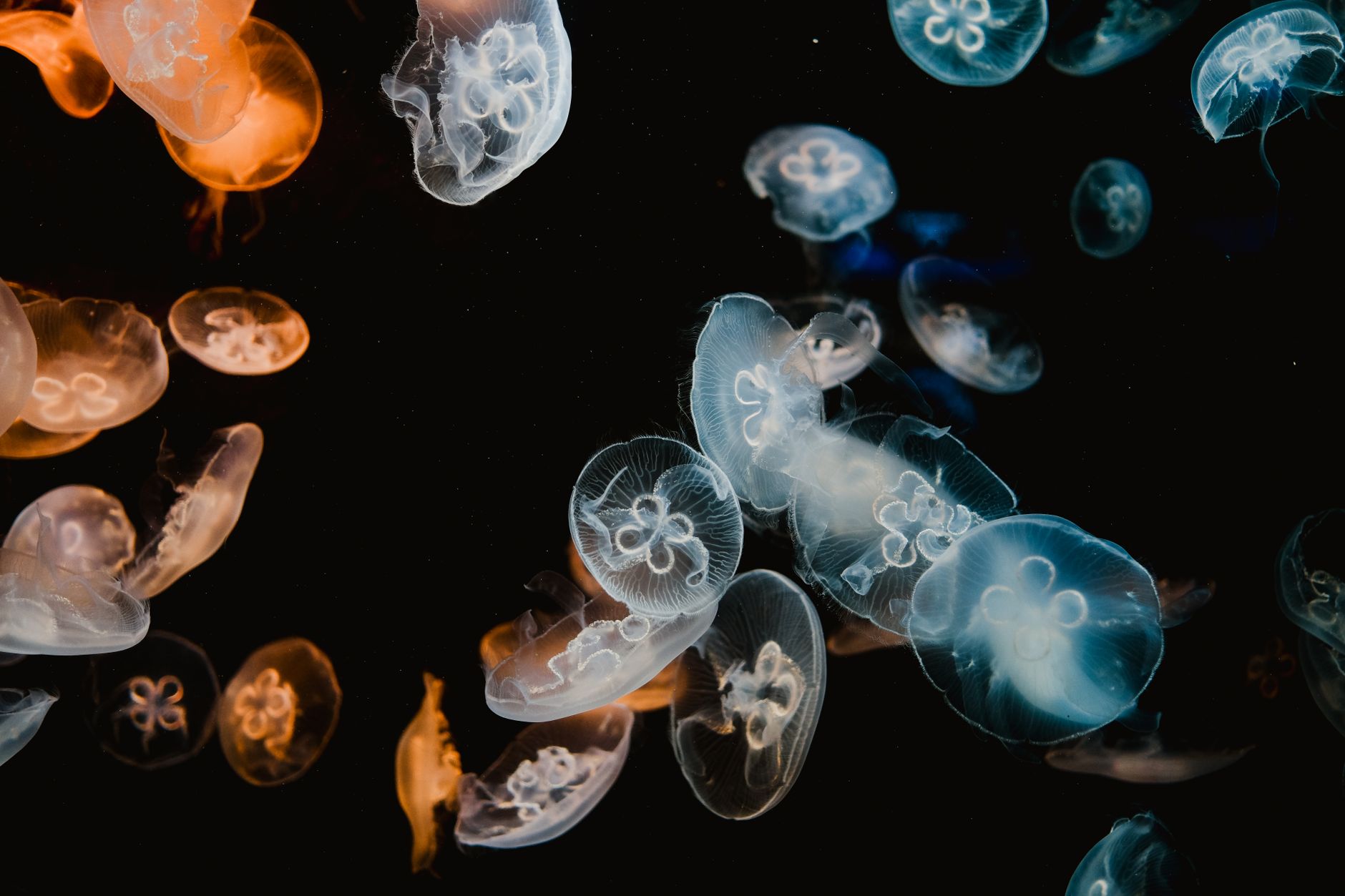
The moon jellyfish (Aurelia aurita) is one of the most common and widespread jellyfish species. Its translucent, saucer-shaped bell and short tentacles make it easily recognizable, and it can be found in temperate and tropical waters worldwide.
Do jellyfish live in freshwater?
While most jellyfish species are found in saltwater environments, a few rare species can tolerate brackish water and even freshwater. These freshwater jellyfish are typically found in lakes and reservoirs.
Are jellyfish increasing in number globally?
In some regions, jellyfish populations are increasing, possibly due to factors like overfishing, pollution, and climate change. However, globally, it is difficult to definitively say if jellyfish are increasing overall, as population data is often localized and inconsistent. More research is needed.
How do jellyfish adapt to different ocean temperatures?
Jellyfish adapt to different temperatures through a variety of mechanisms, including changes in their metabolism, enzyme activity, and cell membrane composition. Some species can also adjust their geographic range to track suitable temperatures. Genetic diversity within species also plays a role.
Are jellyfish found at all depths of the ocean?
Jellyfish are found at a wide range of depths, from the surface to the deep sea. Deep-sea jellyfish are often adapted to the extreme conditions of the deep ocean, including low temperatures, high pressure, and darkness. Many deep-sea species are bioluminescent.
What do jellyfish eat?
Jellyfish are carnivores and feed on a variety of prey, including plankton, small fish, and even other jellyfish. They use their tentacles to capture prey and then transport it to their mouth. Their diet varies by species.
Who eats jellyfish?
Many marine animals prey on jellyfish, including sea turtles, fish (such as tuna and sunfish), seabirds, and even other jellyfish. Jellyfish play an important role in marine food webs, both as predators and prey.
Are jellyfish populations affected by pollution?
Pollution, particularly nutrient pollution, can have a significant impact on jellyfish populations. Nutrient pollution can trigger phytoplankton blooms, providing abundant food for jellyfish and leading to larger blooms. Plastic pollution also poses a threat.
Can jellyfish be used for human consumption?
In some parts of the world, particularly in Asia, jellyfish are considered a delicacy. They are typically dried and processed before being eaten. However, it’s important to ensure that jellyfish are harvested and prepared safely.
How do jellyfish reproduce?
Jellyfish have a complex life cycle that involves both sexual and asexual reproduction. They alternate between a free-swimming medusa stage and a bottom-dwelling polyp stage. Environmental conditions influence the reproductive strategy.
What is a jellyfish bloom?
A jellyfish bloom is a rapid increase in the population of jellyfish in a particular area. Blooms can be caused by a variety of factors, including changes in temperature, nutrient availability, and predation. Blooms can have negative impacts on fisheries and tourism.
How can I protect myself from jellyfish stings?
When swimming in areas known to have jellyfish, wear protective clothing such as a wetsuit or rash guard. Avoid touching jellyfish, even if they appear to be dead. If stung, seek medical attention if necessary and follow established first-aid procedures, which typically involve rinsing the affected area with vinegar. Prevention is key.