
How Much is a Yard of Top Soil?
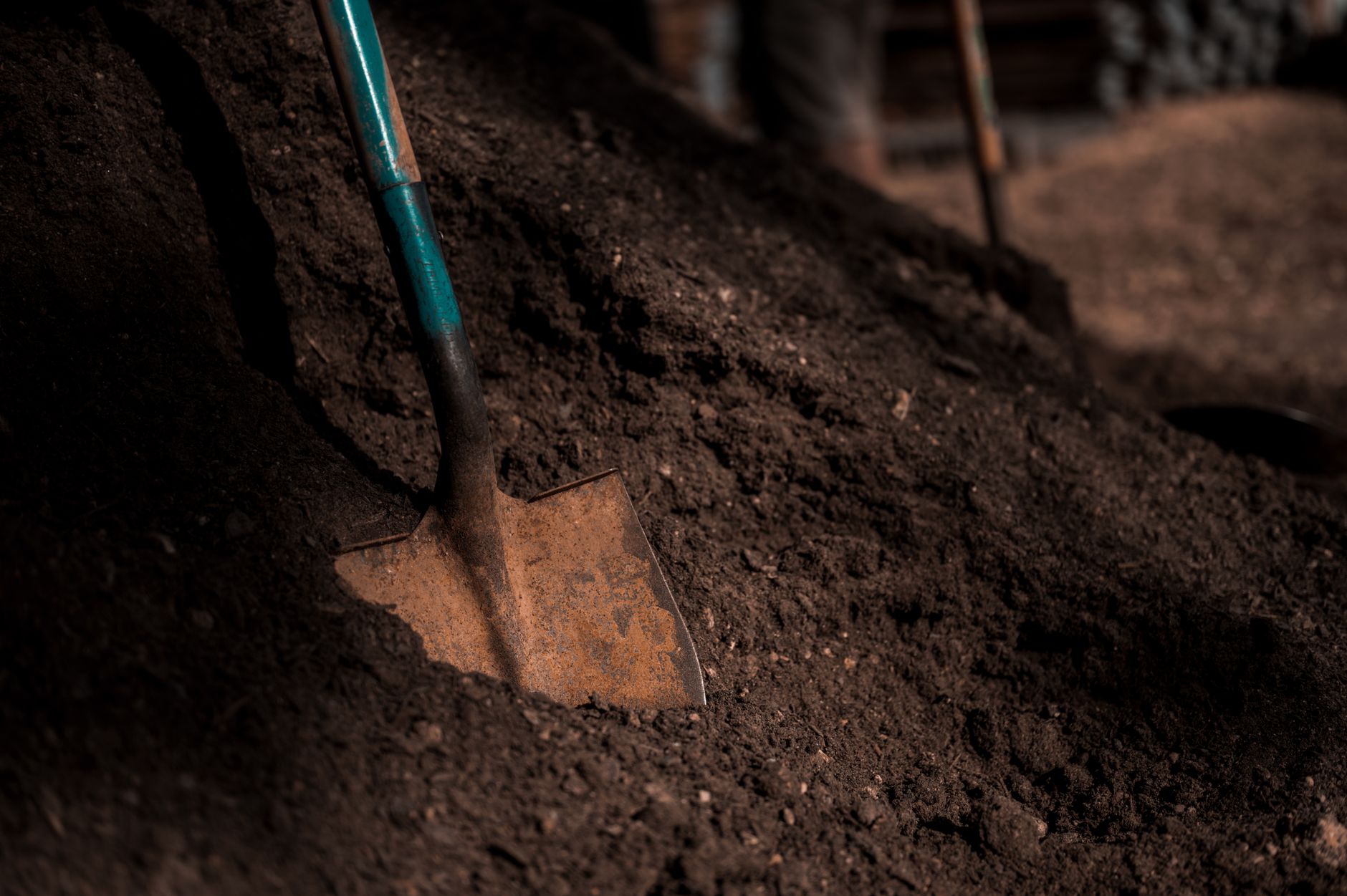
The price of a yard of topsoil typically ranges from $10 to $80, depending on the quality, composition, location, and supplier. However, specialty mixes and delivery fees can significantly impact the final cost, making it crucial to understand the various factors influencing pricing.
Understanding Topsoil Costs: A Comprehensive Guide
Navigating the world of topsoil pricing can feel like sifting through a vast and varied landscape. From the basic bulk options to specialized, nutrient-rich blends, the cost of a yard of topsoil is influenced by a complex interplay of factors. This guide breaks down the key elements that determine the price you’ll pay, empowering you to make informed decisions for your gardening and landscaping needs.
Factors Affecting Topsoil Price
-
Quality and Composition: This is arguably the most significant factor. Basic topsoil, often screened but not amended, is the most affordable. Moving up the quality ladder, you’ll find amended topsoil enriched with compost, manure, or other organic matter, significantly increasing the price. Specialty blends tailored for specific plants, like raised beds or vegetable gardens, carry the highest price tag due to their carefully curated nutrient profiles.
-
Location: Geographic location plays a critical role. Areas with abundant natural soil resources will generally have lower prices than regions where topsoil must be transported over long distances. Local nurseries and landscaping supply companies will offer competitive pricing based on regional availability.
-
Supplier: Big box stores often offer relatively inexpensive, but sometimes lower-quality, topsoil. Local nurseries and landscaping suppliers may charge more, but often provide higher quality soil and expert advice. Direct purchases from soil producers are often the most cost-effective for large quantities.
-
Screening: Screening removes rocks, debris, and large clumps from the soil. Unscreened topsoil is the cheapest option, but it’s generally not suitable for gardening unless you’re willing to put in the work to sift it yourself. Screened topsoil is more expensive but provides a smoother, more consistent texture.
-
Delivery Fees: Don’t overlook delivery costs! The price per yard might seem reasonable, but delivery fees can add a substantial amount to the total. These fees depend on the distance from the supplier to your property and the quantity of soil being delivered. Always factor this in when comparing prices from different suppliers.
-
Bulk vs. Bagged: While this article focuses on per-yard pricing, it’s important to note that buying topsoil in bags is almost always more expensive per unit volume than buying in bulk. Bags are convenient for small projects, but bulk purchases are far more economical for larger landscaping projects.
Frequently Asked Questions (FAQs) About Topsoil
Here are some common questions to help you navigate the intricacies of topsoil purchases:

What colours are fish most attracted to?
Can you put your finger in a trout's mouth?
Is methylene blue anti bacterial?
Does aquarium salt raise pH in aquarium?
FAQ 1: What does “a yard” of topsoil actually mean?
A yard of topsoil refers to a cubic yard, which is a volume measurement equivalent to 27 cubic feet. Imagine a cube that’s 3 feet long, 3 feet wide, and 3 feet high. That’s a yard of anything, including topsoil.
FAQ 2: How much topsoil do I need for my project?
To calculate the amount of topsoil needed, you need to determine the area you want to cover (length x width) and the desired depth of the soil in feet. Multiply these three numbers (length x width x depth) to get the volume in cubic feet. Then, divide the cubic feet by 27 to convert it into cubic yards.
FAQ 3: What are the different types of topsoil available?
Common types include:
- Screened Topsoil: Basic topsoil that has been sifted to remove large debris.
- Unscreened Topsoil: Untreated topsoil that may contain rocks, roots, and other materials.
- Garden Soil: Typically a blend of topsoil, compost, and other organic matter.
- Enriched Topsoil: Topsoil amended with specific nutrients to improve fertility.
- Fill Dirt: A cheaper alternative, often used to fill holes or raise ground levels. It’s not suitable for planting.
FAQ 4: Is topsoil the same as garden soil?
No, topsoil is the uppermost layer of natural soil, while garden soil is a manufactured blend designed to optimize growing conditions. Garden soil often contains topsoil, compost, and other amendments.
FAQ 5: Can I use topsoil straight from a construction site?
Generally, no. Construction site soil is often compacted, nutrient-poor, and may contain contaminants. It’s usually best to purchase topsoil from a reputable supplier.
FAQ 6: How can I tell if topsoil is good quality?
Good quality topsoil should be dark in color, crumble easily, and have a pleasant earthy smell. Avoid soil that is compacted, has a foul odor, or contains excessive amounts of rocks, clay, or debris.
FAQ 7: What is the difference between topsoil and fill dirt?
Topsoil is the fertile upper layer of soil suitable for planting, while fill dirt is used to fill holes or raise ground levels and lacks the nutrients necessary for plant growth. Fill dirt is usually much cheaper than topsoil.
FAQ 8: How is topsoil transported?
Topsoil is typically transported in bulk using dump trucks. Many suppliers also offer smaller quantities in bags for easier handling.
FAQ 9: What is the best time of year to buy topsoil?
While you can purchase topsoil year-round, spring and fall are generally the best times, as the weather is more conducive to outdoor work. Demand can also be slightly lower during these periods compared to the peak summer months.
FAQ 10: Can I mix different types of topsoil together?
Yes, you can mix different types of topsoil to create a customized blend for your specific needs. This can be particularly useful if you want to improve the drainage or fertility of your existing soil.
FAQ 11: How do I store topsoil?
If you’re not using the topsoil immediately, store it in a dry place covered with a tarp to prevent it from becoming waterlogged or contaminated.
FAQ 12: Are there any environmental concerns associated with topsoil?
Topsoil is a precious resource, and irresponsible harvesting can lead to erosion and habitat loss. Choose suppliers who practice sustainable harvesting methods and prioritize soil conservation. Consider using locally sourced topsoil to reduce transportation emissions. Purchasing certified organic topsoil can also help ensure that it is free of harmful pesticides and herbicides.