
How Much to Clean Solar Panels?

The optimal cleaning frequency for solar panels varies based on environmental factors, panel tilt, and acceptable energy loss, but a general guideline suggests cleaning once or twice a year in most residential settings. In areas with high levels of dust, pollen, pollution, or bird droppings, more frequent cleaning – potentially quarterly or even monthly – may be necessary to maintain peak performance.

Why Cleaning Matters: Maintaining Peak Solar Performance
The efficiency of solar panels relies heavily on their ability to absorb sunlight. Any obstructions, such as dirt, dust, bird droppings, or pollen, can significantly impede this absorption, leading to a measurable decrease in energy production. This decrease in production translates directly into less energy generated and, ultimately, less money saved on electricity bills. The buildup of grime acts like a shade, preventing sunlight from reaching the photovoltaic cells that convert light into electricity. Neglecting panel cleanliness can reduce energy output by as much as 25% or more in severely affected areas. Regularly cleaning your solar panels is, therefore, not just an aesthetic consideration; it’s a crucial step in maximizing your solar investment and ensuring you reap the full benefits of clean, renewable energy.
Assessing Your Needs: Factors Influencing Cleaning Frequency
Determining how often you need to clean your solar panels depends on a variety of factors specific to your location and system configuration. Understanding these factors will allow you to tailor a cleaning schedule that optimizes your panel performance without unnecessary expenses or effort.
Environmental Conditions
- Air Pollution: Areas with high levels of air pollution, industrial emissions, or nearby construction sites will accumulate grime on solar panels more quickly. Regular cleaning is essential in these environments.
- Dust and Sand: Arid climates and regions prone to dust storms require more frequent cleaning. Even a thin layer of dust can significantly reduce energy production.
- Pollen: During pollination season, pollen can accumulate on solar panels, forming a sticky residue that attracts other debris.
- Bird Droppings: Bird droppings are highly corrosive and can block sunlight effectively. Prompt removal is crucial to prevent permanent damage.
- Tree Sap: Tree sap can be difficult to remove and can attract dirt and debris, requiring specialized cleaning solutions.
Is distilled water good for goldfish?
What colours are fish most attracted to?
Can you put your finger in a trout's mouth?
Is methylene blue anti bacterial?
Panel Tilt and Orientation

- Tilt Angle: Panels with steeper tilt angles tend to self-clean more effectively during rainfall. Panels with shallower angles require more frequent manual cleaning.
- Orientation: The direction your panels face (e.g., south, east, west) can influence how much sunlight they receive and how quickly they accumulate dirt.
Monitoring Performance
- Production Monitoring: The most reliable way to determine if your panels need cleaning is to monitor their energy production. If you notice a significant drop in output compared to historical data or expected levels, it’s a strong indication that cleaning is necessary. Many solar panel systems come equipped with monitoring software that allows you to track performance in real-time.
- Visual Inspection: Regularly visually inspect your panels for visible dirt, debris, or bird droppings. Even a small amount of buildup can impact performance.
Cleaning Methods: DIY vs. Professional Services
You have two primary options for cleaning your solar panels: doing it yourself or hiring a professional solar panel cleaning service. Each option has its own advantages and disadvantages.
DIY Cleaning
- Pros: Lower cost, convenient scheduling, allows you to inspect your panels closely.
- Cons: Requires time and effort, potential safety risks (especially on sloped roofs), risk of damaging panels if improper cleaning techniques are used.
When cleaning panels yourself, use a soft brush or sponge and distilled water. Avoid using harsh chemicals, abrasive cleaners, or pressure washers, as these can damage the panel surface. Always clean panels early in the morning or late in the evening when they are cool to prevent thermal shock.
Professional Cleaning Services
- Pros: Safe and efficient, specialized equipment and expertise, ensures thorough cleaning, reduces the risk of damage.
- Cons: Higher cost, requires scheduling, may not be necessary as frequently as DIY cleaning.
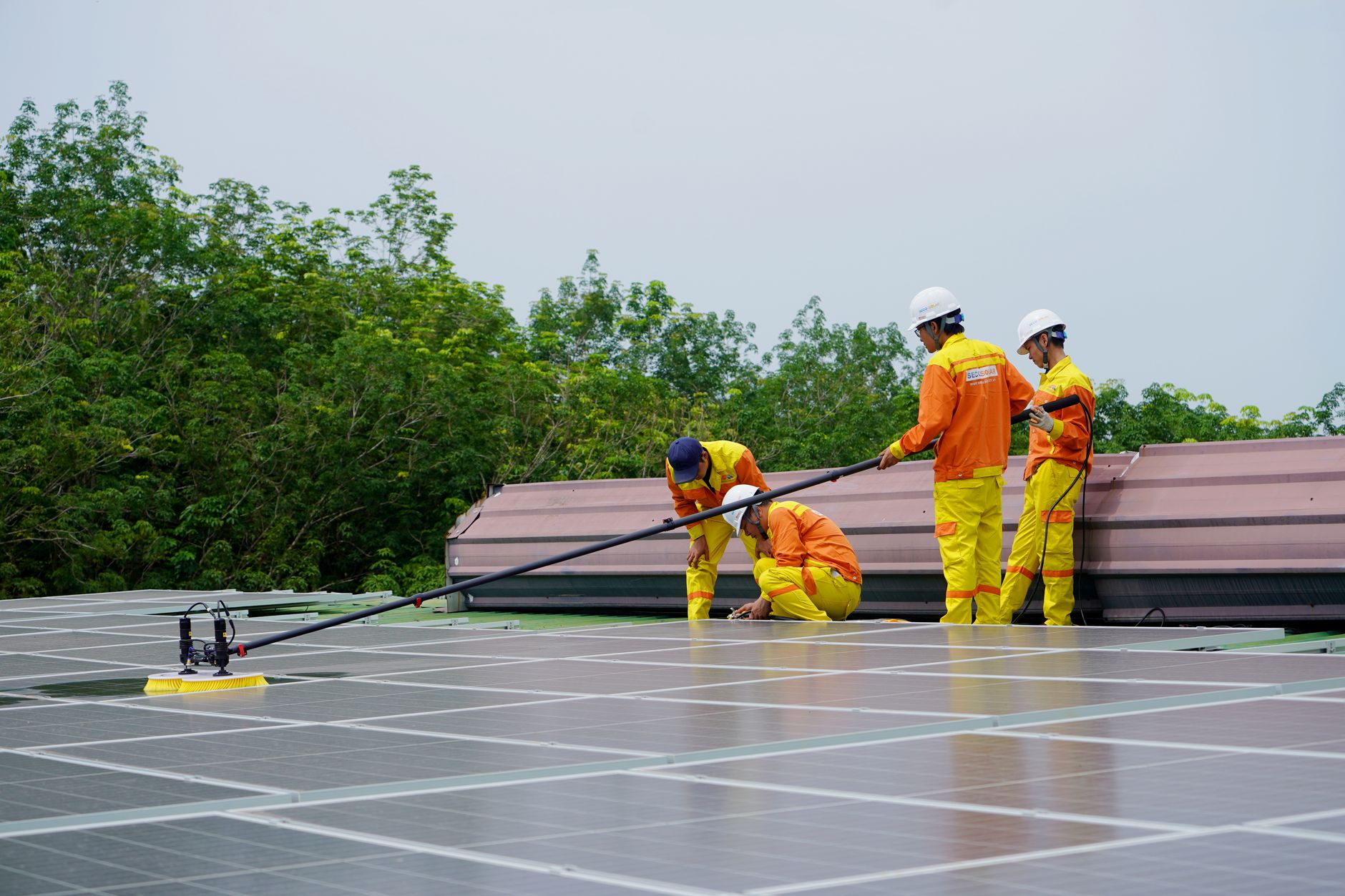
Professional cleaning services use specialized equipment, such as deionized water systems and soft-bristled brushes, to clean panels safely and effectively. They also have the necessary safety equipment and training to work on roofs.
Frequently Asked Questions (FAQs)
Here are 12 frequently asked questions to further clarify best practices for maintaining the cleanliness of your solar panels:
-
What type of water should I use to clean my solar panels? It’s crucial to use deionized or distilled water. Tap water contains minerals that can leave deposits on the panels, reducing their efficiency over time.
-
Can I use a pressure washer to clean my solar panels? No. Pressure washers can damage the delicate surface of solar panels and void the warranty. Use gentle methods instead.
-
What cleaning solutions are safe for solar panels? Generally, plain water is the best option. If necessary, a mild, non-abrasive soap specifically designed for solar panels can be used in very diluted concentrations.
-
How can I prevent bird droppings from accumulating on my solar panels? Consider installing bird deterrents like spikes or netting to prevent birds from landing on your panels.
-
Is it safe to walk on my solar panels while cleaning them? No. Walking on solar panels can damage the cells and reduce their lifespan. Work from a ladder or hire a professional.
-
How much does it cost to hire a professional solar panel cleaning service? The cost varies depending on location, panel size, and the complexity of the job. Expect to pay anywhere from $100 to $300 for a typical residential system.
-
Will rain clean my solar panels effectively? Rain can help remove loose dust and debris, but it’s usually not sufficient to remove stubborn dirt, pollen, or bird droppings.
-
How do I know if my solar panels are dirty enough to warrant cleaning? Monitor your energy production and visually inspect the panels for significant buildup of dirt or debris. A drop in production warrants a cleaning.
-
Can cleaning solar panels void my warranty? Using improper cleaning methods or solutions can potentially void your warranty. Always follow the manufacturer’s recommendations.
-
What is the best time of day to clean solar panels? Clean your panels during the early morning or late evening when the panels are cool to avoid thermal shock.
-
How often should I inspect my solar panels for damage? Inspect your panels at least once a year for cracks, delamination, or other signs of damage.
-
Are there any tax incentives for cleaning solar panels? While rare, check with your local and state government for any potential energy efficiency incentives related to solar panel maintenance.