

How Much Do Sherpas Get Paid on Everest? Unveiling the Economics of Everest Guiding
The average Sherpa working on Everest earns between $5,000 and $10,000 USD per climbing season, significantly more than the average income in Nepal, but it’s a figure that belies the inherent risks and sacrifices involved.

Understanding the Role of Sherpas on Everest
The term “Sherpa” refers to an ethnic group from the mountainous regions of Nepal. While often associated with guiding and portering, not all Sherpas work in the climbing industry. However, their exceptional mountaineering skills and acclimatization to high altitudes have made them indispensable to Everest expeditions. They are responsible for:
- Carrying gear and supplies up the mountain.
- Fixing ropes and ladders across treacherous sections.
- Guiding climbers to the summit.
- Providing essential support in case of emergencies.

Is distilled water good for goldfish?
What colours are fish most attracted to?
Can you put your finger in a trout's mouth?
Is methylene blue anti bacterial?
The Economics of Everest Expeditions
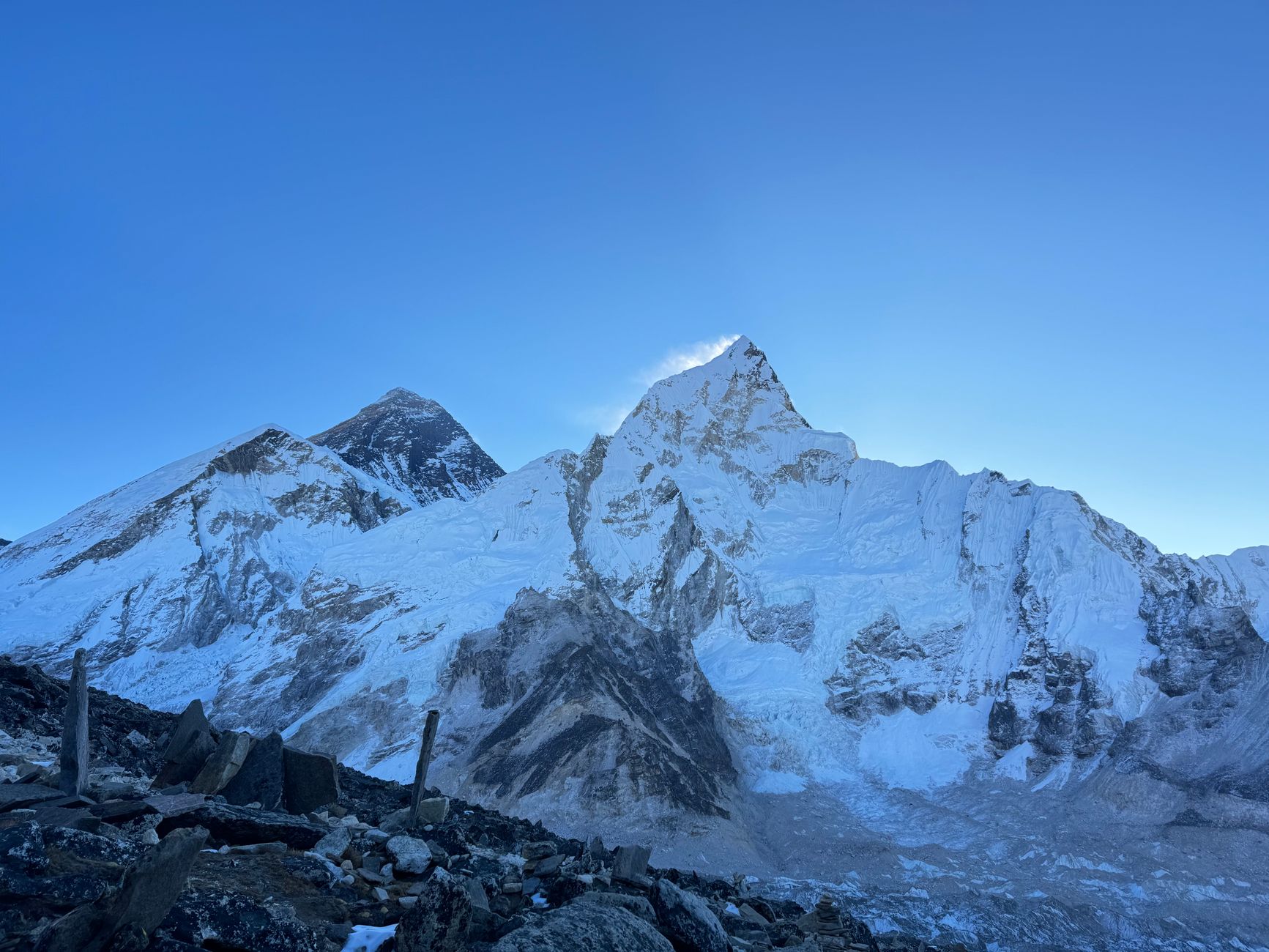
Everest expeditions are expensive endeavors, costing climbers tens of thousands of dollars. These costs are distributed among various expenses, including permits, equipment, logistics, and, of course, the compensation for the Sherpa team. The exact amount a Sherpa earns depends on several factors:
- Experience and Skill: More experienced and highly skilled Sherpas, particularly those with multiple Everest summits under their belt, can command higher salaries.
- Role on the Expedition: Summit guides generally earn more than porters or those focused on base camp support.
- Employer: International expedition companies often pay more than local Nepali companies.
- Risk Level: Expeditions involving particularly challenging routes or timings might offer increased compensation.
- Tips and Bonuses: Successful summits often result in generous tips and bonuses from grateful climbers.
Factors Influencing Sherpa Compensation
Beyond the base salary, several factors can significantly impact a Sherpa’s overall earnings:
- Insurance Coverage: Reputable expedition companies provide comprehensive medical and life insurance for their Sherpa staff. This is crucial, given the inherent dangers of working at high altitude.
- Gear and Equipment: Companies should provide Sherpas with appropriate high-quality gear and equipment, reducing their personal expenses and ensuring their safety.
- Rescue Coverage: Clear protocols and resources for rescue operations are vital. Some insurance policies cover helicopter evacuations, but not all.
- Bonuses: Successful summits, or going above and beyond in their duties, often trigger bonus payments from both the expedition company and individual clients.
The Dangers and Risks of Everest
It is vital to acknowledge the extreme risks associated with working on Everest. Sherpas face life-threatening dangers including:
- Altitude Sickness: The lack of oxygen at high altitudes can lead to severe health problems.
- Falls and Injuries: The terrain is treacherous, and accidents are common.
- Avalanches and Icefalls: These unpredictable natural hazards pose a significant threat.
- Extreme Weather: Sudden storms can bring blizzard conditions and freezing temperatures.
The compensation Sherpas receive must be considered in the context of these risks. They are not simply employees; they are essential partners whose expertise and bravery are crucial to the success (and often survival) of Everest expeditions.
Negotiating a Fair Wage: A Complex Process
Negotiating fair wages can be a challenging process. Sherpas, especially those with less experience, may not have the leverage to demand higher pay. Ethical expedition companies should prioritize transparency and fairness in their compensation practices. Factors involved include:
- Clear Contracts: Written contracts outlining the terms of employment, including salary, insurance, and responsibilities.
- Fair Representation: Sherpa unions can play a vital role in advocating for fair wages and working conditions.
- Industry Standards: While no universally enforced standard exists, awareness of typical pay scales can help ensure fair compensation.
How much do Sherpas get paid on Everest? – Ethical Considerations
While the pay on Everest is generally good by Nepali standards, discussions remain on whether or not the pay adequately reflects the risks involved. Many feel the risk/reward balance is severely skewed and that Sherpas often risk their lives for what is still a relatively modest amount in the grand scheme of an Everest expedition costing tens of thousands of dollars for a client. There is a growing movement to increase base pay, improve insurance, and to properly recognize the immense contribution of Sherpas to the Everest experience.
Case Study: Comparing Sherpa Salaries Across Different Expeditions
| Expedition Company | Base Salary (USD) | Insurance Coverage | Bonuses | Other Benefits |
|---|---|---|---|---|
| International Company A | $8,000 – $12,000 | Comprehensive | Yes | Gear, Training |
| Local Company B | $4,000 – $7,000 | Limited | Possibly | Some Gear |
| Budget Company C | $3,000 – $5,000 | Minimal | No | Few |
This table illustrates the wide range in compensation packages offered by different expedition companies. Climbers should research and choose companies that prioritize the well-being and fair treatment of their Sherpa staff.
How much do Sherpas get paid on Everest? – Future Trends in Sherpa Compensation
The growing awareness of the risks and contributions of Sherpas is likely to lead to increased pressure for higher wages and better working conditions. This could include:
- Stronger Sherpa unions advocating for their members’ rights.
- Increased scrutiny of expedition companies’ ethical practices.
- Greater public awareness of the challenges faced by Sherpas on Everest.
Frequently Asked Questions (FAQs)
What is the average salary for a porter on Everest compared to a summit guide?
Porters, who carry gear and supplies to base camp and higher camps, typically earn significantly less than summit guides. A porter might earn $2,000 – $4,000 per season, while a summit guide, with their advanced skills and responsibilities, could earn $6,000 – $10,000 or more.
How does insurance coverage impact a Sherpa’s financial well-being?
Comprehensive insurance coverage is critical. In case of injury or death, insurance can provide financial support to the Sherpa’s family, covering medical expenses, repatriation costs, and long-term financial security. Inadequate or nonexistent insurance can leave families devastated.
What happens if a Sherpa is injured or dies on Everest?
In the event of injury, reputable expedition companies should provide immediate medical assistance and arrange for evacuation. If a Sherpa dies, the company’s insurance policy should provide death benefits to the family. Unfortunately, not all companies are ethical, and families can be left with nothing.
Are there Sherpa unions or organizations that advocate for better pay and working conditions?
Yes, several Sherpa organizations advocate for better wages, insurance, and safety standards. These unions play a vital role in negotiating with expedition companies and raising awareness of Sherpa’s rights. The Nepal National Mountain Guide Association (NNMGA) is one such organization.
How can climbers ensure their money is supporting ethical and responsible expedition companies?
Climbers should research expedition companies thoroughly, asking questions about their Sherpa compensation, insurance policies, and safety protocols. Reading reviews and seeking recommendations from experienced climbers can also help.
What is the role of tipping in Sherpa compensation?
Tipping can supplement a Sherpa’s income, particularly for summit guides. While not mandatory, generous tips are a common way for climbers to express their gratitude for the Sherpa’s hard work and dedication.
Do female Sherpas receive equal pay compared to their male counterparts?
While progress is being made, disparities can still exist. There’s a push for equal pay for equal work, regardless of gender, but some female Sherpas may still face challenges in commanding the same salaries as their male counterparts.
How much do Sherpas get paid on Everest? compared to other trekking jobs in Nepal?
Working on Everest generally pays significantly more than other trekking jobs in Nepal. While a trekking porter might earn $15-25 per day, a Sherpa on Everest can earn hundreds of dollars per day. The higher pay reflects the increased risk and specialized skills required.
What skills and training are required to become a high-altitude Sherpa on Everest?
High-altitude Sherpas require extensive mountaineering experience, including proficiency in rope fixing, crevasse rescue, and avalanche safety. They undergo rigorous training in these skills, often starting as porters and working their way up.
How has climate change affected the risks and compensation for Sherpas on Everest?
Climate change is making Everest climbing more dangerous, with increased glacial melt and unstable ice formations. This increases the risks for Sherpas, but it hasn’t necessarily led to a corresponding increase in compensation. This disparity is a growing concern.
What long-term impacts does working on Everest have on a Sherpa’s health?
The extreme altitude and physical exertion can take a toll on a Sherpa’s health over time, potentially leading to respiratory problems, cardiovascular issues, and musculoskeletal injuries. Access to long-term healthcare is a crucial consideration.
How much do Sherpas get paid on Everest? – Is there a standard pay scale?
While no universally enforced standard pay scale exists, the Everest guiding community is pushing for more transparency and standardization to ensure fair compensation across different expedition companies. Some companies are now voluntarily adopting recommended pay scales.