

Do Rabbits Sleep A Lot? The Truth About Bunny Slumber
Rabbits, despite their energetic bursts, are surprisingly light sleepers. Do rabbits sleep a lot? The answer is no, they actually sleep relatively little compared to other mammals, often only a few hours per day, spread throughout numerous short naps.

Understanding Rabbit Sleep Patterns
Rabbits have evolved as prey animals, and their sleep patterns reflect this. They need to remain alert to potential dangers, so deep sleep is minimized. Understanding their sleep cycle is crucial for responsible rabbit ownership and ensuring their well-being.

Is distilled water good for goldfish?
What colours are fish most attracted to?
Can you put your finger in a trout's mouth?
Is methylene blue anti bacterial?
The Role of the Circadian Rhythm
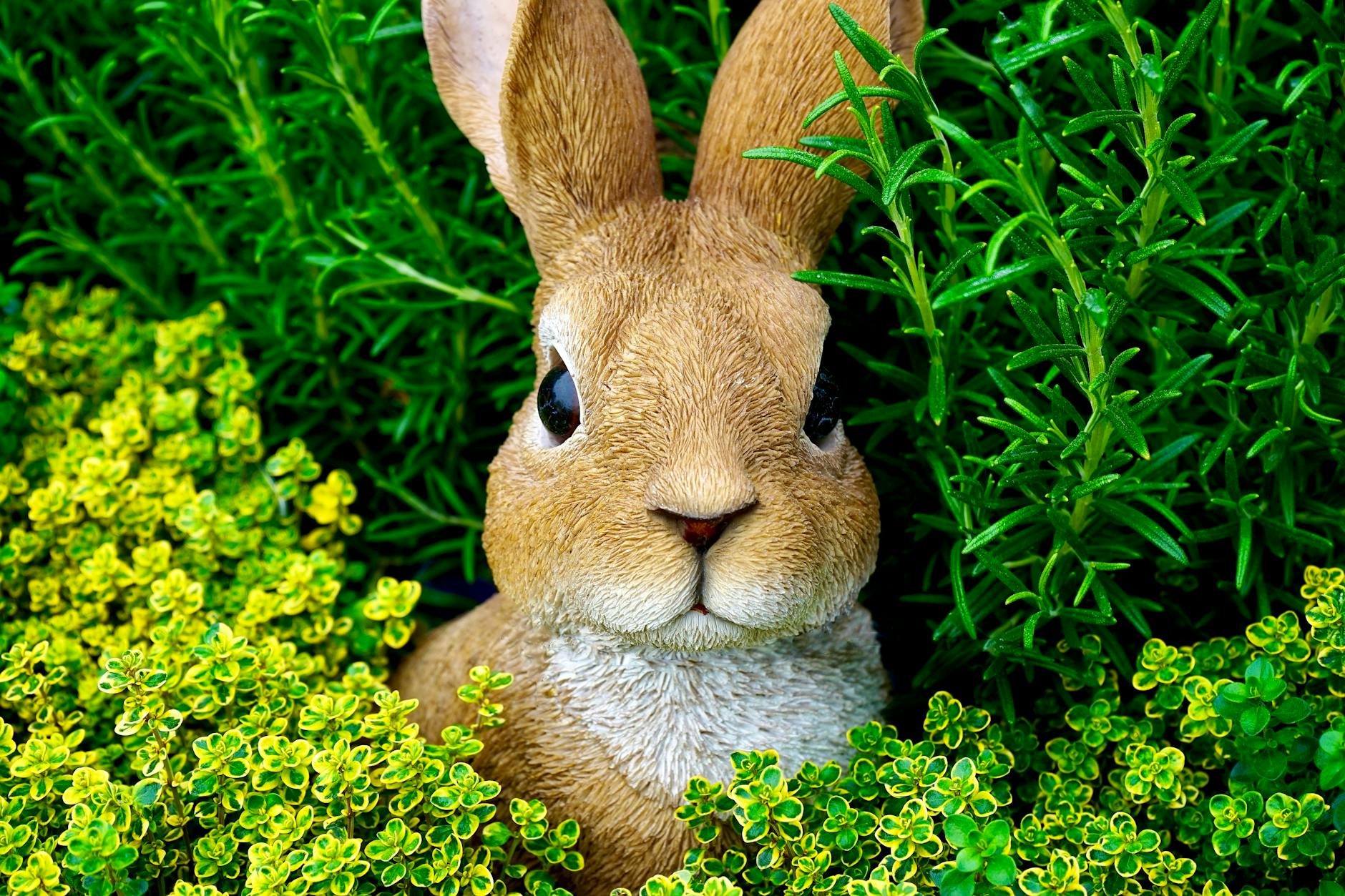
Like humans, rabbits have a circadian rhythm, an internal biological clock that regulates their sleep-wake cycle. However, theirs is less rigid. They are crepuscular animals, meaning they are most active during dawn and dusk. Their sleep periods often coincide with the least dangerous times of day.
How Rabbits Sleep
Rabbits have the remarkable ability to sleep with their eyes open. This allows them to maintain a level of alertness, even while resting. You might notice your rabbit twitching their nose or ears while seemingly asleep. This is a sign they are still processing their surroundings. They also enter REM (Rapid Eye Movement) sleep, characterized by muscle twitches and eye movements, but this state is brief and infrequent.
Factors Influencing Rabbit Sleep
Several factors can affect how much a rabbit sleeps, including:
- Age: Young rabbits tend to sleep more than adults.
- Health: Illness or pain can disrupt sleep patterns.
- Environment: A stressful or noisy environment will reduce sleep.
- Socialization: A lonely rabbit may sleep more out of boredom.
- Diet: A rabbit with an unbalanced diet may have disrupted sleep.
Creating a Sleep-Friendly Environment
Providing a safe and comfortable environment is crucial for a rabbit’s well-being and healthy sleep patterns. This includes:
- A secure enclosure: Rabbits need a hutch or cage that provides a sense of security.
- Soft bedding: Provide ample bedding, such as hay or shredded paper, for nesting and comfort.
- A quiet location: Place the enclosure in a quiet area away from loud noises or disturbances.
- Adequate space: Rabbits need enough space to stretch out and move around.
- Companionship: If possible, consider getting your rabbit a companion rabbit.
Common Misconceptions About Rabbit Sleep
Many people incorrectly believe that rabbits sleep a lot. This misconception likely stems from their ability to rest with their eyes open, making it difficult to discern when they are truly asleep. Another misconception is that rabbits sleep at night like humans. While they are often less active at night, they still take short naps throughout the day and night. It’s vital to understand that do rabbits sleep a lot is a frequently asked question because many owners fail to observe their pets’ subtle sleep habits.
Recognizing Signs of Sleep Deprivation
If a rabbit is not getting enough sleep, it may exhibit the following signs:
- Irritability: They may become more aggressive or easily startled.
- Lethargy: They may be less active and playful.
- Changes in appetite: They may eat less or more than usual.
- Digestive issues: Stress from sleep deprivation can lead to digestive problems.
- Excessive grooming: This can be a coping mechanism for stress.
Comparing Rabbit Sleep to Other Animals
Compared to other mammals, rabbits sleep significantly less. For instance, cats typically sleep around 12-16 hours per day, while dogs sleep around 10-12 hours. Rabbits, on the other hand, may only sleep for 3-8 hours per day, spread across many brief naps. This difference reflects their evolutionary adaptations as prey animals.
Benefits of Adequate Sleep
Adequate sleep is vital for a rabbit’s physical and mental well-being. It supports:
- Immune function: Sleep allows the body to repair and strengthen its immune system.
- Cognitive function: Sleep is essential for memory and learning.
- Emotional stability: Sleep deprivation can lead to irritability and stress.
- Physical health: Sleep helps regulate hormone levels and maintain overall health.
Sleep Positions
Rabbits exhibit various sleep positions, each indicating a different level of comfort and security. A relaxed rabbit may stretch out on its side or flop onto its back with its legs in the air. A rabbit that feels less secure may sleep in a tucked-up position with its nose close to its tail. Observing your rabbit’s sleep positions can provide valuable insights into their comfort level and overall well-being.
Is My Rabbit Sleeping Enough? A Veterinarian’s Perspective
If you are concerned about your rabbit’s sleep patterns, consult with a veterinarian. They can assess your rabbit’s overall health and rule out any underlying medical conditions that may be affecting their sleep. The veterinarian will also be able to provide personalized advice on how to improve your rabbit’s sleep environment and habits.
Frequently Asked Questions (FAQs)
How much sleep is considered normal for a rabbit?
A healthy adult rabbit typically sleeps for around 3 to 8 hours per day. However, this sleep is spread out in short naps throughout the day and night, rather than one long stretch. Individual sleep needs can vary depending on age, health, and environment.
Can rabbits sleep with their eyes open?
Yes, rabbits have the unique ability to sleep with their eyes open. This is a survival mechanism that allows them to remain alert to potential dangers, even while resting. It can be difficult to tell when a rabbit is truly asleep, so look for other signs like relaxed posture and slow breathing.
What are the signs that my rabbit is sleep deprived?
Signs of sleep deprivation in rabbits include irritability, lethargy, changes in appetite, digestive issues, and excessive grooming. If you notice these signs, consult with a veterinarian to rule out any underlying medical conditions.
Is it normal for my rabbit to twitch in their sleep?
Yes, twitching in sleep is normal, especially during REM (Rapid Eye Movement) sleep. This indicates that your rabbit is in a deeper sleep state and processing information. Occasional muscle spasms are also normal, but if twitching is excessive or accompanied by other symptoms, consult a veterinarian.
Does the breed of rabbit affect how much they sleep?
While breed can influence a rabbit’s overall temperament and activity level, it typically does not have a significant impact on their sleep patterns. All rabbits, regardless of breed, have similar sleep requirements and need to take short naps throughout the day and night. Factors like age, health, and environment are much more influential.
How can I create a better sleeping environment for my rabbit?
To create a sleep-friendly environment for your rabbit, provide a secure enclosure with soft bedding, a quiet location, adequate space, and companionship. Minimize noise and disturbances, and ensure the enclosure is protected from drafts and extreme temperatures.
My rabbit seems to be sleeping more than usual. Should I be concerned?
If your rabbit is suddenly sleeping more than usual, it could be a sign of an underlying health problem. Illness, pain, and stress can all affect a rabbit’s sleep patterns. Consult with a veterinarian to determine the cause and receive appropriate treatment.
Can rabbits dream?
While it is difficult to know for sure what rabbits dream about, they do experience REM sleep, which is associated with dreaming in other mammals. It is likely that rabbits dream, perhaps about things they experience during the day, such as foraging for food or interacting with their companions.
Do rabbits prefer to sleep alone or with other rabbits?
Rabbits are social animals and often prefer to sleep with other rabbits, especially if they are bonded. Sleeping together provides warmth, security, and companionship. However, some rabbits may prefer to sleep alone at times. Observe your rabbits’ behavior to determine their individual preferences.
How can I tell if my rabbit is comfortable while sleeping?
A comfortable rabbit will often exhibit relaxed body language while sleeping. They may stretch out on their side, flop onto their back, or relax their facial muscles. Look for signs of tension or discomfort, such as a tense posture or rapid breathing.
Is it okay to wake up my rabbit when they are sleeping?
It is generally best to avoid waking up your rabbit unless absolutely necessary. Startling a sleeping rabbit can cause stress and anxiety. If you need to wake them up, do so gently and gradually.
Do rabbits need a night light?
Rabbits don’t need a night light because they can see quite well in low light conditions. It’s better to keep the room as dim as possible during the night to promote a more natural sleep-wake cycle. However, a very dim night light can be helpful if your rabbit’s enclosure is located in a completely dark room.