

How Much Amoxicillin Can I Give My Kitten? A Comprehensive Guide
The correct amoxicillin dosage for kittens is crucial for their health. Generally, the appropriate dosage is between 5-10 mg per pound of body weight, administered every 12-24 hours, but you should never administer any medication without the specific direction of a veterinarian.

Understanding Amoxicillin for Kittens
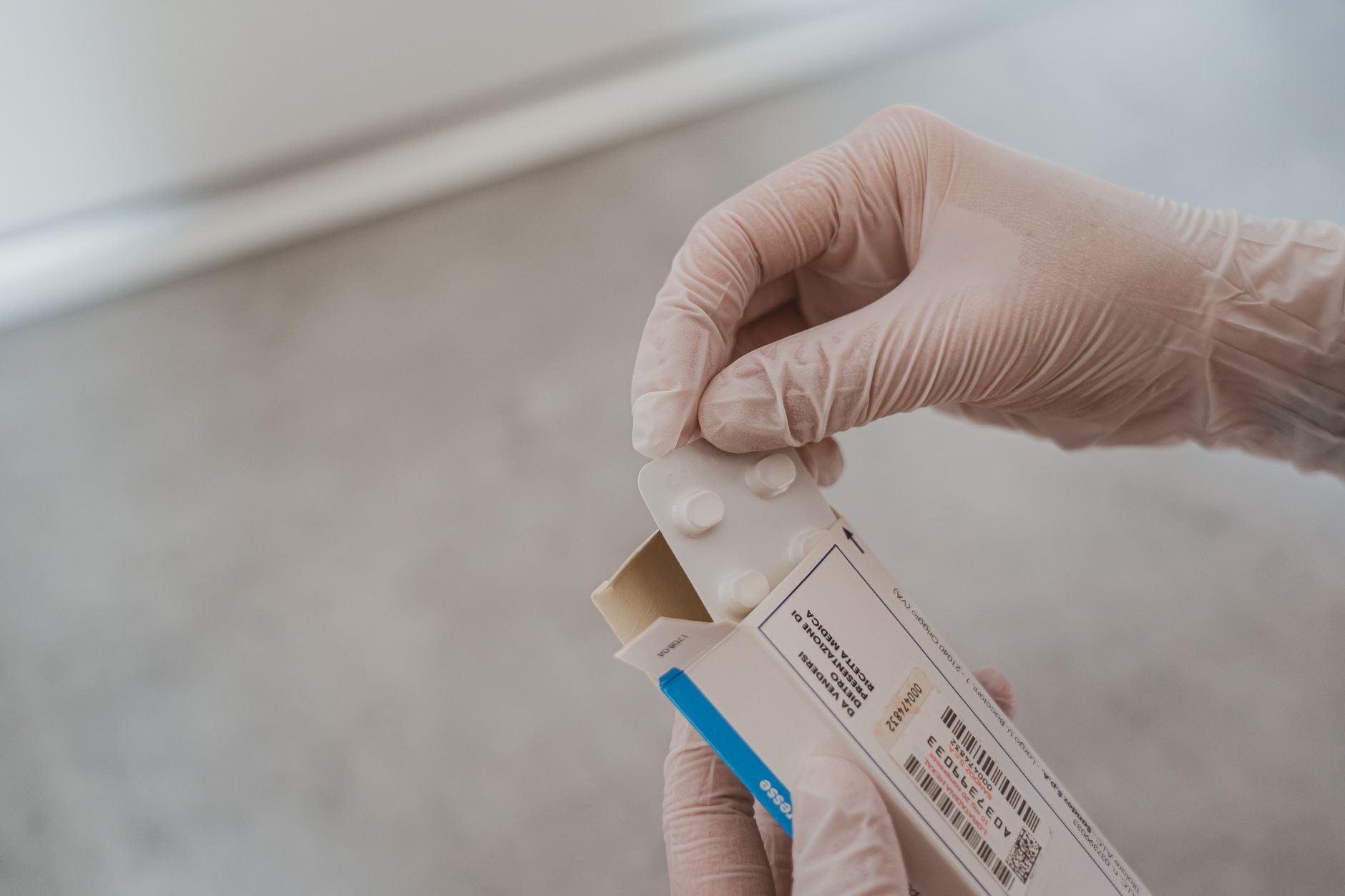
Amoxicillin is a commonly prescribed broad-spectrum antibiotic used in veterinary medicine to treat bacterial infections in animals, including kittens. It belongs to the penicillin family and works by inhibiting the growth and multiplication of bacteria. However, it’s crucially important to understand its proper usage and dosage, especially when dealing with young and vulnerable animals like kittens. Self-treating a kitten with amoxicillin without veterinary guidance can be dangerous.
What colours are fish most attracted to?
Can you put your finger in a trout's mouth?
Is methylene blue anti bacterial?
Does aquarium salt raise pH in aquarium?
When is Amoxicillin Prescribed for Kittens?
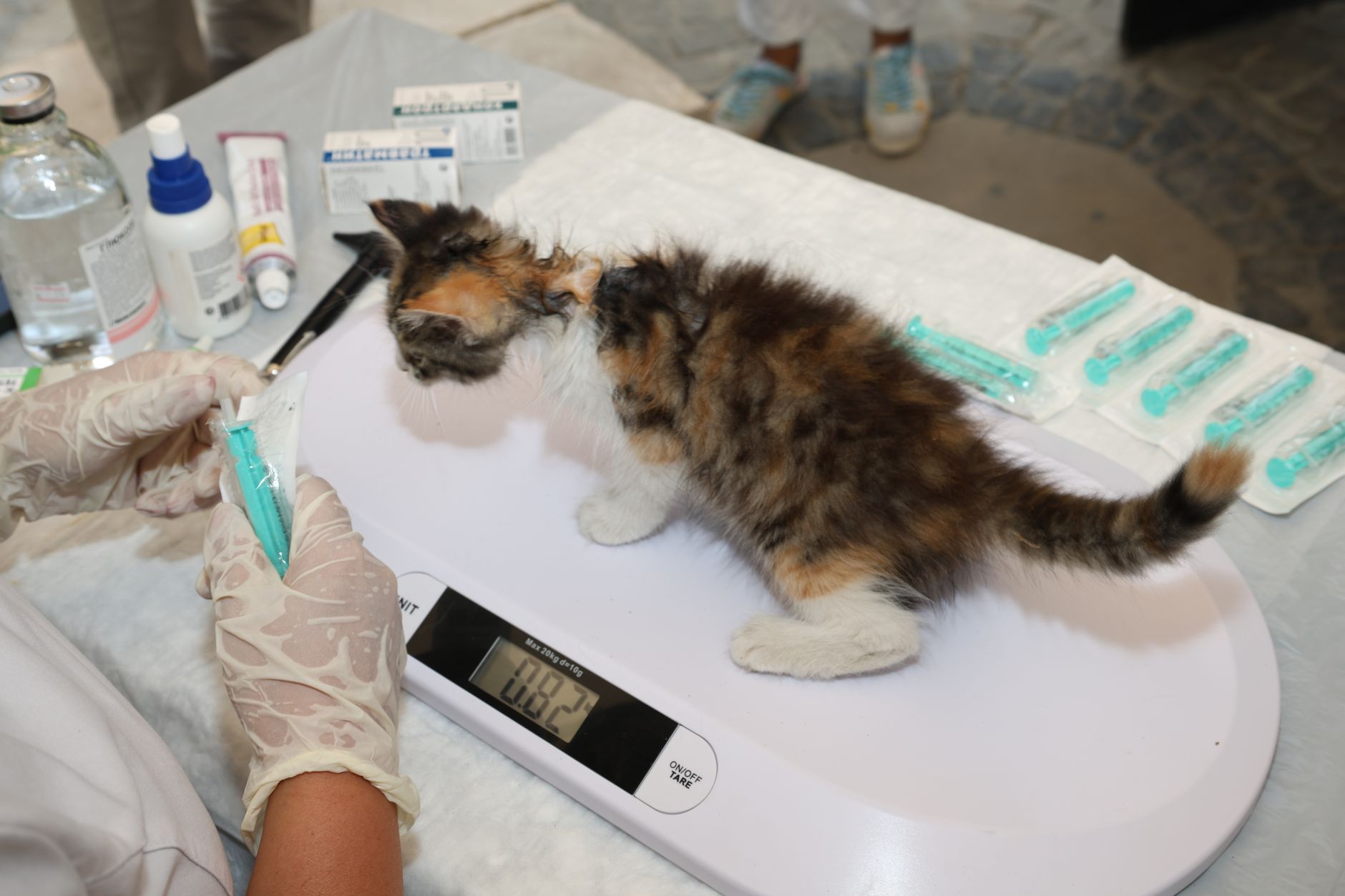
A veterinarian might prescribe amoxicillin for kittens to treat a variety of bacterial infections, including:
- Respiratory infections: Pneumonia, bronchitis, and upper respiratory infections (URIs) often caused by bacteria.
- Skin infections: Abscesses, cellulitis, and wound infections.
- Urinary tract infections (UTIs): Infections affecting the bladder and kidneys.
- Dental infections: Infections related to teeth and gums.
- Ear infections: Otitis media and otitis externa caused by bacteria.
It’s vital to remember that amoxicillin is only effective against bacterial infections and will not work against viral or fungal infections.
Determining the Correct Amoxicillin Dosage
The correct dosage of amoxicillin for a kitten depends on several factors, including the kitten’s weight, the severity of the infection, and the formulation of the medication (e.g., tablets, liquid suspension). It is absolutely essential to consult with a veterinarian to determine the appropriate dosage for your kitten.
General Dosage Guidelines (Illustrative Only – Do Not Self-Medicate):
| Kitten Weight (lbs) | Amoxicillin Dosage (mg) | Frequency |
|---|---|---|
| 1 | 5-10 | Every 12-24 hours |
| 2 | 10-20 | Every 12-24 hours |
| 3 | 15-30 | Every 12-24 hours |
IMPORTANT: This table provides general guidelines only and should not be used to self-medicate your kitten. Always consult your veterinarian for the correct dosage.
The veterinarian will take into account the specific formulation of the amoxicillin being used (e.g., 50 mg/mL suspension, 125 mg tablets) to calculate the correct volume or number of tablets to administer.
How to Administer Amoxicillin to a Kitten
Administering medication to a kitten can be challenging, but here are some tips:
- Liquid Suspension:
- Use a syringe (without the needle) to measure the correct dose.
- Gently insert the tip of the syringe into the side of the kitten’s mouth, between the cheek and teeth.
- Slowly administer the medication to allow the kitten to swallow.
- Tablets:
- Crush the tablet and mix it with a small amount of wet food.
- Pill pockets (treats designed to hold medication) can also be used.
- If the kitten refuses to eat the food or pill pocket, you may need to pill the kitten directly. Ask your veterinarian for a demonstration on how to safely pill a cat.
- Consistency is Key: Administer the medication at the same time(s) every day, as prescribed by your veterinarian, to maintain consistent blood levels of the antibiotic.
Potential Side Effects and Precautions
While amoxicillin is generally safe for kittens when used as directed by a veterinarian, potential side effects can occur. These include:
- Gastrointestinal upset: Vomiting, diarrhea, and loss of appetite.
- Allergic reactions: Hives, facial swelling, difficulty breathing (rare but serious).
- Changes in gut flora: Can lead to secondary infections or imbalances.
If you notice any of these side effects, contact your veterinarian immediately.
Precautions:
- Allergies: Inform your veterinarian if your kitten has any known allergies to penicillin or other antibiotics.
- Kidney or liver disease: Kittens with kidney or liver problems may require a lower dosage of amoxicillin.
- Pregnancy and lactation: Amoxicillin should be used with caution in pregnant or lactating cats.
Common Mistakes to Avoid
- Self-diagnosing and self-treating: Never administer amoxicillin or any other medication to your kitten without consulting a veterinarian.
- Giving the wrong dosage: Always follow your veterinarian’s instructions precisely. Using incorrect dosages of amoxicillin can be dangerous.
- Stopping medication prematurely: Complete the entire course of antibiotics, even if your kitten appears to be better. Stopping early can lead to antibiotic resistance and relapse of the infection.
- Using expired medication: Expired medications may be less effective or even harmful.
- Sharing medication: Never give your kitten medication prescribed for another animal or person.
Ensuring Success with Amoxicillin Treatment
To ensure the success of amoxicillin treatment, follow these guidelines:
- Follow your veterinarian’s instructions carefully: Adhere to the prescribed dosage, frequency, and duration of treatment.
- Monitor your kitten for side effects: Watch for any signs of adverse reactions and report them to your veterinarian promptly.
- Provide supportive care: Ensure your kitten has access to fresh water and nutritious food.
- Keep your kitten comfortable: Provide a warm and quiet environment to promote healing.
- Attend follow-up appointments: Schedule any necessary follow-up appointments with your veterinarian to monitor your kitten’s progress.
What to do if you Suspect an Overdose.
If you think you have given your kitten too much amoxicillin, seek immediate veterinary care. Symptoms of an overdose can include severe vomiting, diarrhea, seizures, and even death. Prompt treatment is crucial.
Frequently Asked Questions (FAQs)
How much amoxicillin can I give my kitten if I don’t know their weight?
You should never give amoxicillin to a kitten if you do not know their exact weight. Accurate weight is critical for calculating the correct dosage. If you don’t have a scale, your veterinarian can weigh the kitten and prescribe the appropriate amount. Guessing the weight and administering medication can be dangerous and potentially fatal.
Can I use human amoxicillin for my kitten?
No. Never use human amoxicillin for your kitten. The dosage and formulation of human amoxicillin are different from those used in veterinary medicine. Additionally, human formulations may contain ingredients that are toxic to cats. Always use medication specifically prescribed by your veterinarian for your kitten.
What should I do if my kitten vomits after taking amoxicillin?
If your kitten vomits shortly after receiving amoxicillin, contact your veterinarian. They may recommend adjusting the dosage, administering the medication with food, or switching to a different antibiotic. Do not administer another dose without first consulting your veterinarian.
How long does it take for amoxicillin to start working in kittens?
You may start to see improvement in your kitten’s condition within 24-48 hours of starting amoxicillin. However, it is important to complete the entire course of treatment as prescribed by your veterinarian, even if your kitten seems better. Prematurely stopping the medication can lead to antibiotic resistance and relapse of the infection.
Can I give my kitten probiotics while they are on amoxicillin?
Giving your kitten probiotics during and after amoxicillin treatment can help restore the balance of beneficial bacteria in their gut. Consult your veterinarian to determine the appropriate type and dosage of probiotics for your kitten. It is generally recommended to administer probiotics a few hours after giving the amoxicillin.
What are the signs of an allergic reaction to amoxicillin in kittens?
Signs of an allergic reaction to amoxicillin in kittens can include hives, facial swelling, difficulty breathing, and collapse. If you observe any of these signs, seek immediate veterinary care. Allergic reactions can be life-threatening.
Can I give my kitten amoxicillin on an empty stomach?
Giving amoxicillin on an empty stomach can sometimes cause gastrointestinal upset in kittens. Try to administer the medication with a small amount of food to reduce the risk of vomiting or diarrhea. Consult your veterinarian for specific recommendations.
What if I miss a dose of amoxicillin for my kitten?
If you miss a dose of amoxicillin for your kitten, give it as soon as you remember. However, if it is almost time for the next scheduled dose, skip the missed dose and continue with the regular dosing schedule. Do not double the dose to make up for the missed one. Contact your veterinarian if you are unsure about what to do.
Is it safe to give amoxicillin to a pregnant or lactating cat?
Amoxicillin should be used with caution in pregnant or lactating cats. Discuss the risks and benefits of using amoxicillin with your veterinarian before administering the medication to a pregnant or lactating cat. Alternative antibiotics may be safer in these situations.
How should I store amoxicillin?
Store amoxicillin according to the instructions on the label. Generally, liquid amoxicillin suspensions should be refrigerated and used within a specific timeframe (usually 10-14 days). Tablets should be stored at room temperature in a dry place. Always check the expiration date before administering any medication.
Can amoxicillin cause diarrhea in kittens?
Yes, amoxicillin can cause diarrhea in kittens. This is because the antibiotic can disrupt the balance of bacteria in the gut. If your kitten develops severe diarrhea while taking amoxicillin, contact your veterinarian. They may recommend administering probiotics or adjusting the dosage.
Where can I learn more about safely medicating my kitten?
The best resource for learning more about safely medicating your kitten is your veterinarian. Reputable online veterinary resources, like those from major veterinary hospitals or universities, can also provide helpful information, but they should never replace direct consultation with a trained professional. Always consult with your veterinarian before administering any medication to your kitten.
This information is for educational purposes only and should not be substituted for professional veterinary advice. Always consult your veterinarian for diagnosis and treatment of your kitten’s medical conditions.