
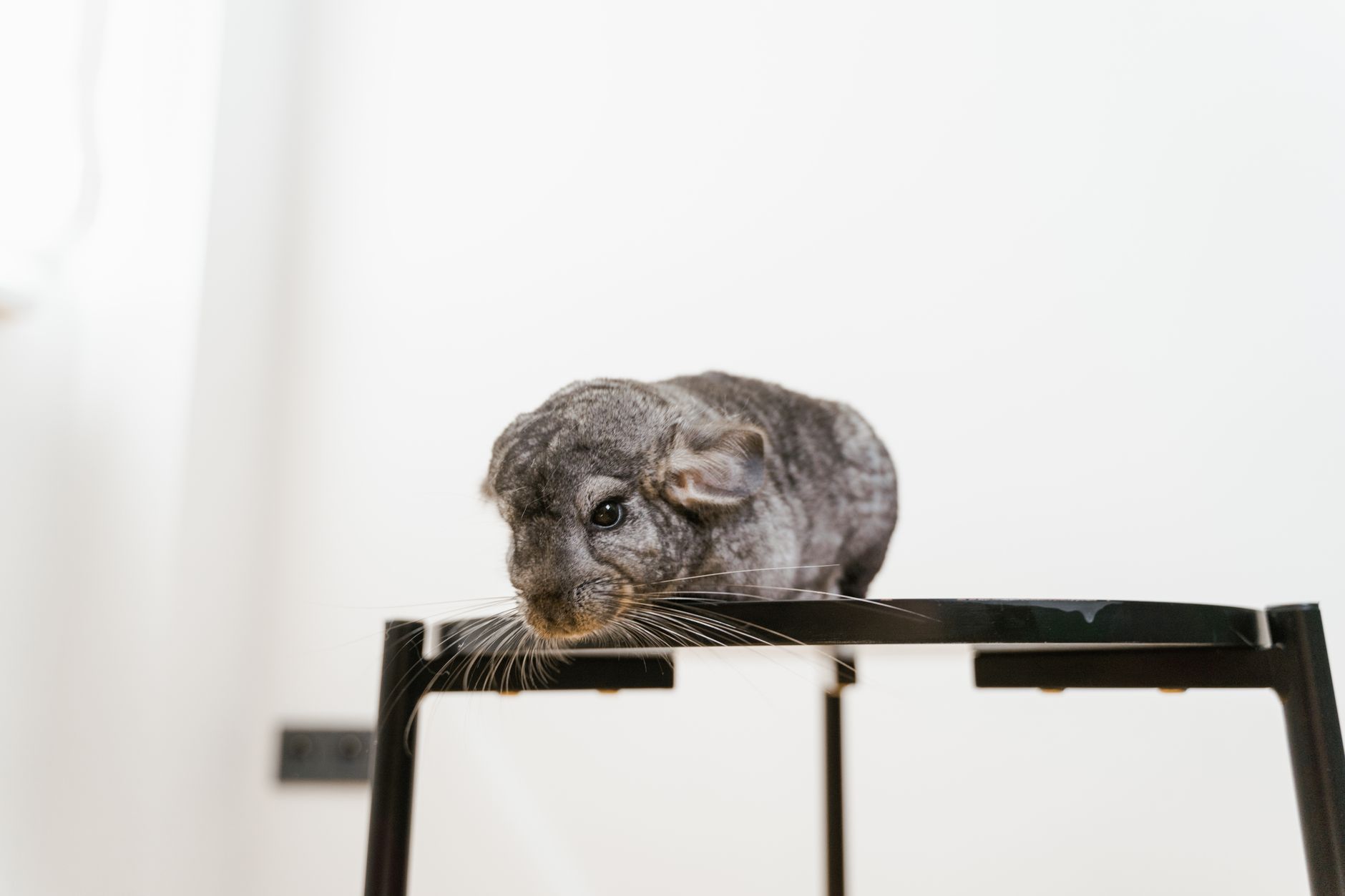
How Many Chinchillas Are Killed To Make a Fur Coat?
Approximately 100-200 chinchillas are killed to make a single, full-length fur coat, highlighting the devastating cost to these animals for luxury fashion. This stark number underscores the ethical concerns surrounding the chinchilla fur industry.
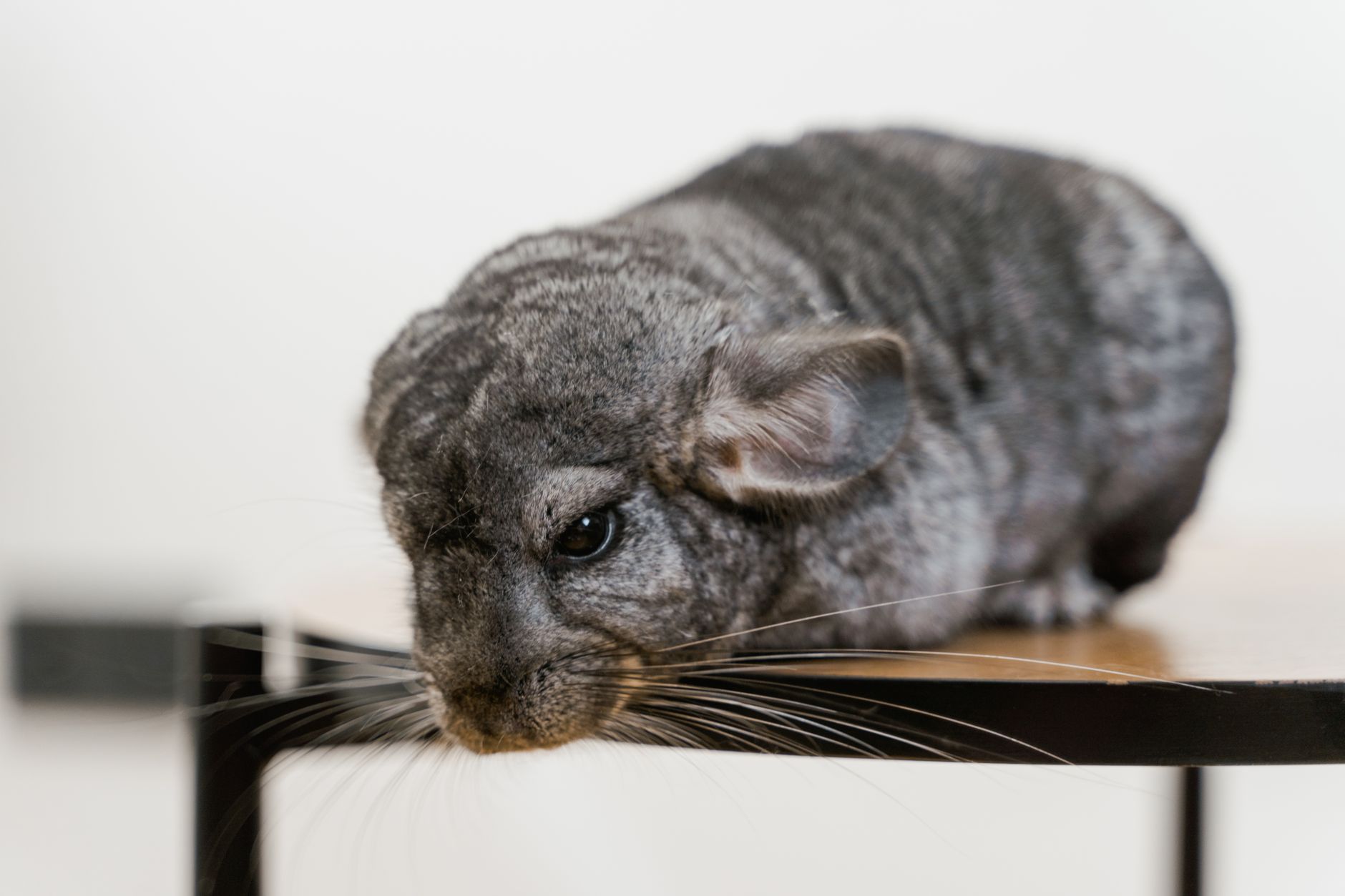
Introduction: The Luxury and the Loss
The allure of chinchilla fur, prized for its unparalleled softness and density, has fueled a controversial industry for decades. However, behind the luxurious facade lies a disturbing reality: how many chinchillas are killed to make a fur coat? The answer, shocking to many, raises serious ethical questions about the cost of fashion and the treatment of animals. This article delves into the realities of the chinchilla fur trade, exploring the numbers, the process, and the ethical implications.

What colours are fish most attracted to?
Can you put your finger in a trout's mouth?
Is methylene blue anti bacterial?
Does aquarium salt raise pH in aquarium?
The Allure of Chinchilla Fur

Chinchilla fur is highly valued for several reasons:
- Density: Chinchillas possess the densest fur of any land mammal, with approximately 20,000 hairs per square inch.
- Softness: The lack of guard hairs makes the fur exceptionally soft and plush.
- Lightweight: Despite its density, the fur is relatively lightweight, making it comfortable to wear.
- Rarity: While not endangered, the commercial farming of chinchillas is limited, contributing to the fur’s exclusivity and high price.
The Farming and Killing Process
Chinchillas are raised in fur farms primarily in South America and Europe. The farming conditions are often criticized for being cramped and unnatural for these active and intelligent creatures. The process typically involves:
- Breeding: Chinchillas are bred in captivity, often in small cages.
- Gestation: Their gestation period is relatively long for rodents, around 111 days.
- Raising: Chinchillas are raised for approximately 8 months to 1 year until their fur reaches optimal quality.
- Killing Methods: The most common killing methods include:
- Electrocution: Passing an electric current through the body.
- Suffocation: Asphyxiation by carbon dioxide or other gases.
- Neck breaking: A swift blow to the neck.
These methods are employed to preserve the quality of the fur. The ethical implications of these practices are a central concern for animal welfare advocates. The question of how many chinchillas are killed to make a fur coat? becomes even more poignant when considering the often inhumane conditions and killing methods involved.
The Fur Coat Production
After the chinchillas are killed, their pelts are carefully removed and processed:
- Skinning: The pelts are removed meticulously to avoid damaging the fur.
- Tanning: The pelts are tanned to preserve them and prevent decomposition.
- Dyeing (Optional): Sometimes, the fur is dyed to achieve different colors or shades.
- Cutting and Sewing: The pelts are cut into pieces and sewn together to create fur coats, vests, scarves, and other garments.
This intricate process, requiring a significant number of pelts, directly correlates to how many chinchillas are killed to make a fur coat?.
The Impact on Chinchilla Populations and Conservation
While chinchilla fur farming focuses on domesticated species, the demand indirectly impacts wild populations. Historically, excessive hunting drove the wild chinchilla populations to near extinction. Although hunting is now regulated, habitat loss and illegal poaching continue to pose threats. The pressure from the fur industry, even if directed at farmed animals, perpetuates the idea of chinchillas as commodities.
Alternatives to Chinchilla Fur
Fortunately, there are many ethical and sustainable alternatives to chinchilla fur:
- Faux Fur: High-quality faux fur can mimic the look and feel of real fur without harming animals.
- Recycled Fur: Utilizing recycled fur from vintage garments can reduce the demand for new fur.
- Plant-Based Materials: Innovative textiles made from plant fibers can provide warmth and style without animal products.
- Shearling: While shearling comes from sheep, sourcing it from farms with high animal welfare standards is possible. Look for certifications and transparency in the supply chain.
Consumers can make informed choices that align with their values by exploring these alternatives and rejecting products made from chinchilla fur.
Addressing the Ethical Concerns
The ethical concerns surrounding the chinchilla fur industry are multifaceted:
- Animal Welfare: The inhumane farming and killing practices are a primary concern.
- Sentience: Chinchillas are intelligent and social animals capable of experiencing pain and suffering.
- Exploitation: The commodification of animals for luxury fashion is seen as morally objectionable by many.
- Sustainability: The environmental impact of fur farming, including waste disposal and resource consumption, is also a concern.
Ultimately, the question of how many chinchillas are killed to make a fur coat? forces us to confront these ethical dilemmas and consider the impact of our consumer choices.
Common Misconceptions about Chinchilla Fur
- Myth: Chinchillas are raised in humane conditions.
- Fact: Most chinchilla fur farms operate with minimal regulations and prioritize profit over animal welfare.
- Myth: Chinchilla fur is a sustainable product.
- Fact: Fur farming has environmental impacts, including waste disposal and resource consumption.
- Myth: Chinchilla fur is necessary for warmth.
- Fact: Many alternative materials provide equal or superior warmth without harming animals.
| Aspect | Chinchilla Fur | Faux Fur |
|---|---|---|
| Material | Animal Fur | Synthetic Fibers |
| Ethics | Raises animal welfare concerns | Cruelty-free |
| Environmental Impact | Higher (Waste, Land Use) | Lower (Depends on Material) |
| Cost | Very Expensive | More Affordable |
The Role of Consumers
Consumers play a crucial role in shaping the future of the chinchilla fur industry. By making informed choices and supporting ethical alternatives, they can reduce the demand for chinchilla fur and promote more humane and sustainable practices. Understanding the answer to how many chinchillas are killed to make a fur coat? is the first step towards making a more compassionate choice.
The Future of Fur
The future of the fur industry is uncertain, with increasing awareness of animal welfare issues and the availability of ethical alternatives. Pressure from animal rights organizations, coupled with changing consumer preferences, is driving a shift away from real fur and towards more sustainable and compassionate options.
Frequently Asked Questions
What is so special about chinchilla fur?
Chinchilla fur is exceptionally prized for its unparalleled density, with around 20,000 hairs per square inch, as well as its softness due to the lack of guard hairs. This unique combination makes it exceptionally soft and lightweight, leading to its desirability in luxury fashion.
How are chinchillas farmed for their fur?
Chinchillas are typically farmed in small, wire cages with minimal enrichment. The focus is on maximizing fur production, often at the expense of the animals’ well-being. Breeding programs are designed to produce high-quality pelts, and the animals are raised for approximately 8 months to a year before being slaughtered.
Is it legal to buy and sell chinchilla fur?
Yes, it is generally legal to buy and sell chinchilla fur in most countries, although regulations may vary regarding labeling and trade practices. However, some regions may have restrictions on the import or export of certain types of fur, so it’s important to check local laws.
What are the environmental impacts of chinchilla farming?
Chinchilla farming contributes to environmental problems through manure production, requiring large quantities of feed, and the usage of potentially harmful chemicals in tanning. Also, the energy consumption associated with maintaining a farm and processing the fur contributes to its environmental impact.
Are chinchillas endangered because of the fur trade?
While the domesticated chinchillas farmed for fur are not endangered, the intense hunting of wild chinchillas in the past did cause near extinction in their natural habitats. Current conservation efforts focus on protecting wild populations from habitat loss and poaching.
Is there a humane way to farm chinchillas for fur?
Due to the inherent limitations of fur farming, many argue that there is no truly humane way to raise and kill animals for their fur. Even with improved living conditions, the act of taking an animal’s life solely for fashion purposes is considered unethical by many animal welfare advocates.
What certifications can ensure the fur is ethically sourced?
There are no universally recognized certifications specifically for ethical chinchilla fur production. It’s important to conduct thorough research on brands and retailers and look for transparency in their supply chains. However, due to the common practices in the fur industry, finding genuinely ethical chinchilla fur is extremely difficult.
Why is chinchilla fur so expensive?
Chinchilla fur is expensive because of its rarity, density, and softness, the labor-intensive farming and processing, and the perceived status symbol associated with owning chinchilla garments. Since how many chinchillas are killed to make a fur coat? is a high number (100-200), it makes each garment very costly.
What countries are the largest producers of chinchilla fur?
South American countries like Argentina and Chile, as well as some European nations, are among the largest producers of chinchilla fur.
What can I do to help chinchillas exploited for their fur?
You can help by choosing ethical alternatives to real fur, such as faux fur or recycled fur. You can also support animal welfare organizations that work to protect animals from exploitation and advocate for stricter regulations in the fur industry.
How does faux fur compare to real chinchilla fur in terms of warmth and durability?
High-quality faux fur can provide comparable warmth to real chinchilla fur and can be more durable in some ways, as it is less susceptible to damage from moisture and pests.
What is the alternative if I want the luxurious look of fur, without the ethical concerns?
Look for high-quality faux fur made from innovative materials that mimic the look and feel of real fur. There are increasingly sophisticated options available that offer a luxurious appearance without harming animals, and using recycled alternatives.