

How Many Zebras Are Left in Africa?: A Comprehensive Overview
The zebra population in Africa faces numerous threats, but current estimates suggest there are roughly 440,000 zebras left across the continent. This number, while substantial, masks the uneven distribution and varying conservation status of the three distinct zebra species.

A Striped Tapestry: Understanding Zebra Diversity
The question, “How many zebras are left in Africa?” is deceptively simple. To accurately assess the zebra population, it’s crucial to recognize that “zebra” isn’t a monolithic entity. Instead, three distinct species grace the African landscape, each facing unique challenges and exhibiting varying population trends:
- Plains Zebra ( Equus quagga): By far the most numerous, this species is often what comes to mind when people think of zebras. They are widespread across eastern and southern Africa.
- Grévy’s Zebra (Equus grevyi): This is the largest and most threatened zebra species. They are found in northern Kenya and southern Ethiopia.
- Mountain Zebra (Equus zebra): There are two subspecies of Mountain Zebra, the Cape Mountain Zebra and Hartmann’s Mountain Zebra, found in mountainous regions of South Africa, Namibia, and Angola.

What colours are fish most attracted to?
Can you put your finger in a trout's mouth?
Is methylene blue anti bacterial?
Does aquarium salt raise pH in aquarium?
The Numbers Game: Current Population Estimates
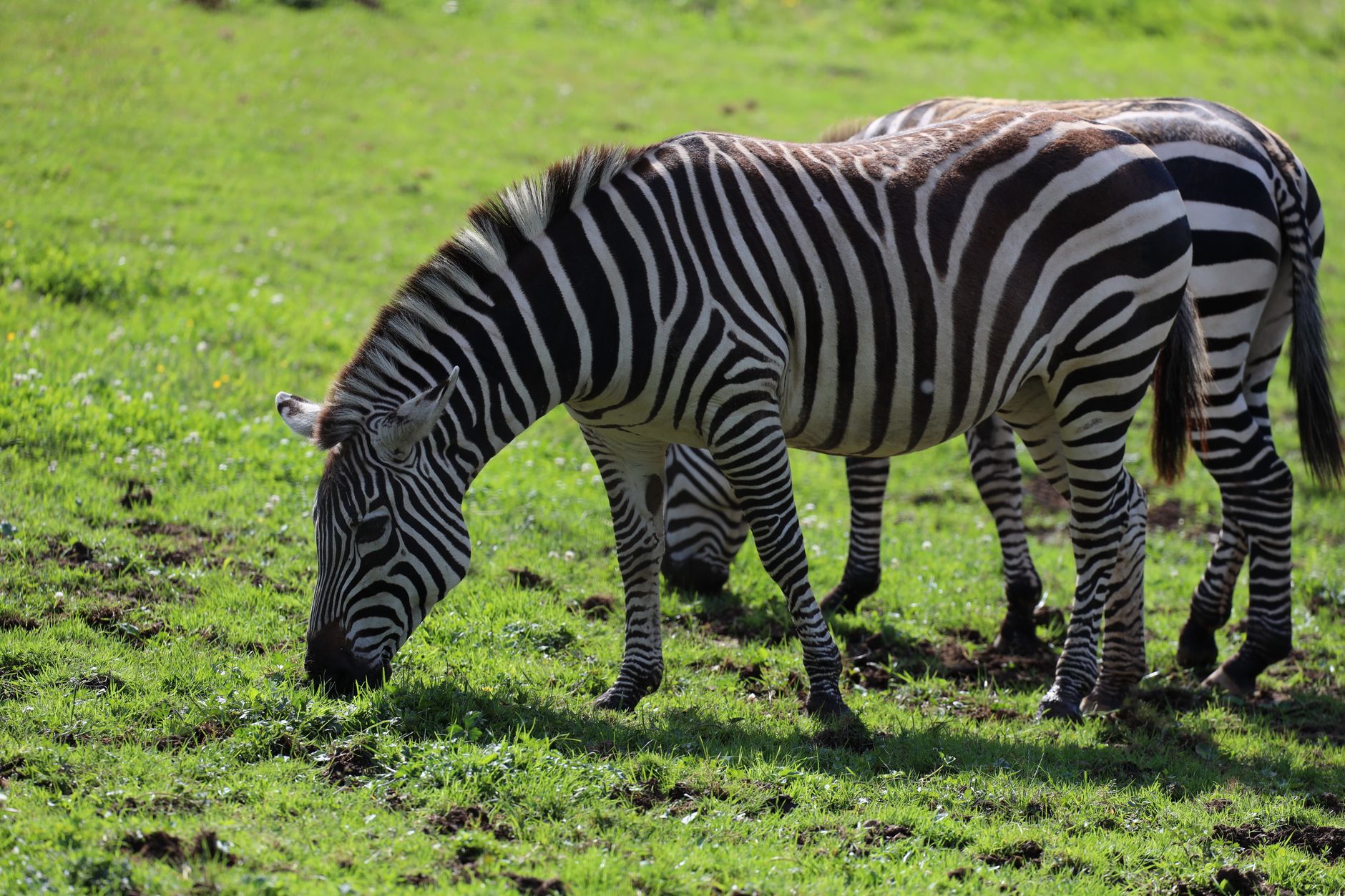
Estimating the population of any wild animal is a complex endeavor. Accurate counts are rare and often rely on aerial surveys, photographic identification, and statistical modeling. The approximate populations are as follows:
- Plains Zebra: Estimates range between 300,000 and 400,000. While classified as Near Threatened, local populations face increasing pressure from habitat loss and poaching.
- Grévy’s Zebra: This species is endangered, with a current population hovering around 3,000 individuals. Their numbers have drastically declined due to habitat degradation, competition with livestock, and poaching.
- Mountain Zebra: Both subspecies are considered Vulnerable. Cape Mountain Zebras have rebounded due to concerted conservation efforts and now number around 7,000. Hartmann’s Mountain Zebras are more numerous, with an estimated population of 25,000.
Threats to Zebra Survival
Understanding “How many zebras are left in Africa?” also demands considering the pressures they face. The major threats include:
- Habitat Loss and Fragmentation: Agricultural expansion, urbanization, and infrastructure development are shrinking and isolating zebra habitats, limiting their access to resources and impeding migration.
- Poaching: Zebras are hunted for their meat and skins. Illegal hunting can significantly impact local populations, particularly those already vulnerable.
- Competition with Livestock: Zebras compete with domestic livestock for grazing and water resources, especially in areas with high livestock densities. This competition can lead to malnutrition and reduced reproductive success for zebras.
- Disease: Outbreaks of diseases like anthrax and foot-and-mouth disease can devastate zebra populations.
- Climate Change: Changing rainfall patterns and increased frequency of droughts are affecting the availability of water and forage, impacting zebra survival and reproduction.
Conservation Efforts: A Ray of Hope
Despite the challenges, conservation efforts are underway to protect zebras and their habitats. These efforts include:
- Protected Areas: Establishing and managing national parks and reserves provides zebras with safe havens and reduces the risk of poaching and habitat destruction.
- Anti-Poaching Patrols: Law enforcement agencies conduct patrols to deter poaching and apprehend poachers.
- Community-Based Conservation: Engaging local communities in conservation efforts can foster a sense of ownership and responsibility, leading to more effective protection of zebras and their habitats.
- Habitat Restoration: Restoring degraded habitats can improve the availability of forage and water, benefiting zebra populations.
- Translocation: Moving zebras from areas with high populations to areas with low populations can help to establish new populations and increase genetic diversity.
- Monitoring: Continuously monitoring zebra populations helps track their numbers and distribution and informs conservation strategies.
Table: Zebra Species, Population Estimates, and Conservation Status
| Species | Approximate Population | Conservation Status | Key Threats |
|---|---|---|---|
| Plains Zebra | 300,000 – 400,000 | Near Threatened | Habitat Loss, Poaching, Competition with Livestock |
| Grévy’s Zebra | ~3,000 | Endangered | Habitat Loss, Poaching, Competition with Livestock |
| Mountain Zebra | ~32,000 | Vulnerable | Habitat Loss, Poaching, Limited Genetic Diversity |
Frequently Asked Questions (FAQs)
What is the difference between a plains zebra and a Grévy’s zebra?
Plains zebras have broader stripes that extend all the way around their bellies, while Grévy’s zebras have narrower stripes that do not extend to the belly. Grévy’s zebras are also larger and have larger, rounder ears. Plains zebras are more common and widely distributed, while Grévy’s zebras are endangered and found in a smaller region.
Why are Grévy’s zebras so endangered?
Grévy’s zebras are endangered primarily due to habitat loss from overgrazing by livestock, competition for water resources, and poaching for their skins. Their population has declined drastically over the past century.
Where are Mountain Zebras found?
Mountain Zebras are found in the mountainous regions of South Africa, Namibia, and Angola. There are two subspecies: the Cape Mountain Zebra and the Hartmann’s Mountain Zebra.
Are zebras hunted for sport?
While not widespread, zebras are occasionally hunted for sport in some areas. However, poaching for meat and skins is a greater threat to their populations overall.
What is the role of zebras in their ecosystem?
Zebras play a crucial role in their ecosystem as grazers, helping to maintain grassland health. They also serve as prey for large predators like lions, leopards, and hyenas.
How can I help protect zebras?
You can support zebra conservation by donating to reputable conservation organizations, raising awareness about the threats they face, and making eco-friendly choices that reduce your impact on their habitats.
Are there any zebra populations in zoos outside of Africa?
Yes, many zoos around the world have zebra populations, which contribute to conservation efforts through breeding programs and public education.
What is the biggest threat to the Cape Mountain Zebra?
Historically, the biggest threat was overhunting. However, today, habitat loss and limited genetic diversity are more pressing concerns.
Are zebra stripes for camouflage?
The purpose of zebra stripes is still debated, but current research suggests they primarily serve as a deterrent to biting flies rather than camouflage.
What is being done to combat poaching of zebras?
Anti-poaching efforts include increased patrols by rangers, stricter law enforcement, and working with local communities to report poaching activities.
How does climate change affect zebra populations?
Climate change can lead to droughts, reduced water availability, and changes in vegetation, which can negatively impact zebra populations by reducing their food and water sources.
How can community involvement help zebra conservation efforts?
Community involvement is critical because local communities often live alongside zebras and can play a crucial role in protecting them. By providing them with incentives to conserve zebras, such as ecotourism opportunities, they become invested in their survival. Understanding How many zebras are left in Africa? also means understanding that local communities need to be part of the solution.