

Can a Deaf Person Hear a Siren? Exploring Sensory Perception Beyond Traditional Hearing
A person with profound deafness cannot hear a siren in the conventional sense. However, they may be able to perceive it through vibrations or assistive technologies. The answer to Can a deaf person hear a siren? is complex and depends on the degree of hearing loss, the use of assistive devices, and the environmental context.

Understanding Deafness and Hearing Loss
Hearing loss isn’t a uniform condition. It exists on a spectrum, ranging from mild difficulty hearing soft sounds to profound deafness, where no sound can be perceived through the ears. Types of hearing loss include:
- Conductive hearing loss: Problems with the outer or middle ear prevent sound from reaching the inner ear.
- Sensorineural hearing loss: Damage to the inner ear (cochlea) or the auditory nerve. This is the most common type.
- Mixed hearing loss: A combination of both conductive and sensorineural hearing loss.
The degree of hearing loss is typically measured in decibels (dB). A person with a hearing loss of 90 dB or greater is considered to have profound deafness.

Is distilled water good for goldfish?
What colours are fish most attracted to?
Can you put your finger in a trout's mouth?
Is methylene blue anti bacterial?
The Physics of Sound: More Than Just Hearing
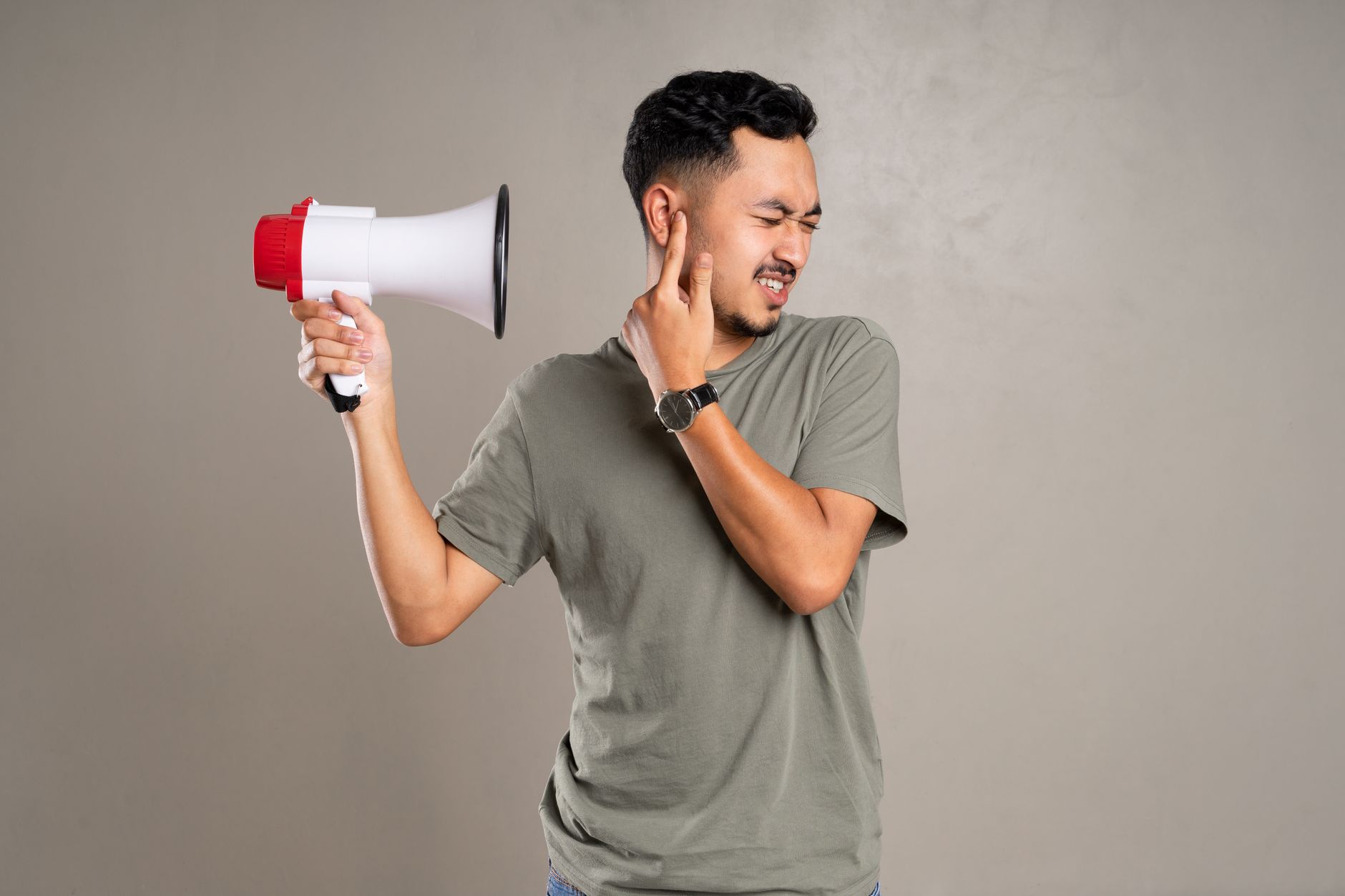
Sound travels as vibrations through the air. While the ears are designed to detect these vibrations, they can also be felt through other parts of the body, especially at lower frequencies. A loud siren, for instance, generates strong vibrations.
Vibrotactile Perception: Feeling the Siren
This is where the potential for sensory substitution comes into play. Even if a deaf person cannot “hear” the siren, they may be able to feel the vibrations it produces. This is called vibrotactile perception. The strength of the vibration needed for a deaf person to perceive it will depend on the individual and the frequency of the siren. Factors that enhance tactile perception include:
- Proximity: Being close to the source of the siren.
- Surface Contact: Standing on a resonant surface (like a wooden floor) or holding onto a solid object.
- Intensity: The loudness (decibel level) of the siren.
Assistive Technology: Amplifying Awareness
Technology plays a crucial role in helping deaf and hard-of-hearing individuals navigate the world. Several devices can alert individuals to sirens and other important sounds:
- Vibrating Alert Systems: These devices convert auditory signals into vibrations. Some connect to smartphones or other devices and can be customized to specific alerts, like sirens.
- Visual Alert Systems: Strobe lights or flashing lights can be triggered by specific sounds, providing a visual warning.
- Sound Monitors: These devices analyze ambient sounds and identify patterns associated with sirens. They can then send alerts via vibration, visual cues, or even notifications to a connected smartphone.
- Smartwatches: Can be integrated to provide vibrational alerts for sirens, utilizing existing accessibility features.
Beyond the Siren: Contextual Awareness
Even without directly perceiving the siren through hearing or touch, deaf individuals often rely on contextual clues to understand their surroundings. These might include:
- Visual cues: Seeing flashing lights on emergency vehicles.
- Social cues: Observing the behavior of other people.
- Environmental cues: Recognizing traffic patterns or road conditions that suggest an emergency.
By combining these cues, deaf individuals can often piece together information and respond appropriately to situations that would otherwise rely on audible signals.
Table: Summary of Sensory Perception Methods
| Method | Description | Dependence |
|---|---|---|
| Auditory Perception | Traditional hearing through the ears. | Residual hearing; amplification. |
| Vibrotactile | Feeling vibrations through the body. | Intensity of sound; proximity; surface contact. |
| Visual Alerts | Seeing flashing lights or other visual indicators. | Effectiveness of visual signal; visibility conditions. |
| Contextual Awareness | Understanding based on visual, social, and environmental clues. | Availability of relevant cues; awareness of surroundings. |
| Assistive Technology | Using devices to convert sound into other sensory information (vibration, light). | Functionality and proper use of the device; integration with other sensors. |
Common Misconceptions about Deafness
There are many misconceptions surrounding deafness. One common one is that all deaf people are entirely without hearing, which is not true. A crucial distinction is that Can a deaf person hear a siren? depends on the degree of hearing loss and the available assistive technology. Another misconception is that deaf people live in a silent world. While they may not hear sounds the same way as hearing people, they still experience the world through other senses.
Frequently Asked Questions
Can all deaf people feel vibrations?
The ability to perceive vibrations, known as vibrotactile sensitivity, varies among individuals. Factors influencing this ability include age, health conditions, and individual sensory processing differences. While many deaf individuals can detect strong vibrations, the threshold for perception may differ.
How effective are vibrating alert systems for sirens?
Vibrating alert systems can be highly effective, particularly when paired with other alert mechanisms. However, their effectiveness depends on the intensity of the vibration, the placement of the device on the body, and the individual’s sensitivity. Consistent use and proper maintenance are also crucial.
Are visual alert systems always reliable?
Visual alert systems are generally reliable, but they are susceptible to limitations. Visibility is essential; bright daylight or cluttered environments can reduce the effectiveness of strobe lights. Furthermore, relying solely on visual alerts can be problematic in situations where a clear line of sight is not available.
What are some challenges deaf people face in emergency situations?
Deaf people can face significant challenges in emergency situations due to a lack of auditory information. This can lead to delayed awareness, difficulty understanding instructions, and an increased risk of miscommunication. Clear visual communication and accessible alerting systems are vital.
What are some steps emergency responders can take to assist deaf individuals?
Emergency responders should be trained in basic sign language or have access to interpreters. They should prioritize clear visual communication, using written notes or gestures when possible. Additionally, responders should be patient and understanding, recognizing that deaf individuals may require extra time to process information.
Can a cochlear implant allow a deaf person to hear a siren?
A cochlear implant can potentially enable a deaf person to hear a siren, but the sound quality and clarity will vary depending on the individual and the device. The effectiveness of a cochlear implant depends on several factors, including the age of implantation, the duration of deafness, and the individual’s rehabilitation efforts.
Are there smartphone apps that can alert deaf people to sirens?
Yes, several smartphone apps are designed to detect sirens and other emergency sounds. These apps typically use the phone’s microphone to analyze ambient sounds and then send alerts via vibration, visual cues, or notifications. Reliability varies, so users should test the app thoroughly in different environments.
What role does community support play in keeping deaf people safe?
Community support is crucial for ensuring the safety and well-being of deaf individuals. This can include educating hearing individuals about deafness, promoting accessibility in public spaces, and establishing networks of support that can provide assistance during emergencies. Building an inclusive community benefits everyone.
How does background noise affect the ability to perceive a siren, even with hearing aids?
Background noise can significantly interfere with the ability to perceive a siren, even when using hearing aids. Hearing aids amplify all sounds, including unwanted background noise. This can make it difficult to distinguish the siren from other auditory signals. Noise reduction technology in hearing aids can help, but it is not always perfect.
Are there differences in how people born deaf vs. becoming deaf later in life perceive vibrations?
Yes, there can be differences. Individuals born deaf may have developed heightened tactile sensitivity from a young age as a way to compensate for the lack of auditory input. Those who become deaf later in life may have a period of adjustment as they learn to rely more on vibrotactile perception.
What is the most reliable way for a deaf person to be alerted to an emergency?
A combination of multiple alert systems offers the most reliable way for a deaf person to be alerted to an emergency. This might include a vibrating alert system, a visual alert system, and notifications sent to a smartphone or smartwatch. Redundancy is key to ensuring that the alert is received even if one system fails.
Beyond sirens, what other sounds are important for assistive technologies to recognize?
In addition to sirens, other crucial sounds for assistive technologies to recognize include smoke alarms, doorbells, baby cries, and emergency announcements. The ability to customize alert systems to specific sounds is highly valuable for deaf individuals. Ultimately, ensuring Can a deaf person hear a siren? (and other important sounds) requires a multi-faceted approach, combining individual awareness, technological solutions, and community support.