

How Many Grizzly Bears Are Left in 2023?
An estimated 2,000-2,200 grizzly bears are believed to roam the lower 48 states of the United States in 2023. While conservation efforts have helped increase their numbers from historic lows, they remain a threatened species in many regions.
The Grizzly Bear: An American Icon
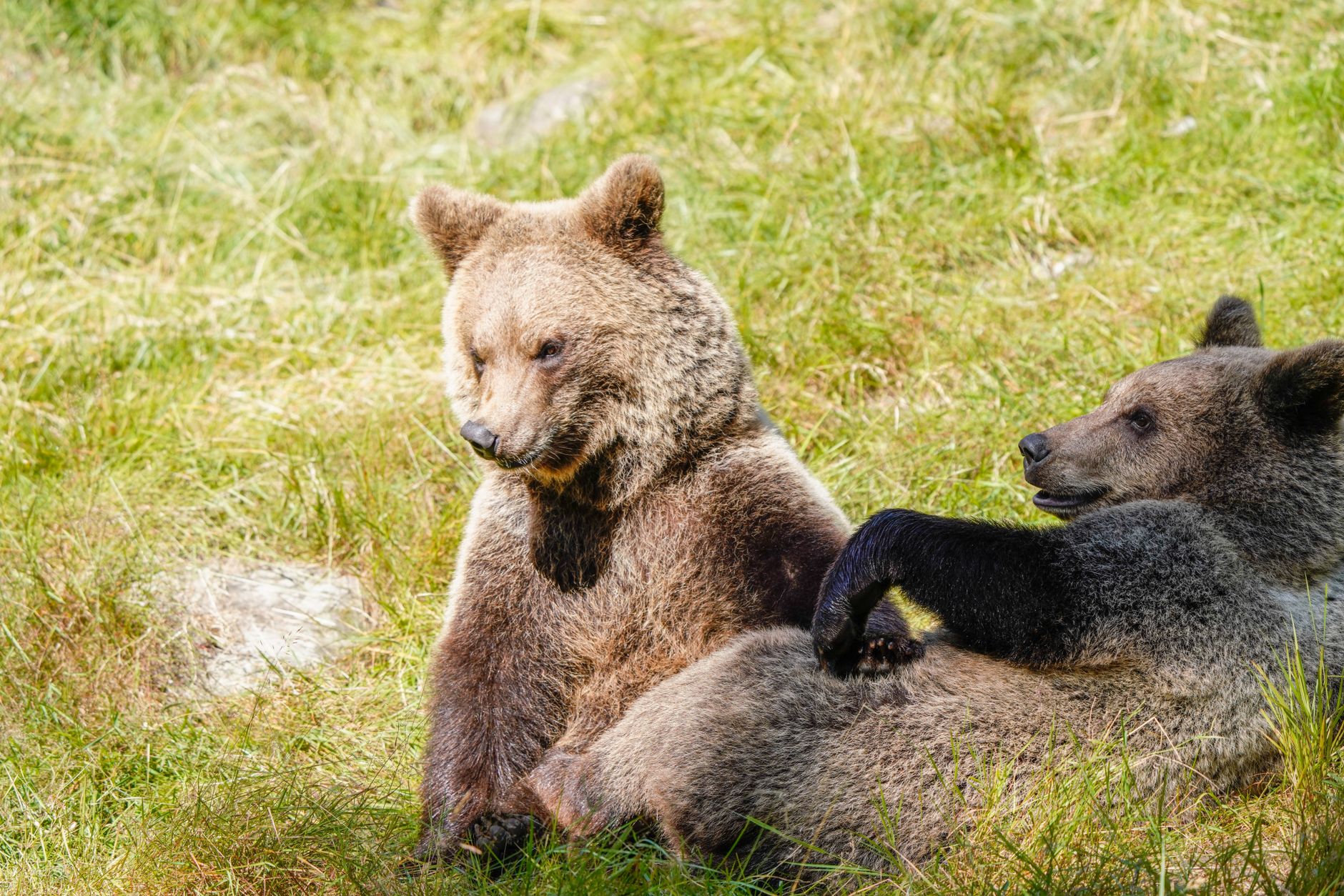
The grizzly bear, scientifically known as Ursus arctos horribilis, is a powerful symbol of the American wilderness. Once widespread across much of North America, their population plummeted due to hunting, habitat loss, and conflict with humans. Today, grizzlies primarily reside in the northern Rocky Mountains, including Montana, Wyoming, Idaho, and Washington, as well as Alaska and Canada. Understanding how many grizzly bears are left 2023 is crucial to continued conservation efforts.

What colours are fish most attracted to?
Can you put your finger in a trout's mouth?
Is methylene blue anti bacterial?
Does aquarium salt raise pH in aquarium?
Population Estimates and Monitoring
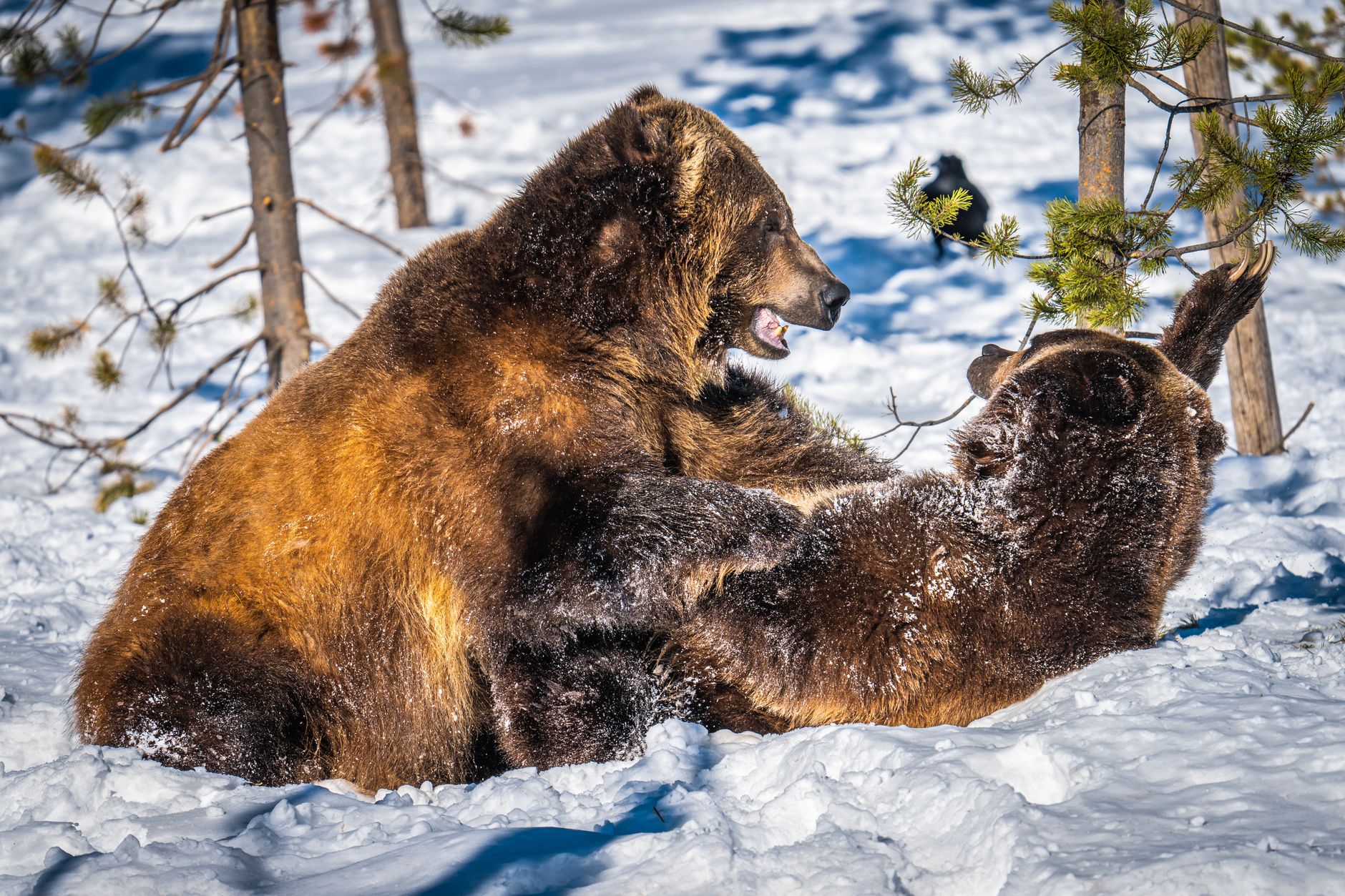
Determining the precise number of grizzly bears is a complex undertaking. Biologists use a variety of methods to estimate populations, including:
- DNA Sampling: Collecting hair samples from bears to identify individual animals and estimate population size through genetic analysis.
- Radio Collaring: Attaching radio collars to bears to track their movements, survival rates, and reproductive success.
- Camera Trapping: Using remote cameras to capture images of bears, allowing researchers to identify individuals and estimate population density.
- Mark-Recapture Studies: Capturing, marking, and releasing bears, then recapturing them later to estimate population size based on the ratio of marked to unmarked individuals.
These methods, while accurate, can be expensive and time-consuming. As such, population estimates are typically updated every few years. Current estimates suggest around 2,000-2,200 grizzly bears in the lower 48 states. Alaska has a significantly larger population, estimated to be around 30,000.
Conservation Efforts and Recovery
Grizzly bear populations have rebounded significantly in some areas thanks to dedicated conservation efforts. These include:
- Habitat Protection: Establishing protected areas such as national parks and wilderness areas to conserve grizzly bear habitat.
- Hunting Restrictions: Implementing hunting regulations to limit the number of bears that can be harvested.
- Conflict Reduction: Educating the public on how to avoid conflicts with bears and implementing measures to reduce human-bear interactions.
- Translocation: Moving bears from areas with high populations to areas with lower populations.
The Endangered Species Act (ESA) has played a vital role in grizzly bear recovery. Listing grizzlies as a threatened species provides legal protection and resources for conservation.
Challenges to Grizzly Bear Survival
Despite the progress made in grizzly bear conservation, several challenges remain:
- Habitat Loss and Fragmentation: Development, logging, and mining continue to fragment grizzly bear habitat, limiting their access to food and mates.
- Human-Bear Conflict: As human populations expand into grizzly bear habitat, the risk of conflict increases, leading to bear deaths.
- Climate Change: Changes in climate can alter grizzly bear food sources and habitat availability, potentially impacting their survival.
- Genetic Isolation: Small, isolated populations of grizzly bears can suffer from reduced genetic diversity, making them more vulnerable to disease and environmental changes.
The question of how many grizzly bears are left 2023 is directly tied to addressing these challenges. Continued conservation efforts are essential to ensure their long-term survival.
Regional Populations and Distribution
The distribution of grizzly bears is uneven across their range. Some key populations include:
- Yellowstone Ecosystem: This area is home to one of the largest and most well-studied grizzly bear populations in the lower 48 states.
- Northern Continental Divide Ecosystem: This ecosystem, which includes Glacier National Park, also supports a significant grizzly bear population.
- Selkirk and Cabinet-Yaak Ecosystems: These smaller ecosystems harbor smaller, more isolated populations of grizzly bears.
Understanding the specific challenges facing each population is critical for tailoring conservation strategies.
The Future of Grizzly Bears
The future of grizzly bears depends on continued conservation efforts and a commitment to coexistence between humans and bears. Addressing the challenges of habitat loss, human-bear conflict, and climate change is essential to ensure that these iconic animals continue to roam the American wilderness. Monitoring how many grizzly bears are left 2023 and beyond will remain a key indicator of conservation success.
Frequently Asked Questions (FAQs)
What factors contributed to the decline of grizzly bear populations in the past?
The decline of grizzly bear populations was primarily due to unregulated hunting, habitat destruction, and deliberate eradication efforts as humans expanded westward. Bears were seen as a threat to livestock and human safety, leading to widespread killing.
How does the Endangered Species Act protect grizzly bears?
The Endangered Species Act provides legal protection to listed species, including grizzly bears. This includes protecting their habitat, restricting hunting, and providing funding for conservation efforts. Listing under the ESA requires a rigorous scientific review process.
What is the difference between a grizzly bear and a black bear?
While both are bears, several key differences distinguish grizzlies from black bears. Grizzlies are typically larger, have a prominent shoulder hump, and longer claws, which they use for digging. Black bears generally lack the shoulder hump and have shorter, more curved claws better suited for climbing. Grizzlies tend to be more aggressive than black bears.
Where are the best places to see grizzly bears in the wild?
Some of the best places to see grizzly bears in the wild include Yellowstone National Park, Glacier National Park, and Katmai National Park in Alaska. Always remember to keep a safe distance and follow park guidelines to avoid conflicts.
What can I do to help protect grizzly bears?
You can help protect grizzly bears by supporting conservation organizations, practicing responsible wildlife viewing, reducing your impact on bear habitat, and educating others about grizzly bear conservation.
What is the biggest threat to grizzly bear populations today?
Currently, the most significant threats include habitat loss and fragmentation due to development and resource extraction, and increasing human-bear conflicts. Climate change also poses a growing threat by impacting food sources and habitat availability.
What is the role of Native American tribes in grizzly bear conservation?
Native American tribes often have deep cultural and spiritual connections to grizzly bears and play an important role in conservation efforts. They may participate in research, monitoring, and management of grizzly bear populations on tribal lands.
How accurate are grizzly bear population estimates?
Grizzly bear population estimates are based on the best available scientific data, but they are still estimates. The methods used, such as DNA sampling and radio collaring, can be expensive and time-consuming, limiting the frequency of updates.
What happens when a grizzly bear is involved in a conflict with humans?
When a grizzly bear is involved in a conflict with humans, wildlife managers typically investigate the incident. Depending on the severity of the conflict and the bear’s behavior, the bear may be relocated or, in some cases, euthanized. Efforts are made to prevent future conflicts through education and preventative measures.
What are the long-term consequences of genetic isolation for grizzly bear populations?
Genetic isolation can lead to reduced genetic diversity, which makes populations more vulnerable to disease, environmental changes, and inbreeding depression. This can ultimately threaten the long-term survival of isolated populations.
Are grizzly bears dangerous?
Grizzly bears are powerful animals and can be dangerous, but attacks are relatively rare. Most attacks occur when bears are surprised, defending their young, or protecting a food source. Proper safety precautions, such as carrying bear spray and making noise while hiking, can significantly reduce the risk of an encounter.
Is the grizzly bear population increasing or decreasing?
In some areas, such as the Yellowstone Ecosystem, the grizzly bear population has been increasing thanks to conservation efforts. However, other populations remain small and vulnerable. The overall trend is generally positive, but continued vigilance and conservation efforts are crucial to ensure long-term success. Understanding and acting on the insights derived from tracking how many grizzly bears are left 2023 is vital for future conservation decisions.