

How Do I Know If I’m Feeding My Cat Enough?
Determining if your feline friend is getting the right amount of food involves observing their body condition, monitoring their eating habits, and understanding their individual needs; knowing how to know if you’re feeding your cat enough helps ensure optimal health and longevity.
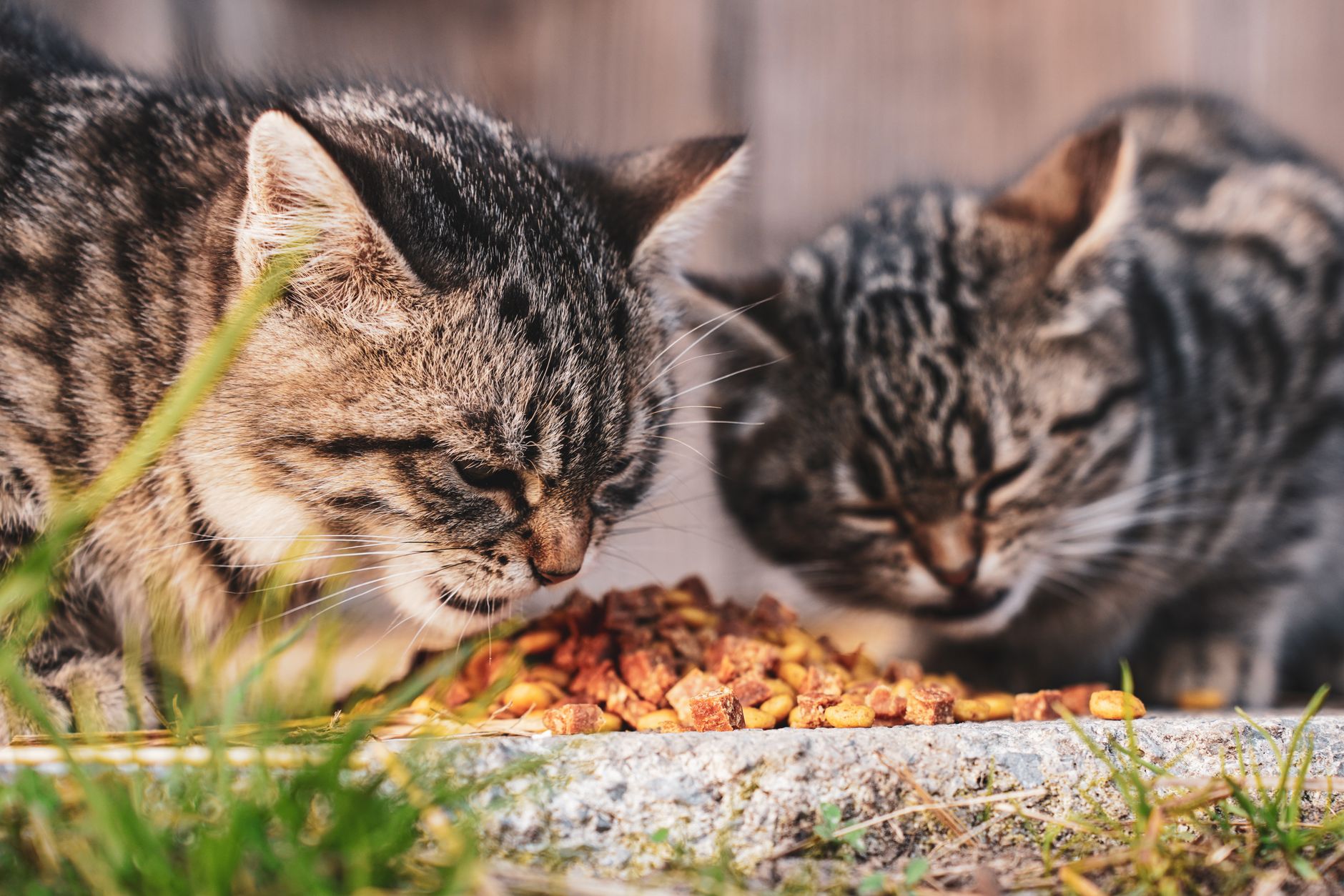
Introduction: The Art of Cat Feeding
Feeding your cat might seem straightforward, but it’s actually a delicate balancing act. Underfeeding leads to weight loss and potential health problems, while overfeeding can cause obesity, increasing the risk of diabetes, arthritis, and other serious conditions. How do I know if I’m feeding my cat enough? The answer lies in understanding your cat’s individual needs and learning to interpret the clues they give you. Factors such as age, activity level, breed, and overall health play significant roles in determining their caloric requirements. This guide will equip you with the knowledge to assess your cat’s nutritional status and adjust their feeding plan accordingly.
Assessing Your Cat’s Body Condition

A key indicator of whether your cat is getting enough food is their body condition score (BCS). This is a visual and tactile assessment that helps you evaluate their weight and muscle mass. Veterinarians often use a 9-point scale, but a simplified 5-point scale can be equally effective for pet owners.
- Ideal (BCS 3/5): You should be able to feel their ribs easily with a slight fat covering. A distinct waist should be visible when viewed from above. Their abdomen should be tucked up when viewed from the side.
- Underweight (BCS 1-2/5): Ribs, spine, and hip bones are easily visible and palpable with no fat covering. There is minimal muscle mass, and the abdomen is severely tucked up.
- Overweight (BCS 4-5/5): Ribs are difficult to feel through a moderate to thick fat covering. The waist is not easily visible, and there is a rounded abdomen.
Regularly feeling your cat’s ribs (about once a week) will give you a baseline and help you notice any changes quickly.
Understanding Caloric Needs
The amount of food your cat needs varies depending on several factors:
- Age: Kittens require more calories to support growth, while senior cats may need fewer due to decreased activity.
- Activity Level: Active cats burn more calories than sedentary cats. Indoor cats generally require fewer calories than outdoor cats.
- Breed: Some breeds are naturally more prone to weight gain or require specific dietary needs.
- Health Status: Certain medical conditions, such as hyperthyroidism or diabetes, can affect caloric needs. Consult your veterinarian for specific dietary recommendations if your cat has any health concerns.
Here’s a general guideline for daily caloric needs, but remember to adjust based on your cat’s individual situation and consult your veterinarian:
| Weight (lbs) | Calories per Day (Approximate) |
|---|---|
| 5 | 200 |
| 10 | 300 |
| 15 | 400 |
| 20 | 500 |
Interpreting Eating Habits
Observe your cat’s eating habits. Are they always ravenous and finishing their food instantly? Or are they leaving food in the bowl? These observations, combined with their body condition, can provide valuable clues about whether they are getting enough to eat. Remember that some cats are grazers and prefer to eat small amounts throughout the day, while others are meal eaters.
Choosing the Right Food
The quality of food you feed your cat also matters. High-quality cat food is more nutrient-dense, meaning your cat will get more out of each bite. Look for foods that are high in protein, moderate in fat, and low in carbohydrates. Consult your veterinarian for recommendations on the best food for your cat’s age, breed, and health status.
Common Mistakes in Cat Feeding
- Free-feeding: Leaving food out all day can lead to overeating and obesity, especially in indoor cats.
- Ignoring Body Condition: Relying solely on the feeding guidelines on the food label without considering your cat’s body condition.
- Giving Too Many Treats: Treats should only make up a small portion of your cat’s daily caloric intake.
- Not Adjusting for Age or Health: Failing to adjust the amount of food as your cat ages or develops health problems.
- Using Measuring Cups Incorrectly: Using imprecise cups or not leveling off the food.
Adjusting Your Feeding Plan
If your cat is underweight, gradually increase their food intake. Monitor their weight and body condition regularly. If they are overweight, decrease their food intake and encourage more exercise. Slow feeder bowls can help prevent them from eating too quickly. If you’re unsure how to know if you’re feeding your cat enough or how to make adjustments, consult your veterinarian.

Frequently Asked Questions (FAQs)
Is my cat constantly begging for food a sign that they are not getting enough?
Not necessarily. Begging can be a sign of boredom, habit, or even a learned behavior. While it could indicate hunger, evaluate your cat’s body condition and overall health before increasing their food intake. Try offering playtime or attention instead of food when they beg.
How often should I weigh my cat?
Weighing your cat every 1-2 weeks can help you track their progress and adjust their feeding plan accordingly. Use a reliable scale and record their weight to identify any trends.
What are the risks of overfeeding my cat?
Overfeeding can lead to obesity, which increases the risk of diabetes, arthritis, heart disease, and other serious health problems. Obese cats also have a shorter lifespan and reduced quality of life.
What are the risks of underfeeding my cat?
Underfeeding can lead to weight loss, muscle wasting, and nutrient deficiencies. It can also weaken their immune system and make them more susceptible to illness.
Can I feed my cat a vegetarian or vegan diet?
Cats are obligate carnivores, meaning they require nutrients found only in animal products. Vegetarian or vegan diets are not recommended for cats as they can lead to serious health problems.
How much water should my cat drink each day?
Cats need approximately 3.5-4.5 ounces of water per 5 pounds of body weight per day. Canned food has a high moisture content, which helps with hydration. Ensure they always have access to fresh water.
Should I feed my cat dry food, wet food, or a combination of both?
Both dry and wet food have their advantages. Dry food is more convenient and can help with dental health. Wet food provides more moisture and can be more palatable for some cats. Many owners choose to feed a combination of both.
Are all cat foods created equal?
No. The quality of cat food varies widely. Look for foods that are high in protein and contain real meat as the primary ingredient. Avoid foods that are high in fillers and artificial ingredients.
My cat seems to be losing weight despite eating a lot. What could be the reason?
Weight loss despite a normal or increased appetite can be a sign of underlying health problems, such as hyperthyroidism, diabetes, or intestinal parasites. Consult your veterinarian for a diagnosis.
Is it normal for senior cats to lose weight?
Senior cats may lose muscle mass as they age, which can lead to weight loss. However, significant weight loss is not normal and should be investigated by a veterinarian.
How can I encourage my cat to eat more?
Try warming up their food slightly, offering different flavors or textures, or adding a small amount of tuna juice (unsalted) or broth to their food. Consult your veterinarian if your cat has a persistent loss of appetite.
When should I consult a veterinarian about my cat’s weight or feeding habits?
Consult your veterinarian if you notice any sudden or significant changes in your cat’s weight, appetite, or eating habits. They can help you determine the cause and develop a personalized feeding plan.