

How Long Should You Sit While Coyote Hunting?
The optimal sit time for coyote hunting typically ranges from 30 minutes to 2 hours, depending on environmental factors, hunting pressure, and calling strategy. Extending your sit time, especially in areas with lower coyote densities, can significantly increase your chances of success.

Introduction: Patience Pays Off in Predator Hunting
Coyote hunting is a challenging yet rewarding pursuit that requires a blend of skill, knowledge, and, above all, patience. Unlike deer hunting, where movement can attract attention, coyote hunting often relies on remaining still and undetected, letting your calls and decoys do the work. A crucial element of this strategy is understanding how long should you sit while coyote hunting? This isn’t a one-size-fits-all answer, but rather a dynamic decision informed by various factors. This article delves into these considerations, providing a comprehensive guide to optimizing your sit time for successful coyote hunting.

What colours are fish most attracted to?
Can you put your finger in a trout's mouth?
Is methylene blue anti bacterial?
Does aquarium salt raise pH in aquarium?
Factors Influencing Optimal Sit Time
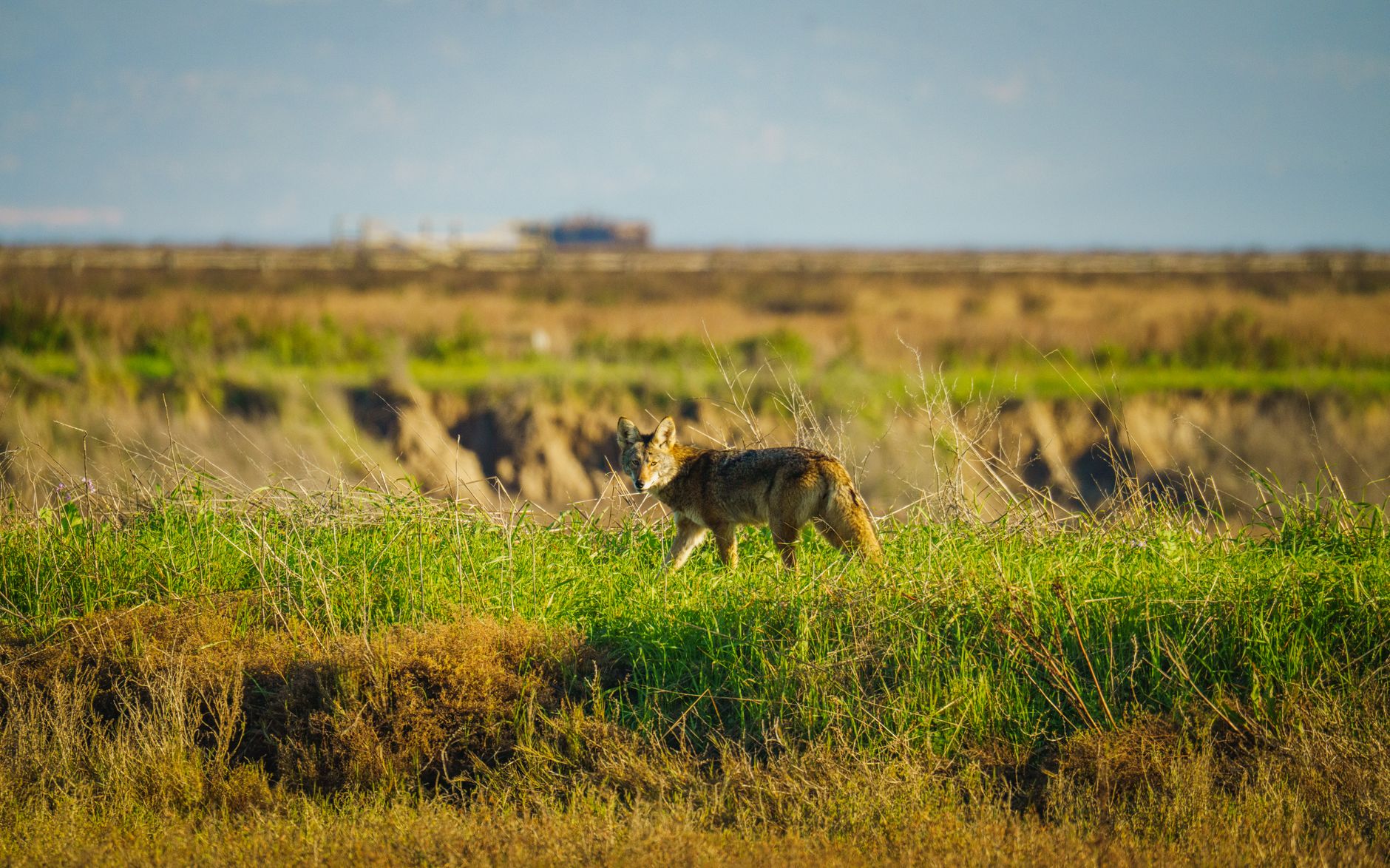
Determining the ideal sit time is an art, not a science. Here are key elements that impact your decision:
- Coyote Density: Areas with high coyote populations may warrant shorter sit times, as coyotes are more likely to respond quickly. Conversely, sparse populations require longer waits.
- Hunting Pressure: Heavily hunted areas often produce call-shy coyotes. Longer sit times, coupled with varied calling sequences, can be more effective.
- Weather Conditions: Wind, temperature, and precipitation can influence coyote activity. Extreme weather may encourage longer waits, as coyotes seek shelter and may be slow to respond.
- Time of Day: Dawn and dusk are typically peak activity periods for coyotes. Adjust sit times accordingly, concentrating efforts around these prime hunting hours.
- Terrain: Open terrain allows for greater visibility, potentially reducing sit times. Dense cover may necessitate longer waits, as coyotes may approach cautiously and unseen.
- Calling Strategy: Aggressive calling may elicit a rapid response, shortening the need for extended sits. Subtler, more passive calling requires patience.
A Phased Approach to Sit Times
Consider a phased approach to your sits:
- Initial Aggressive Calling (5-10 minutes): Start with loud, attention-grabbing calls (e.g., distress calls) to attract coyotes from a distance.
- Transition to Subtler Calls (10-20 minutes): Shift to softer, more enticing calls (e.g., pup distress, coyote vocals) to draw in hesitant coyotes.
- Passive Observation (Remaining Time): Remain silent and vigilant, allowing coyotes time to approach undetected. Be ready for a quick shot.
Common Mistakes to Avoid
Avoiding these common pitfalls will significantly improve your success:
- Moving Too Soon: Impatience is a coyote hunter’s worst enemy. Prematurely abandoning a sit can spook approaching coyotes.
- Overcalling: Excessive calling can alert coyotes to your presence and make them wary.
- Inadequate Camouflage: Proper concealment is essential for remaining undetected during extended sits.
- Ignoring Wind Direction: Coyotes have an exceptional sense of smell. Always hunt with the wind in your favor.
- Failure to Scan: Regularly scan your surroundings for approaching coyotes, using binoculars to cover distant areas.
Benefits of Longer Sit Times
While shorter sits might yield immediate results in some cases, longer sit times offer several advantages:
- Increased Opportunity: More time in the field translates to more opportunities to encounter coyotes.
- Penetrating Distance: Calls take time to travel. Longer sits allow coyotes farther away to hear and respond.
- Outwitting Call-Shy Coyotes: Coyotes that have been exposed to hunting pressure are often cautious. Longer sits give them time to overcome their hesitation.
- Adapting to Changing Conditions: Weather patterns, wind shifts, and coyote behavior can change during a hunt. Longer sits provide time to adapt your strategy.
Table: Sit Time Guidelines Based on Hunting Pressure
| Hunting Pressure | Initial Calling (Minutes) | Subtler Calls (Minutes) | Passive Observation (Minutes) | Total Sit Time (Minutes) |
|---|---|---|---|---|
| Low | 5-10 | 10-15 | 15-30 | 30-55 |
| Moderate | 5-10 | 15-20 | 30-60 | 50-90 |
| High | 5-10 | 20-30 | 60-90 | 85-130 |
FAQ Section: Mastering the Art of the Sit
How long should you sit while coyote hunting in heavily pressured areas?
In heavily pressured areas, where coyotes are more wary and likely to be call-shy, it’s crucial to extend your sit time. Consider sitting for at least an hour to two hours. Utilize subtle calls and minimize movement to avoid spooking the animals.
What’s the best calling sequence to use during a long sit?
Start with aggressive distress calls to pique their interest. Then, transition to softer, more natural sounds like pup distress or coyote howls. Conclude with periods of complete silence, allowing them to approach undisturbed. Vary the sequence throughout the sit.
Does the type of decoy influence sit time?
Yes, the decoy can impact the effectiveness of your sit. A realistic and actively moving decoy may encourage coyotes to approach more quickly, potentially shortening the sit time. However, a static decoy might require a longer sit to pique their curiosity.
What’s the impact of wind on optimal sit time?
Wind direction plays a crucial role. Always position yourself with the wind in your face to prevent coyotes from scenting you. Windy conditions can mask your scent, but it also carries sound poorly, potentially requiring a longer sit for coyotes to hear your calls.
How does the time of year affect how long you should sit while coyote hunting?
During the breeding season (typically late winter), coyotes are more responsive to calls and territorial challenges. This may allow for shorter sit times. Outside of breeding season, longer sits and more varied calling strategies are generally more effective.
What equipment is essential for a comfortable and productive long sit?
Comfort is key for enduring extended sit times. Essential gear includes a comfortable seat, effective camouflage, binoculars for scanning, a shooting stick or bipod for stability, and appropriate clothing for the weather conditions. A rangefinder is also helpful for accurate shots.
Is it better to hunt alone or with a partner during longer sits?
Hunting with a partner can be advantageous, as one person can focus on calling while the other scans for approaching coyotes. This shared vigilance can significantly increase your chances of success during a long sit.
How can you minimize movement during a long sit to avoid detection?
Practice slow, deliberate movements. Avoid sudden or jerky actions. Use your binoculars to scan your surroundings instead of constantly turning your head. Choose a comfortable position that allows you to remain still for extended periods.
What are some alternative calling techniques to use during a long sit if coyotes aren’t responding?
If initial calls fail to elicit a response, try different types of calls, such as bird distress calls or fawn bleats. Adjust the volume and frequency of your calls. Experiment with different calling sequences to find what works best in your area.
How do you deal with boredom during a long sit?
Staying focused and attentive is crucial. Keep your mind engaged by observing your surroundings, planning your shot, or reviewing your calling strategy. Avoid using electronic devices that can distract you or alert coyotes to your presence.
What’s the most effective way to break up the monotony of a long sit?
Briefly shifting positions (slowly and deliberately) can help prevent stiffness and fatigue. However, avoid making any sudden movements that could spook approaching coyotes. Stay aware of your surroundings at all times.
What if you see a coyote but it doesn’t respond to your calls during a sit?
If you spot a coyote that doesn’t respond, remain still and observant. It may be investigating from a distance. Try very subtle calls or no calls at all. If it moves out of range, consider repositioning and starting a new sit in its likely travel path, giving it more time to come your way.