

Can Coyotes Eat A Deer In One Night?
No, a single coyote cannot eat an entire deer in one night. While a pack of coyotes can make significant progress on a deer carcass overnight, consuming the whole animal in such a short time is highly unlikely.
Introduction: The Coyote’s Appetite and Deer Carcasses
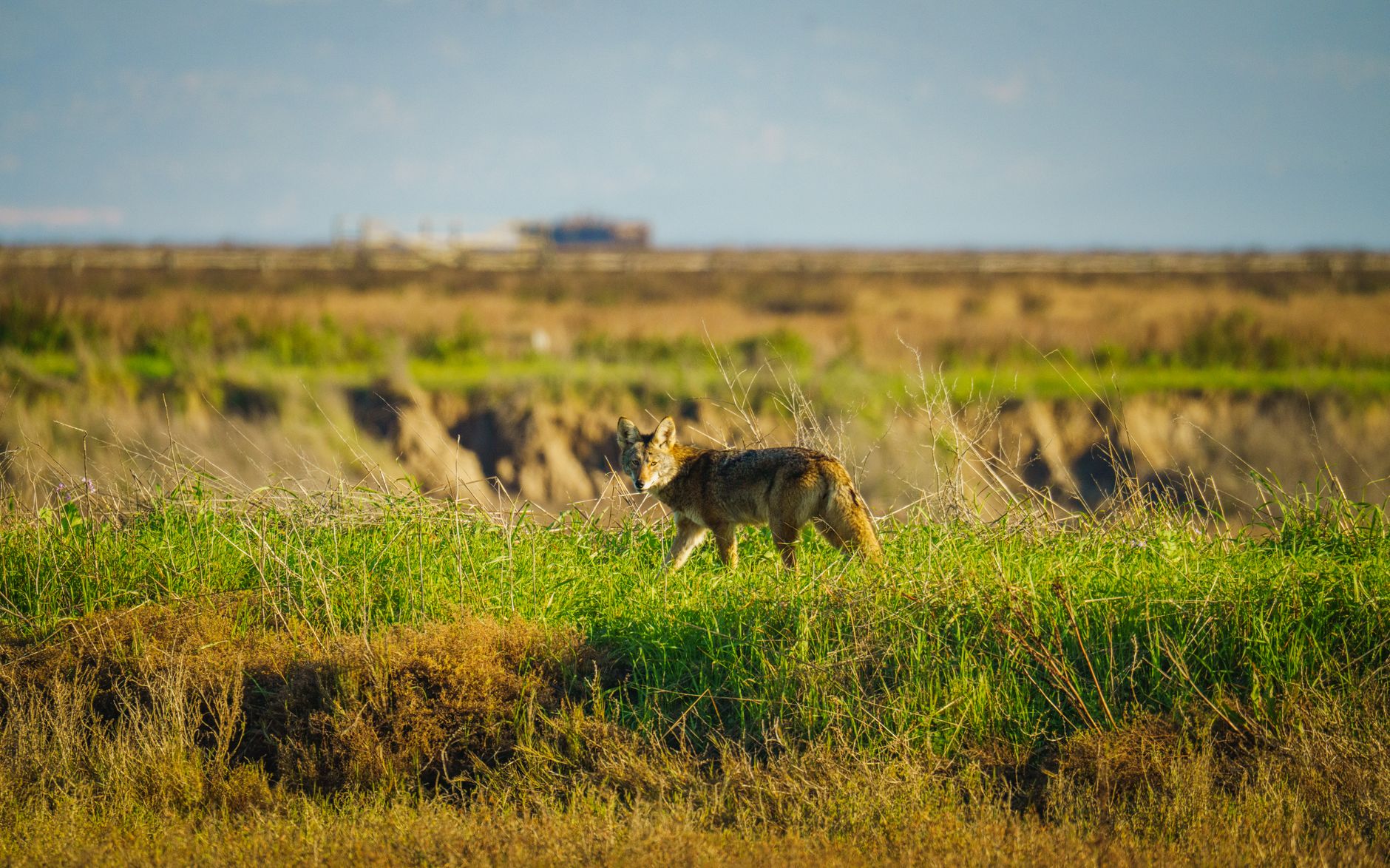
The coyote, a ubiquitous and adaptable canid across North America, plays a crucial role in its ecosystem. Its diet is remarkably flexible, ranging from small rodents and insects to fruits and, notably, carrion. When a deer dies, whether from natural causes, vehicle collisions, or hunting, it becomes a potential food source for coyotes. The question “Can coyotes eat a deer in one night?” isn’t simply about appetite; it involves several factors, including the size of the deer, the number of coyotes involved, and environmental conditions.

What is the GREY African clawed frog?
Is distilled water good for goldfish?
What colours are fish most attracted to?
Can you put your finger in a trout's mouth?
Understanding the Coyote’s Feeding Habits

Coyotes are opportunistic feeders. This means they will scavenge for food whenever the opportunity presents itself. While they are capable predators, particularly of smaller animals, they often rely on scavenging, especially when larger prey like deer are involved. A single coyote typically consumes around 1.5 to 2 pounds of food per day. This varies depending on the coyote’s size, activity level, and the availability of food.
Deer Size and Nutritional Value
Deer, particularly adults, are substantial animals. A mature white-tailed deer can weigh anywhere from 100 to over 300 pounds, providing a considerable amount of protein and fat. The nutritional value of a deer carcass is significant for coyotes, especially during lean times of the year, such as winter. Deer carcasses are also a valuable food source for other scavengers, including vultures, foxes, and even bears.
The Role of Coyote Packs
While a lone coyote may scavenge on a deer carcass, it is much more common for coyote packs to feed together. Coyote packs typically consist of a mated pair and their offspring. Pack size can vary, but a typical pack might include 3 to 7 individuals. A pack of coyotes working together can consume a much larger amount of a deer carcass than a single coyote.
Factors Affecting Consumption Rate
Several factors influence how quickly coyotes can consume a deer carcass:
- Number of Coyotes: A larger pack will naturally consume more meat in a shorter period.
- Environmental Conditions: In colder weather, the carcass will remain fresher for longer, allowing coyotes more time to feed. Warmer weather can accelerate decomposition, leading to increased insect activity and potentially making the carcass less palatable.
- Competition: Other scavengers might compete for the carcass, reducing the amount available for coyotes.
- Snow Cover: Deep snow can make it more difficult for coyotes to access the carcass and can also increase their energy expenditure, requiring them to consume more food.
A Realistic Scenario: One Night’s Progress
Even with a pack of coyotes, completely devouring an entire deer in one night is improbable. While they can undoubtedly consume a significant portion of the carcass, including the muscle tissue and internal organs, bones and hide would likely remain. A more realistic scenario is that a pack of coyotes would return to the carcass over several nights, gradually consuming more of the deer until it is fully utilized or only bones remain. The question “Can coyotes eat a deer in one night?” is thus best answered with a resounding ‘mostly no.’
Frequently Asked Questions
Can a coyote eat a whole deer?
While a single coyote is unlikely to consume an entire adult deer, a pack of coyotes can certainly consume the majority of a deer carcass over several days. Smaller deer, like fawns, are more vulnerable and could be consumed more quickly.
What parts of a deer do coyotes eat first?
Coyotes typically target the most accessible and nutrient-rich parts of a deer carcass first, such as the internal organs (heart, liver, lungs) and muscle tissue. They will also consume fat and cartilage.
How long does it take for coyotes to strip a deer carcass?
The time it takes for coyotes to strip a deer carcass depends on various factors, including the size of the deer, the number of coyotes involved, and environmental conditions. Generally, a pack of coyotes can significantly reduce a deer carcass within a few days to a week.
Do coyotes prefer fresh kill or carrion?
Coyotes are opportunistic feeders and will consume both fresh kill and carrion. While they are capable hunters, they often rely on scavenging, particularly when larger prey like deer are involved.
Are coyotes beneficial for controlling deer populations?
Coyotes can play a role in controlling deer populations, particularly by preying on fawns and scavenging on deer carcasses. However, their impact on overall deer numbers is often localized and varies depending on the specific ecosystem.
What other animals scavenge on deer carcasses?
Besides coyotes, other animals that scavenge on deer carcasses include vultures, foxes, ravens, eagles, bears, and even domestic dogs. The specific scavengers present will vary depending on the geographic location.
What should I do if I find a deer carcass in my yard?
If you find a deer carcass in your yard, you should contact your local animal control or wildlife agency. They can advise you on the best course of action, which may involve removing the carcass to prevent attracting scavengers.
Are coyotes dangerous to humans?
Coyotes are generally not considered dangerous to humans. However, it is important to exercise caution, especially around pets. Never feed coyotes, as this can habituate them to humans and increase the risk of conflict.
How can I protect my pets from coyotes?
To protect your pets from coyotes, keep them indoors at night, supervise them when they are outside, and keep them on a leash when walking in areas where coyotes are present. You can also install fencing around your property to deter coyotes.
Do coyotes only eat meat?
No, coyotes are omnivores. Their diet includes a variety of foods, such as rodents, rabbits, birds, insects, fruits, and vegetables. They are opportunistic feeders and will consume whatever is readily available.
How does snow affect coyote feeding habits?
Deep snow can make it more difficult for coyotes to hunt and scavenge. It can also increase their energy expenditure, requiring them to consume more food. Snow can also obscure carcasses, making them harder to find.
What is the impact of human development on coyote populations?
Human development can have both positive and negative impacts on coyote populations. While habitat loss can reduce their numbers in some areas, coyotes are highly adaptable and can thrive in urban and suburban environments. They often exploit human-related food sources, such as garbage and pet food.