

Do Hedgehogs Eat Fruit and Nuts? Unveiling Their Dietary Secrets
The short answer: While hedgehogs can eat certain fruits and nuts, they are primarily insectivores, meaning their diet should mainly consist of insects. Feeding them large quantities of fruit and nuts can lead to health problems.
Understanding the Hedgehog’s Natural Diet
Hedgehogs are fascinating creatures, often misunderstood when it comes to their dietary needs. To properly answer the question, “Do hedgehogs eat fruit and nuts?“, it’s crucial to first understand their natural food sources and the biological adaptations that shape their feeding habits. Hedgehogs are classified as insectivores, a dietary classification indicating their primary food source: insects.
- Insectivores by Nature: In the wild, hedgehogs predominantly consume insects like beetles, caterpillars, and earthworms. They also eat snails, slugs, and other invertebrates.
- Opportunistic Feeding: While insects form the core of their diet, hedgehogs are opportunistic feeders. This means they’ll occasionally sample other food sources they encounter, including berries, roots, and even small vertebrates like frogs.
- Nutritional Needs: Their bodies are adapted to efficiently process protein and chitin (found in insect exoskeletons). They have a limited ability to digest large amounts of carbohydrates or fats found in fruits and nuts.
What is the GREY African clawed frog?
Is distilled water good for goldfish?
What colours are fish most attracted to?
Can you put your finger in a trout's mouth?
The Role of Fruit in a Hedgehog’s Diet

So, do hedgehogs eat fruit and nuts as a significant part of their diet? The answer is a nuanced no. While they might nibble on a fallen berry or two in the wild, fruit should only ever be a very small part of a captive hedgehog’s diet.
- Sugar Content: Fruits are high in sugar, which can lead to dental problems, obesity, and digestive upset in hedgehogs.
- Limited Nutritional Value: While fruits offer some vitamins and minerals, hedgehogs aren’t biologically equipped to efficiently extract these nutrients. They are better suited for processing the nutrients found in insects.
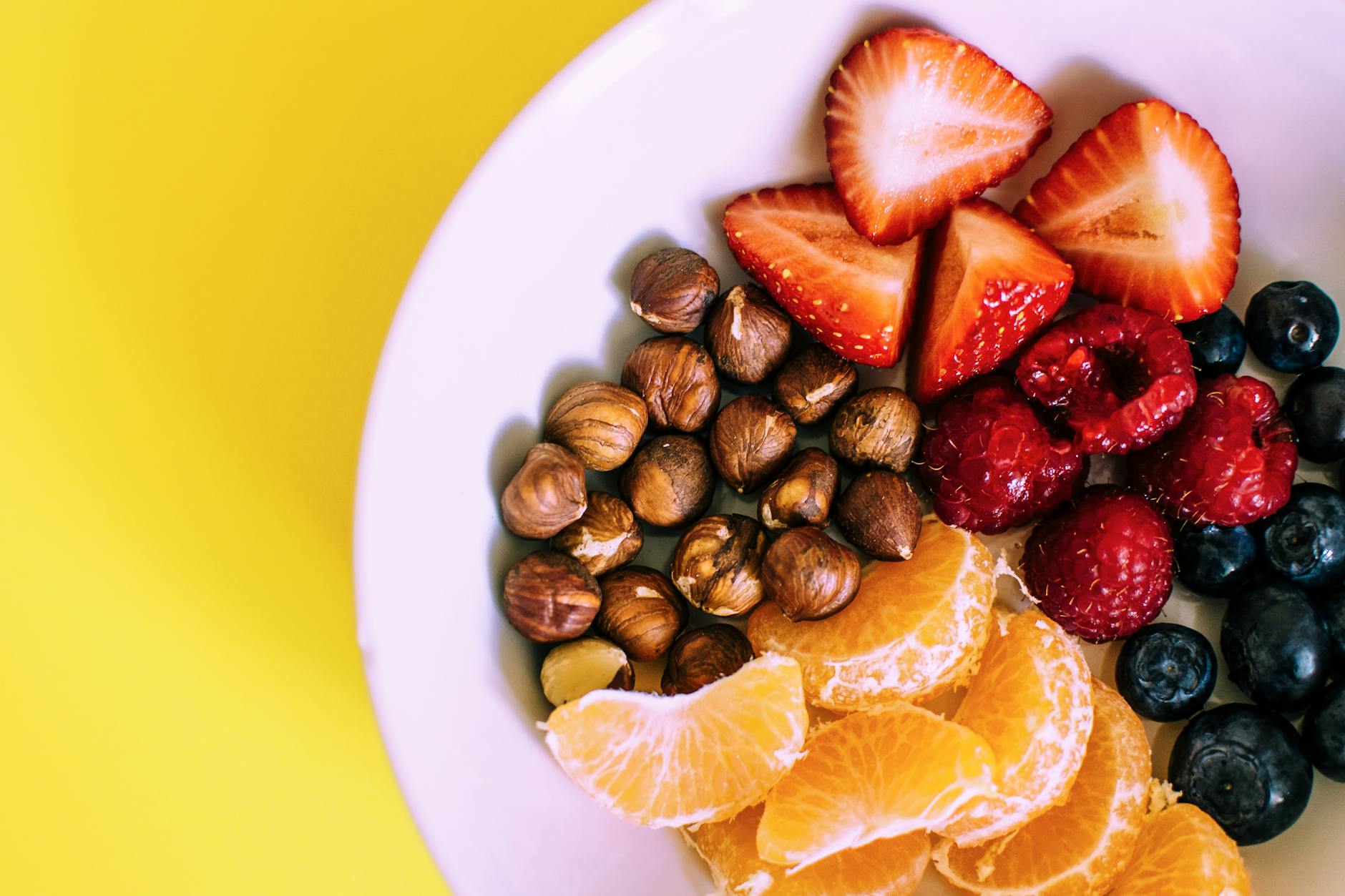
- Safe Fruits (in moderation): If you do decide to offer fruit, stick to small amounts of well-mashed unsweetened apples, berries (strawberries, blueberries, raspberries), or melon. Avoid citrus fruits, grapes, and dried fruits.
The Dangers of Nuts for Hedgehogs
Nuts present a similar, if not greater, risk to hedgehogs. The answer to “Do hedgehogs eat fruit and nuts?” is emphatically no when it comes to nuts, due to several significant concerns.
- High Fat Content: Nuts are extremely high in fat, which can quickly lead to obesity and liver problems in hedgehogs.
- Choking Hazard: Whole nuts are a significant choking hazard, especially for smaller hedgehogs. Even chopped nuts can present a risk.
- Digestive Issues: Hedgehogs’ digestive systems aren’t designed to process the high fat content and complex proteins found in nuts, which can lead to digestive upset and diarrhea.
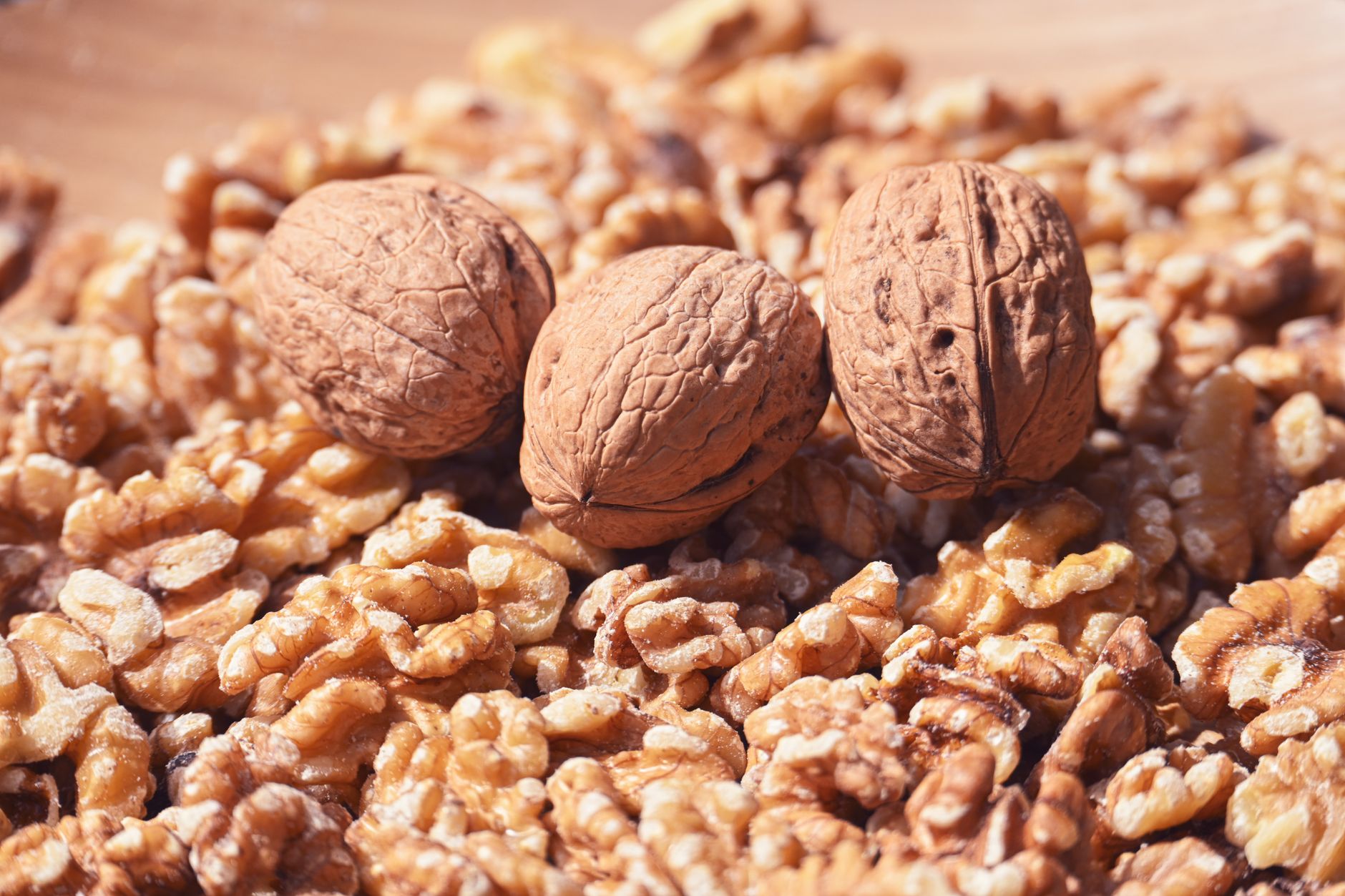
- Never Feed These: Never feed hedgehogs almonds, walnuts, macadamia nuts, or other large, hard nuts.
A Safe and Balanced Hedgehog Diet
The key to a healthy hedgehog is a balanced and appropriate diet. Here’s what a suitable hedgehog diet looks like:
- High-Quality Hedgehog Food: The foundation of their diet should be a commercial hedgehog food formulated with insects as the primary ingredient. Look for options with high protein and low fat. Cat food is a poor substitute.
- Live Insects: Offer a variety of live insects, such as mealworms, crickets, and dubia roaches. These provide essential nutrients and enrichment.
- Occasional Treats: Small amounts of cooked, unseasoned lean meat (chicken, turkey) or boiled eggs can be offered as occasional treats.
- Fresh Water: Always provide fresh, clean water.
Common Mistakes in Hedgehog Feeding
Owners sometimes unintentionally harm their hedgehogs by making common feeding mistakes.
- Overfeeding: Hedgehogs are prone to obesity. Measure food portions carefully and avoid free-feeding.
- Feeding Processed Foods: Avoid processed foods like bread, sweets, and salty snacks. These offer no nutritional value and can be harmful.
- Ignoring Insectivores: Forgetting their primary food source. Without insects, they risk dietary deficincies.
- Lack of Research: Failing to educate yourself on proper hedgehog nutrition before acquiring a pet.
Understanding Nutritional Ratios
Achieving the correct nutritional balance is essential for the health of a pet hedgehog.
| Nutrient | Target Percentage | Rationale |
|---|---|---|
| ————- | :——————: | ————————————————————————- |
| Protein | 30-35% | Supports muscle development, organ function, and overall growth. |
| Fat | 10-15% | Provides energy but must be limited to prevent obesity. |
| Fiber | 15-20% | Aids in digestion and promotes healthy bowel movements. |
| Calcium/Phosphorus | 1.2:1 to 2:1 | Important for bone health; the ratio is crucial for proper absorption. |
Considerations for Wild Hedgehogs
The discussion surrounding “Do hedgehogs eat fruit and nuts?” also applies to wild hedgehogs. While wild hedgehogs might occasionally encounter and consume small amounts of fruit, providing them with bowls of fruit or nuts is not beneficial. Instead, focus on creating a hedgehog-friendly garden that attracts insects.
Conclusion: The Key to a Healthy Hedgehog is a Balanced Diet
While hedgehogs might occasionally nibble on fruit and nuts, these food groups should never be a significant part of their diet. Focusing on providing a balanced diet consisting primarily of insects and commercial hedgehog food is crucial for their health and well-being. Remember, answering “Do hedgehogs eat fruit and nuts?” with a cautious “sometimes, in very small quantities” is the responsible approach.
Frequently Asked Questions (FAQs)
What is the best commercial hedgehog food to buy?
Look for hedgehog foods specifically formulated for insectivores. These typically contain a high percentage of protein from insect-based sources and are low in fat. Read the ingredient list carefully and choose brands with a good reputation. Avoid foods with added sugars or artificial colors.
Are mealworms a healthy treat for hedgehogs?
Yes, mealworms are a great source of protein for hedgehogs. However, they are also high in fat, so they should be offered in moderation. Limit mealworms to a few per day, and consider offering other insects like crickets and dubia roaches for a more balanced nutritional profile.
Can I give my hedgehog cat food?
While some hedgehog owners feed their pets cat food, it’s not ideal. Cat food is often too high in fat and low in fiber for hedgehogs. If you must use cat food as a temporary solution, choose a high-quality, grain-free formula with a high protein content and low fat content. Hedgehog-specific food is always preferred.
Are there any fruits that are absolutely forbidden for hedgehogs?
Yes, there are certain fruits you should never feed your hedgehog. Avoid citrus fruits (lemons, oranges, grapefruit), grapes (due to potential toxicity), and dried fruits (which are very high in sugar). Always wash fruits to remove any pesticides.
How often should I feed my hedgehog?
Adult hedgehogs should be fed once per day, ideally in the evening. This mimics their natural nocturnal feeding habits. Baby or juvenile hedgehogs may need to be fed more frequently, as directed by a veterinarian.
What are the signs of a nutritional deficiency in hedgehogs?
Signs of a nutritional deficiency can include weight loss, lethargy, skin problems, loss of quills, and digestive upset. If you notice any of these symptoms, consult a veterinarian immediately.
Can I feed my hedgehog wild-caught insects?
It’s generally not recommended to feed hedgehogs wild-caught insects. These insects may carry parasites or be exposed to pesticides, which can be harmful to your pet. It’s safer to purchase insects from reputable breeders who specialize in reptile and amphibian food.
Is it okay to leave food out for my hedgehog all day?
Free-feeding hedgehogs can lead to obesity. It’s best to measure out a specific portion of food each day and remove any uneaten food after a few hours.
What should I do if my hedgehog refuses to eat?
If your hedgehog refuses to eat for more than a day or two, consult a veterinarian. There could be an underlying medical condition causing the loss of appetite.
Can hedgehogs eat chocolate?
Absolutely not. Chocolate is toxic to hedgehogs and many other animals. Never give your hedgehog chocolate or any other food containing caffeine.
What kind of water should I give my hedgehog?
Always provide fresh, clean water. Tap water is generally fine, but if you have concerns about the quality of your tap water, you can use filtered water. Avoid giving your hedgehog milk or other sugary drinks.
How do I transition my hedgehog to a new food?
When switching your hedgehog to a new food, do so gradually over a period of several days. Mix a small amount of the new food with the old food, gradually increasing the proportion of the new food each day. This will help prevent digestive upset.