
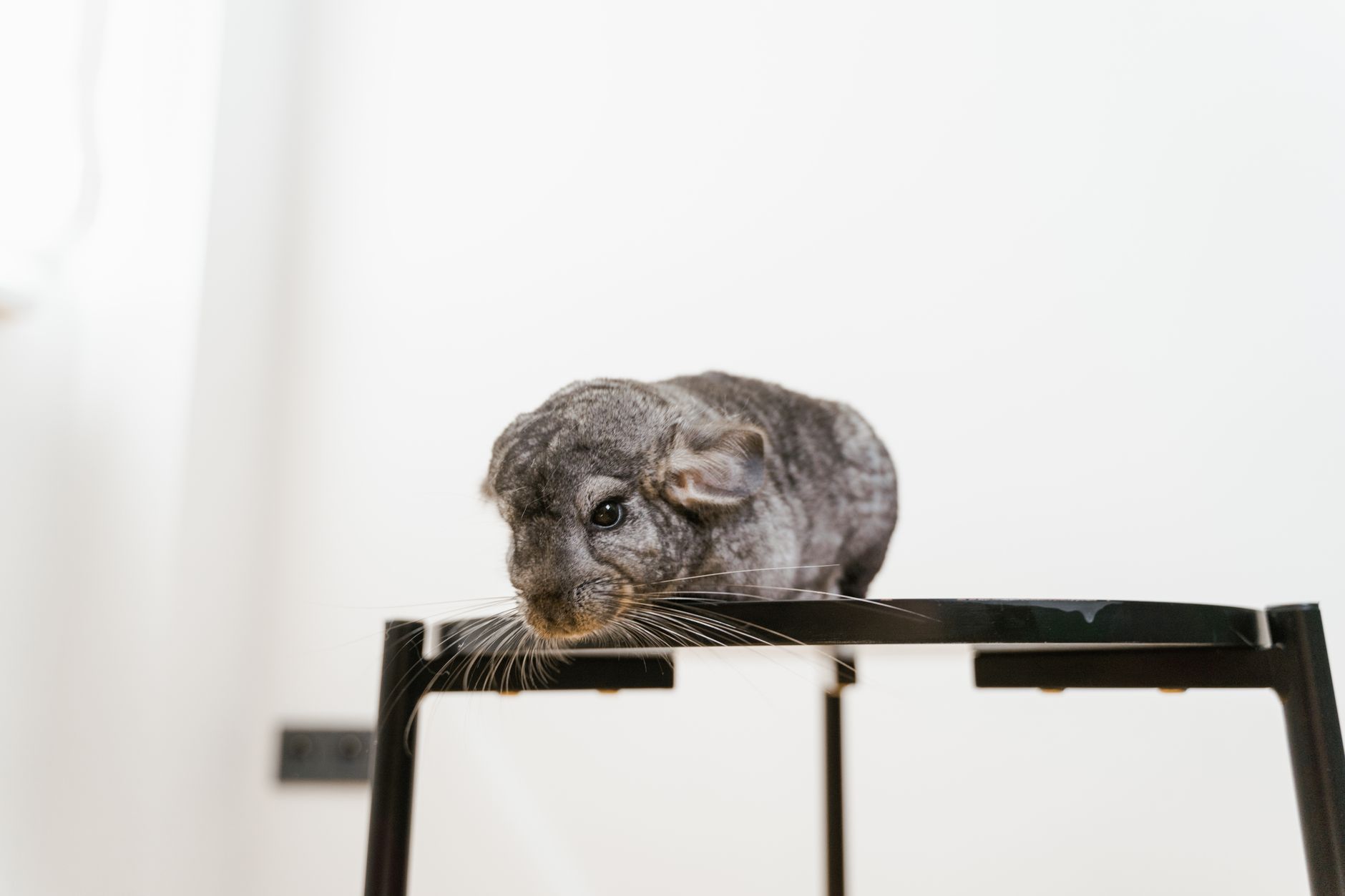
What Do Chinchillas Sleep On? Finding the Perfect Bedding
Chinchillas need safe, comfortable bedding to rest and thrive; generally, fleece or paper-based bedding is the best choice for what do chinchillas sleep on, offering absorbency, cleanliness, and minimal dust.
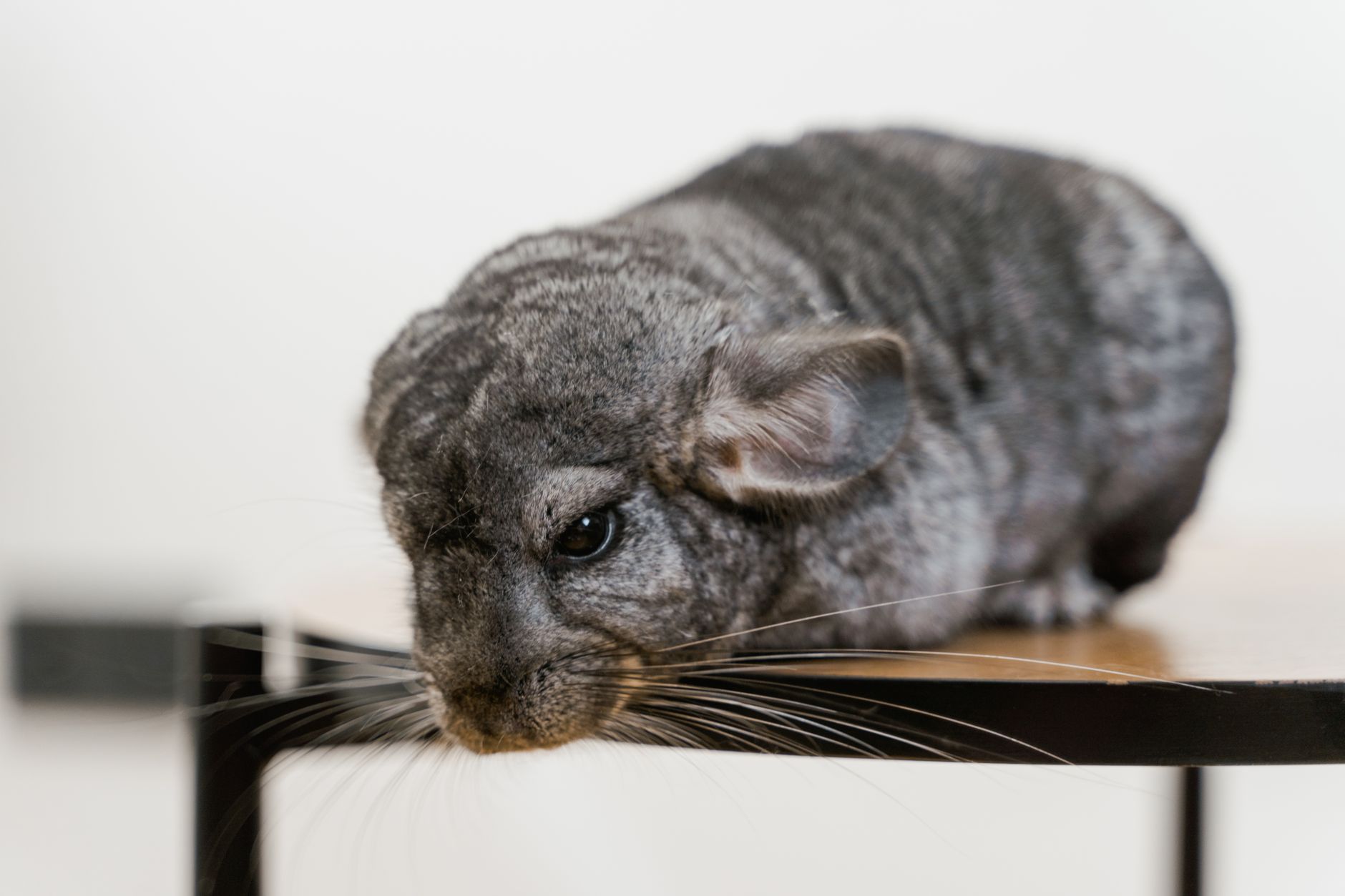
Chinchillas, with their luxuriously soft fur and playful personalities, are captivating pets. Ensuring their well-being involves understanding their specific needs, and a crucial aspect is providing appropriate bedding. What do chinchillas sleep on? is not a trivial question. The wrong bedding can lead to health problems, discomfort, and even death. This article delves into the best and worst bedding options for your chinchilla, offering expert advice to help you create a safe and comfortable sleeping environment.
Understanding Chinchilla Bedding Needs
Chinchillas have unique respiratory systems that are sensitive to dust and ammonia. Their delicate fur is also susceptible to matting and skin irritation. Therefore, choosing the right bedding is paramount to their health. Considerations include:
- Dust Content: Bedding should be low in dust to prevent respiratory problems.
- Absorbency: Bedding should effectively absorb urine to minimize ammonia buildup.
- Safety: Bedding should be non-toxic and indigestible, as chinchillas often nibble on their surroundings.
- Comfort: Bedding should provide a soft and comfortable surface for sleeping and resting.

Is distilled water good for goldfish?
What colours are fish most attracted to?
Can you put your finger in a trout's mouth?
Is methylene blue anti bacterial?
The Best Bedding Options for Chinchillas

Several bedding options meet the stringent criteria for chinchilla health and comfort:
- Fleece Liners: A popular and safe choice, fleece liners are absorbent, washable, and reusable. They are soft, comfortable, and don’t produce dust.
- Paper-Based Bedding: Recycled paper bedding is highly absorbent, low in dust, and safe if ingested in small quantities. Brands like Carefresh are widely available and offer excellent performance.
- Kiln-Dried Pine Shavings (with CAUTION): While traditionally used, kiln-dried pine shavings can be acceptable IF they are properly kiln-dried, as this process removes harmful aromatic oils. HOWEVER, many veterinarians now advise against it due to the potential for respiratory issues. If using pine, monitor your chinchilla closely for any signs of respiratory distress.
Bedding Options to Avoid
Certain bedding types are harmful to chinchillas and should be avoided at all costs:
- Cedar Shavings: Cedar contains aromatic oils that are toxic to chinchillas and can cause liver damage and respiratory problems.
- Sawdust: Sawdust is extremely dusty and can cause severe respiratory issues.
- Corn Cob Bedding: Corn cob bedding can mold and become a breeding ground for bacteria. It’s also not absorbent and can cause digestive problems if ingested.
- Clay-Based Cat Litter: Clay-based cat litter is dangerous if ingested and can cause intestinal blockages. It is also very dusty.
Creating a Comfortable Sleeping Environment
Beyond the type of bedding, the overall setup of your chinchilla’s sleeping area is crucial. Provide:
- A Designated Sleeping Area: Chinchillas appreciate a designated sleeping space, such as a small house, hammock, or covered ledge.
- Regular Cleaning: Clean the bedding regularly to prevent ammonia buildup and maintain hygiene. Fleece liners should be washed weekly, while paper-based bedding should be replaced as needed.
- Enrichment: Add safe toys and chews to the sleeping area to keep your chinchilla entertained and stimulated.
Cost Comparison of Bedding Options
Here’s a general cost comparison (prices may vary):
| Bedding Type | Initial Cost | Long-Term Cost | Notes |
|---|---|---|---|
| Fleece Liners | High | Low | Requires washing, but is reusable. |
| Paper-Based Bedding | Moderate | Moderate | Requires regular replacement. |
| Kiln-Dried Pine Shavings | Low | Moderate | Potentially risky, requires very careful monitoring for respiratory issues. |
| Cedar Shavings | Low | Low | DO NOT USE! Toxic to chinchillas. |
Common Mistakes to Avoid
- Using scented bedding: Scents can irritate a chinchilla’s respiratory system.
- Not cleaning the bedding frequently enough: Ammonia buildup can lead to health problems.
- Assuming all wood shavings are safe: Only kiln-dried pine is potentially acceptable, and many vets advise against it; never use cedar.
- Ignoring signs of respiratory distress: Monitor your chinchilla for sneezing, coughing, or labored breathing.
Frequently Asked Questions (FAQs)
What if my chinchilla eats the bedding?
If your chinchilla ingests small amounts of paper-based bedding, it is generally not a cause for concern. However, excessive consumption can lead to digestive problems. Ensure your chinchilla has plenty of hay and chews to satisfy its natural chewing instincts. Avoid any bedding that could be toxic or cause blockages if eaten.
How often should I change the bedding?
The frequency of bedding changes depends on the type of bedding used and the size of the cage. Fleece liners should be washed weekly. Paper-based bedding should be replaced every few days to a week, depending on how soiled it becomes.
Can I use cloth towels as bedding?
Cloth towels can be used as a temporary bedding option, but they are not ideal for long-term use. They can harbor bacteria and may not be absorbent enough to control ammonia. Fleece is the better option.
Is it safe to use bedding from other rodents, like hamsters or guinea pigs?
It’s generally not recommended to use bedding designed for other rodents. These products may not be suitable for chinchillas and can pose a health risk. Always choose bedding specifically formulated for chinchillas.
What are the signs of respiratory problems in chinchillas?
Signs of respiratory problems include sneezing, coughing, labored breathing, nasal discharge, and lethargy. If you notice any of these symptoms, consult a veterinarian immediately.
How can I reduce dust in my chinchilla’s cage?
Choose low-dust bedding options, such as fleece or high-quality paper-based products. You can also use an air purifier with a HEPA filter near the cage to help remove dust particles from the air. Regularly vacuuming the area around the cage will also help.
Should I provide a separate dust bath area?
Yes, chinchillas require regular dust baths to maintain their coat’s health. This is separate from their sleeping bedding. Provide a shallow dish with chinchilla dust (not sand) several times a week.
What is the best way to wash fleece liners?
Wash fleece liners in a washing machine with unscented detergent. Avoid using fabric softener, as it can reduce absorbency. Tumble dry on low heat or air dry.
Are wood pellets a good option for chinchilla bedding?
Wood pellets are sometimes used, but can be harsh and may not be as comfortable as other options. If you choose to use them, ensure they are kiln-dried and dust-free and monitor your chinchilla closely for any signs of discomfort. Paper-based bedding is often a better choice.
How important is the cage material when choosing bedding?
The cage material is important. Wire cages are common, but it is crucial that there’s a solid floor beneath the bedding so the chinchilla’s feet don’t get caught. Avoid cages with wire floors alone.
My chinchilla seems bored with its bedding. What can I do?
Introduce enrichment items like tunnels, chew toys, and hammocks to make the sleeping area more engaging. Rotate these items regularly to keep your chinchilla stimulated. Ensure all items are safe and non-toxic.
What do chinchillas sleep on in the wild?
In their natural habitat, chinchillas sleep in crevices and burrows in the Andes Mountains. These areas are often rocky and dusty, but wild chinchillas have adapted to these conditions. However, it’s crucial to provide a safer and more hygienic environment in captivity. Understanding what do chinchillas sleep on is key to their health and happiness as pets.