

How Long Can a Humpback Whale Hold Its Breath?
A healthy adult humpback whale can typically hold its breath for 10 to 30 minutes, though they usually surface much more frequently, especially when actively feeding or traveling. This impressive feat is thanks to a number of unique physiological adaptations.

The Marvel of Whale Breath-Holding
The ability of marine mammals to hold their breath for extended periods is a testament to evolutionary adaptation. Among these magnificent creatures, the humpback whale stands out, not only for its acrobatic displays but also for its remarkable breath-holding capabilities. Understanding the science behind this ability provides a fascinating glimpse into the physiology of these ocean giants. How long can a humpback whale hold its breath is a question that underscores the intricate adaptations that allow them to thrive in their aquatic environment.
What colours are fish most attracted to?
Can you put your finger in a trout's mouth?
Is methylene blue anti bacterial?
Does aquarium salt raise pH in aquarium?
Understanding Humpback Whale Biology

Before delving into the specifics of breath-holding, it’s crucial to understand some basics of humpback whale biology. Humpbacks are baleen whales, meaning they filter feed using baleen plates instead of teeth. They are found in oceans worldwide, migrating vast distances between feeding and breeding grounds. These migrations often require them to hold their breath for extended periods.
Physiological Adaptations for Breath-Holding
Humpback whales possess several physiological adaptations that allow them to hold their breath longer than terrestrial mammals of comparable size. These include:
- High Blood Volume: They have a relatively high blood volume, increasing the oxygen carrying capacity.
- High Myoglobin Concentration: Their muscles contain a high concentration of myoglobin, a protein that stores oxygen. This allows their muscles to function aerobically for longer.
- Bradycardia: When diving, their heart rate slows down dramatically (bradycardia), reducing oxygen consumption.
- Peripheral Vasoconstriction: Blood flow is redirected away from non-essential organs towards the brain and heart, conserving oxygen for critical functions.
- Lung Structure: Although their lungs are similar in size to those of land mammals, they are more efficient at extracting oxygen from the air. They also collapse during deep dives, preventing decompression sickness (the bends).
Factors Affecting Breath-Holding Duration
Several factors can influence how long can a humpback whale hold its breath:
- Age: Younger whales, which are still learning to dive and conserve oxygen, tend to hold their breath for shorter durations.
- Activity Level: Whales engaged in high-energy activities like feeding or fighting will generally breathe more frequently.
- Depth: Deeper dives usually require longer breath-holding periods.
- Health: Sick or injured whales may have reduced lung capacity or oxygen-carrying capabilities.
- Pregnancy: Pregnant females may have reduced breath-holding capacity due to increased metabolic demands.
The Diving Process
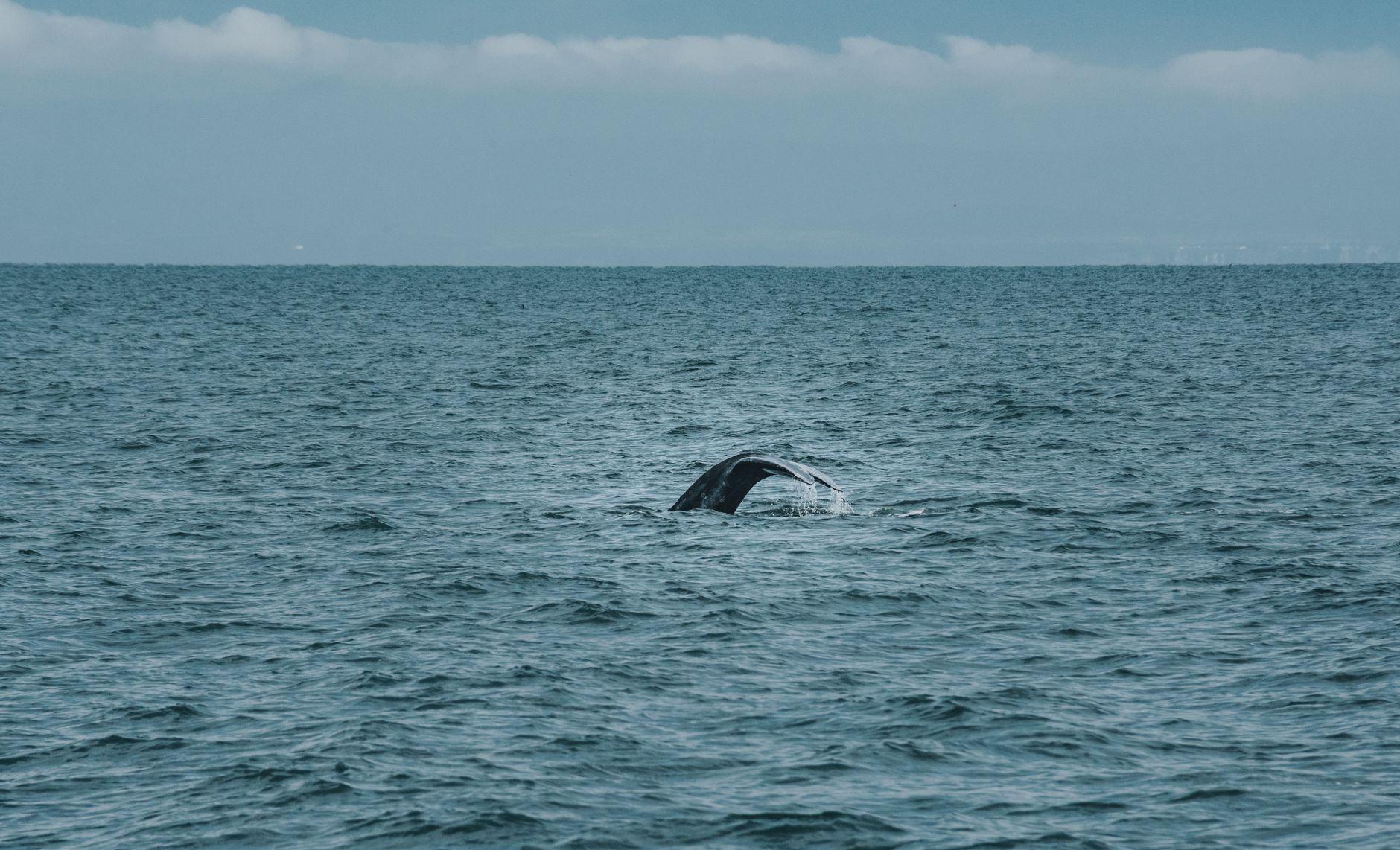
The diving process for a humpback whale is a complex series of actions. When preparing to dive, a humpback whale will typically take several deep breaths at the surface. This hyperventilation helps to saturate its blood with oxygen. As the whale descends, its body undergoes the physiological changes described above to conserve oxygen. Upon returning to the surface, it exhales, often producing a visible spout, and replenishes its oxygen stores before diving again.
Comparison with Other Marine Mammals
While humpback whales have impressive breath-holding capabilities, other marine mammals can hold their breath for even longer. For example, beaked whales can hold their breath for over two hours. However, the typical diving behavior of humpbacks, which involves relatively shallow dives for feeding and social interaction, doesn’t necessitate extremely long breath-holding times. The question “How long can a humpback whale hold its breath?” therefore relates to a complex balance between physiological capacity and behavioral needs.
Table: Breath-Holding Duration Compared to Other Marine Mammals
| Marine Mammal | Typical Breath-Holding Duration |
|---|---|
| Humpback Whale | 10-30 minutes |
| Bottlenose Dolphin | 5-10 minutes |
| Gray Whale | 15-30 minutes |
| Sperm Whale | 45-90 minutes |
| Beaked Whale | Up to 2 hours |
Conservation Implications
Understanding the breath-holding capabilities of humpback whales is essential for conservation efforts. Activities that disrupt their diving behavior, such as noise pollution from shipping or military sonar, can negatively impact their ability to feed and communicate. Furthermore, entanglement in fishing gear can prevent them from surfacing to breathe, leading to drowning. Therefore, protecting their habitat and reducing human-caused disturbances is crucial for ensuring their survival.
The Future of Humpback Whale Research
Research into the breath-holding physiology of humpback whales is ongoing. Scientists are using various techniques, including tagging and acoustic monitoring, to study their diving behavior in more detail. These studies are helping us to better understand how long can a humpback whale hold its breath under different conditions and the impact of human activities on their well-being.
Frequently Asked Questions About Humpback Whale Breath-Holding
What is bradycardia and how does it help humpback whales hold their breath?
Bradycardia is the slowing of the heart rate. When a humpback whale dives, its heart rate can decrease significantly, sometimes to just a few beats per minute. This reduces the amount of oxygen required by the heart muscle, allowing the whale to conserve oxygen for other vital organs like the brain. This is a crucial physiological adaptation that directly impacts how long can a humpback whale hold its breath.
Do humpback whales consciously control their breathing?
Yes, humpback whales are conscious breathers. Unlike humans, who have an automatic breathing reflex, whales need to consciously decide when to breathe. This means that they can choose to hold their breath for longer periods when necessary, such as during deep dives or to avoid detection by predators. This conscious control directly impacts how long a humpback whale can hold its breath.
How do humpback whales avoid decompression sickness (the bends)?
Humpback whales have several adaptations to avoid decompression sickness. Their lungs collapse during deep dives, reducing the surface area for nitrogen absorption into the blood. They also have a higher tolerance for nitrogen bubbles in their tissues. These adaptations are essential for allowing them to dive to considerable depths and to remain submerged for substantial periods which in turn impacts how long can a humpback whale hold its breath.
What is the typical dive duration for a humpback whale while feeding?
When feeding, a humpback whale’s dive duration typically ranges from 5 to 15 minutes. This allows them sufficient time to locate and capture prey. They may make multiple dives in succession, interspersed with short periods at the surface to breathe.
Are there differences in breath-holding ability between male and female humpback whales?
While there isn’t definitive research demonstrating significant differences, anecdotal evidence suggests pregnant or lactating females might have slightly reduced breath-holding capacities due to increased metabolic demands. More research is needed to confirm this.
How does the ocean’s depth influence the diving behavior of humpback whales?
Humpback whales can dive to depths of up to 500-700 feet but typically dive to shallower depths when feeding. The depth of the ocean influences their diving behavior because it determines the type of prey available and the amount of pressure they experience. Deeper dives require more energy and longer breath-holding times.
What role does myoglobin play in a humpback whale’s ability to hold its breath?
Myoglobin is a protein in muscle tissue that binds and stores oxygen. Humpback whales have a high concentration of myoglobin in their muscles, allowing them to store a significant amount of oxygen. This stored oxygen can be used during dives when they are not breathing.
How does noise pollution affect a humpback whale’s ability to hold its breath?
Noise pollution from sources such as shipping and sonar can disrupt a humpback whale’s diving behavior and increase their stress levels. This can lead to increased oxygen consumption and a reduced ability to hold their breath. Chronic exposure to noise pollution can also have long-term negative impacts on their health and survival.
What are some of the threats to humpback whales that directly affect their breathing?
Entanglement in fishing gear is a major threat to humpback whales. When entangled, they may be unable to surface to breathe, leading to drowning. Ship strikes can also cause injuries that impair their ability to breathe. Climate change affecting their prey distribution also impacts their foraging habits.
How do humpback whale calves learn to hold their breath?
Humpback whale calves learn to hold their breath by observing and imitating their mothers. They gradually increase their dive durations and depths as they grow and develop. Maternal care and guidance are crucial for their survival.
What is the purpose of a humpback whale’s spout, and what does it tell us about their breathing?
The spout is the visible plume of water vapor that humpback whales exhale when they surface. It is created by the warm, moist air from their lungs rapidly cooling and condensing in the colder air. The spout provides information about their breathing rate, lung capacity, and overall health.
Are there any studies being conducted on the effect of plastic pollution on humpback whale breathing?
While direct studies on the effect of microplastics on humpback breathing aren’t readily available, research shows that plastic ingestion can lead to inflammation and other health issues, which could indirectly impact their respiratory system and ability to hold their breath. The effects of plastic pollution on marine mammals are an area of increasing research focus.