
How Are Baby Dingoes Born? A Comprehensive Guide
How are baby dingoes born? Baby dingoes, or pups, are born after a gestation period of approximately 63 days, typically in secluded dens where the mother provides warmth and nourishment until they are ready to venture into the world. Dingo reproduction is intricately linked to social hierarchies, making the process fascinating to understand.

Dingo Breeding Background
Dingoes, Australia’s native canids, exhibit a unique reproductive biology that is significantly influenced by their social structure. Unlike domestic dogs who can breed multiple times a year, wild dingoes typically breed only once annually, aligning their reproductive cycle with the availability of resources and favorable environmental conditions. Understanding this breeding pattern is essential to appreciating how are baby dingoes born?

Is distilled water good for goldfish?
What colours are fish most attracted to?
Can you put your finger in a trout's mouth?
Is methylene blue anti bacterial?
The Mating Ritual and Hierarchy

Dingo packs are typically organized around an alpha pair – the dominant male and female – who control breeding rights. Subordinate females may experience suppressed ovulation, a phenomenon known as reproductive suppression, enforced by the alpha female.
- The alpha pair determines who breeds within the pack.
- Subordinate females often help raise the alpha pair’s pups, contributing to pack cohesion.
- Mating rituals can involve playful chasing, vocalizations, and mutual grooming.
Dingo Gestation and Den Preparation
Once the alpha female successfully mates, gestation lasts around 63 days. Prior to giving birth, the pregnant dingo diligently prepares a den. This den is typically located in a secluded and protected area, offering safety from predators and harsh weather.
- Dens are often located in hollow logs, rock crevices, or abandoned rabbit burrows.
- The mother dingo may line the den with soft materials like grass or leaves for added comfort.
- This careful den preparation is crucial for the survival of the pups in their early days.
The Birthing Process
How are baby dingoes born? The birthing process itself is similar to that of domestic dogs, with the mother dingo instinctively knowing how to care for her newborns. Litter sizes typically range from four to five pups, but can vary depending on the mother’s age and health, and environmental conditions.
Early Pup Development
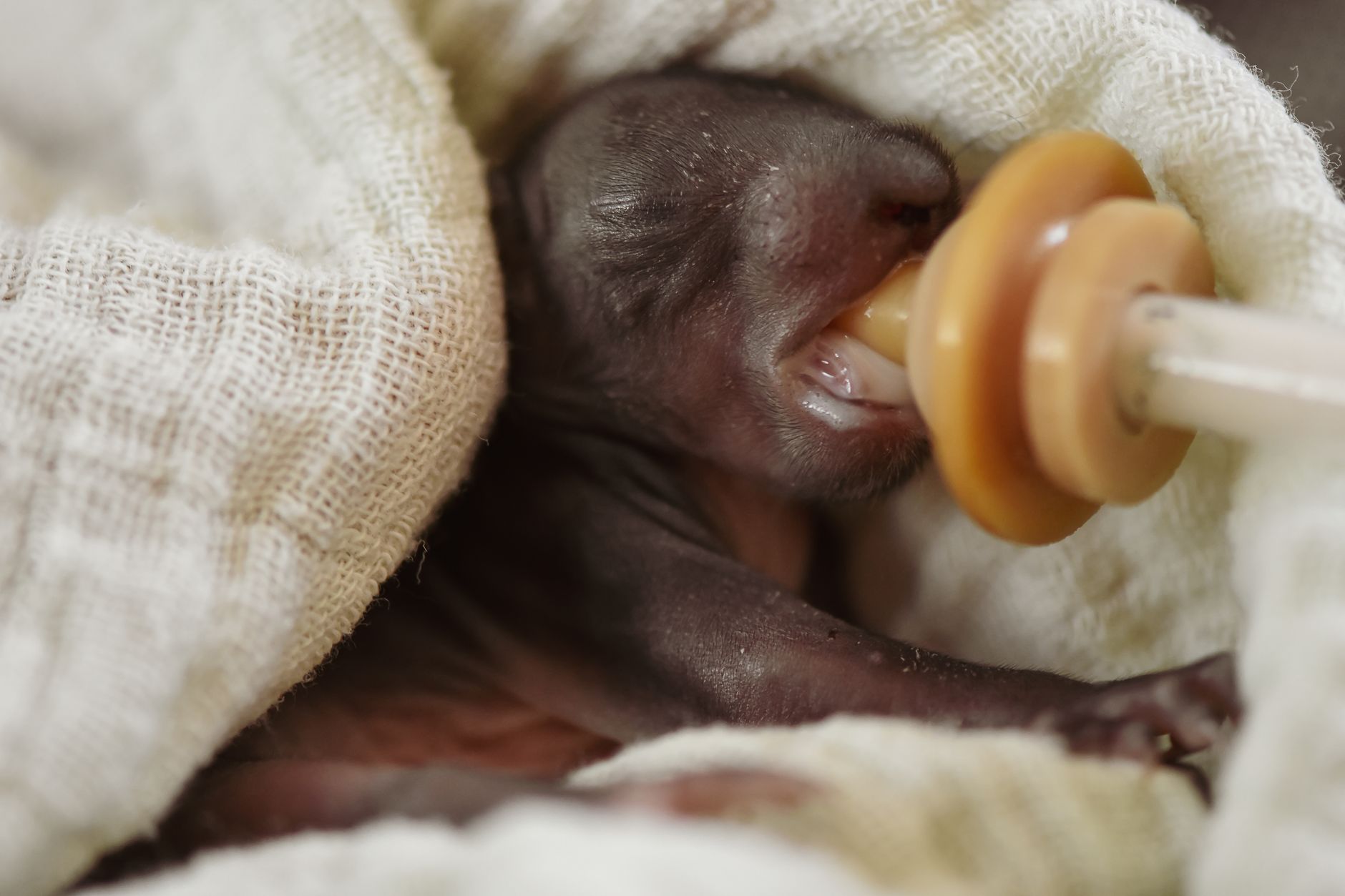
Dingo pups are born blind and deaf, completely dependent on their mother for survival. The mother dingo nurses her pups, providing them with vital nutrients and antibodies through her milk.
- Pups rely on their mother for warmth, food, and protection.
- Their eyes typically open within two weeks of birth.
- They begin to explore outside the den around 3-4 weeks of age.
Weaning and Socialization
Weaning begins around 6-8 weeks of age, with the pups gradually transitioning from milk to solid food. At this stage, other members of the pack, including the father and subordinate females, contribute to feeding and caring for the pups, regurgitating food for them. Socialization is critical during this period.
- Pups learn essential social skills through play and interaction with other pack members.
- They begin to develop their hunting skills by observing and mimicking adult dingoes.
- The pack structure and hierarchy become clearer as the pups mature.
Common Challenges to Dingo Pup Survival
Dingo pups face numerous challenges in the wild, including predation by eagles, snakes, and larger dingoes (infanticide can occur within packs due to resource scarcity). Disease and starvation also contribute to pup mortality.
- Introduced species, like foxes, can compete with dingoes for resources and prey.
- Human activities, such as habitat destruction and poisoning, pose significant threats to dingo populations.
- Hybridization with domestic dogs can dilute the dingo gene pool.
Conservation Efforts and Importance
Protecting dingo populations is crucial for maintaining the ecological balance of Australia’s ecosystems. Dingoes play a vital role as apex predators, regulating populations of kangaroos, rabbits, and other species. Understanding how are baby dingoes born? contributes to more effective conservation strategies.
- Conservation efforts include habitat protection, reducing human-wildlife conflict, and promoting responsible dog ownership to minimize hybridization.
- Research into dingo genetics and behavior is essential for informing conservation management decisions.
- Raising public awareness about the ecological importance of dingoes can help foster a greater appreciation for these unique canids.
Frequently Asked Questions
How many pups are typically in a dingo litter?
Dingo litters typically contain between four and five pups, although this number can vary depending on factors such as the mother’s age, health, and the availability of resources.
How long is a dingo pregnant?
A dingo’s gestation period, the time between conception and birth, is approximately 63 days. This is similar to the gestation period of domestic dogs.
When do dingo pups open their eyes?
Dingo pups are born blind. Their eyes typically open around two weeks after birth.
What do dingo pups eat when they are young?
Initially, dingo pups rely entirely on their mother’s milk. As they grow, they are gradually weaned onto solid food, often regurgitated by the mother and other pack members.
How often do dingoes breed?
Unlike domestic dogs, wild dingoes typically breed only once per year, aligning their reproductive cycle with favorable environmental conditions and resource availability.
Do male dingoes help raise the pups?
Yes, male dingoes, especially the alpha male, often play a significant role in raising the pups. They can help protect the den, bring food, and socialize the young.
Where do dingoes build their dens?
Dingoes build their dens in secluded and protected areas, such as hollow logs, rock crevices, or abandoned burrows. The primary goal is to keep the pups safe from predators and the elements.
What are some threats to dingo pup survival?
Dingo pups face numerous threats, including predation by eagles, snakes, and other dingoes; disease; starvation; habitat destruction; and hybridization with domestic dogs.
What role does the alpha female play in dingo reproduction?
The alpha female in a dingo pack typically has exclusive breeding rights. She often suppresses the reproduction of subordinate females within the pack.
How long do dingo pups stay with their mother?
Dingo pups stay with their mother and the pack for several months, learning essential survival skills and social behaviors before becoming more independent.
Why is it important to conserve dingoes?
Dingoes are apex predators and play a critical role in maintaining the ecological balance of Australia’s ecosystems. They help regulate populations of other animals, preventing overgrazing and other ecological imbalances.
How does hybridization with domestic dogs affect dingo populations?
Hybridization with domestic dogs can dilute the dingo gene pool and threaten the genetic integrity of pure dingo populations. This is a major concern for dingo conservation efforts. The knowledge of how are baby dingoes born? and their behaviors are essential to the continued protection of this species.