

How to Treat Sleeping Sickness in Koi: A Comprehensive Guide
Sleeping sickness in koi, also known as carp edema virus (CEV), requires a multi-faceted approach involving quarantine, supportive care, antiviral medication, and meticulous water quality management. Treatment aims to support the koi’s immune system while minimizing stress and preventing secondary infections, offering the best chance of recovery.
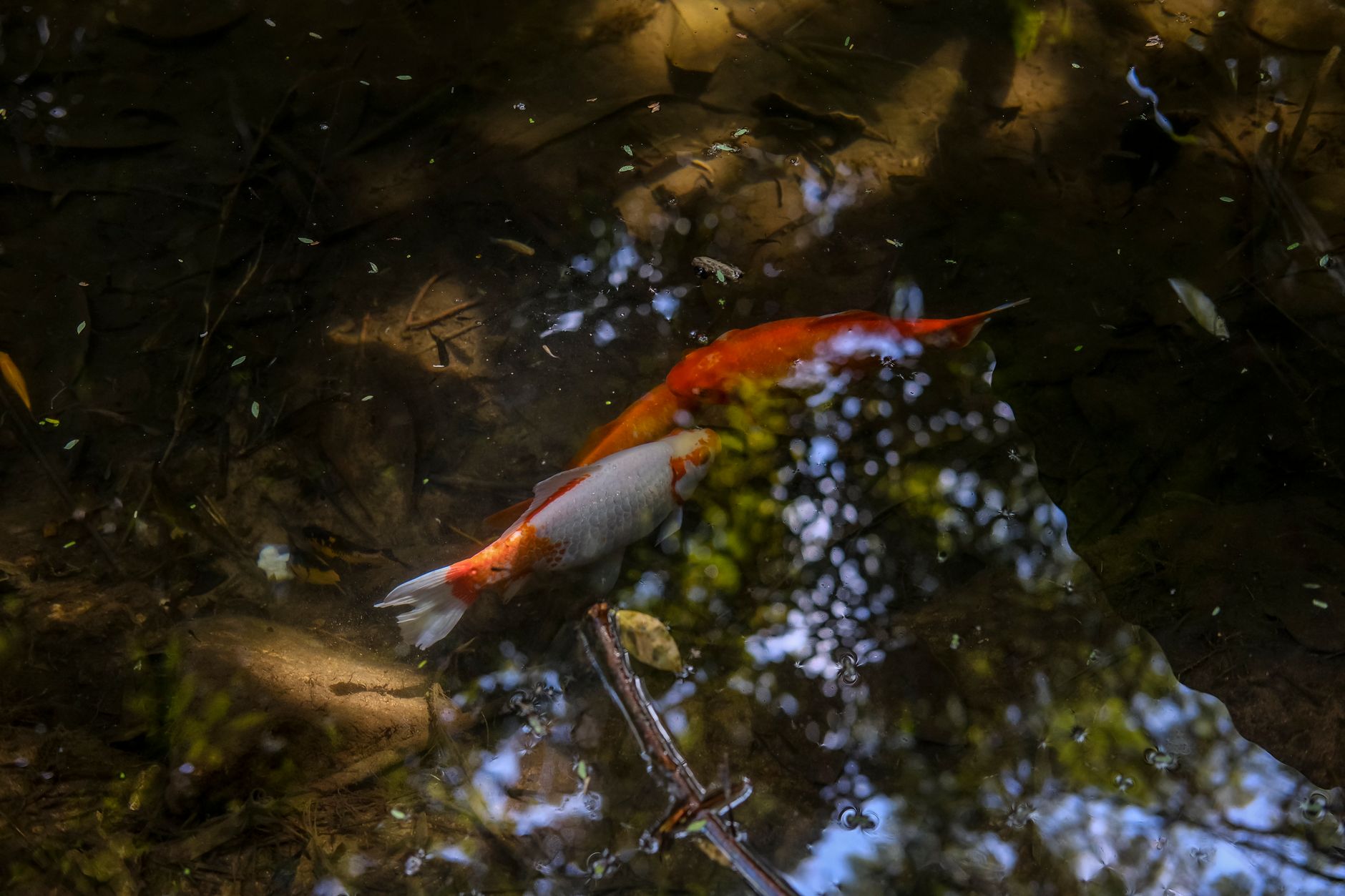
Understanding Sleeping Sickness in Koi
Koi sleeping sickness, formally known as carp edema virus disease (CEVD), is a serious viral infection affecting koi and common carp. It is characterized by a range of symptoms, including lethargy, swelling, and skin lesions, often leading to significant mortality rates if left untreated. Understanding the disease is crucial for effective intervention.

What colours are fish most attracted to?
Can you put your finger in a trout's mouth?
Is methylene blue anti bacterial?
Does aquarium salt raise pH in aquarium?
Identifying Symptoms of Sleeping Sickness

Early detection significantly increases the chances of successful treatment. Be vigilant for the following symptoms:
- Lethargy: Affected koi may appear sluggish, resting more frequently than usual and showing reduced activity levels.
- Edema: Swelling, particularly around the eyes (pop-eye) and abdomen (dropsy), is a hallmark sign.
- Skin Lesions: Raised, ulcerated areas on the skin, often accompanied by scale protrusion, are common.
- Gill Damage: Gills may appear pale, swollen, or necrotic.
- Loss of Appetite: Affected koi may refuse to eat or show a significantly decreased appetite.
- Balance Problems: Difficulty swimming, disorientation, or floating upside down can occur.
The Importance of Early Diagnosis
Prompt diagnosis is paramount. If you suspect your koi has sleeping sickness, immediately consult a qualified aquatic veterinarian. Diagnostic tests, such as PCR (polymerase chain reaction), can confirm the presence of the carp edema virus (CEV). Accurate and early diagnosis is key to implementing effective treatment strategies and preventing the spread of the disease.
Treatment Protocol: A Step-by-Step Guide
-
How do you treat sleeping sickness in koi? The treatment is multifaceted and includes supportive care and medication to help the koi overcome the CEV infection.
-
Quarantine: Immediately isolate affected koi in a separate tank to prevent further spread of the virus.
-
Water Quality Management: Maintain pristine water quality in both the quarantine tank and the main pond. This includes regular water changes, monitoring ammonia and nitrite levels, and ensuring adequate filtration.
-
Temperature Control: CEV is more prevalent in cooler water. Gradually raise the water temperature in the quarantine tank to the upper end of the koi’s tolerable range (around 75-78°F or 24-26°C), if appropriate for the time of year and if it doesn’t stress the fish further. Monitor the fish carefully for signs of distress at higher temperatures.
-
Supportive Care:
- Salt: Add salt to the quarantine tank at a concentration of 0.3% (3 ppt) to reduce osmotic stress and support gill function.
- Antibiotics: Administer antibiotics as prescribed by your veterinarian to prevent or treat secondary bacterial infections, which are common in immunocompromised fish.
- Nutritional Support: Offer high-quality, easily digestible food to encourage appetite and strengthen the koi’s immune system.
-
Antiviral Medication: While specific antiviral medications for CEV are limited, some veterinarians may prescribe antiviral agents used for other fish viruses. Discuss available options with your vet. Research into antiviral therapies for CEV is ongoing.
Preventing Secondary Infections
Koi suffering from sleeping sickness are highly susceptible to secondary bacterial, fungal, and parasitic infections due to their compromised immune systems. Preventive measures are crucial:
- Regular Water Testing: Monitor water parameters frequently and address any imbalances promptly.
- Prophylactic Treatments: Consult your veterinarian about the possibility of prophylactic antibiotic or antifungal treatments to prevent secondary infections.
- Observe for Signs of Infection: Regularly examine your koi for any signs of secondary infections, such as fin rot, ulcers, or fungal growth.
Monitoring Progress and Adjusting Treatment
Closely monitor the affected koi for signs of improvement or deterioration. Adjust the treatment plan as needed, based on your veterinarian’s recommendations and the koi’s response. Be patient, as recovery can take several weeks or even months. Consistent monitoring is crucial for optimal treatment success.
Common Mistakes in Treating Sleeping Sickness
- Delaying Treatment: Delaying diagnosis and treatment can significantly reduce the chances of recovery.
- Neglecting Water Quality: Poor water quality exacerbates the condition and hinders recovery.
- Over-Treating: Excessive use of medications can further weaken the koi.
- Ignoring Secondary Infections: Failing to address secondary infections can be fatal.
Long-Term Care and Prevention
Even after recovery, koi that have had sleeping sickness may be more susceptible to future infections. Provide ongoing supportive care, including excellent water quality, a balanced diet, and regular health checks. Quarantine all new koi before introducing them to the main pond to prevent the introduction of CEV.
The Role of Research in Fighting CEV
Research is continuously advancing our understanding of CEV and improving treatment strategies. Stay informed about the latest developments in koi health and consult with aquatic veterinarians who are up-to-date on current research. Participating in citizen science initiatives can also contribute to the collective knowledge about CEV.
Choosing the Right Aquatic Veterinarian
Selecting a knowledgeable and experienced aquatic veterinarian is essential for effectively treating sleeping sickness in koi. Look for a veterinarian who specializes in fish health and has experience with CEV. Ask about their treatment protocols, diagnostic capabilities, and success rates. A good vet will be your most valuable resource during this challenging time.
Tables Comparing Common Treatments
| Treatment | Purpose | Dosage/Application | Potential Side Effects |
|---|---|---|---|
| Salt | Reduces osmotic stress, supports gill function | 0.3% (3 ppt) | Can stress freshwater plants; monitor fish for signs of irritation. |
| Antibiotics | Prevents or treats secondary bacterial infections | As prescribed by your veterinarian | Can disrupt beneficial bacteria; follow veterinarian’s instructions carefully. |
| Temperature Increase | May slow viral replication and boost immune response | Gradually raise to 75-78°F (24-26°C) if appropriate for season and fish tolerance | Can stress fish if done too quickly; monitor carefully for signs of distress. |
Bulleted List of Essential Supplies
- Quarantine tank
- Water testing kit
- Water conditioner
- Salt
- Antibiotics (as prescribed by veterinarian)
- High-quality koi food
- Thermometer
- Air pump and air stone
Frequently Asked Questions (FAQs)
Can sleeping sickness be cured in koi?
While there is no guaranteed cure for sleeping sickness, with prompt and aggressive treatment, many koi can recover. The outcome depends on the severity of the infection, the overall health of the fish, and the effectiveness of the treatment plan. Early detection is crucial for a positive outcome.
How contagious is sleeping sickness to other fish?
Sleeping sickness is highly contagious to other koi and common carp. Immediate quarantine of affected fish is essential to prevent the spread of the virus to healthy individuals. Strict biosecurity measures, such as disinfecting nets and equipment, are also necessary.
What causes sleeping sickness in koi?
Sleeping sickness is caused by the carp edema virus (CEV). The virus replicates in the gills and skin of affected fish, leading to the characteristic symptoms of edema, skin lesions, and lethargy. Poor water quality and stress can predispose koi to infection.
How do you know if your koi has sleeping sickness?
Observe your koi closely for symptoms such as lethargy, swelling, skin lesions, and gill damage. If you suspect sleeping sickness, consult an aquatic veterinarian for a definitive diagnosis. Diagnostic tests, such as PCR, can confirm the presence of the virus.
What is the best way to prevent sleeping sickness in koi?
Prevention is key. Maintain pristine water quality, provide a balanced diet, and quarantine all new koi before introducing them to the main pond. Reduce stress levels by avoiding overcrowding and handling fish gently.
What are the long-term effects of sleeping sickness on koi?
Even after recovery, koi that have had sleeping sickness may be more susceptible to future infections. They may also experience chronic health problems, such as gill damage or kidney dysfunction. Regular health checks and ongoing supportive care are essential.
Can sleeping sickness affect other types of fish besides koi?
Sleeping sickness primarily affects koi and common carp. Other fish species are generally not susceptible to the carp edema virus (CEV).
How long does it take for a koi to recover from sleeping sickness?
Recovery time varies depending on the severity of the infection and the individual fish’s health. It can take several weeks or even months for a koi to fully recover from sleeping sickness.
What water parameters are most important to monitor when treating sleeping sickness?
Ammonia, nitrite, nitrate, pH, and temperature are the most important water parameters to monitor. Maintaining optimal water quality is crucial for supporting the koi’s immune system and preventing secondary infections.
Is there a vaccine for sleeping sickness in koi?
Currently, there is no commercially available vaccine for sleeping sickness in koi. Research into vaccine development is ongoing.
What type of antibiotics are typically used to treat secondary infections associated with sleeping sickness?
Aquatic veterinarians may prescribe a variety of antibiotics to treat secondary bacterial infections, including oxytetracycline, amoxicillin, and enrofloxacin. The choice of antibiotic will depend on the specific bacteria causing the infection and the koi’s sensitivity to the medication.
What is the role of water changes in treating sleeping sickness?
Regular water changes are essential for maintaining pristine water quality and removing harmful substances, such as ammonia and nitrite, which can stress the koi’s immune system. Perform partial water changes (20-30%) every day or every other day in the quarantine tank.