

Should I Pet My Sick Cat? The Expert’s Guide
The decision of should I pet my sick cat? isn’t always straightforward. Generally, yes, you can and often should pet your sick cat, but it’s crucial to consider the specific illness, your cat’s temperament, and the purpose of the interaction.
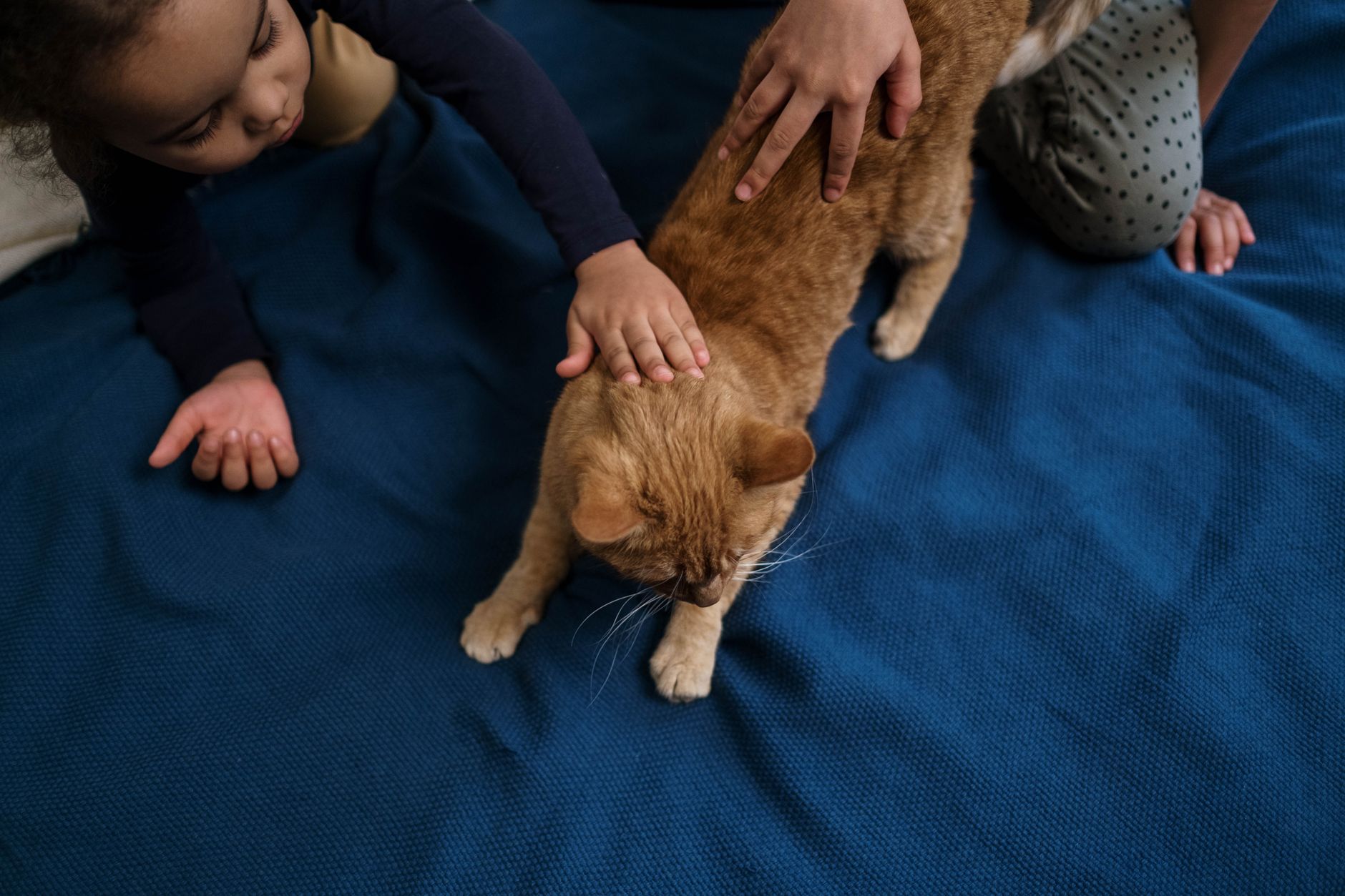
Understanding the Comfort and Risks of Affection
Providing comfort to a sick cat is a natural instinct, and petting can be a crucial element of care. However, knowing when and how to offer that comfort is essential to avoiding stress for your furry friend or exposing yourself to potential health risks. It’s important to observe your cat’s behavior and follow veterinary guidance to ensure the petting experience is beneficial for both of you.
The Benefits of Petting a Sick Cat
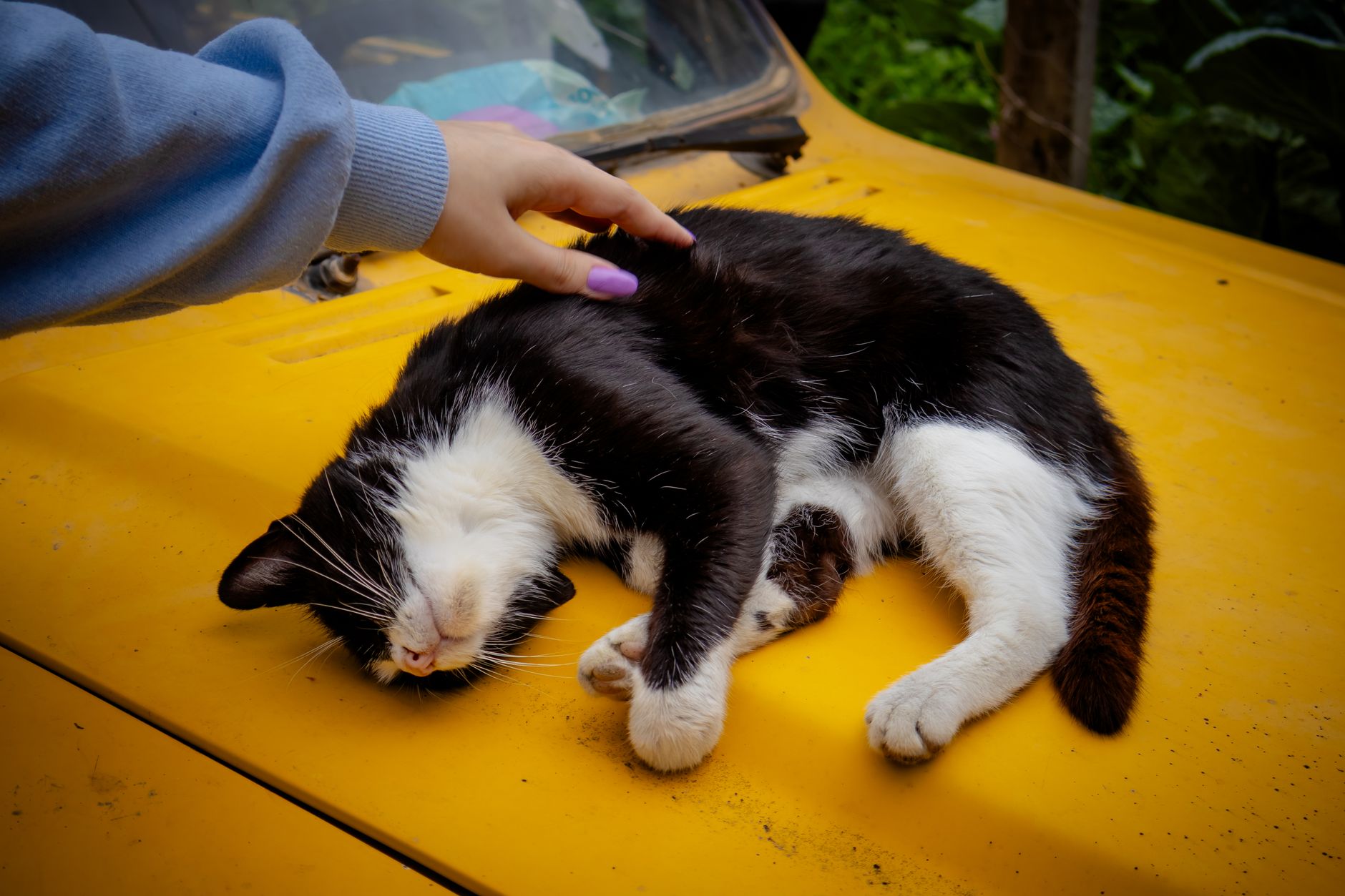
Petting a sick cat, when done appropriately, can offer numerous benefits:
- Reduced Stress: Gentle petting can lower a cat’s stress levels, promoting relaxation and potentially aiding in recovery.
- Bonding and Reassurance: Maintaining the bond with your cat through gentle touch can be incredibly reassuring, especially when they are feeling vulnerable.
- Monitoring Health: Petting provides an opportunity to physically assess your cat. You can check for lumps, bumps, areas of pain, or changes in their coat condition.
- Emotional Support (for You): Caring for a sick pet can be emotionally challenging. Petting your cat can provide comfort and reduce your own stress levels.
Assessing Your Cat’s Condition and Temperament
Before reaching out to pet your sick cat, consider the following:
- Type of Illness: Some illnesses make petting inadvisable. For example, if your cat has open wounds, petting those areas could be painful or risk infection.
- Pain Levels: If your cat is in severe pain, they may be less tolerant of touch. Observe their body language (e.g., hissing, swatting, flattened ears) for signs of discomfort.
- Changes in Behavior: Illness can alter a cat’s temperament. A usually affectionate cat might become withdrawn and irritable when sick.
- Veterinarian’s Advice: Your vet should always be your primary resource. They can provide specific guidance based on your cat’s diagnosis.
The Right Way to Pet a Sick Cat
When deciding if should I pet my sick cat? here are some helpful steps:
- Approach Slowly and Calmly: Avoid startling your cat. Speak softly and allow them to see you coming.
- Observe Body Language: Watch for signs of relaxation (e.g., purring, slow blinking, kneading) or discomfort (e.g., hissing, flattened ears, tail twitching).
- Gentle Touch: Use gentle strokes, avoiding pressure on sensitive areas. Focus on areas they typically enjoy being petted, such as the head, chin, or back.
- Limit Petting Sessions: Keep petting sessions short to avoid overwhelming your cat.
- Wash Your Hands: Always wash your hands thoroughly before and after petting a sick cat to prevent the spread of germs.
When Not to Pet Your Sick Cat
There are specific situations where you should avoid petting your sick cat:
- If Your Cat Shows Aggression: If your cat hisses, growls, or tries to bite or scratch you, do not force interaction.
- If Your Cat Has a Contagious Illness: Take precautions to avoid spreading infectious diseases. Wear gloves and wash your hands thoroughly after contact.
- If Your Cat is Extremely Weak or Unresponsive: Avoid unnecessary handling of cats who are severely weakened. Focus on providing a quiet and comfortable environment.
- Around Sensitive Areas: Avoid touching open wounds, surgical incisions, or areas that are visibly painful or inflamed.
Potential Risks for Pet Owners
Certain illnesses can be transmitted from cats to humans. This is known as zoonotic disease.
- Ringworm: A fungal infection that can cause itchy, circular rashes on the skin.
- Toxoplasmosis: A parasitic infection that can be particularly dangerous for pregnant women.
- Cat Scratch Disease: A bacterial infection spread through scratches or bites.
- Salmonellosis: A bacterial infection that can cause gastrointestinal illness.
Always practice good hygiene to minimize the risk of transmission. Consult with your doctor if you experience any symptoms after interacting with a sick cat.
Table: Scenarios and Petting Guidance
| Scenario | Recommendation |
|---|---|
| Mild Upper Respiratory Infection | Gentle petting is generally okay, but monitor for discomfort. Wash hands thoroughly. |
| Open Wound | Avoid petting the affected area. Consult your vet about appropriate wound care. |
| Pain Medication Side Effects | Observe your cat’s behavior. If they seem irritable, limit petting. |
| Recovering from Surgery | Gentle petting around unaffected areas may be okay, but avoid the incision site. Consult your vet. |
| Highly Contagious Illness | Minimize contact. Wear gloves and wash hands thoroughly if interaction is necessary. |

Frequently Asked Questions
Is it okay to cuddle with my cat if they have a cold?
It depends on the severity of the cold and your cat’s willingness to be cuddled. A mild upper respiratory infection might not preclude gentle cuddling, but always watch for signs of discomfort and maintain strict hygiene to prevent the spread of infection to yourself or other pets. Always consult your veterinarian for specific advice.
My cat has a wound. Can I still pet them?
Avoid petting directly on or near the wound. Petting the surrounding area might be acceptable if your cat seems comfortable, but be extremely gentle and avoid any pressure. Your primary concern is avoiding additional pain or infection. Always follow your veterinarian’s instructions for wound care.
My cat is on pain medication and seems drowsy. Should I still pet them?
Observe your cat’s behavior. If they seem relaxed and receptive to petting, gentle strokes might be comforting. However, if they seem irritable or withdrawn, avoid forcing interaction. Allow them to rest undisturbed.
Is it safe to kiss my cat when they are sick?
Kissing a sick cat is generally not recommended, as it increases the risk of transmitting diseases. It’s always best to err on the side of caution and avoid close contact, especially when your cat is unwell.
How can I comfort my sick cat without petting them?
You can provide comfort through:
- Speaking softly and calmly.
- Providing a comfortable and quiet resting place.
- Offering fresh food and water.
- Administering medication as prescribed by your veterinarian.
- Staying nearby and offering your presence.
My cat used to love being petted, but now they seem to dislike it when sick. Why?
Illness can make cats more sensitive and less tolerant of touch. Pain, discomfort, and general malaise can make petting unpleasant. Respect your cat’s wishes and avoid forcing interaction.
What if my cat is purring? Does that mean it’s okay to pet them?
While purring often indicates contentment, it can also be a sign of pain or stress. Consider the context and your cat’s overall body language. If they seem relaxed and comfortable, purring might indicate enjoyment. But if they seem tense or are exhibiting other signs of discomfort, the purring could be a coping mechanism.
I have young children. Is it safe for them to pet my sick cat?
Children are more susceptible to zoonotic diseases. Supervise any interaction between children and a sick cat, and ensure thorough handwashing afterward. It’s often best to limit children’s contact with a sick cat altogether.
Should I wear gloves when petting my sick cat?
Wearing gloves is advisable if your cat has a contagious illness, open wounds, or if you have a compromised immune system. Always prioritize your health and safety.
My vet said my cat’s illness is not contagious. Can I pet them normally?
Even if the illness isn’t contagious, consider your cat’s comfort. If they seem receptive to petting and show no signs of discomfort, normal petting is likely fine. However, always monitor their behavior and adjust your approach as needed.
How often should I be checking on my sick cat?
The frequency of checking on your sick cat depends on the severity of their illness. Cats with mild illnesses may only need monitoring a few times a day. Cats with more serious conditions may require more frequent checks. Always follow your veterinarian’s recommendations.
My cat is hiding more than usual. Should I leave them alone?
Allowing your cat to hide is generally a good idea. Hiding is a natural coping mechanism for cats who are feeling vulnerable. However, continue to monitor them for signs of illness, and ensure they have access to food, water, and a clean litter box. Check on them periodically, but avoid forcing them out of their hiding place unless necessary for medical care. The answer to “should I pet my sick cat?” is sometimes “no”, and that’s okay.