

How to Profit from These Fuzzy Friends: Making Money with Alpacas
Alpacas offer diverse income streams, from selling their luxurious fiber and breeding high-quality animals to agritourism and providing therapeutic services. Making money off alpacas is possible through careful planning, strategic marketing, and dedicated alpaca husbandry.
Understanding the Allure of Alpaca Farming
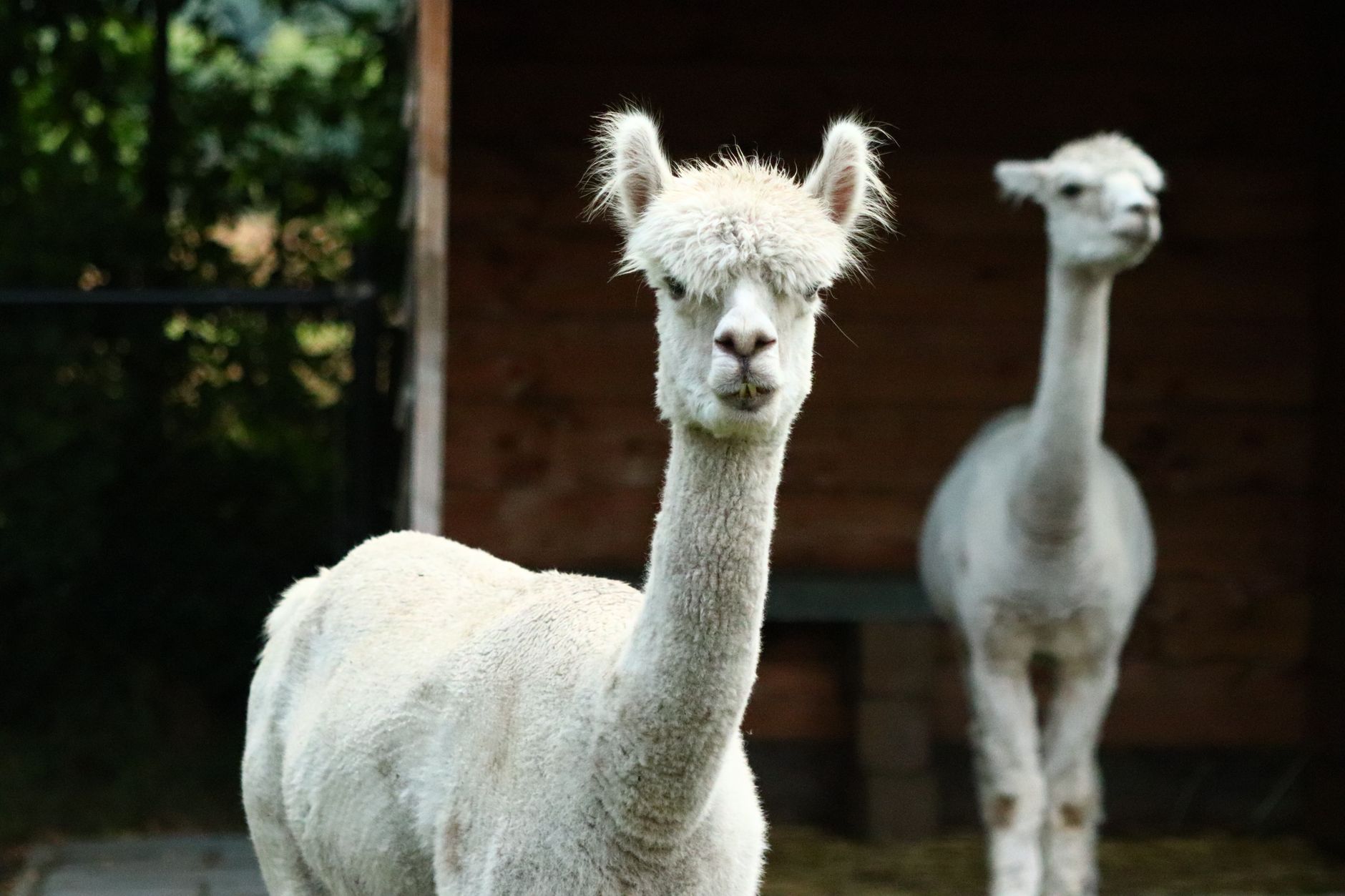
Alpaca farming is gaining popularity worldwide, attracting individuals seeking alternative agricultural pursuits and those captivated by the gentle nature and economic potential of these camelids. Originally from South America, alpacas are valued for their exceptional fleece, docile temperament, and relatively low-impact grazing habits. Beyond the romance of owning alpacas, a solid understanding of the business is crucial for success. The market is impacted by fiber quality, color trends, and genetic advancements.

What colours are fish most attracted to?
Can you put your finger in a trout's mouth?
Is methylene blue anti bacterial?
Does aquarium salt raise pH in aquarium?
The Primary Income Streams: Fiber, Breeding, and Sales

The most common ways to generate revenue with alpacas revolve around their fleece, breeding, and direct sales.
- Alpaca Fleece: The luxurious fiber is highly sought after for textiles, commanding premium prices.
- Breeding and Sales: Selling alpacas (especially those with superior genetics) to other breeders and hobby farmers can be very profitable.
- Agritourism: Offering farm tours, workshops, and alpaca encounters.
Profiting from Alpaca Fiber: A Detailed Look
Alpaca fiber is renowned for its softness, warmth, and hypoallergenic properties. Here’s how you can capitalize on it:
- Selling Raw Fleece: This is the most straightforward approach but typically yields the lowest profit margins. Prices depend on fiber quality, color, and micron count.
- Processing and Selling Yarn: Adding value by processing the fleece into yarn significantly increases profit potential.
- Creating and Selling Alpaca Products: Knitting, weaving, and felting alpaca fiber into scarves, hats, blankets, and other goods offers the highest profit margins but requires significant time and skill.
- Cooperative Marketing: Joining alpaca fiber cooperatives can provide access to larger markets and processing facilities.
Breeding and Selling Alpacas: Genetics and Marketing
Breeding alpacas for sale requires careful attention to genetics and conformation.
- Genetic Selection: Choose breeding stock with superior genetics, focusing on fiber quality, conformation, and temperament.
- Showing Alpacas: Participating in alpaca shows can increase the visibility of your animals and enhance their value.
- Marketing: Develop a strong marketing strategy, utilizing online platforms, industry publications, and word-of-mouth referrals.
- Health Management: Implement a comprehensive health management program to ensure the well-being of your herd.
Beyond Fiber and Breeding: Diversifying Your Income
Beyond the core income streams, consider these alternative options:
- Agritourism: Offer farm tours, alpaca walks, and overnight stays to attract visitors.
- Alpaca Therapy: Partner with healthcare professionals to provide alpaca-assisted therapy.
- Alpaca Manure: Sell alpaca manure as a natural fertilizer (it’s low odor and rich in nutrients).
- Stud Services: Offering stud services from superior male alpacas.
- Educational Workshops: Teach workshops on alpaca care, fiber arts, and alpaca farming.
Cost Analysis: What Does It Really Cost to Raise Alpacas?
Understanding the costs associated with alpaca farming is crucial for profitability.
| Expense Category | Description |
|---|---|
| Initial Investment | Alpaca purchase, land acquisition, fencing, shelter |
| Feed | Hay, grain, supplements |
| Veterinary Care | Vaccinations, deworming, emergency treatments |
| Shearing | Annual shearing costs |
| Breeding Fees | Stud fees or costs associated with artificial insemination |
| Marketing | Advertising, website, show entry fees |
| Processing Fees | Costs associated with processing alpaca fiber |
Common Mistakes to Avoid When Making Money off Alpacas
Avoid these pitfalls to maximize your chances of success:
- Underestimating Costs: Accurately assess all expenses before investing.
- Neglecting Genetics: Prioritize genetics to improve fiber quality and breeding stock.
- Poor Marketing: Develop a comprehensive marketing strategy to reach your target audience.
- Inadequate Health Management: Implement a proactive health management program to prevent disease.
- Lack of Knowledge: Continuously educate yourself about alpaca husbandry and the alpaca industry.
Marketing Your Alpaca Business
Successful marketing is the key to thriving in the alpaca industry. Whether you’re selling fiber, animals, or experiences, consider the following:
- Develop a Strong Brand: A memorable name and logo can go a long way.
- Use Social Media: Regularly post engaging content and interact with your audience.
- Create a Website: Your website serves as your online storefront and resource center.
- Attend Alpaca Shows: Network with other breeders and showcase your alpacas.
- Partner with Local Businesses: Collaborate with farms, shops, and tourist attractions.
Frequently Asked Questions about Making Money off Alpacas
What is the average lifespan of an alpaca and how does this affect profitability?
Alpacas typically live for 15-20 years, contributing to long-term profitability if well-managed. A longer lifespan means more fleeces, more offspring (if breeding), and more years of potential agritourism income. However, it’s essential to consider that older alpacas may experience health issues, potentially increasing veterinary costs.
How much land do I need to raise alpacas?
Generally, you’ll need 1-5 acres per 4 alpacas. Land requirements depend on pasture quality, climate, and grazing management. It’s crucial to provide adequate space for grazing, exercise, and separation of alpacas if needed.
What are the main health concerns for alpacas, and how can I prevent them?
Common health concerns include parasites, pneumonia, and heat stress. Prevention involves regular fecal exams, vaccinations, proper nutrition, and adequate shade and ventilation. Partnering with an experienced alpaca veterinarian is crucial.
How much does an alpaca cost to purchase?
Alpaca prices vary greatly, ranging from $3,000 to $50,000 or more, depending on genetics, conformation, fiber quality, and breeding potential. Investment-quality animals command the highest prices, while pet-quality alpacas are more affordable.
How much fleece does an alpaca produce per year?
On average, an alpaca produces 3-10 pounds of fleece per year. This depends on the alpaca’s age, genetics, and health. Superior genetics and good nutrition can increase fleece yield.
How often do alpacas need to be sheared?
Alpacas need to be sheared annually, typically in the spring. Shearing removes the fleece, preventing overheating and discomfort for the alpaca. Professional shearing is recommended to ensure proper technique and minimize stress on the animal.
Is it possible to raise alpacas in cold climates?
Yes, alpacas are remarkably adaptable and can thrive in cold climates with proper shelter and management. Providing adequate shelter from wind and snow, as well as a high-energy diet, is essential.
What are the key differences between huacaya and suri alpacas?
The main difference lies in their fleece characteristics. Huacaya alpacas have a crimped, fluffy fleece, while Suri alpacas have a silky, pencil-like fleece. Suri fiber is typically more valuable and sought after.
How long does it take for an alpaca to reach breeding age?
Female alpacas typically reach breeding age at 18-24 months. Male alpacas are usually ready for breeding at 2-3 years. Proper nutrition and health management are crucial for successful breeding.
What is the gestation period for alpacas?
The gestation period for alpacas is approximately 11.5 months. Alpaca pregnancies are typically single births, although twins can occur rarely.
What are some effective marketing strategies for selling alpaca products online?
Effective strategies include utilizing e-commerce platforms, social media marketing, search engine optimization, and email marketing. High-quality product photos, compelling descriptions, and customer testimonials are essential.
How do I find a reputable alpaca breeder to purchase animals from?
Research breeders online, attend alpaca shows and events, and visit alpaca farms. Look for breeders with a strong reputation, a commitment to genetic improvement, and a willingness to provide ongoing support.