
Does Removing Your Gallbladder Affect Your Kidneys?
While generally no direct link exists, the removal of your gallbladder (cholecystectomy) can, in some instances, indirectly affect kidney function, especially if leading to persistent digestive issues and dehydration. Therefore, the answer to “Does removing your gallbladder affect your kidneys?” is complex, and requires careful consideration of the factors that can lead to problems.
Understanding the Gallbladder and Its Removal
The gallbladder is a small, pear-shaped organ located under the liver. It stores bile, a digestive fluid produced by the liver that helps break down fats. When you eat, the gallbladder releases bile into the small intestine. When someone asks, “Does removing your gallbladder affect your kidneys?,” they often worry about a direct connection, but the connection is indirect.
- Reasons for Gallbladder Removal (Cholecystectomy): Gallbladder removal is usually performed when gallstones cause pain, inflammation (cholecystitis), or block the bile ducts.
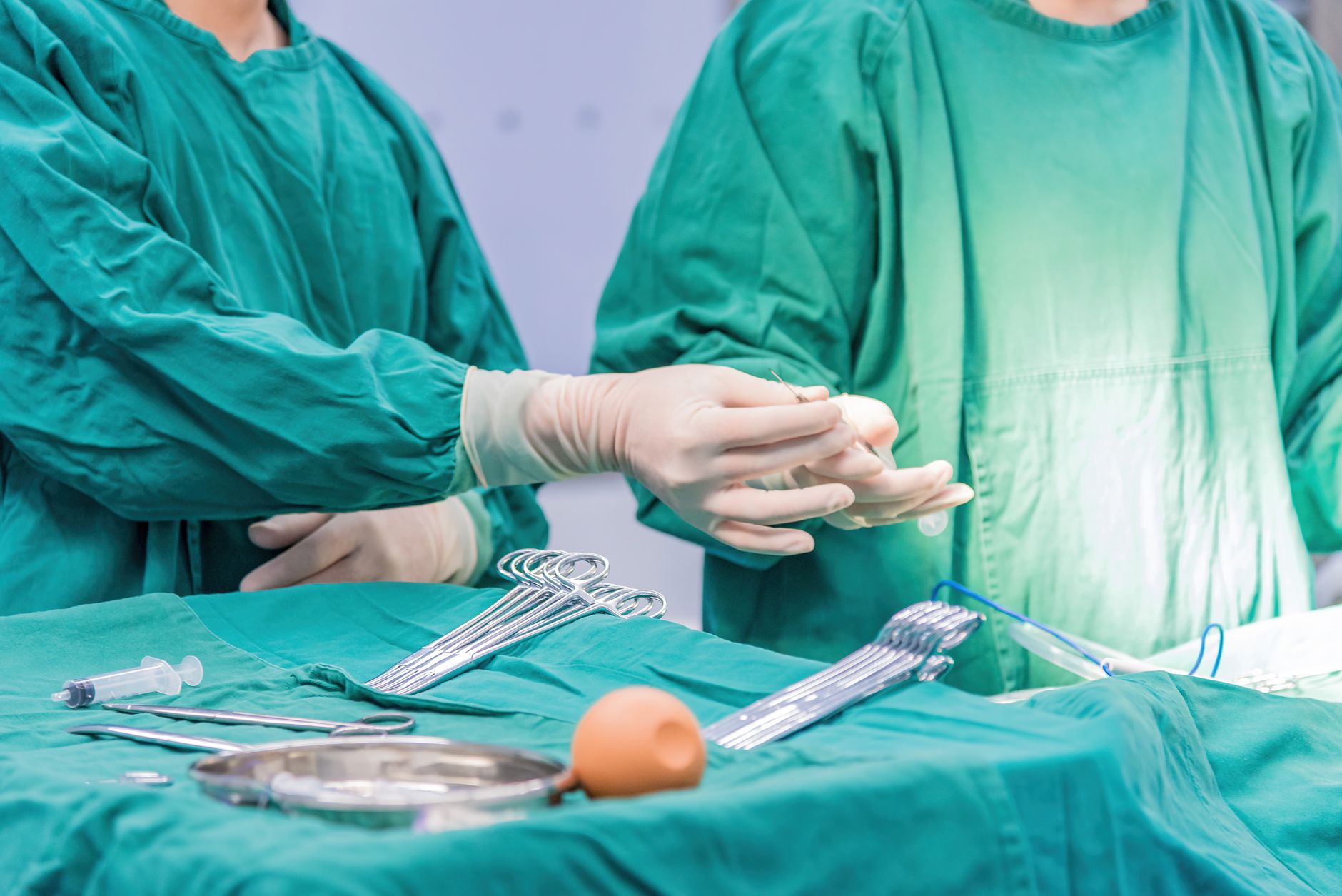
- Surgical Options: Cholecystectomy can be performed laparoscopically (minimally invasive) or through open surgery. Laparoscopic surgery is more common due to its shorter recovery time.
- Life After Gallbladder Removal: Most people live normal, healthy lives after gallbladder removal. The liver continues to produce bile, but it flows directly into the small intestine instead of being stored in the gallbladder.
The Kidney’s Role in the Body

The kidneys are vital organs responsible for filtering waste products and excess fluid from the blood, which are then excreted as urine. They also help regulate blood pressure, electrolyte balance, and the production of red blood cells. Kidney function is crucial for overall health. The question of “Does removing your gallbladder affect your kidneys?” often arises due to the interdependency of body systems.
-
Kidney Functions:
- Filtering waste products.
- Regulating blood pressure.
- Maintaining electrolyte balance.
- Producing hormones.
-
Factors Affecting Kidney Health: Dehydration, high blood pressure, diabetes, and certain medications can negatively impact kidney function.
Potential Indirect Links: How Gallbladder Removal Could Impact Kidneys
While a direct cause-and-effect relationship between gallbladder removal and kidney damage is rare, some indirect connections are possible. Here’s how removing your gallbladder could potentially affect your kidneys:
- Dehydration: After gallbladder removal, some individuals experience bile acid diarrhea. This condition can lead to dehydration if not properly managed, which can put stress on the kidneys.
- Medications: Certain medications prescribed after surgery, such as pain relievers, can have side effects that impact kidney function if used long-term or in high doses.
- Dietary Changes: Post-surgery dietary changes may lead to imbalances that, in turn, may affect kidney health. For example, consuming excessive protein without adequate hydration could burden the kidneys.
- Chronic Diarrhea: Persistent diarrhea from bile malabsorption can lead to electrolyte imbalances, contributing to kidney problems in susceptible individuals.
- NSAID Use: Over-the-counter nonsteroidal anti-inflammatory drugs (NSAIDs) taken to manage pain after surgery can be harmful to the kidneys, especially with chronic use.
Preventing Kidney Issues After Gallbladder Removal
To mitigate potential kidney-related risks after gallbladder removal, consider the following:
- Stay Hydrated: Drink plenty of water throughout the day, especially if experiencing diarrhea.
- Manage Diarrhea: Follow your doctor’s recommendations for managing bile acid diarrhea, which may include medications like bile acid sequestrants.
- Follow Dietary Guidelines: Adhere to the post-operative dietary guidelines provided by your healthcare provider.
- Monitor Medication Use: Discuss pain management strategies with your doctor to minimize the use of NSAIDs or other kidney-toxic medications.
- Regular Check-ups: Attend regular check-ups with your doctor to monitor kidney function and overall health.
Dietary Considerations After Gallbladder Removal
Modifying your diet after gallbladder surgery is crucial. Since the gallbladder no longer stores bile, your body might have difficulty processing large amounts of fat at once. This affects the overall digestive process, which leads to the question: “Does removing your gallbladder affect your kidneys?“
-
Foods to Limit:
- High-fat foods (fried foods, fatty meats, processed snacks)
- Dairy products with high-fat content
- Spicy foods
-
Foods to Emphasize:
- Lean proteins (fish, chicken, beans)
- Fruits and vegetables
- Whole grains
-
Eating Strategies:
- Eat smaller, more frequent meals.
- Cook foods by baking, grilling, or steaming rather than frying.
- Introduce new foods gradually to assess tolerance.
Potential Complications
While gallbladder removal is generally safe, potential complications can arise:
| Complication | Description |
|---|---|
| Bile Leak | Bile leaks into the abdomen, causing pain and potential infection. |
| Infection | Infection at the incision site or within the abdomen. |
| Bleeding | Excessive bleeding during or after surgery. |
| Bile Duct Injury | Damage to the bile ducts, requiring further surgery to repair. |
| Postcholecystectomy Syndrome | Ongoing abdominal pain, indigestion, or diarrhea after gallbladder removal. |
Frequently Asked Questions (FAQs)
Does removing the gallbladder cause kidney stones?
There is no direct link between gallbladder removal and kidney stone formation. However, dehydration, a potential consequence of post-cholecystectomy diarrhea, can increase the risk of kidney stones in susceptible individuals. Maintaining proper hydration is crucial.
Is it normal to have digestive issues after gallbladder removal?
Yes, it’s common to experience digestive issues like bloating, gas, and diarrhea after gallbladder removal. This is because the bile flows directly into the small intestine instead of being stored, which can affect fat digestion. These symptoms usually improve over time.
Can gallbladder removal affect blood pressure, which in turn affects the kidneys?
While gallbladder removal doesn’t directly affect blood pressure, pain and stress associated with surgery can temporarily elevate blood pressure. Prolonged, uncontrolled high blood pressure is harmful to the kidneys. Effective pain management is important.
What are the long-term effects of not having a gallbladder?
Most people adapt well to life without a gallbladder. Some may experience persistent digestive issues, known as postcholecystectomy syndrome. Dietary modifications and medications can help manage these symptoms. Monitoring your health with a physician is key.
How can I improve my digestion after gallbladder removal?
To improve digestion, focus on eating smaller, more frequent meals, limiting high-fat foods, and increasing your fiber intake. Probiotic supplements may also help. Also, make sure to stay adequately hydrated to assist the kidneys. Dietary changes are the cornerstone of effective digestion after gallbladder removal.
Are there any specific tests to check kidney function after gallbladder surgery?
Routine blood tests, such as creatinine and blood urea nitrogen (BUN) levels, can assess kidney function. A urine analysis can also provide valuable information. Speak with your doctor regarding which tests are best for your situation. These tests are easily administered by most doctors.
Can taking bile acid sequestrants after gallbladder removal affect the kidneys?
While generally safe, bile acid sequestrants can sometimes cause constipation, which, if severe, may indirectly affect kidney function. Proper hydration and fiber intake are essential when taking these medications. It’s crucial to talk to your doctor to ensure they are the right fit for you.
What dietary supplements should I avoid after gallbladder removal to protect my kidneys?
Avoid high doses of protein supplements without adequate hydration, as this can strain the kidneys. Also, be cautious with herbal supplements, as some may have kidney-toxic effects. Always consult with your healthcare provider before taking any new supplements. Awareness of ingredients is vital.
How long does it take for digestion to normalize after gallbladder removal?
Digestion usually improves within a few weeks to a few months after surgery. However, some individuals may experience persistent digestive issues that require ongoing management. Patience and adherence to dietary recommendations are essential. The process requires adjustment.
When should I see a doctor for kidney-related symptoms after gallbladder removal?
See a doctor if you experience symptoms such as decreased urination, swelling in your legs or ankles, fatigue, nausea, or unexplained back pain. These could be signs of kidney problems. Early detection is key.
Does chronic diarrhea after gallbladder removal increase the risk of kidney failure?
Uncontrolled chronic diarrhea can lead to dehydration and electrolyte imbalances, which can increase the risk of kidney problems, including kidney failure, especially in individuals with pre-existing kidney conditions. Effective management is necessary.
Are there alternative treatments to gallbladder removal that might be safer for the kidneys?
In some cases, medication to dissolve gallstones or shock wave lithotripsy may be considered as alternatives to surgery. However, these options are not suitable for everyone. The question of “Does removing your gallbladder affect your kidneys?” should be carefully considered against all of the options available for your specific situation. Discuss the pros and cons with your doctor to determine the best approach for you.