
What Bird Makes a Messy Nest?
Many birds construct meticulously crafted nests, but some, particularly the American Robin, are known for building structures that appear rather disheveled and messy, prioritizing functionality over pristine aesthetics. This isn’t necessarily a sign of incompetence; it’s often a reflection of readily available materials and nest-building strategies focused on stability and protection.

Understanding Nesting Strategies
The world of bird nests is incredibly diverse. Different species employ different techniques and materials depending on their environment, size, and the specific needs of their offspring. A “messy” nest, therefore, isn’t always a negative characteristic. It often reflects a specific set of adaptations. What bird makes a messy nest? is not always about incompetence, but often about practicality.
- Cup Nests: These are the most common type, typically built by songbirds. Robins, for instance, construct a cup-shaped nest using mud, twigs, grass, and feathers. The ‘messiness’ often arises from the way these materials are interwoven.
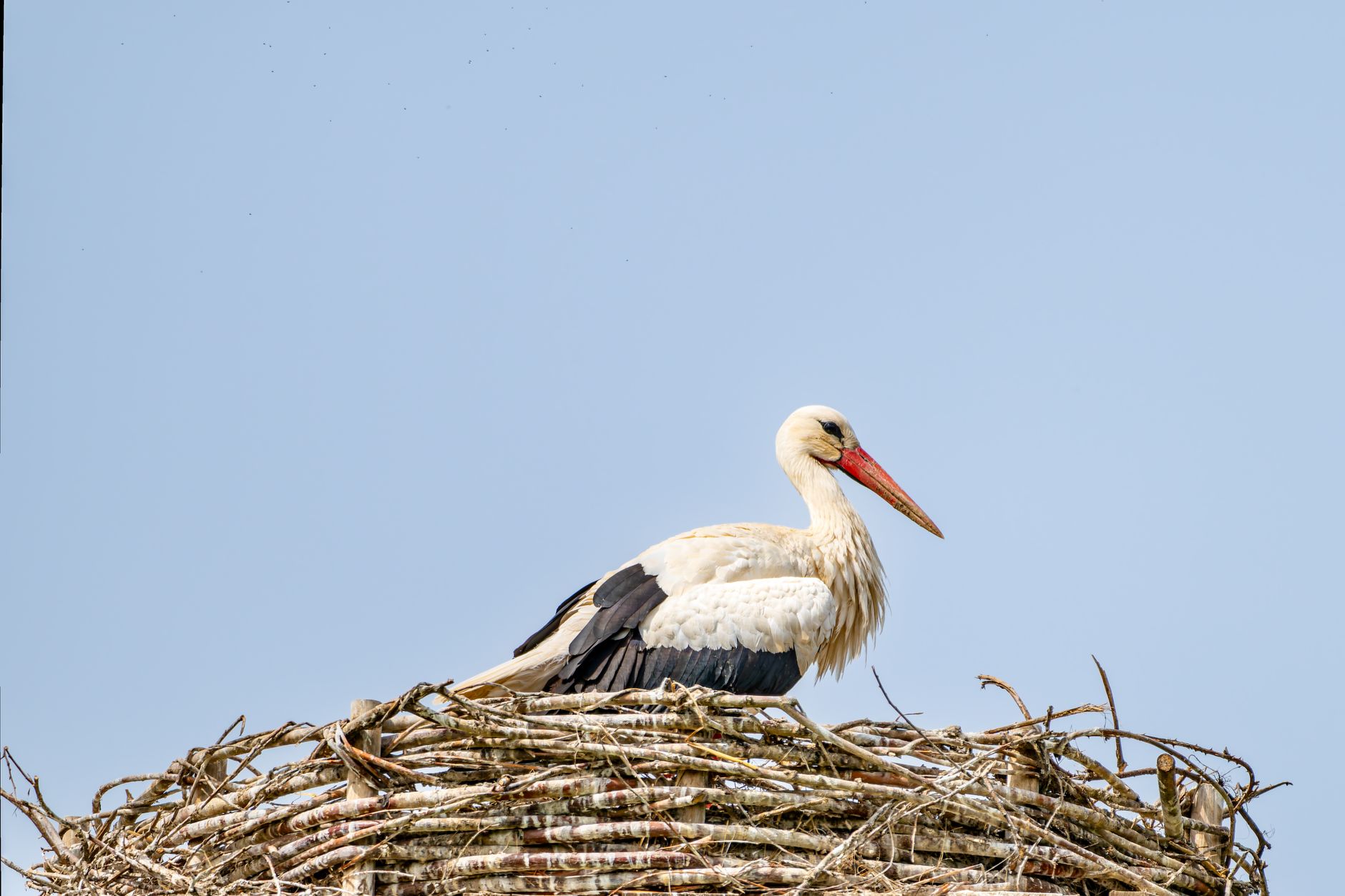
- Platform Nests: Larger birds like eagles and herons construct platform nests, which can be massive and appear somewhat chaotic due to their size and the sheer volume of materials used.
- Cavity Nests: Woodpeckers and some other species nest in holes in trees, so their “nest” is essentially a prepared space rather than a constructed structure.
- Hanging Nests: Orioles and other species weave intricate hanging nests from plant fibers and other materials. These nests are usually more structurally sound and less likely to be considered “messy.”
The American Robin: Master of the Muddy Mess

While several bird species build nests that could be described as less than perfectly tidy, the American Robin ( Turdus migratorius) stands out as a prime example. Their nests are often characterized by a thick layer of mud reinforced with twigs, grass, and other available debris. This method provides a strong and stable foundation but results in a nest that many would consider visually messy.
- Mud as a Binding Agent: The key ingredient in a Robin’s nest is mud. It acts as a mortar, binding the other materials together and creating a solid base.
- Layered Construction: Robins build their nests in layers. First, they create a rough outer structure of twigs and grass. Then, they apply a thick layer of mud. Finally, they line the nest with soft materials like feathers and fine grasses to create a comfortable and insulating space for their eggs and chicks.
- Adaptability: Robins are highly adaptable and will use whatever materials are readily available in their environment. This can lead to variations in nest appearance, with some nests appearing messier than others.
Functionality Over Form: Why “Messy” Works
The seemingly haphazard construction of a robin’s nest isn’t due to a lack of skill; it’s a strategic adaptation. The robust, mud-reinforced structure is incredibly sturdy and provides excellent protection for the eggs and chicks inside.
- Structural Integrity: The mud layer acts as a natural cement, holding the nest together and preventing it from falling apart.
- Insulation: The mud also provides excellent insulation, helping to regulate the temperature inside the nest and protect the eggs and chicks from extreme weather conditions.
- Camouflage: The rough, irregular surface of the nest can help it blend in with its surroundings, providing camouflage against predators.
Other Birds with Notable Nesting Habits
While the American Robin exemplifies the “messy nest” builder, several other species deserve mention:
- House Sparrows: These adaptable birds are notorious for using almost any available material to build their nests, often resulting in a haphazard collection of feathers, string, paper, and even trash.
- Pigeons: Pigeons are not known for their architectural prowess. Their nests are typically simple platforms of twigs and debris, often lacking any real structure or stability.
- Ravens: While intelligent, ravens’ nests are large and often untidy accumulations of sticks and other materials, reflecting their opportunistic nesting habits.
| Bird Species | Nesting Style | Materials Used | Appearance |
|---|---|---|---|
| :—————— | :———————– | :————————————————— | :———————— |
| American Robin | Cup Nest | Mud, twigs, grass, feathers | Sturdy, muddy, rough |
| House Sparrow | Cavity/Cup Nest | Feathers, string, paper, trash | Haphazard, untidy |
| Pigeon | Platform Nest | Twigs, debris | Simple, unstable |
| Raven | Platform Nest | Sticks, mud, moss, other available materials | Large, untidy, robust |

FAQs: Unveiling Nesting Mysteries
What bird makes a messy nest? can be a complex question, so let’s delve into some of the most frequently asked questions.
Why do some birds build messy nests while others build neat ones?
The style of nest construction is largely determined by the bird species’ evolutionary history, habitat, and specific needs. Birds that require greater insulation or structural support might prioritize functionality over aesthetics, leading to a “messier” appearance.
Does a messy nest mean the bird is a bad parent?
Absolutely not! The appearance of a nest has no bearing on the quality of parental care. A “messy” nest can still provide excellent protection and insulation for eggs and chicks.
Are there benefits to having a messy nest?
Yes! A rough or uneven surface can provide better camouflage, helping the nest blend in with its surroundings and deter predators. The use of readily available materials also reduces the energy expenditure required for nest building.
Do birds ever improve their nest-building skills over time?
While some learning may occur, nest-building behavior is largely instinctual. However, younger birds might take more time and make more mistakes as they hone their innate skills.
What can I do if I find a bird’s nest in my yard?
The best course of action is to leave it alone. Observe from a distance and avoid disturbing the nest or the surrounding area. Interfering with a nest can stress the birds and potentially lead them to abandon it.
Is it okay to remove a bird’s nest after the birds have left?
Yes, once the birds have completely left the nest, you can safely remove it. Be sure to check that it is truly abandoned before doing so.
Do all birds build nests?
Not all birds build conventional nests. Some species, like the cowbird, are brood parasites, meaning they lay their eggs in the nests of other birds.
What is the most common material used in bird nests?
The most common materials vary depending on the location and species but generally include twigs, grass, mud, and leaves.
How long does it take a bird to build a nest?
The time it takes to build a nest varies greatly depending on the species and the complexity of the nest. Some birds can build a simple nest in a few days, while others may take several weeks.
Are there birds that reuse nests?
Yes, some birds, particularly larger species like eagles and owls, will reuse their nests year after year, adding new materials as needed.
Can I provide materials for birds to use in their nests?
Yes, providing natural materials like dry grass, twigs, and feathers can be helpful for birds, especially during the nesting season. Avoid providing string or yarn, as these can entangle birds.
What is the purpose of birds lining their nests with soft materials?
The soft lining of a nest provides insulation, cushioning, and a comfortable environment for the eggs and chicks. It also helps to keep the eggs warm and protected from damage.