

How Do You Know If a Fish Is Dying?
Knowing if a fish is dying is crucial for aquarium care. Recognizing early warning signs, such as abnormal behavior and physical symptoms, is vital to providing timely intervention and potentially saving your fish.

Introduction: Understanding the Delicate Balance
Aquariums are microcosms, carefully balanced environments where fish thrive. However, maintaining this balance is challenging, and various factors can lead to a decline in a fish’s health, ultimately leading to its death. Early detection of distress is paramount for a responsible fish owner. Understanding the subtle (and sometimes not-so-subtle) signs of a dying fish can give you the opportunity to address the underlying issue, whether it’s water quality, disease, or stress, and potentially save your aquatic friend. This article will equip you with the knowledge to recognize these signs and act accordingly.

Are fish heads good for the garden?
Can fish hear water?
What is cotton rot in fish?
What colours are fish most attracted to?
Behavioral Signs: Unveiling the Hidden Distress
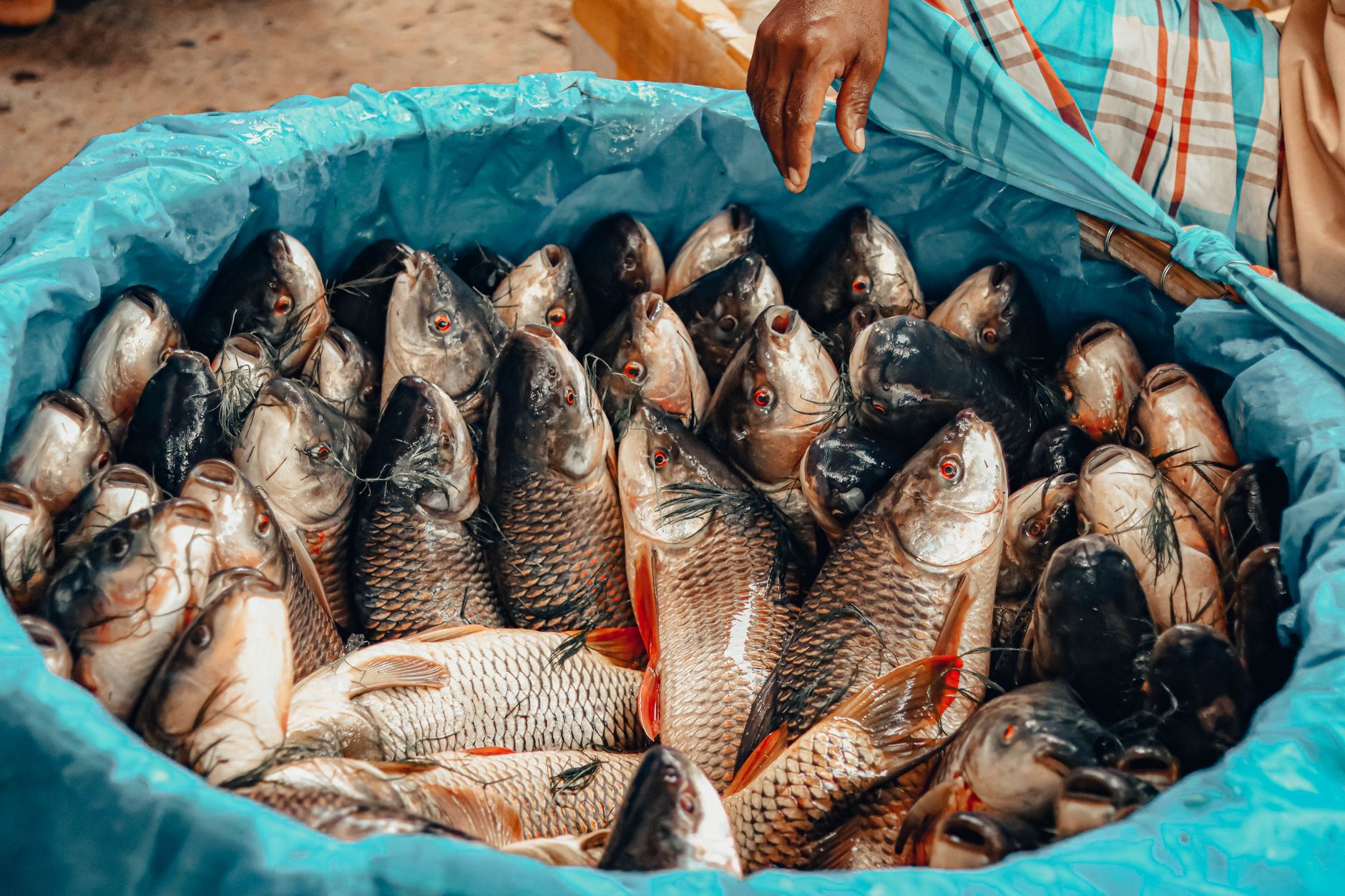
A fish’s behavior often provides the first clues that something is amiss. A healthy fish is typically active, alert, and displays its species-specific behaviors. Deviations from this norm should raise a red flag.
- Lethargy: A normally active fish becoming sluggish and spending most of its time hiding or resting on the bottom of the tank is a major warning sign.
- Erratic Swimming: Swimming in circles, darting around uncontrollably, or struggling to maintain balance indicate neurological problems, disease, or poor water quality.
- Loss of Appetite: Refusing food for an extended period is a clear indicator of illness or stress. Healthy fish are usually enthusiastic eaters.
- Isolation: A social fish isolating itself from its school or tankmates suggests illness or discomfort.
- Gasping at the Surface: This indicates a lack of oxygen in the water, often due to poor water quality or inadequate aeration.
Physical Signs: Observing Visible Indicators
In addition to behavioral changes, physical symptoms can also signal that a fish is dying. Careful observation is key.
- Clamped Fins: Fins held tightly against the body are a sign of stress or illness.
- Bulging Eyes (Popeye): This is usually a symptom of bacterial infection or poor water quality.
- Bloated Body (Dropsy): A swollen abdomen with scales sticking out like a pinecone is a sign of organ failure, often caused by bacterial infection.
- Ulcers or Sores: Open wounds on the body can indicate bacterial or fungal infections.
- Fuzzy Growths: Cotton-like growths are indicative of fungal infections.
- Color Loss: Fading or discoloration can be a sign of stress, disease, or poor water quality.
- Rapid Gill Movement: Rapid or labored breathing indicates respiratory distress, often due to poor water quality or gill parasites.
Water Quality: The Foundation of Fish Health
Water quality is the single most important factor in maintaining fish health. Poor water quality is a common cause of fish illness and death. Regularly test your water and maintain proper parameters for your specific species.
- Ammonia: High ammonia levels are toxic to fish. Aim for 0 ppm.
- Nitrite: Nitrite is also toxic. Aim for 0 ppm.
- Nitrate: Nitrate is less toxic than ammonia and nitrite but should be kept below 40 ppm.
- pH: Maintain the appropriate pH level for your fish species.
| Parameter | Ideal Range | Potential Problems with High Levels |
|---|---|---|
| :——— | :—————— | :————————————- |
| Ammonia | 0 ppm | Burns gills, damages organs, death |
| Nitrite | 0 ppm | Interferes with oxygen transport, death |
| Nitrate | < 40 ppm | Stress, algae blooms, weakened immune system |
| pH | Species-Specific | Stress, chemical burns, death |
Common Mistakes: Avoiding Preventable Deaths
Many fish deaths are preventable with proper care and attention. Avoid these common mistakes:
- Overfeeding: Overfeeding leads to poor water quality and obesity.
- Overcrowding: Overcrowding stresses fish and makes them more susceptible to disease.
- Inadequate Filtration: Insufficient filtration allows toxins to build up in the water.
- Neglecting Water Changes: Regular water changes are essential for maintaining water quality.
- Introducing Diseased Fish: Quarantine new fish before introducing them to your main tank to prevent the spread of disease.
What to Do: Taking Action When a Fish Is Dying
If you suspect a fish is dying, take immediate action:
- Test the Water: Check for ammonia, nitrite, nitrate, and pH imbalances.
- Perform a Water Change: A partial water change (25-50%) can help improve water quality.
- Quarantine the Fish: Move the sick fish to a separate quarantine tank to prevent the spread of disease.
- Observe Closely: Monitor the fish for any other symptoms.
- Research and Treat: Research potential causes based on the observed symptoms and treat accordingly with appropriate medication. Consult a veterinarian specializing in aquatic animals if necessary.
- Improve Aeration: Increase oxygen levels in the water using an air stone or by adjusting the filter output.
Frequently Asked Questions (FAQs)
Can a fish recover from looking like it’s dying?
Yes, a fish can often recover if the underlying cause of its distress is identified and addressed promptly. Factors like poor water quality, early stages of disease, or temporary stress are often reversible with appropriate intervention, such as water changes, medication, or adjustments to the tank environment.
How do you humanely euthanize a dying fish?
If a fish is suffering and has no chance of recovery, humane euthanasia is the kindest option. One common method is clove oil euthanasia. Add a small amount of clove oil to a container of aquarium water, then add the fish. The fish will gradually become sedated and then pass away peacefully.
What are the signs of old age in fish?
Signs of old age vary by species, but commonly include decreased activity levels, faded coloration, reduced appetite, and physical deformities like a curved spine. Their immune system may also be weaker, making them more susceptible to diseases.
How often should I be testing my aquarium water?
You should test your aquarium water at least once a week, especially in new tanks. More frequent testing may be needed if you are experiencing water quality issues or have a heavily stocked tank.
What is the ideal temperature for most aquarium fish?
The ideal temperature depends on the species, but most tropical aquarium fish thrive in a temperature range of 76-82°F (24-28°C). Research the specific temperature requirements for your fish species.
How do I prevent my fish from getting sick?
Prevention is key. Maintain good water quality, provide a balanced diet, avoid overcrowding, quarantine new fish, and observe your fish regularly for any signs of illness.
Is it normal for fish to sleep?
Yes, fish do sleep, although their sleep patterns may differ from those of mammals. They typically become less active and may rest on the bottom of the tank or hide among plants or decorations.
Why is my fish swimming upside down?
Swimming upside down is often a sign of swim bladder disorder, which can be caused by overeating, constipation, or bacterial infection. Poor water quality can also contribute to this condition.
What are the most common fish diseases?
Common fish diseases include ich (white spot disease), fin rot, popeye, dropsy, and fungal infections. Early detection and treatment are crucial for a successful recovery.
How do I treat ich in my aquarium?
Ich can be treated with medications containing malachite green or copper sulfate. Increase the water temperature slightly and perform frequent water changes.
Can stress kill fish?
Yes, stress can significantly weaken a fish’s immune system, making it more susceptible to diseases and ultimately leading to death. Minimize stress by providing a stable environment, avoiding overcrowding, and maintaining good water quality.
What should I do with a dead fish?
Remove the dead fish from the tank immediately to prevent decomposition and the release of harmful toxins. Dispose of the body properly, preferably by burying it or wrapping it securely in a plastic bag before discarding it in the trash.