

Where are the Most Stray Animals in the World? A Global Perspective on a Pressing Issue
The question of where are the most stray animals in the world? doesn’t have a simple answer, but research suggests India, Romania, and various parts of Latin America harbor the largest populations due to factors like inadequate animal welfare infrastructure and cultural attitudes.

Introduction: The Ubiquitous Presence of Stray Animals
The sight of stray animals—dogs, cats, and even livestock—wandering streets and rural areas is a pervasive global problem. While often perceived as an unavoidable reality, the overpopulation of unowned animals presents significant challenges to public health, animal welfare, and the environment. Understanding where are the most stray animals in the world is the first step towards addressing this complex issue. This article will explore the contributing factors, regional hotspots, and potential solutions to this ongoing crisis.

What is the GREY African clawed frog?
Is distilled water good for goldfish?
Can you put your finger in a trout's mouth?
Is methylene blue anti bacterial?
Factors Contributing to Stray Animal Populations
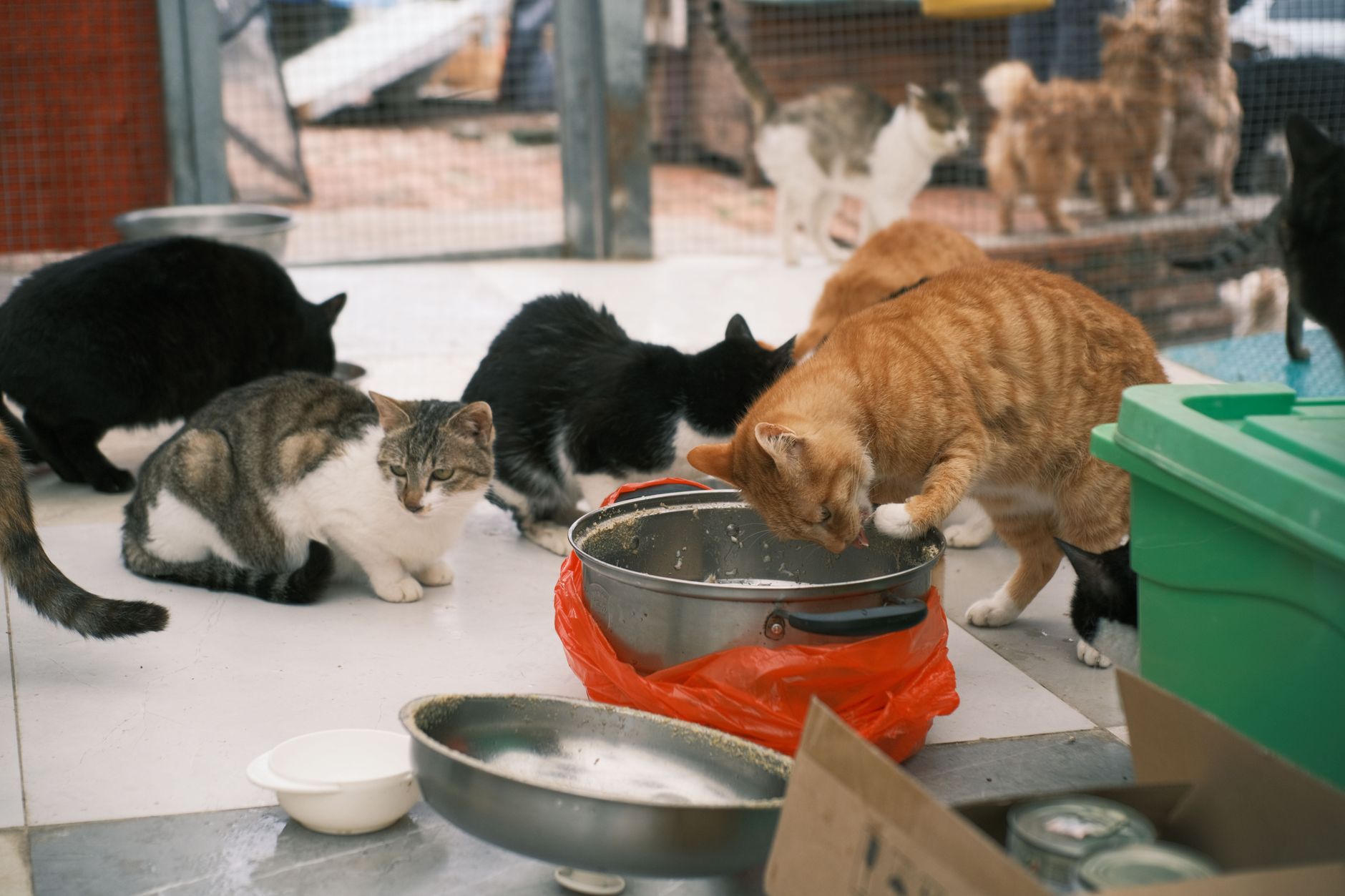
Several interconnected factors contribute to the high numbers of stray animals observed in certain regions. Addressing these multifaceted issues is crucial for implementing effective and sustainable solutions.
- Lack of Spay/Neuter Programs: Without accessible and affordable spay/neuter services, animal populations can quickly spiral out of control.
- Cultural Attitudes: In some cultures, animals are viewed as disposable or are not given the same level of care and protection as pets in Western societies.
- Economic Conditions: Poverty often limits people’s ability to afford pet care, leading to abandonment and uncontrolled breeding.
- Inadequate Animal Welfare Laws and Enforcement: Weak or non-existent laws, coupled with poor enforcement, contribute to the neglect and abandonment of animals.
- Ineffective Animal Shelters: Overcrowded and underfunded shelters may be unable to cope with the influx of stray animals.
- Human Irresponsibility: Pet owners failing to properly care for their pets, abandoning them, or allowing them to roam freely.
Regional Hotspots: Mapping the Global Stray Animal Crisis
Identifying specific regions with high stray animal populations provides valuable insights into the problem’s scale and distribution. Although exact figures are difficult to obtain due to the lack of comprehensive data collection, certain areas consistently appear as hotspots.
- India: Often cited as having one of the largest stray dog populations globally. Factors include cultural practices, limited spay/neuter programs, and challenges in managing rabies transmission.
- Romania: The country struggles with a significant stray dog population, particularly in urban areas. Complex legislation, ineffective sterilization campaigns, and illegal dog breeding contribute to the problem.
- Greece: Economic hardship and lack of resources have contributed to a growing population of stray dogs and cats in recent years.
- Latin America (Mexico, Brazil, Argentina): Many Latin American countries face challenges in managing stray animal populations due to a combination of poverty, lack of resources, and cultural attitudes.
- Southeastern Europe (Serbia, Bulgaria): Similar to Romania, these countries grapple with large numbers of stray dogs, often due to ineffective population control measures.
- Certain Regions of Africa: Stray dog and cat populations are significant in many parts of Africa, exacerbated by poverty, limited access to veterinary care, and rabies concerns.
Impact of Stray Animal Overpopulation
The presence of large stray animal populations has far-reaching consequences, affecting both animal and human well-being.
- Public Health Concerns: Stray animals can carry and transmit diseases, including rabies, parasites, and other zoonotic illnesses.
- Animal Welfare Issues: Stray animals often suffer from starvation, injury, disease, and mistreatment.
- Environmental Impacts: Stray animals can contribute to environmental degradation by scavenging for food, disturbing wildlife, and spreading invasive species.
- Traffic Accidents: Stray animals can pose a hazard to drivers and pedestrians, leading to accidents and injuries.
- Economic Costs: Managing stray animal populations can be expensive, requiring resources for animal control, shelter operations, and disease prevention.
Addressing the Stray Animal Crisis: Potential Solutions
Tackling the stray animal crisis requires a multi-pronged approach that addresses the underlying causes and focuses on long-term solutions.
- Mass Spay/Neuter Programs: Implementing large-scale, accessible, and affordable spay/neuter programs is crucial for controlling animal populations.
- Public Education and Awareness Campaigns: Educating the public about responsible pet ownership, animal welfare, and the importance of spaying/neutering.
- Stricter Animal Welfare Laws and Enforcement: Enacting and enforcing laws that protect animals from cruelty, neglect, and abandonment.
- Improved Animal Shelters and Adoption Programs: Providing humane shelters and promoting adoption as an alternative to buying pets.
- Trap-Neuter-Return (TNR) Programs: Implementing TNR programs for community cats can help control feral cat populations.
- Community Engagement and Collaboration: Engaging local communities and fostering collaboration between government agencies, animal welfare organizations, and private individuals.
- Microchipping and Registration: Mandatory microchipping and registration of pets can help reunite lost animals with their owners and deter abandonment.
- Funding and Resources: Allocating adequate funding and resources for animal welfare initiatives, including spay/neuter programs, shelter operations, and public education.
Data Collection and Research Gaps
One of the major challenges in addressing the stray animal crisis is the lack of comprehensive data on animal populations. More research is needed to accurately assess the scale of the problem and to evaluate the effectiveness of different intervention strategies. This includes:
- Conducting population surveys to estimate the number of stray animals in different regions.
- Developing standardized methodologies for data collection and reporting.
- Evaluating the impact of different spay/neuter programs and other interventions.
- Studying the factors that contribute to animal abandonment and neglect.
- Collecting data on animal welfare indicators to assess the well-being of stray animals.
By investing in data collection and research, we can gain a better understanding of where are the most stray animals in the world and develop more effective solutions to this complex problem.
Frequently Asked Questions (FAQs)
What are the primary causes of stray animal overpopulation?
The primary causes are multifaceted, including lack of accessible and affordable spay/neuter programs, irresponsible pet ownership leading to abandonment, cultural acceptance of roaming animals, and inadequate animal welfare laws and enforcement. These factors often interact and exacerbate the problem in different regions.
Which countries are actively working to reduce their stray animal populations?
Several countries, including Turkey, some nations in Europe (like The Netherlands), and certain cities in the United States, have implemented successful programs to reduce stray animal populations. These initiatives often involve large-scale spay/neuter programs, public education campaigns, and stricter animal welfare laws.
Is there a connection between economic development and the number of stray animals?
Yes, there is a correlation. Economically developed countries typically have fewer stray animals due to better access to veterinary care, higher rates of pet ownership, and stronger animal welfare infrastructure. Poverty often limits access to these resources and increases the likelihood of animal abandonment and neglect.
How do Trap-Neuter-Return (TNR) programs work?
TNR programs involve humanely trapping stray or feral cats, sterilizing them, vaccinating them against rabies, and returning them to their original location. The goal is to stabilize cat populations, reduce breeding, and improve the health and welfare of the cats.
What is the role of animal shelters in managing stray animal populations?
Animal shelters play a crucial role by providing temporary housing, care, and adoption services for stray and abandoned animals. However, many shelters are overcrowded and underfunded, limiting their ability to effectively manage the problem. Improved shelter infrastructure, adoption promotion, and spay/neuter programs are essential.
How can individuals contribute to reducing stray animal populations?
Individuals can contribute by spaying or neutering their pets, adopting animals from shelters, supporting animal welfare organizations, advocating for stronger animal welfare laws, and educating others about responsible pet ownership. Every action, no matter how small, can make a difference.
What is the difference between a stray animal and a feral animal?
A stray animal is typically a pet that has been lost or abandoned and is accustomed to human contact. A feral animal is an unowned animal that has never been socialized to humans and is typically wary of human interaction.
What diseases can stray animals transmit to humans?
Stray animals can transmit a variety of diseases to humans, including rabies, leptospirosis, ringworm, and various parasites. Practicing good hygiene and avoiding contact with stray animals can help reduce the risk of disease transmission.
How does animal abandonment impact society?
Animal abandonment places a burden on animal shelters and rescue organizations, increases the risk of animal suffering, contributes to public health concerns, and can damage the environment. It also reflects a lack of responsibility and compassion towards animals.
What are some ethical considerations in managing stray animal populations?
Ethical considerations include ensuring humane treatment of animals, prioritizing non-lethal population control methods, respecting animal autonomy, and balancing the needs of animals with the needs of humans. Addressing the problem requires a compassionate and ethical approach.
How important is public education in preventing stray animal overpopulation?
Public education is absolutely crucial. Educating communities on responsible pet ownership, the importance of spaying and neutering, and animal welfare issues are all vital to long-term prevention. Without changing attitudes and behaviors, efforts to control stray animal populations will be limited.
What is the connection between human poverty and high stray animal populations?
Poverty often leads to a lack of resources for pet care, including food, veterinary care, and spaying/neutering. This can result in animals being abandoned or allowed to reproduce uncontrollably, leading to a higher number of stray animals. Addressing poverty and providing access to affordable pet care are essential for tackling the stray animal crisis.